

Classic Hat Design: Timeless Style and Functionality
Choosing a hat that stands the test of time can feel challenging when trends shift every season. For fashion-forward New Zealanders, true style comes from classics that combine confidence with function. Whether braving Wellington wind or relaxing outdoors, a timeless hat blends enduring materials, balanced design, and ergonomic comfort for everyday wear. Discover how principles of classic craftsmanship make certain hats last year after year without sacrificing contemporary appeal or Kiwi practicality.
Table of Contents
- Defining Classic Hat Design Principles
- Iconic Styles And Their Unique Distinctions
- Quality Fabrics, Craftsmanship, And Structure
- Why Classic Hats Endure In Modern Fashion
Key Takeaways
| Point | Details |
|---|---|
| Timeless Design | Classic hats combine functional excellence with visual restraint, ensuring they are consistently reliable and stylish. |
| Quality and Craftsmanship | Investing in premium materials and skilled construction leads to hats that age beautifully and perform effectively over time. |
| Versatility | Classic styles, such as flat caps and fedoras, can seamlessly match various outfits, making them suitable for diverse occasions. |
| Cultural Relevance | Classic hats address practical needs while allowing for personal expression, maintaining their status through changing fashion trends. |
Defining Classic Hat Design Principles
Classic hat design isn’t about following trends—it’s about understanding what makes a hat work beautifully for decades. A timeless hat combines functional excellence with visual restraint, creating something people reach for again and again.
Classic principles focus on a few core elements:
- Silhouette: The overall shape defines whether a hat feels dated or enduring. Clean lines and proportions that complement the human head create lasting appeal.
- Material quality: Durable, natural fabrics age gracefully and perform reliably across seasons. Better materials justify investment and encourage long-term wear.
- Practical construction: Hidden seams, reinforced brims, and thoughtful stitching mean hats survive actual use—wind, rain, daily wear.
- Color restraint: Neutral tones or classic patterns resist seasonal fatigue. A charcoal wool or cream linen outlasts fashion-forward shades.
Design principles for hat creation emphasize balancing aesthetics with function, ensuring your hat doesn’t just look good but performs reliably in New Zealand’s variable weather.
For New Zealanders, classic design means practical versatility. Your hat should work equally well on a Wellington commute, a South Island hike, or weekend coffee. No fussing. No special conditions. Just reliable style.
A truly classic hat serves its purpose without demanding attention—it becomes so familiar you stop noticing it and start relying on it.
The best designs consider ergonomics and comfort alongside appearance. A hat that pinches, slips, or requires constant adjustment will be abandoned. Conversely, a well-proportioned, balanced hat becomes second nature.
Cultural appropriateness matters too. Classic designs respect how hats function within everyday Kiwi life—whether that’s protection from UV exposure, wind management, or simply expressing personal style without shouting for recognition.
Pro tip: When evaluating a hat’s classic potential, wear it for a full day without thinking about it. If you forget it’s there after an hour, that’s a sign of genuine timeless design.
Iconic Styles and Their Unique Distinctions
Each classic hat style tells its own story through distinctive design elements. Understanding what sets them apart helps you recognize quality craftsmanship and choose styles that genuinely suit your lifestyle.
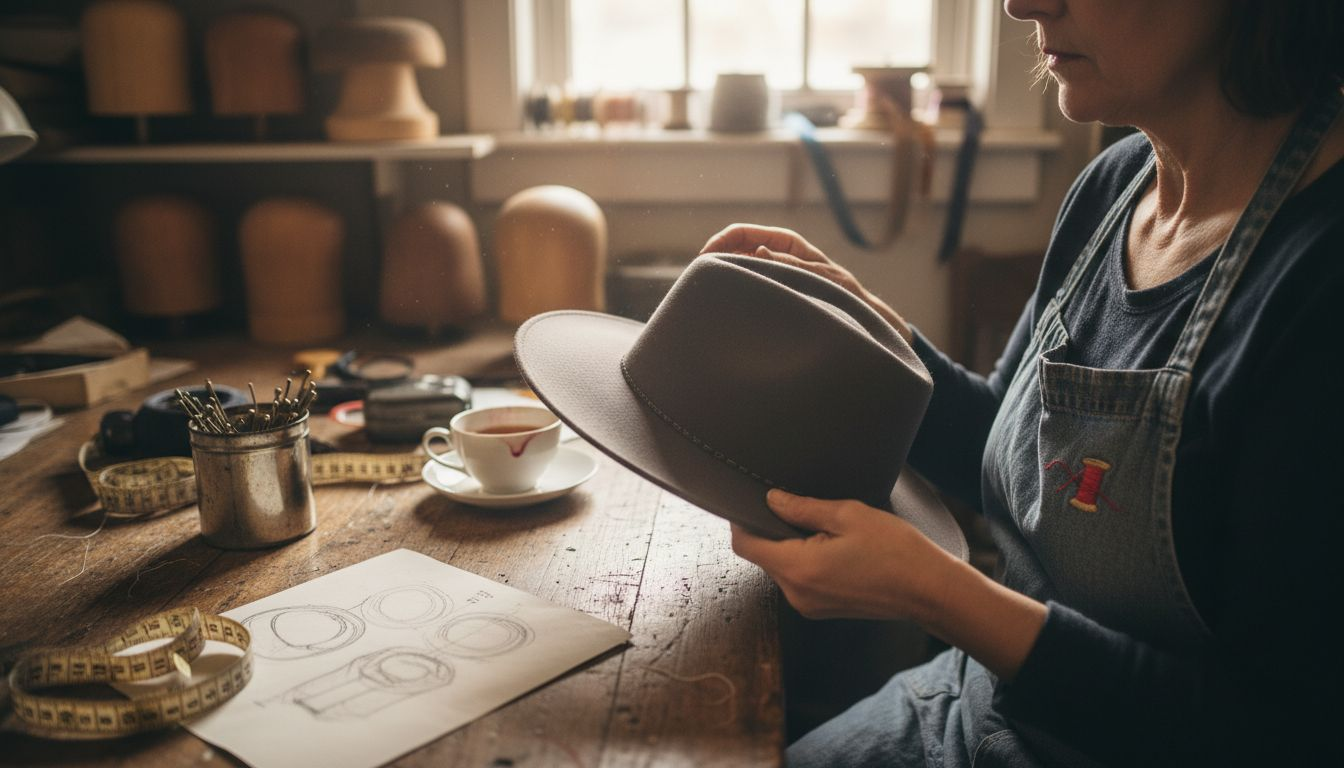
Iconic hat styles differ dramatically in crown shape, brim size, material, and historical context. These variations aren’t random—they’re deliberate design choices reflecting where and how hats were worn.
Here are the core distinctions:
- Fedora: Creased crown with a medium brim, traditionally felt or fur. Works for dressier occasions without feeling stuffy.
- Flat cap: Small rounded crown with a stiff brim in front. Classic workwear appeal, perfect for everyday Kiwi style.
- Panama: Lightweight straw with a crease and pinched crown. Built for sun protection and tropical climates.
- Beret: Flat, rounded crown without a brim. Historically tied to military and artistic traditions.
- Trilby: Similar to fedora but with a shorter brim. More contemporary feel while maintaining classic proportions.
Historical hat symbolism reveals how hats function as more than accessories—they communicate status, profession, and era. A bowler hat meant respectability in Victorian England. A top hat signaled formality and authority.
For your situation, the distinction matters practically. A flat cap suits Wellington’s breezy days and works with both casual jeans and smart casual wear. A Panama handles New Zealand’s intense UV without compromising style.
Here’s a quick reference comparing iconic hat styles, their main features, and the occasions they best suit:
| Hat Style | Distinct Feature | Best for |
|---|---|---|
| Fedora | Creased crown, medium brim | Semi-formal events |
| Flat Cap | Rounded crown, stiff front brim | Daily casual outings |
| Panama | Straw material, pinched crown | Sun protection, travel |
| Beret | Flat crown, no brim | Artistic, relaxed wear |
| Trilby | Shorter brim, modern shape | Contemporary settings |
A classic hat’s enduring appeal comes from its proportions, not its trend status. The same fedora style works in 1952 and today because the design fundamentals remain sound.
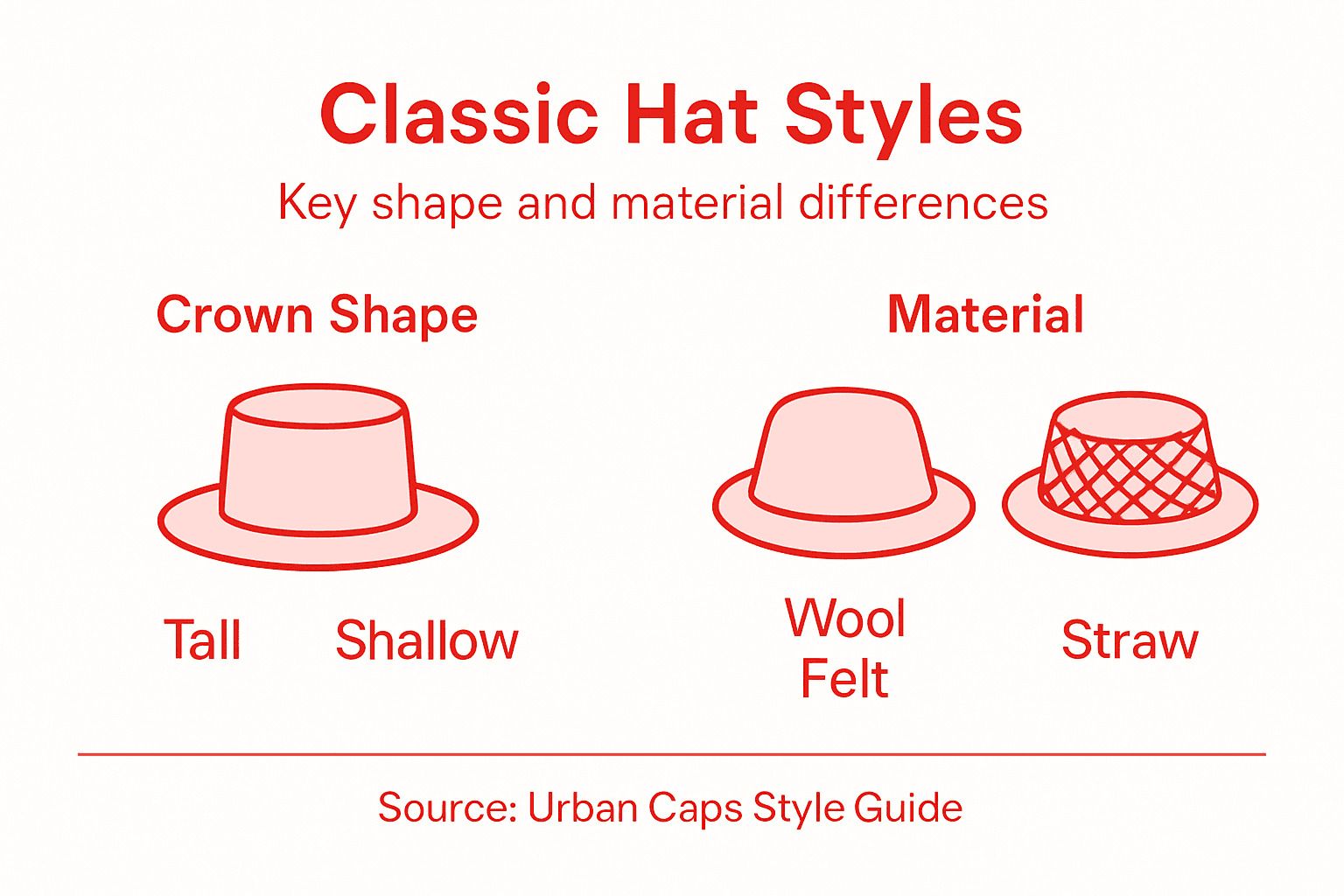
Material choice creates visible differences too. Wool felt develops character over time. Straw ages gracefully. Cotton canvas improves with wear. These aging qualities matter when you’re investing in something you’ll actually use.
The crown shape determines how a hat sits on different head shapes. Taller crowns flatter rounder faces. Shallow crowns suit longer faces. This isn’t complicated—it’s just knowing which proportions work with your features.
Pro tip: Try on several iconic styles in person before deciding. Your actual head shape, face proportions, and how a hat feels matter far more than what looks good in photos.
Quality Fabrics, Craftsmanship, and Structure
What separates a hat you’ll wear for years from one gathering dust in your closet? Premium materials, skilled craftsmanship, and thoughtful construction. These three elements work together to create hats that perform reliably and look better over time.
Start with fabric choice. Wool felt develops a rich patina with age. Straw breathes naturally in warm weather. Cotton canvas softens with wear. Premium material selection tailored to specific hat types ensures your investment performs exactly as intended.
Here’s what separates quality construction:
- Blocking: Skilled artisans use wooden or aluminum molds to shape crowns with precision. This creates consistent silhouette and proper proportions.
- Stitching: Hand-stitching or quality machine work ensures seams hold under actual wear. Look for even, tight stitches that won’t unravel.
- Reinforcement: Interior bands, sweatbands, and brim reinforcement add durability without visible bulk.
- Finishing: Proper edge binding, secure closures, and clean hems reflect attention to detail.
Meticulous craftsmanship from material selection through final assembly distinguishes hats that last decades from fast-fashion alternatives that deteriorate within months.
For New Zealanders, structural integrity matters practically. Your hat must withstand Wellington’s wind, Auckland’s humidity, and Canterbury’s intense sun without falling apart. Quality construction ensures your brim stays rigid, your sweatband absorbs moisture, and your hat maintains its shape.
A well-constructed hat feels substantial in your hands. The weight, the precision of seams, the way the brim sits—these are immediate signals of genuine quality.
Material aging tells a story. Wool felt hardens slightly and deepens in color. Straw develops subtle character. Canvas becomes softer. These changes signal a hat actually being used, not stored away. Cheap synthetic fabrics? They just look worn out.
This summary shows how quality materials affect both comfort and durability in classic hats:
| Material | Comfort Benefit | Durability Impact |
|---|---|---|
| Wool Felt | Soft, warm feel | Ages with rich patina |
| Straw | Lightweight, cool | Resistant to warping |
| Cotton Canvas | Breathable, flexible | Softens with use |
| Synthetic | Moisture wicking | Prone to quick wear |
Structural details matter beyond aesthetics. A properly reinforced brim prevents edge curling. Internal sizing ribbons maintain fit across seasons. Quality closures won’t break under repeated adjustment. Every element serves function alongside form.
When examining a hat, feel the fabric weight. Check seam consistency. Test the brim rigidity. Listen to how solid it feels. These sensory checks reveal what you’re actually investing in.
Pro tip: When you find a quality hat you love, ask about fabric content and construction details. Knowing whether it’s wool or synthetic, hand-stitched or machine-made helps you understand why it’s built to last and how to care for it properly.
Why Classic Hats Endure in Modern Fashion
Fashion cycles through trends constantly, yet classic hats remain relevant across decades. This isn’t coincidence—it’s the result of timeless design principles that transcend seasonal shifts.
Classic hats survive because they solve real problems. Protection from sun, wind, and rain never goes out of style. Looking polished without effort appeals to every generation. A well-designed hat works whether you’re 25 or 65, whether it’s 2024 or 2044.
Here’s why they endure:
- Versatility: A quality flat cap works with jeans, casual blazers, or weekend wear. No reinvention needed.
- Quality compounds: Better materials age beautifully instead of deteriorating. Your investment improves with time.
- Cultural continuity: Classic styles connect us to heritage while feeling completely contemporary.
- Individual expression: A hat communicates personality without demanding constant updates.
- Practical functionality: Wind protection, sun blocking, and style—these needs never become trendy then obsolete.
Trends obsess over novelty. Classic design obsesses over proportion, material integrity, and fit. Quality hats elevate everyday style by functioning beautifully across countless outfits and occasions, regardless of what fashion magazines declare this season.
For New Zealanders specifically, classic hats address genuine lifestyle needs. You need reliable sun protection. You need something that survives windy weather. You need to look intentional without overthinking it. These requirements don’t change with fashion cycles.
A classic hat is like a well-written book—it communicates its message clearly and remains engaging regardless of when you encounter it.
Social media accelerates trend cycles, yet classic hats actually gain visibility. Influencers and everyday people both wear quality fedoras and flat caps. Why? Because they actually look good and perform reliably, not because an algorithm demanded it.
Generation gaps disappear with classic hats. Your grandfather’s style choices and yours share fundamental design DNA. That continuity signals genuine design rather than manufactured trends.
Modern life moves fast. Classic hats offer stability. You choose once, wear often, and don’t second-guess yourself. That reliability matters more in 2024 than it ever did.
Pro tip: Invest in one or two classic styles that genuinely suit your lifestyle rather than chasing multiple trend-based hats. You’ll wear them more, spend less overall, and look more intentional than constant style-switching.
Discover Timeless Headwear Crafted for Lasting Style and Function
The article highlights the challenge of finding hats that combine classic design principles with durable, practical construction suited for New Zealand’s diverse climate. Urban Caps understands the importance of quality materials, ergonomic fit, and versatile styles that suit both everyday wear and outdoor adventures. If you want a hat that feels natural, looks sophisticated, and stands up to wind, sun, and rain, your search ends here.

Explore our premium collection of classic fedoras, flat caps, trilby hats, and more all made to meet timeless design standards discussed in the article. Take advantage of fast NZ delivery and unlock the confidence that comes from wearing hats built to last through seasons and trends. Visit Urban Caps today and invest in your next favorite hat that you will stop thinking about—because it just fits perfectly.
Start your journey with timeless headwear by browsing our selection now at Urban Caps. Your enduring style and comfort await.
Frequently Asked Questions
What are the key principles of classic hat design?
Classic hat design is centered around timeless elements such as silhouette, material quality, practical construction, and color restraint. These principles ensure hats are both functional and visually appealing over time.
How do I determine if a hat is right for my face shape?
Your face shape significantly influences how a hat will look on you. Generally, taller crowns flatter rounder faces, while shallower crowns suit longer faces. Trying on various styles will help you find the most flattering option.
What materials should I look for in a quality hat?
Look for materials such as wool felt, straw, or cotton canvas. These fabrics age well, enhance comfort, and add durability. Premium materials often develop character over time, making them ideal for long-term wear.
Why are classic hats considered versatile?
Classic hats are versatile because they can complement a range of outfits and occasions. For instance, a flat cap works equally well with casual jeans or smart casual attire, making it a reliable choice for various settings.