

Hat reviews NZ: the best styles for every Kiwi condition
For sun, buy a wide-brim or structured cap with genuine UV coverage. For wet weather, buy something water-resistant with a firm brim that keeps rain off your face. For winter and alpine days, buy an insulated beanie or a fitted ski hat with ear coverage. For everyday streetwear, a structured cotton or twill cap does the job better than anything oversized or floppy. That is the short version of every hat review NZ shoppers actually need, and here is how each job maps to a specific Urban Caps pick.
- Sun and summer days: the Premium Soft Mesh Cap – Cotton Front, Mesh Back, Contrast Sandwich Peak breathes through the mesh back while the cotton front blocks glare, good for beach days or the back nine.
- Everyday streetwear: the Premium American Twill Snapback – Flat Peak, Mesh Back, Custom Foil holds its shape and looks sharp from the city to the sideline.
- Outdoor activity and durability: the Impact Cap – Structured 5-Panel, Pre-Curved Peak, Adjustable Velcro Fit has a stiffer build and a Velcro adjuster that copes with an active day better than a snapback.
- Winter and alpine sports: the Thunderbolt Ski Hat – Outdoor Riding Cap with Ear Protection for Winter Sports covers your ears properly, which most beanies simply don’t.
- Smart-casual and evening wear: the Fedora Hat Jazz Style Fedoras Hat suits a night out or a wedding without looking like fancy dress.
All of these sit in New Zealand stock with fast local delivery, so you’re not waiting weeks on an overseas order to get sun-ready or ski-ready.
Key Takeaways
The right hat for New Zealand conditions comes down to matching material and construction to purpose, not chasing a brand name, with fit and local stock availability deciding the rest.
| Point | Details |
|---|---|
| Match hat type to job | Sun, rain, winter, and streetwear each need a different material and build. |
| Construction beats branding | Stitched seams, taped joins, and reinforced sweatbands add more durability than a logo. |
| Brim width drives UV protection | Wider brims and denser weaves outperform narrow designs for genuine sun protection. |
| Fit affects both comfort and protection | Measure head circumference against the sizing guide before ordering. |
| Urban Caps covers every use case | Local NZ stock and fast delivery span sun caps, ski hats, and heritage fedoras in one catalogue. |
Table of Contents
- Hat reviews NZ: top Urban Caps picks explained
- Which hat materials actually hold up in New Zealand conditions?
- How do you choose the right hat for your needs?
- How do you care for a hat so it lasts longer?
- Why trust Urban Caps for hat reviews and recommendations in NZ?
- Ready to buy? Here’s what to check before checkout
- Sources
- FAQ
Hat reviews NZ: top Urban Caps picks explained
Reading spec sheets is one thing. Knowing which hat actually suits your Tuesday commute or your Saturday tramp is another. Here’s a closer look at seven Urban Caps products, what each one is built for, and where it earns its keep.
-
Premium Soft Mesh Cap – Cotton Front, Mesh Back, Contrast Sandwich Peak. This is the pick for warm, humid days when a full-cotton cap turns into a sweatbox. The mesh back vents heat while the cotton front still gives you a clean look for the gym, the golf course, or a walk along the waterfront. The sandwich peak (a contrast strip between the peak layers) is a small detail that lifts it above a plain sports cap. Sizing runs true, with most adjustable straps fitting head circumferences comfortably without pinching.
-
Premium American Twill Snapback – Flat Peak, Mesh Back, Custom Foil. Twill is a tighter, heavier weave than standard cotton, so this cap holds its structure through repeated wear and washing far better than a soft-crown alternative. The flat peak and foil detailing give it a streetwear edge, while the mesh back stops it turning into a heat trap on warmer days. If you want one cap that works from a morning coffee run to an evening out, this is it.
-
Impact Cap – Structured 5-Panel, Pre-Curved Peak, Adjustable Velcro Fit. Five-panel construction distributes stress across more seams than a standard six-panel cap, which matters if you’re pulling it on and off a dozen times a day for work or sport. The pre-curved peak is ready to wear straight out of the box, no breaking-in required, and the Velcro adjuster means one size covers a wider range of head shapes than a snap closure. Best for anyone who wants a cap that survives a bag, a bike ride, and a bit of weather.
-
Fedora Hat Jazz Style Fedoras Hat. Not built for the elements, but built to make an outfit. The structured crown and shaped brim suit smart-casual occasions where a cap would look out of place. Sizing on fedoras tends to run slightly different from caps, so check the size guide before buying rather than guessing.
-
Steampunk Hat Gear Punk Rivet Hat Gothic Glasses Magic Hat Fedoras Hat. This one is for statement dressing rather than daily rotation. The rivet detailing and structured build suit costume events, festivals, or anyone building a distinctive personal style. It photographs well, which matters if you’re buying for a specific event.
-
Travel Hat. Designed to pack down without losing shape, this is the one to throw in a suitcase or day pack. It suits trips where you don’t know exactly what the weather will do, which, let’s be honest, describes most New Zealand travel.
-
Thunderbolt Ski Hat – Outdoor Riding Cap with Ear Protection for Winter Sports. Built for genuine cold, this one covers the ears fully, which separates it from a fashion beanie. If you’re heading to Cardrona, Ohakune, or just standing on a cold sideline in July, this is the practical choice over a cap or fedora.
Pro Tip: Buy your Accessories Bag – Premium Quality alongside a fedora or steampunk hat. Structured crowns lose their shape fast when tossed loose into a suitcase or gym bag, and a dedicated bag protects the brim shape between wears.
For sun protection, the mesh cap wins. For rain and wind, the Impact Cap’s structured build sheds weather better than a soft crown. For alpine winter, the Thunderbolt Ski Hat is the only real contender on this list. For casual streetwear, it’s a genuine contest between the twill snapback and the mesh cap, and it comes down to how much airflow you need.
Which hat materials actually hold up in New Zealand conditions?
Material choice matters more than brand name once you’re outdoors in Kiwi weather, and the construction detail on a hat often tells you more than the fabric label alone. A tightly woven twill with reinforced seams will outlast a cheaper cotton blend even if both are technically “cotton caps.”
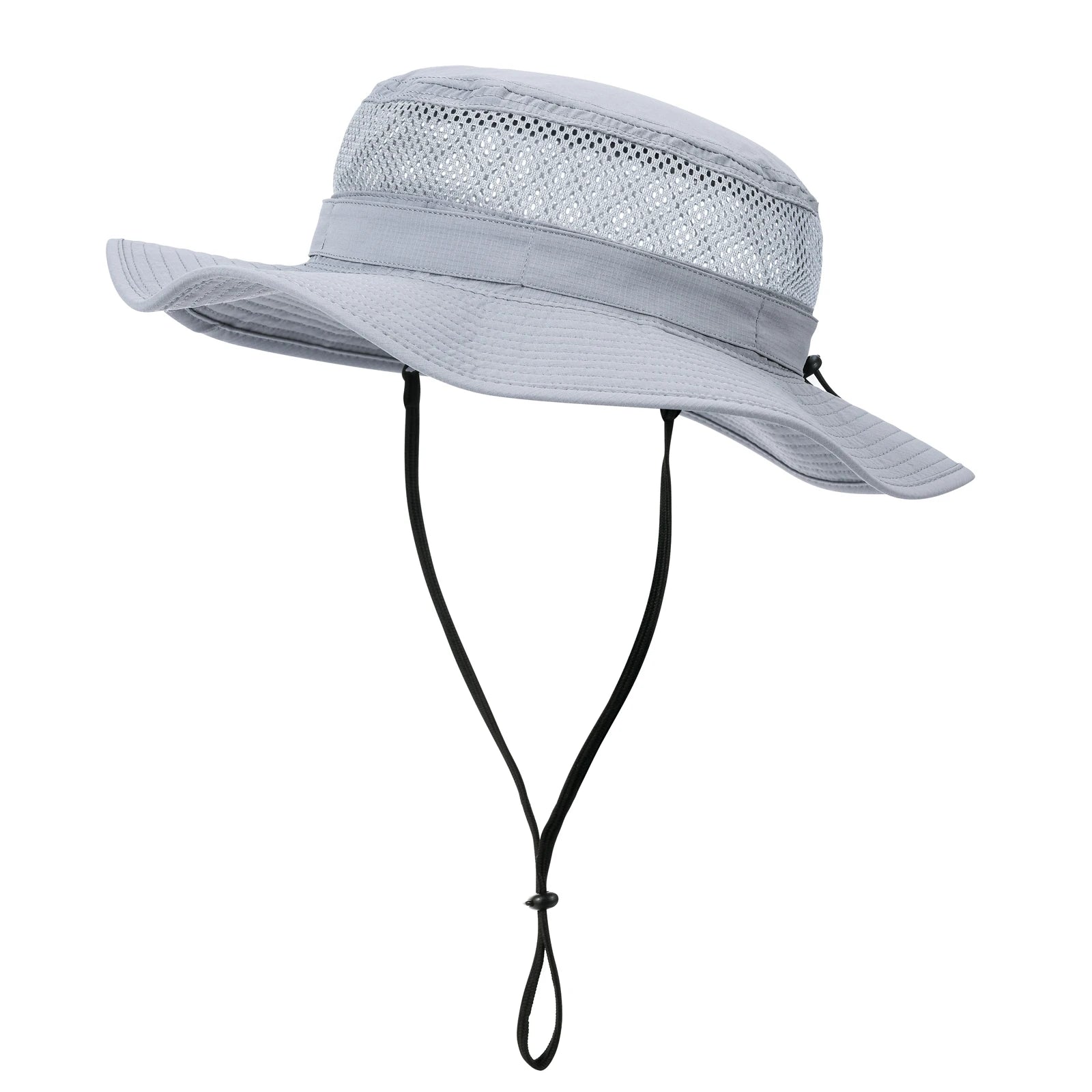
- Cotton and cotton-twill: breathable and comfortable against the skin, but twill’s tighter weave resists fraying and holds a crisp shape through repeated wear far better than lightweight cotton.
- Mesh panels: vent heat effectively in humid conditions, ideal for summer sport but offer less wind resistance than a solid crown.
- Wool felt: dense, naturally water-resistant, and warm, which is why heritage fedoras and homburgs use it for cooler months and formal wear.
- Leather: highly durable and develops character with age, but needs conditioning to avoid drying and cracking in coastal salt air.
- Technical synthetic fabrics: often treated for water resistance and UV blocking, common in modern outdoor caps and ski hats.
Construction details separate a hat that lasts two seasons from one that lasts ten. Stitched seams (rather than glued), a reinforced sweatband that won’t stretch out of shape, and taped internal seams on wet-weather hats all add real durability. Local hatmakers building for New Zealand’s climate often include moisture-wicking sweatbands and cooling fibres specifically because humid, high-UV conditions punish cheaper materials faster.
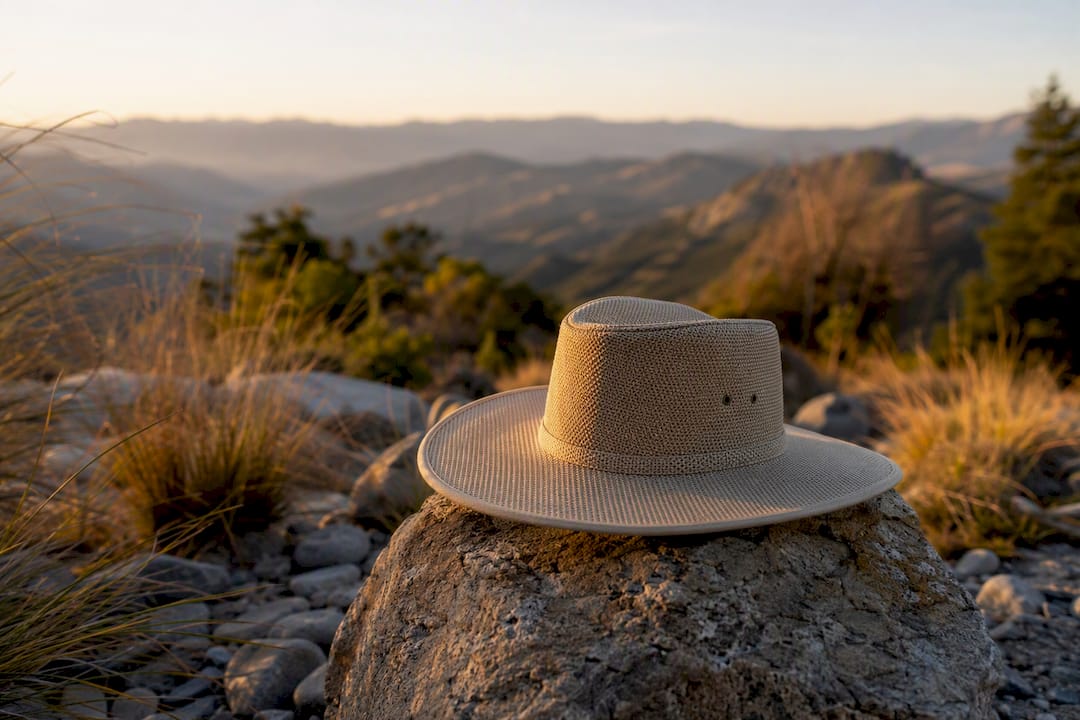
Brim width is not a cosmetic choice. Specialist outdoor gear reviewers consistently find that wider brims and denser weaves outperform narrow-brim designs for actual UV protection, not just shade. Purpose-built sun hats such as the Tilley LTM6 are cited repeatedly for breathability and long-term durability in outdoor use, and that combination of airflow plus dense weave is exactly what to look for regardless of brand. New Zealand retailers like Swazi stock caps built specifically for local outdoor conditions, which shows how seriously the local market treats durability over decoration.
How do you choose the right hat for your needs?
Start with purpose, not looks. A hat bought for the wrong job will underperform no matter how good it looks in the mirror.
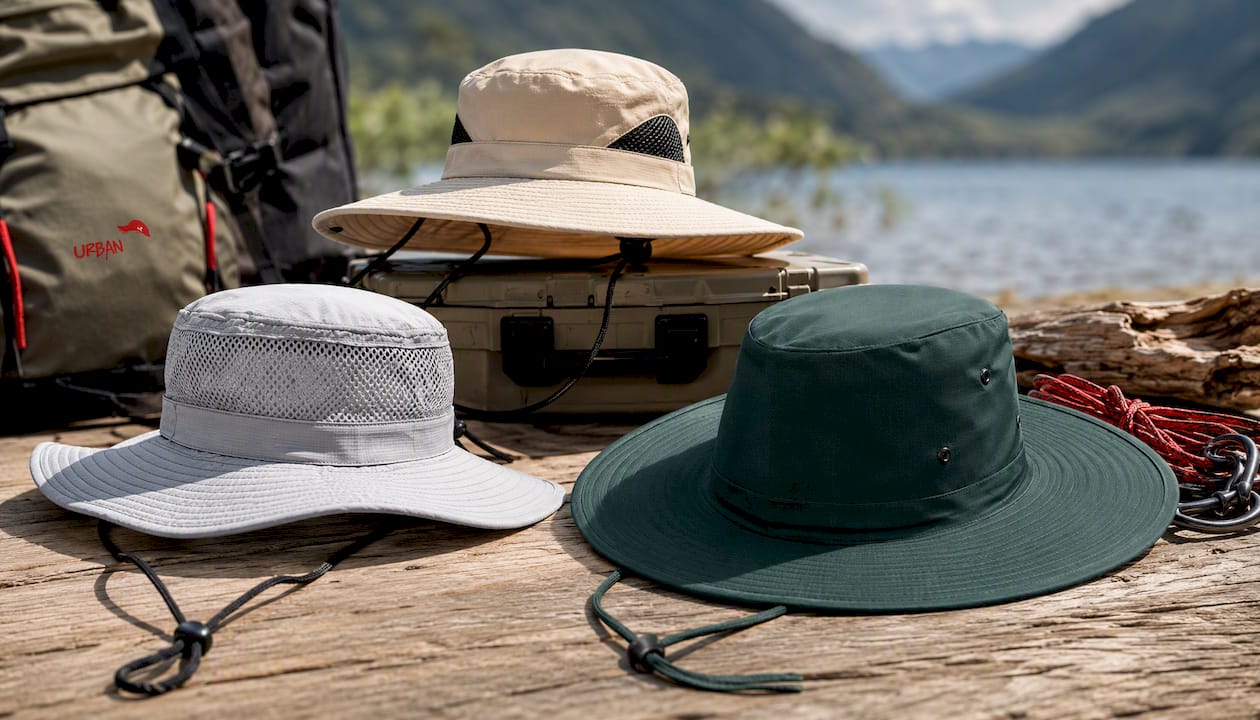
- Define your primary use. Sun protection, wet weather, winter warmth, or everyday city wear each point to a different material family: breathable cotton or mesh for sun, treated technical fabric for rain, wool or insulated synthetic for cold, and structured twill for daily wear.
- Measure your head and check the size guide. Fit affects both comfort and UV coverage, since a hat that sits too high or loose lets more sun reach your face and neck. Urban Caps’ wool hat sizing guide walks through measuring head circumference properly before you buy.
- Assess protection features. Look at brim width, whether the fabric is treated for water resistance, and how much ear or neck coverage a winter hat provides.
- Check packability and care needs. If you travel often or store gear in a damp garage or boot, a hat that holds shape without a rigid box (like the Travel Hat) will serve you better than a structured felt piece.
Quick checklist before you buy:
| Point | Details |
|---|---|
| Match hat to purpose | Sun, rain, winter, or city wear each need a different material family. |
| Confirm your size | Measure head circumference and check the sizing guide before ordering. |
| Check protection features | Brim width and water resistance matter more than brand for outdoor use. |
| Plan for storage | Structured styles need a protective bag if you travel or pack them away. |
For a deeper walkthrough of matching style to protection, Urban Caps’ guide on finding the perfect hat for NZ outdoor conditions covers the same decision points in more depth.
How do you care for a hat so it lasts longer?
Care routines differ by material, and using the wrong method is the fastest way to ruin a good hat.
- Wool: spot clean only, never machine wash. Reshape the crown while it’s still slightly damp and let it air dry away from direct sun to avoid fading or shrinkage.
- Technical fabrics: wash gently by hand where possible, skip fabric softener (it clogs the weave and reduces breathability), and re-proof the fabric with a spray treatment if water starts soaking through rather than beading off.
- Leather and felt: use a proper leather or felt cleaner rather than household soap, avoid soaking either material, and store on a form or in a box that keeps the crown’s shape.
- Small repairs: resew a loose trim before it unravels further, reattach a sweatband as soon as it starts peeling, and use a hat stretcher on felt or wool pieces that have tightened over time rather than forcing them onto your head.
Pro Tip: Never store a felt or wool hat flat under other items in a cupboard. Even a light weight left on the crown for a few months will leave a dent that’s hard to steam out.
Why trust Urban Caps for hat reviews and recommendations in NZ?
Urban Caps operates locally in New Zealand, with a catalogue spanning caps, fedoras, beanies, and heritage-inspired styles built for Kiwi conditions and shipped fast within the country. That local footprint matters in a category where buyers actively ask around online for genuine feedback before trusting a newer brand.
- Local NZ stock and fast delivery on every product mentioned in this review.
- On-site customer reviews and detailed product specifications back up each mini-review above.
- A published guide to hat styles for Kiwi lifestyles reflects ongoing local expertise, not a one-off product dump.
- New Zealand has a genuine hatmaking heritage; Hills Hats has operated out of Petone, Wellington since 1998, showing the category has real local roots beyond imported fast fashion.
Reviews carry more weight when the reviewer actually stocks, ships, and stands behind the product. That’s the gap between a generic buying guide and one written by the retailer who has to answer for the returns.
Author perspective: picking a hat for a Kiwi day out
Picture a Saturday tramp followed by a barbecue at the bach. You need the mesh cap on the trail for airflow, then something sturdier for the walk back when the wind picks up, which is exactly why the Impact Cap earns a permanent spot in the car. One thing worth knowing: fit issues cause most hat complaints, not fabric quality, so measure your head before ordering rather than guessing your usual size. If it’s wrong, Urban Caps’ local returns process means it’s not a costly mistake.
— Urban
Ready to buy? Here’s what to check before checkout
Every product covered in this guide sits in New Zealand stock right now, with fast delivery so you’re not stuck waiting on an overseas order before the weather turns. Before you check out, run through a short list: confirm your size against the sizing guide, skim the customer reviews on the product page for fit feedback from other Kiwi buyers, check the returns policy so a wrong size isn’t a wasted purchase, and consider adding the Accessories Bag – Premium Quality if you’re buying a structured hat like a fedora that needs shape protection in transit.
If winter sport is on your calendar, the Thunderbolt Ski Hat is worth adding to your cart now rather than waiting until the first cold snap sells out local stock. Urban Caps ships fast within New Zealand and backs every order with local support, so if the fit isn’t right, sorting it out doesn’t mean dealing with an overseas customer service queue.
Sources
FAQ
Is Urban Caps legit for buying hats in NZ?
Urban Caps operates locally in New Zealand with product pages, customer reviews, and fast NZ delivery, all of which are the trust markers reviewers recommend checking before buying headwear online.
What are some popular hat brands in New Zealand?
New Zealand has a genuine local hatmaking history, including Hills Hats, which has operated out of Petone since 1998, alongside outdoor-focused retailers like Swazi and Outback Trading that stock durable caps for local conditions.
Which hat brand is the best?
There’s no single “best” brand, since the right choice depends on the job. What matters more is construction quality, brim width for sun protection, and fit, which is why this guide matches specific Urban Caps products to specific uses rather than ranking brands.
What makes a hat good quality?
Look for stitched (not glued) seams, a reinforced sweatband, a brim wide enough for genuine UV coverage, and a fabric matched to the conditions, cotton or mesh for heat, technical fabric or wool for rain and cold.