

How to Choose the Right Hat for Your Style Needs
Finding headwear that aligns with both your style and need for durability can often leave even the most fashion-forward New Zealand urbanites feeling stuck. Every detail matters, from measuring your head about one inch above your eyebrows to selecting hats that genuinely suit your personality. This guide helps you decode key steps for choosing high-quality, premium headwear that effortlessly blends comfort, craftsmanship, and self-expression for everyday confidence.
Table of Contents
- Step 1: Assess Your Head Shape And Size
- Step 2: Identify Your Style Preferences And Occasions
- Step 3: Explore Suitable Hat Types And Materials
- Step 4: Evaluate Quality And Craftsmanship Details
- Step 5: Test Fit And Finalize Your Selection
Quick Summary
| Key Insight | Explanation |
|---|---|
| 1. Measure your head accurately | Use a flexible tape measure to find the widest part of your head for a proper fit. |
| 2. Identify your head shape | Understanding your head shape helps in selecting flattering hat styles that enhance your appearance. |
| 3. Choose suitable materials | Select hat materials based on climate, intended use, and personal comfort for better wearability. |
| 4. Assess quality and craftsmanship | Inspect stitching and material integrity to distinguish between high-quality and mediocre hats. |
| 5. Try on hats for fit | Ensure the hat stays comfortably in place without pinching or obstructing your view before purchasing. |
Step 1: Assess your head shape and size
Choosing the right hat starts with understanding your unique head measurements and shape. Precise head measurement techniques are crucial for finding a comfortable, stylish headwear fit.
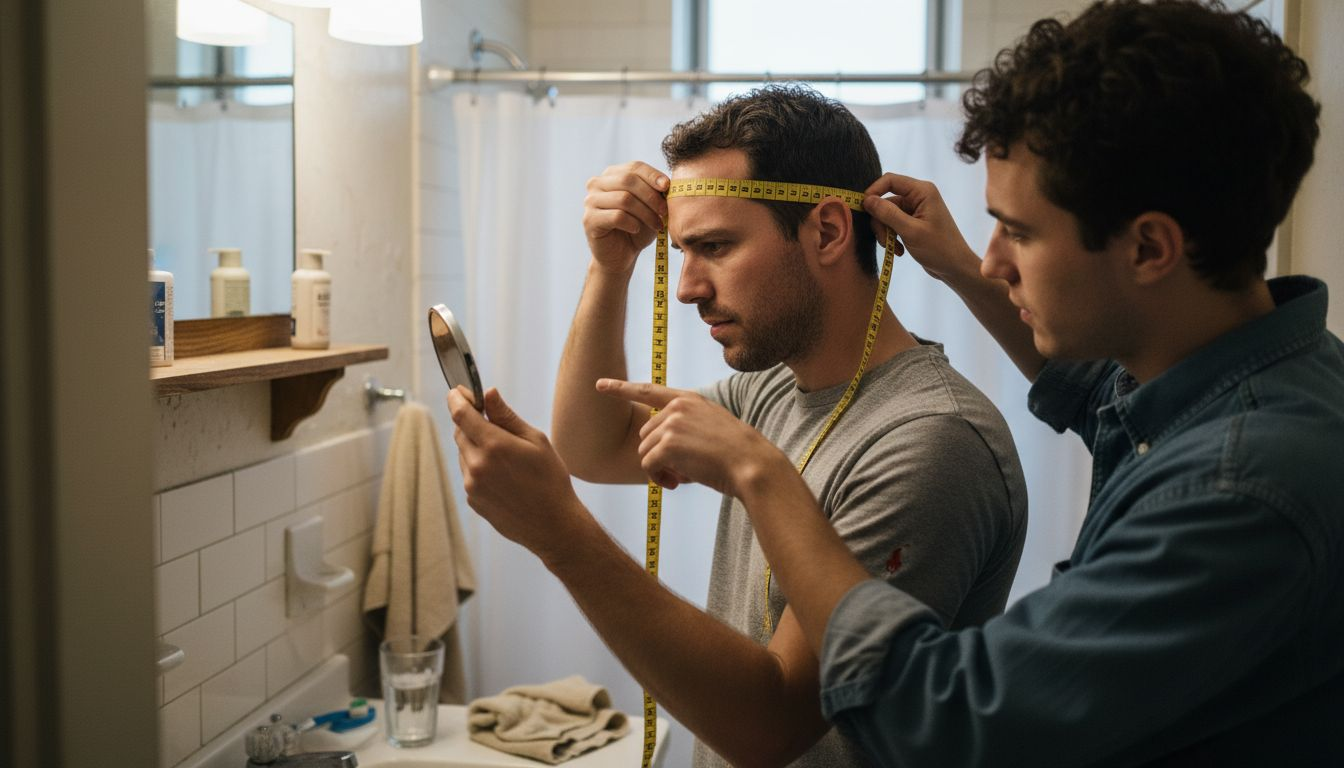
To accurately determine your head size, you’ll need a flexible measuring tape and a mirror. Here’s how to measure your head correctly:
- Position the tape measure about one inch above your eyebrows
- Wrap the tape around the widest part of your head
- Keep the tape snug but not tight
- Measure in both inches and centimeters for versatility
Head shapes generally fall into several categories: oval, round, square, heart-shaped, and oblong. To identify your shape, look at your face in a mirror and compare its proportions:
The following table summarizes head shapes and hat styles that typically complement each:
| Head Shape | Flattering Hat Styles | Tips for Best Look |
|---|---|---|
| Oval | Most styles suit well | Try brims of any width |
| Round | Angled, high-crown hats | Avoid round, flat-tops |
| Square | Curved brims, soft shapes | Add height with crowns |
| Heart-Shaped | Medium brims, teardrop crowns | Avoid wide crowns |
| Oblong | Wide brims, low crowns | Steer clear of tall shapes |
- Oval: Balanced, slightly wider cheekbones
- Round: Similar width and length, soft angles
- Square: Strong jawline, broad forehead
- Heart-shaped: Wide forehead, narrow chin
- Oblong: Longer than wider, angular features
Understanding your head shape helps select hats that complement your natural proportions and enhance your personal style.
Pro tip: Ask a friend to help measure for the most accurate results, as it can be challenging to position the tape perfectly by yourself.
Step 2: Identify your style preferences and occasions
Selecting the perfect hat requires more than just measurements - it demands understanding your personal aesthetic and lifestyle needs. Aligning hat choice with personal style ensures your headwear truly reflects your unique personality.
Start by analyzing your existing wardrobe and typical weekly activities. Different occasions call for different hat styles:
- Casual Everyday Wear: Baseball caps, beanies, dad hats
- Professional Settings: Fedoras, trilby hats, structured caps
- Outdoor Activities: Wide-brim sun hats, performance athletic caps
- Formal Events: Dress hats, elegant fedoras, sophisticated berets
- Athletic Pursuits: Performance sports caps, moisture-wicking designs
Consider these key factors when matching hats to your style:
- Color palette of your typical outfits
- Personal comfort preferences
- Climate and local weather conditions
- Frequency of different social or professional scenarios
- Your body type and face shape
Your hat is more than an accessory - it’s a statement of personal expression that communicates your individual style narrative.
Pro tip: Create a digital mood board or take smartphone photos of potential hat styles to visualize how they’ll integrate with your existing wardrobe.
Step 3: Explore suitable hat types and materials
Understanding the nuanced world of hat materials and styles is crucial for finding your perfect headwear. Exploring fabrics that are most commonly used to make hats will help you make an informed decision that balances comfort, durability, and personal style.
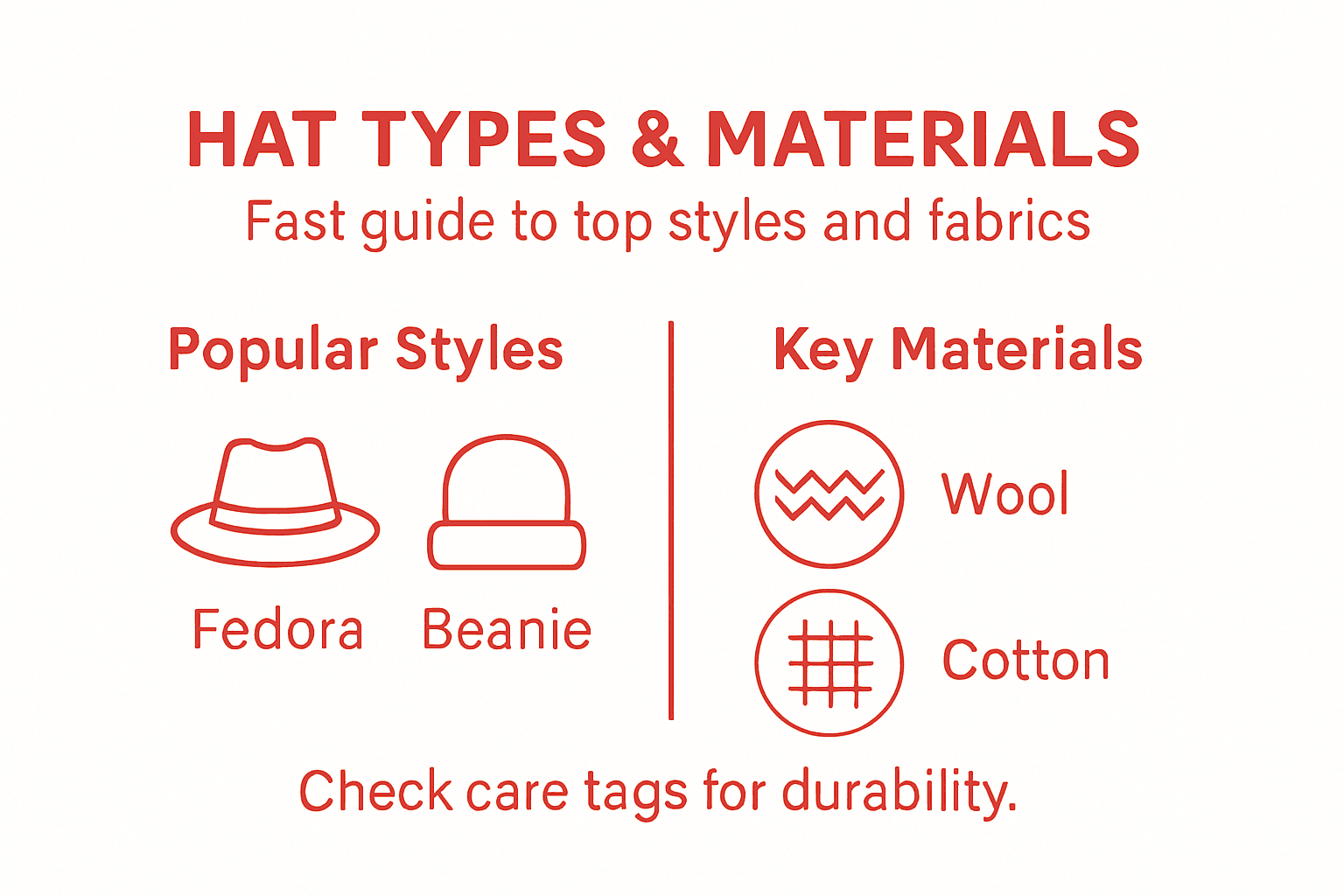
Hat materials significantly impact performance, appearance, and wearability. Key materials to consider include:
-
Natural Fibers:
- Cotton: Breathable, lightweight
- Wool: Warm, water-resistant
- Linen: Cool, perfect for summer
- Felt: Structured, classic look
-
Synthetic Materials:
- Polyester: Durable, quick-drying
- Nylon: Lightweight, water-resistant
- Acrylic: Soft, warm alternative to wool
Consider these factors when selecting hat materials:
Here is a quick reference comparing common hat materials and their best uses:
| Material | Key Benefit | Ideal Climate |
|---|---|---|
| Cotton | Breathable, soft feel | Warm-weather |
| Wool | Excellent insulation | Cold, damp |
| Linen | Lightweight, cool fit | Hot, summer |
| Felt | Structured, dressier | Moderate |
| Polyester | Dries quickly | Variable, active |
| Nylon | Water resistance | Wet, outdoor |
| Acrylic | Soft, retains warmth | Cold, synthetic |
- Climate and typical weather conditions
- Intended use (casual, sports, formal)
- Maintenance requirements
- Skin sensitivity
- Personal comfort preferences
The right hat material transforms a simple accessory into a statement piece that reflects your individual personality and practical needs.
Pro tip: Always check the care label and consider purchasing a fabric protector spray to extend the life of your favorite hats.
Step 4: Evaluate quality and craftsmanship details
Discerning the true quality of a hat requires more than a casual glance. Understanding headwear craftsmanship principles can help you distinguish between a mediocre purchase and an investment piece that will serve you for years.
When examining hat craftsmanship, focus on these critical quality indicators:
-
Stitching Quality:
- Tight, even stitches
- No loose threads or uneven seams
- Reinforced stress points
-
Material Integrity:
- Consistent fabric texture
- No visible wear or thin spots
- Proper grain and alignment
Key areas to inspect during your evaluation include:
- Seam construction and finishing
- Lining quality and attachment
- Brim stability and shape retention
- Edge finishing and trim details
- Overall symmetry and balance
Exceptional craftsmanship transforms a simple hat from a functional item into a personal statement that communicates your attention to detail and style.
Pro tip: Turn the hat inside out and examine the interior construction - the hidden details often reveal the true quality of the craftsmanship.
Step 5: Test fit and finalize your selection
The moment of truth arrives when you try on your potential hat and determine whether it truly complements your style and meets your comfort expectations. Careful fit testing ensures you make a confident, satisfying purchase that will become a cherished part of your wardrobe.
When testing your hat, pay attention to these critical fit parameters:
-
Comfort Indicators:
- No pinching around the temples
- Secure but not tight band
- Even weight distribution
- No pressure points
-
Mobility and Positioning:
- Hat stays in place during movement
- Can tilt or adjust without falling
- Allows natural head rotation
- Doesn’t obstruct vision
Step-by-step fit assessment process:
- Stand in front of a full-length mirror
- Adjust hat to your preferred angle
- Move your head in different directions
- Check side and front profiles
- Assess overall visual balance
A perfectly fitted hat becomes an extension of your personal style, enhancing your appearance with subtle sophistication.
Pro tip: Walk around, shake your head slightly, and bend forward to simulate real-world movements and ensure the hat maintains its position comfortably.
Discover Your Perfect Hat with Urban Caps Today
Choosing the right hat goes beyond simple measurements or styles. The challenge lies in finding headwear that perfectly fits your unique head shape and size while matching your personal style and lifestyle needs. Whether you struggle to identify flattering hat types for your face shape or need help selecting materials that suit your local climate, Urban Caps is your trusted partner in solving these challenges with premium craftsmanship and diverse styles.

Explore our wide selection of caps, fedoras, beanies, and more to express your personality confidently. Designed with durable fabrics and precise construction to support everyday wear and your active lifestyle, our collection ensures you not only look great but feel comfortable all day long. Visit Urban Caps now to find your perfect fit and style with fast New Zealand delivery and local support. Don’t settle for ordinary when you can choose quality that lasts.
Frequently Asked Questions
How do I measure my head size for a hat?
To measure your head size accurately, use a flexible measuring tape and wrap it around the widest part of your head, about one inch above your eyebrows. Ensure the tape is snug but not tight, and record your measurement in both inches and centimeters.
What are the best hat styles for different face shapes?
Different hat styles complement various face shapes. For example, oval faces look good in most styles, while round faces benefit from angled hats. Identify your face shape and explore styles that enhance your features.
How do I choose the right material for my hat?
Selecting the right hat material depends on climate and intended use. For instance, cotton is great for warm weather while wool provides warmth in colder conditions. Evaluate the climate and your comfort preferences before making a choice.
What quality features should I look for in a hat?
When assessing hat quality, examine stitching, material integrity, and overall craftsmanship. Ensure there are tight, even stitches with no loose threads, and look for consistent fabric texture without visible wear.
How can I ensure a proper fit when trying on a hat?
To ensure a proper fit, check that the hat feels secure without pinching or creating pressure points. Adjust the hat to your preferred angle and move your head to see if it stays in place, confirming comfort during various activities.
What types of hats suit casual, professional, and formal settings?
Casual settings often call for baseball caps or beanies, while professional settings may require fedoras or structured caps. For formal events, elegant fedoras or dress hats are ideal. Consider the occasion and your personal style when choosing the right hat.
Recommended
- 7 Must-Know Streetwear Hat Styles for Urban Fashion
- 7 Classic Caps Every Fashion-Forward Kiwi Should Know
- 7 Essential Types of Hats Every Fashion-Forward Kiwi Needs
- Quality Hats: Why They Elevate Everyday Style
- 3 Factors You Need to Consider before Buying a Sun Hat – Troop London
- 7 Essentials for an Effective Streetwear Styling Checklist – MEXESS