

Latest hat trends 2026: your complete style guide
TL;DR:
- The hat trends for 2026 focus on blending heritage styles with streetwear and prioritizing quality materials. Consumers prefer durable, versatile headwear like Merino wool hats and structured cotton caps, reflecting a shift toward sustainability and long-lasting fashion. Local Kiwi culture influences styling choices, emphasizing fit, occasion, and timeless silhouettes suitable for unpredictable weather.
The latest hat trends 2026 are defined by three forces: retro silhouettes making a comeback, streetwear aesthetics going mainstream, and a clear consumer shift toward quality over throwaway fashion. Bucket hats, snapbacks, dad hats, beanies, and structured fedoras all feature prominently this season. New Zealand’s fashion scene reflects these global movements with a distinctly local flavour, shaped by Kiwi climate needs, heritage craft traditions, and a growing preference for durable headwear. With 858 specialised fashion accessories stores operating across NZ as of april 2026, the local market is active and competitive. This guide cuts through the noise and tells you exactly what to wear, why it works, and how to style it.
What are the latest hat trends 2026 in styles and materials?
The dominant headwear styles for 2026 fall into five clear categories: bucket hats, snapbacks, dad hats, trucker caps, and beanies. Each serves a different aesthetic and functional purpose, and knowing which suits your lifestyle makes all the difference.
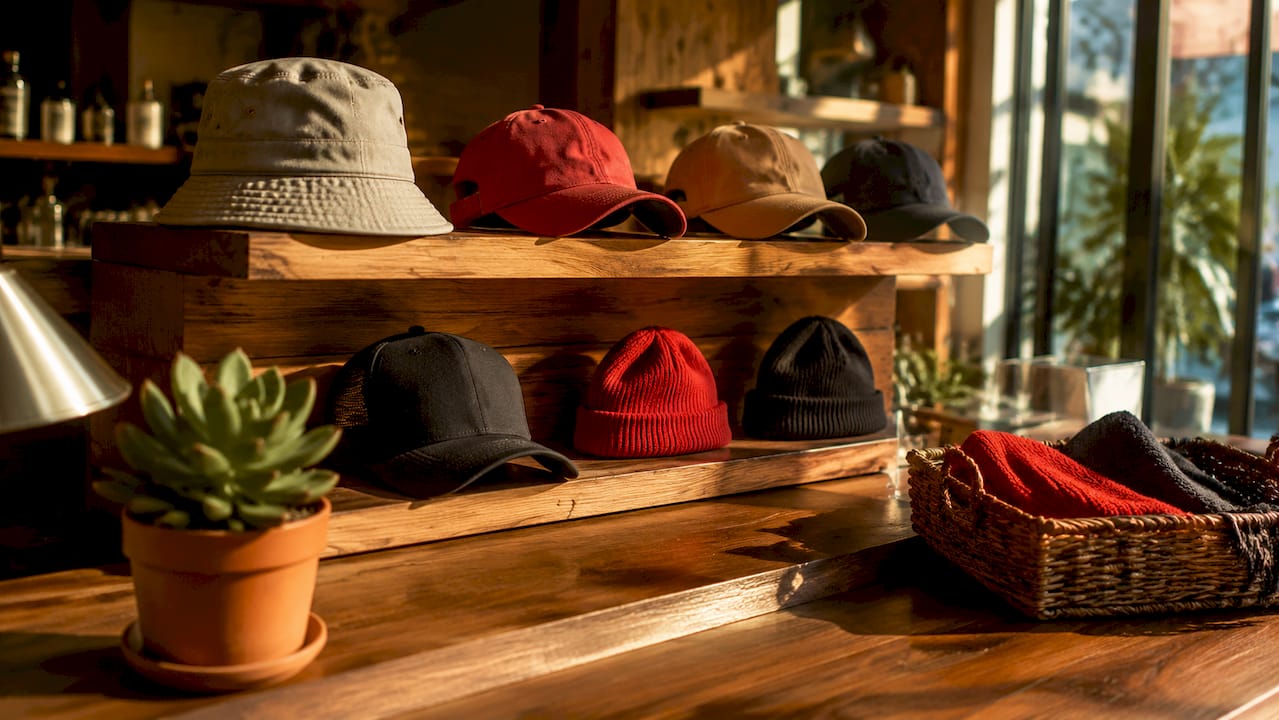
Bucket hats have moved well beyond their 90s revival phase. They now appear in structured canvas, washed cotton, and technical fabrics suited to outdoor wear. Bucket hats provide superior sun coverage and wind retention compared to standard caps, making them a practical choice for NZ’s coastal conditions. The style works across casual streetwear and beach outings alike.
Snapbacks and 5-panel caps remain the go-to for streetwear fans. Snapbacks hold their shape well due to their structured front panels and flat brims, which is why skaters and urban style followers keep returning to them. The adjustable snap closure also means one size genuinely fits most heads.
Dad hats offer the softer, unstructured alternative. Their low profile and curved brim suit a wider range of face shapes and feel less deliberate than a snapback. They pair well with both casual and smart-casual outfits, which explains their staying power across multiple seasons.
Beanies are no longer just cold-weather basics. Fashion knit beanies with ribbed textures, slouch fits, and tonal colourways have become year-round style pieces in NZ. They layer well under hoods and work with everything from puffer jackets to light merino knitwear.
Materials driving the 2026 headwear season
Material choice separates a hat that looks good from one that performs. Merino wool with superfine fibres under 18 microns is the top choice for NZ performance headwear. It wicks moisture, resists odour, and stays comfortable across a wide temperature range. That makes it ideal for Kiwi weather, which can shift from warm sun to cool wind within an hour.
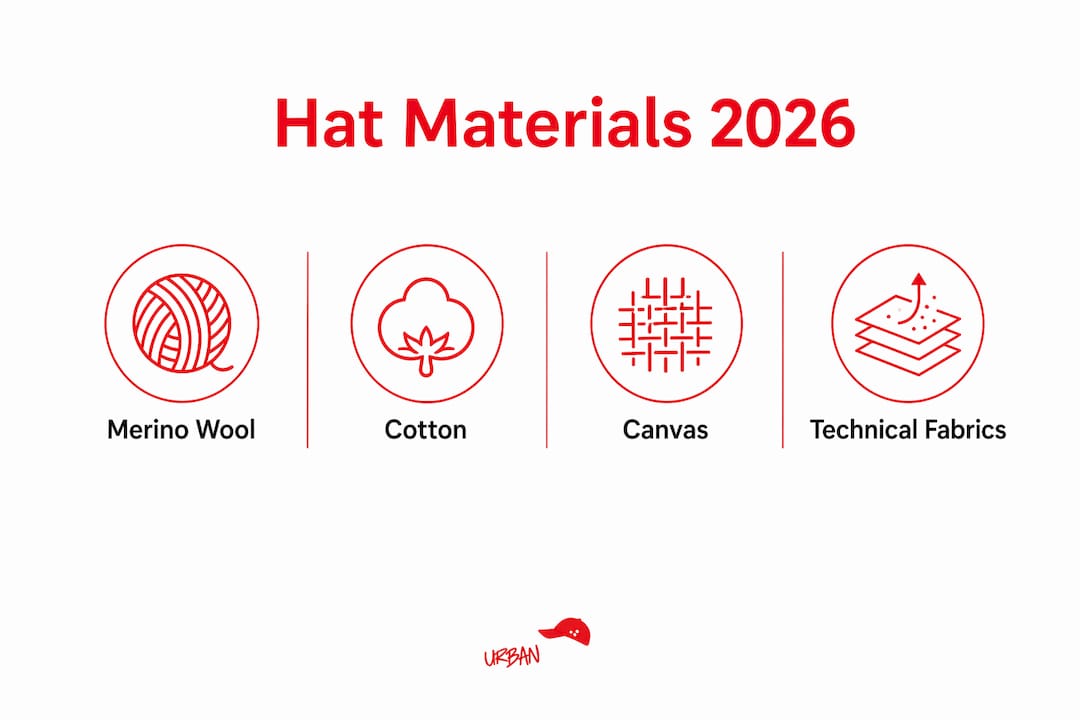
Cotton remains the most popular choice for structured caps. It breathes well, takes dye evenly, and holds its shape through regular wear. Quick-dry synthetics are gaining ground in the outdoor and active wear segment, particularly for trucker caps and bucket hats used in high-UV coastal environments.
One detail worth knowing: airflow and fabric type affect comfort more than colour when you are wearing a hat in direct sun. Dark colours do absorb more heat, but a well-ventilated mesh panel or open-weave fabric compensates significantly.
| Style | Material | Best for |
|---|---|---|
| Bucket hat | Canvas, technical fabric | Outdoor, beach, coastal |
| Snapback | Structured cotton, polyester | Streetwear, casual urban |
| Dad hat | Washed cotton, twill | Everyday, smart-casual |
| Beanie | Merino wool, cotton knit | Cool weather, layered looks |
| Fedora | Wool felt, straw | Heritage, dressier occasions |
Pro Tip: When buying for NZ conditions, prioritise hats with mesh panels or open-weave construction if you spend time outdoors. Style and sun protection are not mutually exclusive.
How do heritage and streetwear influences shape 2026 hat fashion in New Zealand?
NZ fashion identity in 2026 is built on a clear tension between the old and the new. Heritage styles, think flat caps, wool fedoras, and structured trilbies, are being reinterpreted through a streetwear lens. The result is headwear that feels both grounded and current.
NZ designers identify 2026 fashion as a fusion of heritage and streetwear, with hats playing a central role in how people express confidence and complement their face shapes. That is a significant shift from treating headwear as purely functional. A hat is now a statement piece.
“NZ fashion identity in 2026 is characterised by blending heritage pieces with modern streetwear for authentic personal style. The hat you choose signals where you sit on that spectrum, and the best choices sit comfortably across both worlds.”
The role of headwear in streetwear culture has grown considerably in NZ, with caps and beanies functioning as identity markers rather than accessories. This mirrors global trends driven by hip-hop and skate culture, which have long used headwear to signal community and personal values. Understanding how hip-hop style shapes fashion helps explain why snapbacks and 5-panels carry such cultural weight in 2026.
Heritage styles bring a different kind of authority. The flat cap, for example, draws on working-class British and Australian traditions but now appears in premium wool blends worn by fashion-forward Kiwis in urban settings. The heritage hat tradition in NZ runs deep, and designers are tapping into that history to create pieces that feel timeless rather than trend-dependent.
The practical outcome for you is that mixing a heritage-style hat with a contemporary outfit creates a look that is harder to date. A wool flat cap with a clean white tee and dark denim works in 2026 and will still work in 2030. That longevity is part of the appeal, and it aligns directly with where the broader market is heading.
What industry and consumer trends are shaping hat purchasing in 2026?
The NZ apparel market is under real pressure. Apparel sales volumes declined by 7.8% in the first half of 2026. That figure reflects a market where consumers are buying less but spending more carefully on what they do buy.
This shift is not just about tighter budgets. It reflects a genuine change in values. Shoppers are asking harder questions about where a product is made, how long it will last, and whether it can be repaired. Headwear, with its relatively simple construction, is well placed to benefit from this trend. A quality hat bought once outlasts three cheap ones bought across the same period.
Sustainability is now a pricing factor, not just a marketing claim. Fast-fashion retail prices in NZ may increase between 7% and 11% by 2038 under a high-ambition product stewardship scheme. That projection is already influencing how retailers and consumers think about value. Buying a durable, repairable hat now is a hedge against those future price increases.
Industry leaders advocate future-fit strategies built on quality, transparency, repairability, and advanced local manufacturing. That language is filtering into how premium headwear brands position themselves. Consumers who align with those values are the ones driving the quality-over-quantity trend.
Key consumer and industry trend drivers for 2026:
- Sales volume decline pushing buyers toward fewer, better purchases
- Sustainability schemes making fast fashion more expensive over time
- Local manufacturing support growing as consumers prioritise NZ-made products
- Repairability and durability becoming genuine purchase criteria, not just aspirational ones
- Heritage and craft quality gaining ground over mass-produced alternatives
- Transparency in materials becoming a baseline expectation, not a premium feature
Pro Tip: When investing in a hat this season, check the fabric composition label. A hat made from Merino wool or structured cotton will outlast a polyester blend by years, and it will look better doing it.
How can you style the latest headwear trends for 2026 effectively?
Styling a hat well comes down to three things: face shape, outfit balance, and occasion. Get those right and the hat works. Get them wrong and even a great hat looks out of place.
Hats carry deep cultural significance in Kiwi life, and that context shapes how they are worn. A flat cap worn to a weekend market reads differently to the same cap worn to a gallery opening, even though the hat is identical. Context is everything.
NZ’s UV environment adds a practical layer to every styling decision. UV protection is a genuine health consideration in NZ, where UV index levels regularly reach extreme ratings. A wide-brimmed hat or bucket hat is not just a style choice here. It is a sensible one.
Here are eight practical styling tips for 2026’s top headwear trends:
- Match brim width to outfit structure. Wide-brimmed hats suit relaxed, flowing outfits. Narrow-brimmed caps and snapbacks suit structured, fitted clothing.
- Use face shape as your starting point. Oval faces suit almost any hat. Round faces benefit from taller crowns and narrower brims. Square faces suit softer, rounded styles like bucket hats or beanies.
- Treat the hat as the focal point. If your hat is bold in colour or texture, keep the rest of your outfit neutral. A statement hat does not need competition.
- Layer beanies with intention. A slouch beanie worn slightly back on the head reads casual and relaxed. Pulled down to the brow reads more urban and deliberate. Both work. Choose based on the look you want.
- Wear heritage styles with modern basics. A wool flat cap or fedora pairs best with clean, simple clothing. Avoid over-styling. The hat carries the look.
- Consider seasonal colour palettes. Earthy tones, olive, rust, and camel, dominate 2026 headwear. They work across seasons and pair with the neutral wardrobe staples most Kiwis already own.
- Choose versatile styles first. If you are building a hat wardrobe, start with a dad hat or bucket hat in a neutral colour. Both styles cross multiple outfit categories and occasions.
- Prioritise fit above all else. A well-fitted hat in a basic style looks better than a poorly fitted hat in a premium one. Most quality hats offer adjustable closures or come in multiple sizes for this reason.
For fashion-forward Kiwis looking for stylish headwear examples to spark outfit ideas, the combination of a neutral bucket hat with an oversized linen shirt and straight-leg jeans is one of the cleanest looks of the season. It is effortless, practical, and works from the beach to the café.
My take on where NZ hat fashion is actually heading
Hat fashion in NZ is at an interesting point. The global trend cycle is moving fast, but the local market is pushing back with something more considered. I have watched Kiwi style evolve over many years, and what is happening in 2026 feels genuinely different from the trend-chasing of the previous decade.
The fusion of heritage and streetwear is not just an aesthetic choice. It reflects a broader cultural confidence. Kiwis are less interested in copying overseas trends wholesale and more interested in adapting them to fit local identity and conditions. A snapback worn with a merino layer and trail boots is not a contradiction. It is a distinctly NZ solution to the problem of looking good in unpredictable weather.
What I find most encouraging is the shift toward quality. The market data backs it up, but I see it in how people talk about their hats too. There is more interest in provenance, in knowing what a hat is made from and how it was constructed. That is a healthy development for the industry and for consumers.
My honest advice is this: do not buy a hat because it is trending. Buy it because it works for your face, your wardrobe, and your life. The best hat trends are the ones you can still wear confidently in three years. In 2026, the styles that meet that test are the ones rooted in quality materials and timeless silhouettes, not the ones chasing a moment.
— Urban
Urbancaps has the hats that match 2026’s best trends
Urbancaps stocks a carefully selected range of headwear that reflects exactly what is working in 2026: quality materials, timeless silhouettes, and styles that cross occasions without effort.

The fashion knit beanie is one of the standout pieces this season, combining a clean ribbed texture with a versatile fit that works for men and women. For those drawn to heritage styling, the jazz-style fedora delivers a structured, classic look that pairs with both casual and dressier outfits. Urbancaps ships free across NZ and is proudly Kiwi-owned and operated. Browse the full collection and find the hat that fits your 2026 style.
FAQ
What hat styles are trending in 2026?
Bucket hats, snapbacks, dad hats, beanies, and structured fedoras are the dominant styles in 2026. Heritage-inspired silhouettes worn with modern streetwear outfits define the season’s strongest looks.
What materials are best for NZ headwear in 2026?
Merino wool with superfine fibres under 18 microns is the top choice for performance and comfort. Structured cotton and quick-dry synthetics are preferred for outdoor and active wear caps.
Why are consumers buying fewer but better hats in 2026?
Apparel sales volumes in NZ declined by 7.8% in the first half of 2026, reflecting a market shift toward quality over quantity. Consumers are prioritising durable, repairable headwear over fast-fashion alternatives.
How do I choose a hat that suits my face shape?
Oval faces suit most hat styles. Round faces benefit from taller crowns and narrower brims, while square faces look best in softer styles like bucket hats or beanies.
Will fast-fashion hat prices increase in NZ?
Fast-fashion retail prices in NZ are projected to rise between 7% and 11% by 2038 under a product stewardship scheme. Investing in a quality hat now is a practical way to avoid those future cost increases.
Key takeaways
The strongest headwear choices for 2026 combine quality materials, heritage-influenced silhouettes, and versatile styling that works across NZ’s varied conditions and occasions.
| Point | Details |
|---|---|
| Top styles for 2026 | Bucket hats, snapbacks, dad hats, beanies, and fedoras lead the season’s headwear trends. |
| Material matters most | Merino wool under 18 microns and structured cotton outperform cheap synthetics in comfort and longevity. |
| Quality over quantity | NZ apparel sales fell 7.8% in early 2026, signalling a clear consumer shift toward fewer, better purchases. |
| Heritage meets streetwear | Mixing classic silhouettes with modern outfits creates looks that stay relevant beyond a single season. |
| Sustainability drives value | Fast-fashion prices are projected to rise 7–11% by 2038, making durable hats a sound long-term investment. |