


The role of craftsmanship in headwear: why it matters
TL;DR:
- Craftsmanship in headwear relies on skilled, manual techniques like hand-blocking and precise stitching. It ensures hats are durable, well-fitting, and culturally meaningful, especially in regions with deep artisan traditions. Modern technology supports but does not replace the human expertise that preserves quality and authenticity.
Craftsmanship in headwear is the skilled art of designing and producing hats by hand, involving meticulous attention to detail that sets premium headwear apart from mass-produced alternatives. The role of craftsmanship in headwear reaches far beyond aesthetics. It determines how a hat fits, how long it lasts, and what it says about the person wearing it. In New Zealand and Australia, where local manufacturing traditions run deep, artisan hat-making connects fashion to cultural identity in ways that no factory line can replicate. Urbancaps recognises this connection, stocking headwear that reflects genuine quality and considered design for customers who care about what they wear.
What traditional skills and techniques define quality craftsmanship in hats?
Quality craftsmanship in hat-making rests on a set of manual skills that take years to develop. Milliners, the industry term for hat makers, rely on hand-blocking, precise stitching, material selection, and finishing work to produce headwear that holds its shape and character over time. Each of these skills contributes something distinct to the final product.
The core skills behind artisan hat-making
Hand-blocking is the process of shaping a hat over a wooden or metal form using steam and pressure. It gives a hat its structure and ensures the crown and brim sit correctly. Stitching, whether by hand or guided by a skilled operator, determines how seams hold under wear. Trim work, which includes adding ribbons, bands, linings, and decorative elements, requires both an eye for proportion and steady hands.
Material selection is equally critical. Wool felt, straw, cotton canvas, and leather each behave differently under heat, moisture, and pressure. A skilled milliner reads the material and adjusts their technique accordingly. Getting this wrong produces a hat that warps, shrinks, or loses its shape after a single season.
- Hand-blocking: Shapes the crown and brim using steam over a wooden form
- Close-twining stitching: A technique drawn from Māori textile traditions, creating tight, interlocking rows that produce exceptional structural strength
- Material finishing: Includes steaming, brushing, and pressing to achieve a clean surface
- Lining and trim: Adds comfort, structure, and visual identity to the interior and exterior
- Brim binding: Secures the edge of the brim with ribbon or leather to prevent fraying
Traditional Māori weaving techniques, particularly close-twining, require deep mental focus and cultural knowledge to execute correctly. This stitch was historically used to create warrior cloaks so tightly woven they were impenetrable. The same principle applies to quality headwear: the density and consistency of the stitch determines the durability and character of the finished piece. Mass production cannot replicate the concentration and cultural knowledge that underpin this level of work.
Pro Tip: When assessing a hat’s craftsmanship, turn it inside out. A well-made hat will have clean, even stitching along the sweatband and lining, with no loose threads or uneven seams. That interior finish tells you everything about how the rest of the hat was made.
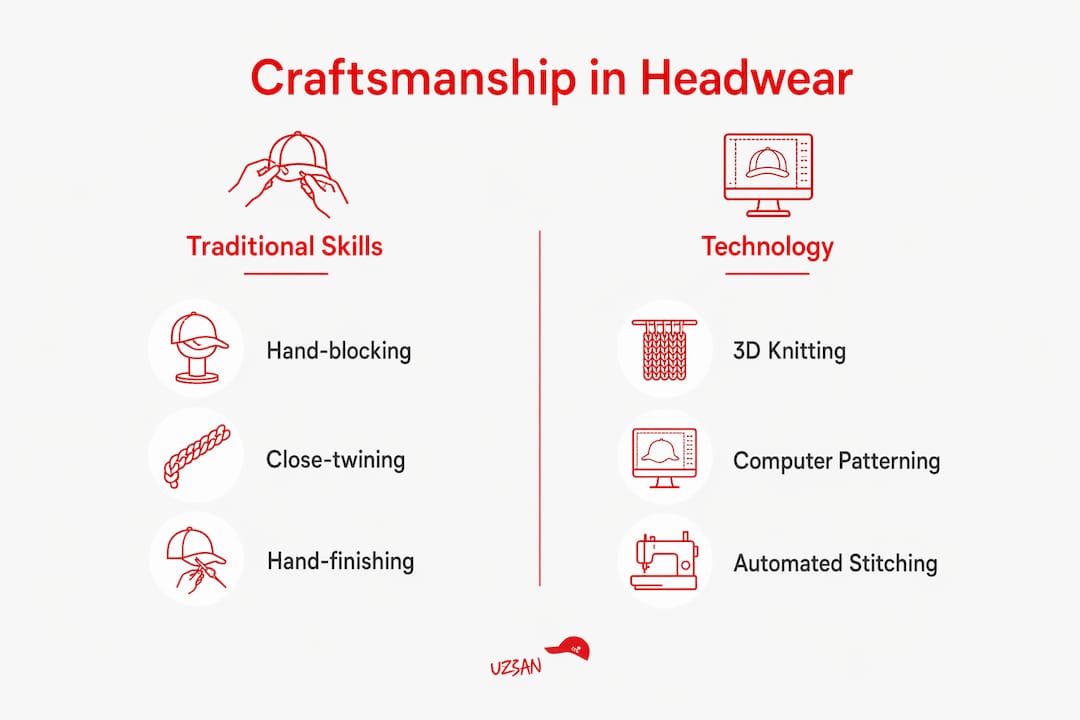
The cultural identity in headwear runs through every artisan technique. When a hat carries the marks of hand-finishing, it carries a story that a machine-stamped product simply does not.
How is modern technology influencing the role of craftsmanship in headwear production?
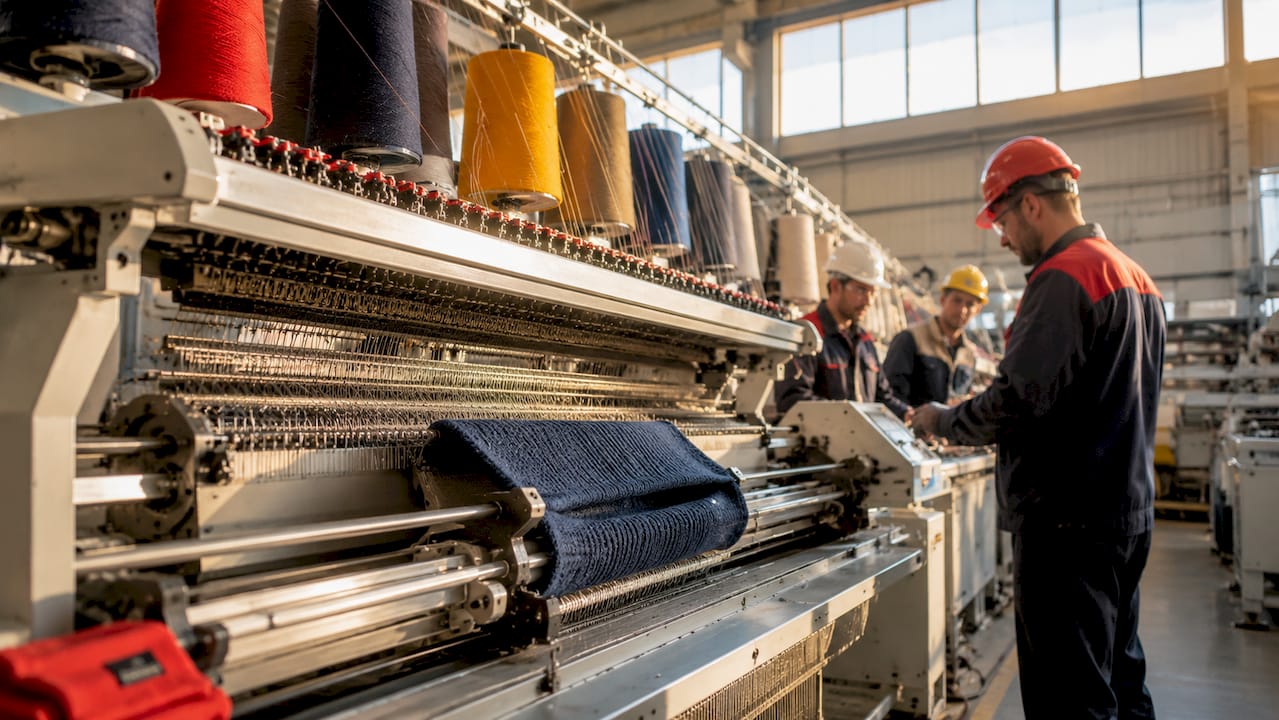
Technology is reshaping how artisan headwear is made, but it has not replaced the skilled hand. The most significant development in recent years is computerised 3D knitting, which allows domestic producers to create complex, high-end headwear with minimal manual intervention at the production stage. This technology enables local manufacturers to compete economically without abandoning quality.
Technology as a tool, not a replacement
Computerised knitting machines can produce intricate patterns and consistent tension across every unit. What they cannot do is make the judgement calls that a skilled artisan makes: adjusting for a particular batch of wool, correcting a tension inconsistency mid-run, or deciding that a brim needs an extra pass of steam. Those decisions still require human expertise. Technology reduces the labour share in production costs, but it concentrates the remaining human input at the quality control and design stages, where skill matters most.
Labour costs now represent a smaller proportion of total production costs for manufacturers using advanced knitting technology. That shift makes locally produced, high-end headwear economically viable in a way it was not a decade ago. For New Zealand producers, this is significant. It means a premium knit beanie or structured cap can be made domestically and still reach the market at a competitive price.
| Method | Strengths | Limitations |
|---|---|---|
| Fully handmade | Unique finish, cultural depth, bespoke fit | Higher cost, slower production, skill-dependent |
| Technology-assisted | Consistent quality, lower unit cost, scalable | Requires skilled oversight, less individual character |
| Mass production | Low cost, high volume | No artisan quality, limited durability, no provenance |
Pro Tip: Look for headwear described as “technology-assisted” or “locally finished” rather than purely “handmade” or “imported.” The best modern pieces combine machine precision with artisan finishing, giving you consistency and character in the same hat.
The ‘Made in NZ’ model is transitioning toward a boutique, high-end approach where quality control and traceability are the competitive edges. Technology enables that model. It does not replace the artisan. It gives the artisan more time to focus on what machines cannot do.
Why does craftsmanship in headwear matter to consumers and the fashion industry?
Consumers increasingly seek authenticity, provenance, and quality in the headwear they buy. This shift is not a passing trend. It reflects a broader change in how people think about what they wear and where it comes from. Consumer demand for authenticity has pushed fashion brands to be more transparent about their production methods, materials, and origins.
What craftsmanship gives a hat that mass production cannot
A handcrafted hat carries physical evidence of the decisions made during its production. The way the brim curves, the tension of the sweatband, the finish on the crown. These details accumulate into a product that feels considered rather than generic. Mass production optimises for speed and volume. Artisan production optimises for quality and character.
The importance of craftsmanship in hats also shows up in longevity. A well-blocked wool felt fedora, properly cared for, will outlast a dozen cheap alternatives. That durability has real value, both financially and environmentally. Buying one well-made hat instead of three disposable ones reduces waste and supports the kind of production that respects materials and labour.
- Authenticity: Artisan headwear carries provenance. You can trace where it was made and by whom.
- Uniqueness: Minor variations in handmade pieces mean no two are identical. That individuality is part of the appeal.
- Durability: Quality materials and skilled construction produce hats that hold their shape and finish over years of wear.
- Cultural value: Heritage techniques connect a hat to a tradition, giving it meaning beyond its function.
- Sustainability: Buying fewer, better-made pieces reduces the environmental cost of fashion consumption.
The role of hats in fashion has always been tied to self-expression. Craftsmanship amplifies that. When a hat is made with skill and intention, wearing it becomes a statement about what you value. That is something a mass-produced cap cannot offer, regardless of its branding.
Fashion & Textiles NZ advocates that future manufacturing must focus on transparency, provenance, and high-end skill to meet what consumers now expect. That position reflects where the market is heading, not where it has been.
What challenges do local headwear artisans face and how can craftsmanship be preserved?
The artisan headwear sector in New Zealand faces a structural problem that has been building for decades. New Zealand’s fashion manufacturing workforce has contracted from 110,000 workers to around 9,500. That collapse represents not just job losses but the disappearance of accumulated skills, knowledge networks, and production infrastructure.
The skills at risk and what their loss means
The workers most at risk are specialists: patternmakers, dyers, hand-finishers, and experienced milliners. These are not roles that can be filled quickly. Training a skilled patternmaker takes years. Once that knowledge leaves the workforce, rebuilding it requires deliberate investment in education and apprenticeship. The loss of skilled artisans like patternmakers and dyers threatens the entire ecosystem needed to sustain local production.
New Zealand produces abundant raw wool but exports most of it unprocessed, while importing over 80% of woollen apparel. That gap represents a significant missed opportunity. The raw material for world-class headwear is grown here. The skills and infrastructure to turn it into premium products are what need rebuilding.
| Challenge | Impact | Potential response |
|---|---|---|
| Workforce contraction | Fewer skilled artisans available | Invest in apprenticeships and trade training |
| Raw material export | Value added offshore, not locally | Support domestic processing and finishing |
| Skill specialisation loss | Patternmakers and dyers disappearing | Document techniques, fund knowledge transfer |
| Consumer price sensitivity | Artisan products undercut by imports | Educate consumers on provenance and durability |
Future-focused manufacturing requires a shift from competing on volume and price to competing on specialisation, transparency, and skill. That is a viable path for New Zealand headwear producers, but it requires consumers to actively choose locally made products and brands to communicate clearly about why provenance matters.
Supporting local artisans is one of the most direct ways to keep these skills alive. Buying from producers who are transparent about their methods, materials, and origins sends a clear market signal. Brands like Urbancaps, which prioritise quality and local relevance, contribute to that ecosystem. You can read more about why supporting local hatmakers matters for the wider craft community.
For those interested in what locally crafted headwear looks like in practice, the Hotfixer baseball cap from DevHero is a good example of a locally produced piece that reflects considered construction and material choice.
Key takeaways
Craftsmanship in headwear is the defining factor between a hat that lasts years and one that fails within a season, and preserving artisan skills requires deliberate consumer choices and industry investment.
| Point | Details |
|---|---|
| Artisan skills are irreplaceable | Hand-blocking, close-twining, and finishing work produce quality no machine can fully replicate. |
| Technology supports, not replaces | Computerised 3D knitting reduces costs but still depends on skilled human oversight for quality. |
| Consumer choices drive preservation | Buying locally made, provenance-backed headwear keeps artisan skills and ecosystems viable. |
| NZ workforce has contracted sharply | The fashion manufacturing workforce dropped from 110,000 to 9,500, making remaining skills precious. |
| Raw material value is lost offshore | Over 80% of woollen apparel sold in NZ is imported despite abundant local wool production. |
Craftsmanship is the part of a hat you feel before you see it
I’ve handled a lot of hats over the years, and the difference between a well-made piece and a cheap one is obvious the moment you pick it up. The weight sits differently. The brim holds its curve. The sweatband feels like it was cut for a person, not a production quota. That tactile quality is what craftsmanship actually means in practice.
What I find most interesting is how technology has changed the conversation without ending it. People assumed computerised production would make artisan skill irrelevant. Instead, it has concentrated that skill at the points where it matters most: design, quality control, and finishing. The machines handle repetition. The artisan handles judgement.
The cultural dimension is the part most fashion commentary misses. Techniques like Māori close-twining are not just methods. They are forms of knowledge that took generations to develop and that carry meaning beyond their function. When that knowledge disappears from a manufacturing ecosystem, you cannot simply download it again. That is why the contraction of New Zealand’s fashion workforce is not just an economic story. It is a cultural one.
My honest view is that the headwear market rewards patience. Buy fewer pieces, buy better ones, and pay attention to where they come from. A hat made with genuine skill will outlast trends, outlast cheap alternatives, and tell a more interesting story every time you wear it. That is not nostalgia. That is just good value.
— Urban
Premium headwear crafted with quality you can feel
Urbancaps stocks headwear selected for quality construction, considered design, and lasting wear. Whether you prefer a classic silhouette or something with more character, the range covers styles that hold up to real use.

The Jazz Style Fedora is a standout piece for anyone who wants a hat with genuine structure and a timeless profile. For colder months, the Winter Bonnet Beanie delivers thick-knit warmth with a clean finish that reflects careful construction. Browse the full Urbancaps collection to find headwear that matches your style and your standards. Fast NZ delivery, proudly Kiwi owned and operated.
FAQ
What does craftsmanship mean in hat-making?
Craftsmanship in hat-making refers to the manual skills, techniques, and attention to detail used to produce headwear by hand or with skilled oversight. It includes hand-blocking, precise stitching, material selection, and finishing work that distinguish premium hats from mass-produced alternatives.
How does craftsmanship affect the durability of a hat?
A hat made with quality materials and skilled construction holds its shape and finish far longer than a factory-produced equivalent. Techniques like hand-blocking and close-twining stitching create structural integrity that mass production cannot replicate.
Why is local headwear craftsmanship under threat in New Zealand?
New Zealand’s fashion manufacturing workforce has contracted from 110,000 to around 9,500 workers, leaving a critical shortage of specialist skills like patternmaking and hand-finishing. Without deliberate investment in training and consumer support for local production, these skills risk disappearing entirely.
Can technology and traditional craftsmanship work together?
Computerised 3D knitting and similar technologies reduce production costs and improve consistency, but they still depend on skilled artisans for quality control, design, and finishing. The best modern headwear combines machine precision with human expertise at the stages where judgement matters most.
How can you tell if a hat is well-crafted?
Turn the hat inside out and examine the sweatband stitching, lining finish, and seam consistency. Even stitching, clean edges, and a well-fitted lining are reliable indicators of quality construction. The brim should hold its curve without flexing unevenly under light pressure.