

What defines timeless headwear: a complete guide
TL;DR:
- Timeless headwear features classic shapes, natural materials, and neutral colors that remain relevant across decades. Cultural significance and quality craftsmanship reinforce their lasting appeal and versatility for various settings. Investing in well-made, culturally rooted styles ensures headwear remains functional, stylish, and meaningful over time.
Timeless headwear is defined as any hat or cap that maintains its aesthetic relevance, functional value, and cultural resonance across decades, independent of seasonal trends. The features of classic headwear share three non-negotiable qualities: enduring silhouette, quality construction, and adaptability across contexts. What defines timeless headwear goes beyond looks. A fedora worn in the 1940s carries the same authority today because its proportions, materials, and cultural weight have never stopped making sense. Urbancaps has built its entire collection around this principle, offering Kiwis headwear that earns its place in a wardrobe for years, not just one season.
What defines timeless headwear: design principles that last
The characteristics of timeless hats begin with silhouette. Classic shapes, such as the structured crown of a fedora, the low profile of a flat cap, or the clean dome of a boater, work because they flatter a wide range of face shapes without relying on exaggerated proportions. Classic cuts transcend trends because they are built around human proportion rather than a moment in fashion history. That distinction separates a hat you wear for a decade from one you discard after a single season.
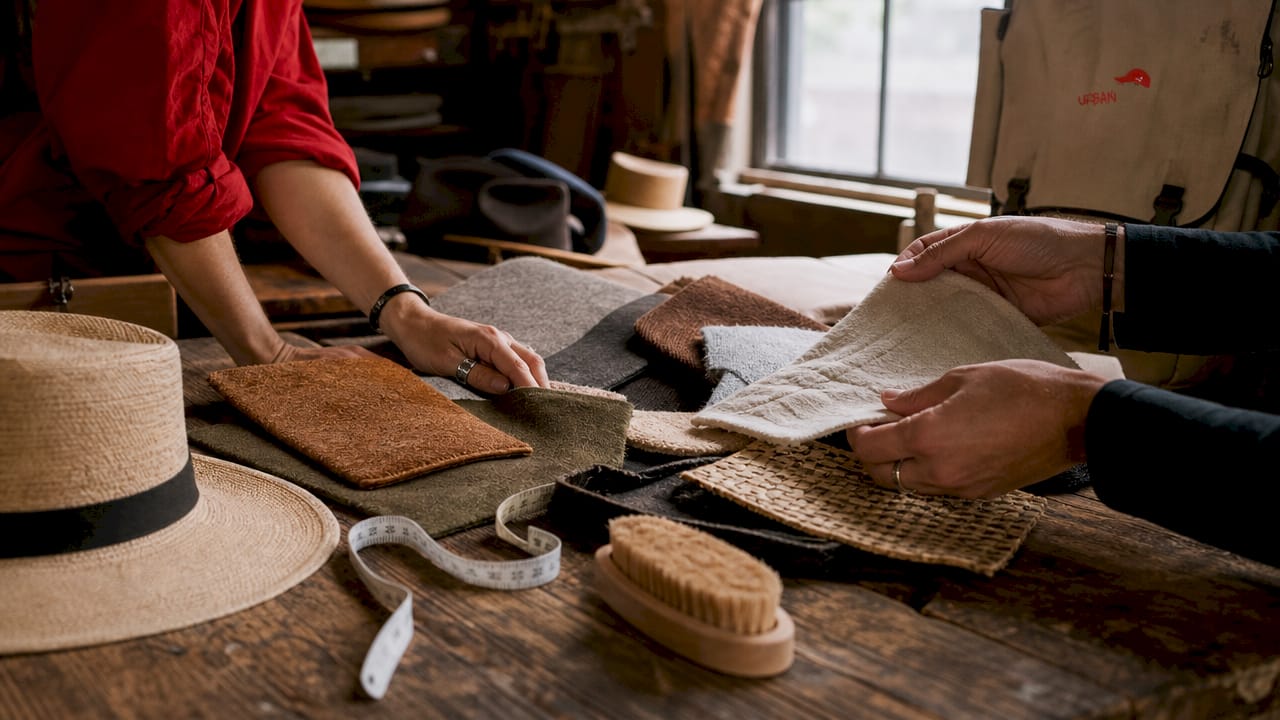
Colour palette is the second defining factor. Timeless headwear favours neutral and earth tones: charcoal, camel, navy, black, and oatmeal. These shades work across wardrobes, seasons, and social settings without clashing. Neutral palettes extend garment life from seasons to decades by removing the risk of a piece feeling dated the moment a colour trend shifts. A camel wool flat cap purchased today will coordinate with outfits you have not yet bought.
Material choice is where timelessness becomes tangible. Wool felt, cotton twill, and woven straw each carry a texture and weight that reads as quality at a glance. These fabrics age well, hold their shape under regular use, and respond to care rather than deteriorating from it. Synthetic alternatives may look similar on a shelf, but they rarely hold up to years of wear or the variable conditions of a New Zealand climate.
Fit and functionality complete the picture. A well-fitted hat sits correctly without constant adjustment, and a well-tailored hat remains flattering regardless of shifting fashion silhouettes. Function matters too: a brim that provides genuine sun protection, a lining that manages warmth, and a construction that survives being packed into a bag all contribute to a hat’s long-term value.
Key features of classic headwear to look for:
- Structured or semi-structured crown that holds its shape through regular wear
- Neutral or earth-tone colour that coordinates across multiple outfits
- Natural fibre construction in wool, cotton, felt, or straw
- Minimal trend-driven detailing such as oversized logos or novelty embellishments
- Adjustable or well-graded sizing for a consistent, comfortable fit
Pro Tip: Avoid any hat with a detail you cannot imagine wearing in five years. Novelty buckles, oversized branding, and season-specific prints are the fastest route to a hat that feels dated.
How does history and culture shape timeless headwear?
The enduring appeal of headwear is not only stylistic. It is deeply connected to cultural identity and social signalling, a tradition dating back centuries. Hats have marked profession, class, religion, and allegiance in ways that clothing rarely could. That weight of meaning does not disappear when a trend cycle ends. It becomes part of why certain styles feel authoritative rather than merely fashionable.
Historically, headwear carried strict social rules. The practice of “hatiquette,” the etiquette governing when and how a hat was worn or removed, reflected social status and identity in ways that were immediately legible to anyone in the room. A homburg signalled formality and civic standing. A flat cap connected its wearer to working-class heritage and sporting culture. These associations did not fade; they became the cultural shorthand that makes these styles feel meaningful today.
“Classic caps connect wearers to sporting or heritage traditions without reliance on fleeting branding. The hat becomes a signal of belonging that transcends any single era.” — RNZ, Hats, Status and Social Rules
Iconic styles carry specific cultural roots worth understanding:
- Homburg: Associated with European diplomacy and formal civic life; worn by figures from Winston Churchill to Al Capone, giving it a weight of authority.
- Flat cap: Rooted in British and Irish working-class culture, later adopted by sporting communities and, more recently, by heritage fashion movements globally.
- Boater: Connected to Edwardian leisure and rowing culture; its rigid brim and ribbon band became symbols of summer formality.
- Fedora: Popularised in early 20th-century America through film and jazz culture, cementing its identity as the hat of the independent, stylish individual.
- Bucket hat: Originally functional outdoor and fishing headwear; adopted by hip hop culture in the late 1980s, which set global fashion trends that persist today.
Emotional and symbolic value reinforces this staying power. Timeless headwear holds cultural or emotional significance and provides a form of self-expression that gives enduring reasons to be loved beyond trends. A hat passed down through a family, or one worn at a significant event, carries a personal history that no seasonal accessory can replicate.
How do sustainability and modern styling keep classic hats relevant?
Sustainability and timeless design are converging. Designers now embrace quality, craftsmanship, and adaptability to meet modern ethical fashion demands, and headwear sits at the centre of that shift. A hat built to last five years produces far less waste than three cheaper hats replaced annually. That logic is driving a genuine return to classic styles among fashion-conscious buyers.
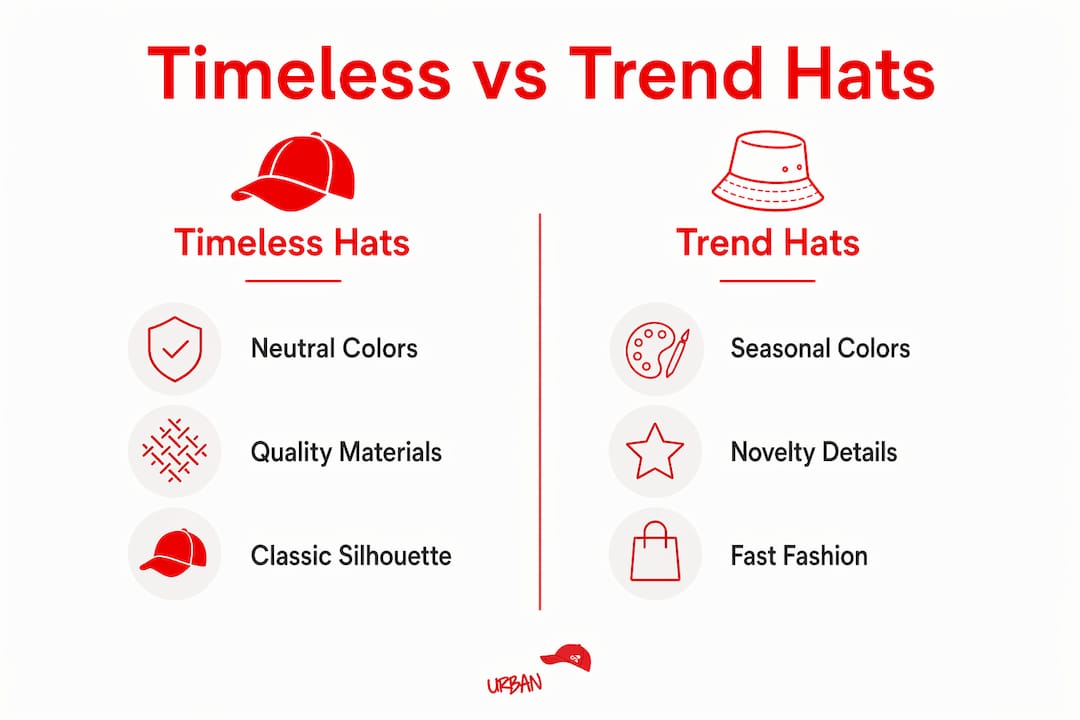
The capsule wardrobe principle makes this concrete. Building a timeless capsule wardrobe includes 70–80% versatile mix-and-match basics, and headwear belongs in that core group. A single quality fedora or flat cap can serve casual weekends, outdoor activities, and dressed-up occasions without needing a replacement for each context. That multifunctionality is exactly what makes a hat worth investing in.
Modern designers keep classics fresh by introducing subtle contemporary twists without compromising the core silhouette. Avoiding on-trend details while focusing on classic shapes and quality construction keeps a design relevant across years. A wool flat cap in a heritage herringbone weave, for example, reads as both traditional and current because the pattern has cultural depth rather than trend dependency.
| Feature | Trend-driven hat | Timeless hat |
|---|---|---|
| Colour palette | Season-specific or novelty | Neutral, earth tone, or classic |
| Material | Synthetic or mixed fibre | Wool, cotton, felt, or straw |
| Detailing | Oversized logos, novelty hardware | Minimal, functional, or heritage-inspired |
| Lifespan | One to two seasons | Five or more years |
| Versatility | Single outfit or occasion | Multiple contexts and wardrobes |
For Kiwis, the NZ climate adds a practical dimension to this conversation. New Zealand’s variable weather demands headwear that performs across sun, wind, and rain. A quality wool felt hat handles cold southerlies and coastal UV alike. That adaptability is not a bonus feature. It is a core reason why durable headwear for NZ style consistently outperforms cheaper seasonal alternatives in real-world use.
Pro Tip: When choosing how to select lasting headwear, ask whether the hat works in at least three different contexts in your life. If you can only picture it in one setting, it is not a timeless piece.
What are the essential timeless headwear styles?
Five styles consistently appear across fashion history as the best styles for enduring headwear. Each earns its place through a combination of functional design, cultural depth, and styling versatility. Understanding what makes each one work helps you choose with confidence rather than guesswork.
-
Fedora. The fedora’s pinched crown and wide brim give it a structure that works from casual to formal. It suits wool felt in cooler months and lightweight straw in summer. The timeless hat styles that resist fleeting trends share this quality: they serve multiple seasons and social settings without modification.
-
Homburg. The homburg sits one step above the fedora in formality, with a stiffer brim and a centre crease rather than a pinched front. Its association with heritage and authority makes it the hat of choice when a fedora feels too casual. Australian wool felt is the traditional material, and it remains the best choice for durability and shape retention.
-
Flat cap. The flat cap’s low profile and rounded shape make it the most versatile of all classic styles. It pairs equally well with jeans and a jacket or a tailored coat. Its heritage roots in British and Irish culture give it an authenticity that modern reproductions in quality tweed or herringbone carry forward convincingly.
-
Boater. The boater is the most season-specific of the classic styles, belonging firmly to warmer months. Its rigid straw construction and grosgrain ribbon band make it a statement piece rather than an everyday workhorse. That specificity is its strength: worn correctly, it signals genuine knowledge of hat culture.
-
Bucket hat. The bucket hat is the most functional of the five, offering 360-degree brim coverage and a packable construction. Its crossover from outdoor utility to streetwear to high fashion makes it uniquely versatile across age groups and contexts.
| Style | Best material | Primary function | Formality level |
|---|---|---|---|
| Fedora | Wool felt, straw | Sun protection, style | Smart casual to formal |
| Homburg | Wool felt | Formal occasions | Formal |
| Flat cap | Tweed, herringbone wool | Everyday wear | Casual to smart casual |
| Boater | Rigid straw | Summer events | Smart casual to formal |
| Bucket hat | Cotton, canvas | Outdoor and casual | Casual |
The premium caps and hats guide for 2026 reinforces that these five styles account for the majority of enduring headwear choices across New Zealand’s fashion-conscious buyers. Each one rewards investment in quality materials and construction.
Key takeaways
Timeless headwear is defined by classic silhouette, quality natural materials, neutral colour palette, and cultural depth that outlasts any single trend cycle.
| Point | Details |
|---|---|
| Silhouette is the foundation | Classic shapes like the fedora, flat cap, and homburg flatter broadly and resist dating. |
| Material determines longevity | Wool, cotton, felt, and straw outlast synthetic alternatives in both durability and appearance. |
| Cultural weight adds lasting value | Hats with historical or cultural roots carry meaning that keeps them relevant beyond fashion cycles. |
| Capsule wardrobe logic applies | One quality hat serving multiple contexts outperforms several cheap, single-use pieces. |
| Sustainability and timelessness align | Choosing durable, classic headwear reduces waste and supports ethical fashion habits. |
Why I think most people underestimate the hat they choose
People spend considerable time selecting a jacket or a pair of shoes, then grab whatever hat is on sale without a second thought. That habit is worth reconsidering. A hat sits at eye level. It is the first thing people see and the last thing they forget. The choice carries more weight than most fashion decisions, and yet it receives the least attention.
What I have observed, working with headwear collections over time, is that the buyers who feel most satisfied are those who treat a hat as an investment rather than an afterthought. They choose wool over polyester, a classic shape over a novelty silhouette, and a neutral colour over whatever is trending. Three years later, they are still wearing the same hat. The buyers who chase trends are back shopping within a season.
The emotional dimension matters too. Design philosophy focused on ‘enduring reasons to be loved’ elevates timeless headwear from a fashion item to a personal symbol. A hat you wear to a significant event, or one that becomes your signature piece, carries a story. That story is what makes it worth keeping. No trend-driven accessory builds that kind of relationship with its owner.
My honest advice: buy one hat that is genuinely right rather than three that are merely convenient. Choose the material that suits your climate, the shape that suits your face, and the colour that works across your wardrobe. Then wear it until it earns its history.
— Urban
Premium timeless headwear from Urbancaps
Urbancaps stocks a curated range of classic headwear built for Kiwis who want quality that lasts.

The Jazz Style Fedora is one of the standout pieces: a structured wool felt fedora with a classic pinched crown and wide brim, designed for both everyday wear and occasions that call for something more considered. For those drawn to heritage formality, the Churchill Heritage Homburg is crafted from premium Australian wool felt and built to hold its shape across years of wear. Every piece in the Urbancaps collection is chosen for durability, classic design, and real-world versatility across New Zealand’s climate.
FAQ
What makes headwear truly timeless?
Timeless headwear combines a classic silhouette, quality natural materials, and a neutral colour palette that remains relevant across changing fashion cycles. Cultural or historical significance adds a further layer of enduring appeal.
What are the best styles for enduring headwear?
The fedora, homburg, flat cap, boater, and bucket hat are the five styles most consistently recognised as timeless. Each has distinct cultural roots and functional qualities that keep them relevant across eras.
How do I choose lasting headwear?
Choose a hat in a neutral or earth tone, made from wool, cotton, felt, or straw, with a classic shape that flatters your face. Avoid novelty detailing or trend-specific colours that date quickly.
Does sustainability factor into timeless headwear?
Sustainability and timeless design are directly linked. A quality hat built to last five or more years produces significantly less waste than cheaper alternatives replaced each season, making classic headwear an ethical as well as a stylish choice.
How does cultural history affect a hat’s timelessness?
Hats with strong cultural or historical associations, such as the homburg’s connection to formal civic life or the flat cap’s sporting heritage, carry meaning that outlasts any trend. That cultural weight is a core reason certain styles never fully go out of fashion.