

Why hats are essential outdoors: UV protection guide
New Zealand’s UV index ranks among the world’s highest, yet many outdoor enthusiasts still see hats as optional accessories rather than critical safety gear. The truth is stark: without proper head protection, you face significantly elevated risks of sunburn, premature aging, and skin cancer during even brief outdoor exposure. Quality hats with UPF 50+ ratings block over 98% of harmful UV radiation while keeping you comfortable across hiking trails, beaches, and urban adventures. This guide reveals how to choose headwear that delivers genuine protection without sacrificing style or comfort in New Zealand’s demanding conditions.
Table of Contents
- Key takeaways
- Understanding UV risks and the protective role of hats
- How hat design features enhance protection and comfort outdoors
- Balancing sun protection with heat management and style
- Choosing and caring for your outdoor hat in New Zealand
- Explore stylish, protective hats for your next New Zealand adventure
- What does UPF 50+ mean and why is it important?
Key Takeaways
| Point | Details |
|---|---|
| UPF 50+ blocks 98% | Hats with UPF 50+ fabric block over 98% of UVA and UVB rays, providing a reliable barrier sunscreen cannot match. |
| Brim size matters | A brim of seven centimeters provides adequate shade for most faces, while ten centimeters or wider offers superior protection during peak UV hours. |
| NZ UV risk reality | New Zealand experiences very high to extreme UV levels, especially between 10 AM and 4 PM, making protective headwear essential. |
| Fabric certification matters | Fabric certification matters because up to one third of branded hats fail to deliver promised protection. |
| Chinstraps improve stability | Chinstraps help keep hats secure in windy New Zealand conditions, maintaining coverage. |
Understanding UV risks and the protective role of hats
New Zealand’s geographic position creates exceptional UV exposure challenges for anyone spending time outdoors. The country consistently records very high to extreme UV index readings, particularly during summer months when outdoor activities peak. This intense radiation penetrates unprotected skin within minutes, causing immediate damage that accumulates over time into serious health consequences.
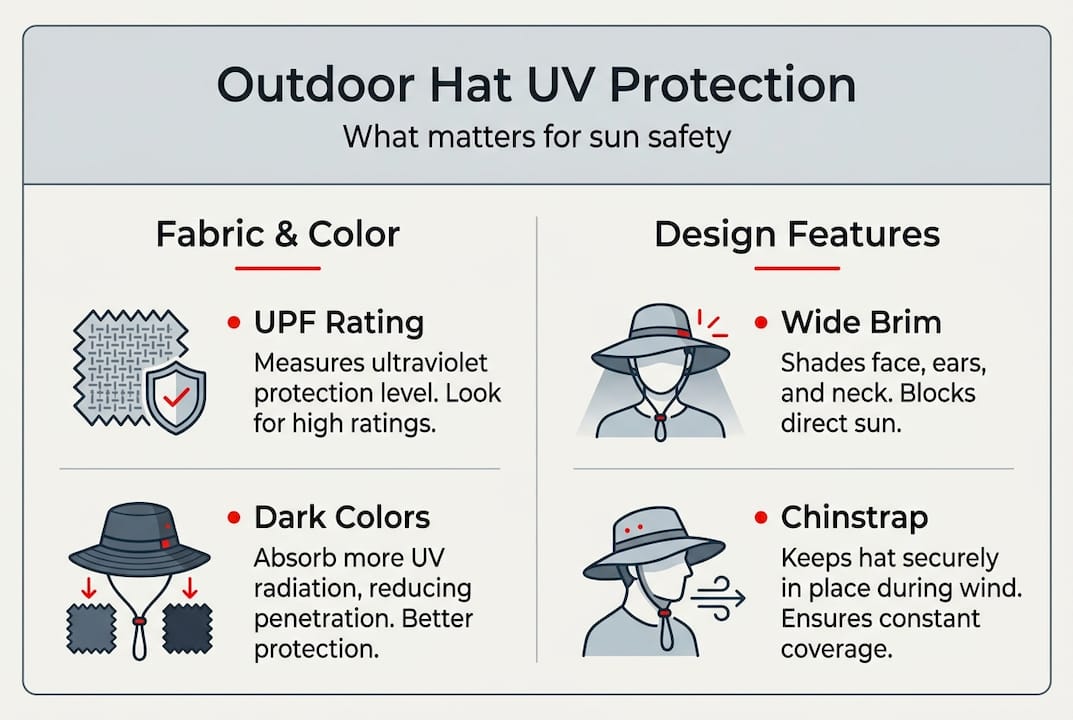
Hats with UPF 50+ fabric block over 98% of UVA and UVB rays, providing a physical barrier that sunscreen alone cannot match. Unlike chemical sun protection that requires reapplication and can wash off with sweat, quality headwear delivers consistent coverage throughout your outdoor session. The distinction matters enormously: UPF ratings measure fabric’s ability to prevent UV penetration, with UPF 50+ representing the gold standard for serious protection.
The economic impact of UV overexposure in New Zealand reaches billions annually through healthcare costs related to skin cancer treatment and prevention programs. This massive burden stems directly from inadequate sun protection practices during outdoor recreation and work. Wearing proper hats represents one of the most cost-effective prevention strategies available, reducing your personal risk while lowering societal healthcare demands.
Consider these critical UV protection facts:
- New Zealand’s ozone layer remains thinner than most regions, allowing more UV radiation to reach ground level
- Peak UV intensity occurs between 10 AM and 4 PM, precisely when many outdoor activities take place
- Reflected UV from water, sand, and snow increases total exposure by 25-80%
- Cumulative UV damage begins in childhood and manifests as skin cancer decades later
“Effective sun protection requires multiple strategies working together. Hats provide essential coverage for areas sunscreen often misses, including the scalp, ears, and back of the neck. Combined with other protective measures, quality headwear dramatically reduces lifetime skin cancer risk.”
Understanding why headwear matters for NZ UV protection transforms how you approach outdoor safety. The right hat becomes non-negotiable equipment rather than optional fashion, particularly for activities involving extended sun exposure. This mindset shift proves crucial for maintaining healthy skin throughout your active lifestyle.
How hat design features enhance protection and comfort outdoors
Not all hats deliver equal protection, and understanding specific design elements helps you select truly effective headwear. Experts prioritize brim over 7cm and UPF50+ fabric, noting that 33% of branded hats fail to provide promised protection despite marketing claims. This alarming statistic underscores why informed selection matters far more than brand recognition or price point.
Brim size directly determines coverage area for your face, neck, and ears. A 7cm minimum provides adequate shade for most facial features, while 10cm or wider brims offer superior protection during peak UV hours. Narrow brims leave vulnerable areas exposed, particularly the ears and back of neck where skin cancer frequently develops. The geometry matters: wider brims create larger shadow zones that move with you as you change position.
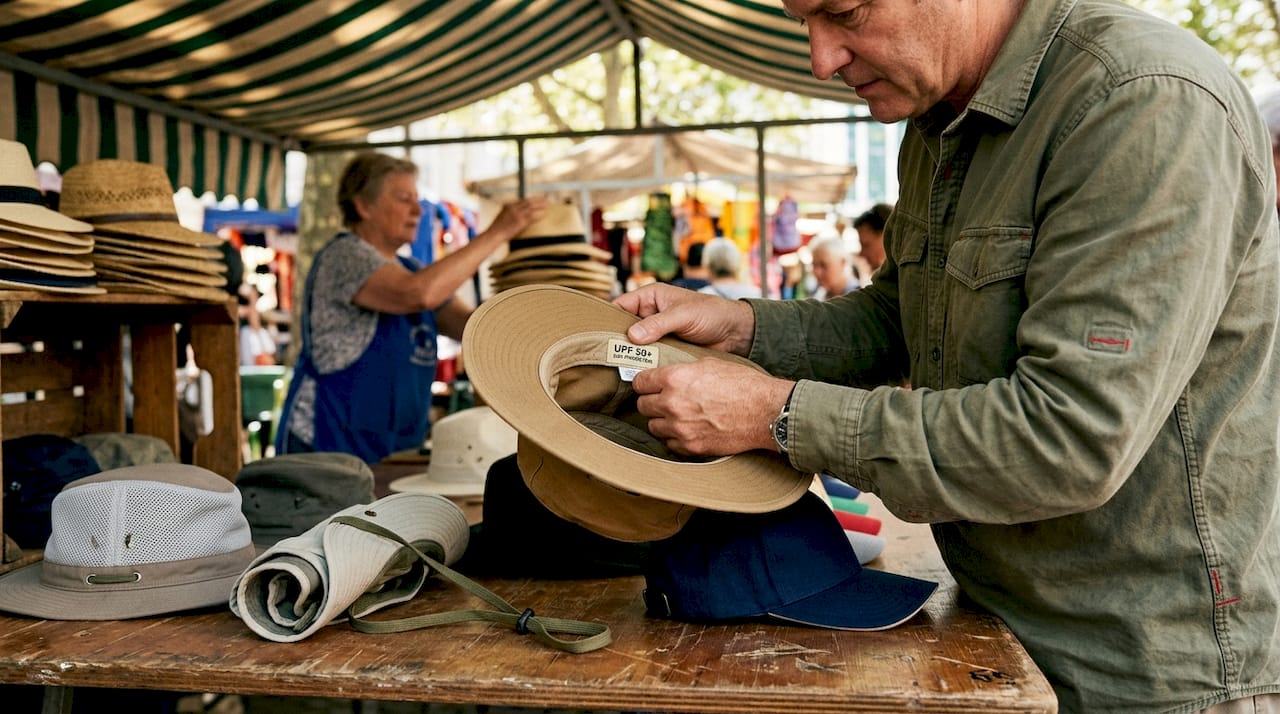
Fabric certification separates genuine protection from marketing hype. Look for explicit UPF ratings on labels or product descriptions, and verify independent testing rather than manufacturer claims alone. Tightly woven fabrics in darker colors generally provide better UV blocking than loose weaves or light shades, though modern synthetic materials can achieve high UPF ratings across color ranges.
Wind-resistant hats with chinstraps and rigid brims prove crucial for New Zealand’s gusty conditions, where sudden gales can send inadequate headwear flying. Adjustable chinstraps keep hats secure without discomfort, while rigid or semi-rigid brims maintain their protective shape rather than flapping or folding back. These features transform hats from liability to reliable gear during challenging weather.
| Hat Type | Brim Size | UPF Rating | Wind Resistance | Best Use |
|---|---|---|---|---|
| Wide-brim sun hat | 8-12cm | UPF 50+ | High with chinstrap | Hiking, fishing, beach |
| Baseball cap | 5-7cm front only | UPF 30-50 | Moderate | Casual, running, sports |
| Bucket hat | 6-8cm all around | UPF 40-50+ | Good | General outdoor use |
| Legionnaire cap | 5cm + neck flap | UPF 50+ | Excellent | Extended sun exposure |
Pro Tip: Test hat stability before purchasing by simulating head movements and light wind conditions. A properly fitted hat with good chinstrap adjustment should stay secure during vigorous activity without causing pressure points or headaches.
Ventilation features balance protection with comfort during active pursuits. Mesh panels, eyelets, or breathable fabric zones allow heat escape while maintaining UV blocking across critical areas. Poor ventilation causes overheating and sweat accumulation, making you less likely to keep the hat on when protection matters most.
Exploring types of outdoor hats for active Kiwis reveals specialized designs optimized for specific activities and conditions. Understanding these variations helps match headwear to your primary outdoor pursuits, ensuring you get maximum value and protection from your investment. Similarly, reviewing top summer hats for men in NZ provides practical examples of how style and function intersect in contemporary designs.
Adjustability extends beyond chinstraps to include sizing mechanisms, sweatband materials, and removable components. Hats that fit poorly cause discomfort and get removed, eliminating their protective benefit entirely. Quality designs accommodate different head shapes and sizes while maintaining their protective geometry throughout the adjustment range.
Balancing sun protection with heat management and style
Effective outdoor hats must solve competing demands: maximum UV blocking versus heat dissipation and personal style preferences. Research shows that sun hats reduce heat strain with wide brim ventilation, but excessive coverage can increase local neck heat and discomfort. This paradox requires thoughtful design choices that prioritize both protection and wearability.
Wide-brimmed hats create airflow channels between your head and the surrounding environment, allowing convective cooling while blocking direct solar radiation. The brim acts as a miniature awning, creating shade that reduces radiant heat load on your face and neck. However, designs that wrap too closely or use non-breathable materials trap metabolic heat, causing the very discomfort they aim to prevent.
Consider these heat management strategies:
- Choose hats with crown ventilation through mesh panels or strategic eyelets
- Select lighter colors for hot conditions, as they reflect rather than absorb solar radiation
- Prioritize moisture-wicking sweatbands that move perspiration away from skin
- Avoid fully enclosed designs unless conditions demand complete coverage
Style considerations influence whether you actually wear protective headwear consistently. Modern designs successfully merge fashion appeal with functional requirements, offering options that complement rather than clash with your outdoor wardrobe. The role of hats in fashion and UV protection demonstrates how contemporary manufacturers balance aesthetic appeal with safety performance.
Versatile hat styles transition seamlessly between outdoor activities and casual settings, maximizing value from a single purchase. A well-designed sun hat works equally well for beach walks, garden work, and urban exploration, eliminating the need for activity-specific headwear collections. This versatility encourages consistent use, which directly translates to better long-term protection.
Pro Tip: Invest in two quality hats rather than multiple cheap options. Rotate them to extend lifespan while ensuring you always have clean, effective protection available. This approach maintains hygiene and preserves UV blocking performance longer than wearing a single hat continuously.
Color and pattern choices affect both UV protection and heat absorption. Darker fabrics generally provide superior UV blocking but absorb more heat, while lighter shades reflect solar radiation but may offer slightly less protection. Modern synthetic fabrics increasingly overcome this trade-off through engineered UV absorbers that work regardless of color, expanding your style options without compromising safety.
Fit and comfort determine whether protective headwear becomes a consistent habit or an abandoned good intention. Hats that cause pressure headaches, slip during movement, or feel restrictive get left at home despite their technical capabilities. Prioritize adjustable sizing, soft materials at contact points, and designs that distribute weight evenly across your head.
Choosing and caring for your outdoor hat in New Zealand
Selecting appropriate headwear requires matching hat features to your specific outdoor activities and local conditions. Different pursuits demand distinct protective characteristics, from fishing’s need for maximum brim coverage to trail running’s requirement for secure, lightweight designs. Understanding these activity-specific demands ensures your hat enhances rather than hinders your outdoor experience.
Follow this selection process:
- Identify your primary outdoor activities and their specific UV exposure patterns
- Determine required brim size based on activity duration and intensity
- Verify UPF rating meets minimum 50+ standard for serious protection
- Test fit and adjustment mechanisms before committing to purchase
- Confirm wind resistance features match typical conditions you encounter
Data shows that 68% of NZ surfers prioritize sun gear including high UPF hats for protection, reflecting growing awareness among outdoor enthusiasts about cumulative UV damage. This trend toward proactive protection spans all outdoor activities, from casual beach visits to serious alpine pursuits. Matching this awareness with informed purchasing decisions maximizes your protective investment.
Key features to verify include:
- Explicit UPF labeling with independent certification marks
- Adjustable chinstraps with quick-release mechanisms for safety
- Breathable fabrics or ventilation systems for active use
- Water-resistant or quick-drying materials for marine environments
- Packable designs that maintain shape after compression
| Hat Style | Primary Activity | Key Features | Maintenance Needs |
|---|---|---|---|
| Fisherman hat | Fishing, boating | Wide brim, water-resistant, UPF 50+ | Rinse after saltwater, air dry |
| Baseball cap | Running, casual | Lightweight, moisture-wicking, front coverage | Machine wash cool, reshape while damp |
| Bucket hat | Hiking, general | All-around brim, packable, durable | Hand wash, air dry flat |
| Legionnaire | Extended sun | Neck flap, high UPF, secure fit | Follow care label, check flap attachment |
Proper maintenance preserves UV protection and extends hat lifespan significantly. Washing removes oils, sunscreen residue, and environmental contaminants that degrade fabric performance over time. However, aggressive cleaning or improper drying can damage protective treatments and compromise structural integrity. Always follow manufacturer care instructions specific to your hat’s materials and construction.
Storage practices matter as much as cleaning routines. Crushing or folding hats improperly damages brims and distorts protective shape, reducing coverage effectiveness. Store hats on hooks, hat stands, or in protective boxes that maintain their original geometry. Avoid leaving hats in hot vehicles, where extreme temperatures accelerate material degradation and UV protection breakdown.
Regular inspection helps identify when replacement becomes necessary. Check for fabric thinning, particularly at stress points and areas receiving direct sun exposure. Faded colors often indicate UV protection degradation, while stretched or damaged brims no longer provide consistent coverage. Replacing compromised hats before complete failure ensures continuous protection throughout outdoor activities.
Explore stylish, protective hats for your next New Zealand adventure
Urban Caps combines fashion-forward design with essential sun protection features tailored for New Zealand’s outdoor conditions. Our collection emphasizes UPF 50+ rated fabrics, optimal brim sizing, and adjustable features that keep hats secure during windy adventures. Whether you need lightweight performance gear for trail running or versatile styles for casual exploration, quality headwear enhances both safety and confidence outdoors.

Our breathable speed cap delivers moisture-wicking performance for high-intensity activities, while the fashion black baseball cap transitions seamlessly from outdoor pursuits to urban settings. For maximum versatility, the trucker hat with adjustable mesh provides ventilation and customizable fit across diverse conditions. Each design balances protective function with contemporary style, ensuring you look good while staying safe under New Zealand’s intense sun.
What does UPF 50+ mean and why is it important?
UPF 50+ indicates that fabric blocks over 98% of both UVA and UVB radiation, allowing less than 2% to penetrate and reach your skin. This rating represents the highest standard for sun protective textiles, providing exceptional defense against harmful rays during outdoor activities. For context, unprotected skin can burn in as little as 10 minutes under New Zealand’s summer sun, while UPF 50+ fabric extends that safe exposure time by more than 50 times. The importance multiplies in New Zealand’s high UV environment, where cumulative exposure drives the country’s elevated skin cancer rates. Choosing UPF 50+ rated hats significantly reduces your lifetime risk of sun damage, premature aging, and melanoma development.
Can I rely on a baseball cap alone for sun protection in New Zealand?
Baseball caps provide valuable front-facing protection for your forehead and eyes but leave ears, neck, and side facial areas vulnerable to UV exposure. These unprotected zones frequently develop skin cancers precisely because people assume caps offer complete coverage. For comprehensive protection in New Zealand’s intense sun, choose wide-brimmed hats or baseball caps with attached neck flaps that extend coverage to vulnerable areas. The UV protection baseball hat with enhanced coverage zones offers a practical compromise between baseball cap convenience and broader protection needs.
How do chinstraps and rigid brims benefit outdoor hat wearers in NZ?
Chinstraps keep hats securely positioned during New Zealand’s notorious gusty conditions, preventing them from blowing off during crucial protection moments. Adjustable straps allow customization for comfort without sacrificing security, ensuring your hat stays put during vigorous activities or sudden wind gusts. Rigid brims maintain their protective shape and coverage area regardless of wind pressure, unlike soft brims that fold back and expose vulnerable skin. Together, these features transform hats from accessories that require constant adjustment into reliable protective equipment you can trust during challenging outdoor conditions. Learn more about outdoor hat features for windy conditions and how they enhance real-world performance.
How often should I replace my sun hat for effective UV protection?
UV protection degrades gradually through repeated sun exposure, washing cycles, and general wear, typically requiring replacement every one to two years for hats receiving regular use. Visible signs like fabric fading, thinning material, or loss of structural integrity indicate diminished protective capability even before complete failure. Hats used in harsh conditions such as saltwater environments or extreme sun exposure may need more frequent replacement. Store hats properly between uses and follow care instructions to maximize lifespan, but prioritize protection over economy when degradation becomes apparent. Investing in quality hats with durable construction extends replacement intervals while maintaining consistent UV blocking performance throughout their usable life.