


Local craftsmanship in Aotearoa: real advantages for Kiwis
Local craftsmanship delivers measurable economic, cultural, and environmental benefits that mass production simply cannot match. When you buy from a New Zealand maker, you get a product built to last, a dollar that stays in your community, and a direct contribution to cultural preservation. The core advantages of local craftsmanship are:
- Economic resilience — more of your spend recirculates locally
- Lower environmental footprint — shorter supply chains, longer-lasting goods
- Cultural preservation — Māori and Kiwi traditions stay alive
- Superior quality — handmade goods built for longevity, not turnover
- Community cohesion — skills pass between generations, local identity strengthens
Choose local, and you get all five at once.
Key takeaways
Local craftsmanship in Aotearoa delivers economic, environmental, cultural, and quality advantages that compound with every purchase you make from a local maker.
| Point | Details |
|---|---|
| Economic multiplier | Spending with local makers recirculates a larger share of each dollar in your community than chain purchases do. |
| Small workshops drive jobs | Over 90% of NZ manufacturing enterprises employed fewer than 20 people, making craft workshops a structural jobs anchor. |
| Lower environmental impact | Local artisans source nearby and design for longevity, cutting transport emissions and reducing waste. |
| Cultural preservation | Buying from NZ makers sustains Māori techniques and Kiwi design traditions that cannot survive on museum visits alone. |
| Urbancaps | Stocks locally curated, durable headwear with free NZ shipping — a practical way to support quality over volume. |
Table of Contents
- Why the advantages of local craftsmanship matter for New Zealand
- Why local materials give handmade goods an edge
- How to find and support local artisans in New Zealand
- What the evidence says: NZ cultural, economic, and environmental impact
- Why we back local craftsmanship at Urbancaps
- Urbancaps: locally stocked headwear, fast NZ delivery
- Sources
- FAQ
Why the advantages of local craftsmanship matter for New Zealand
1. Local spending multiplies in your community
Every dollar spent with a local maker funds their suppliers, their landlord, their staff, and their next batch of materials. Practitioner reporting on the local multiplier effect shows a significantly larger share of each dollar recirculates locally when spent with independent makers compared with chain or overseas purchases. That recirculation builds economic resilience in towns and suburbs that national retailers rarely prioritise.
2. Small workshops anchor regional jobs
Over 90% of New Zealand’s manufacturing enterprises employed fewer than 20 people in 2008, making small workshops a structural source of regional employment and skills. A craft studio in Dunedin or a hat workshop in Wellington is not a hobby operation — it is a local employer, a training ground, and often the only place in a region where a specific skill survives.
3. Local craftsmanship cuts transport emissions
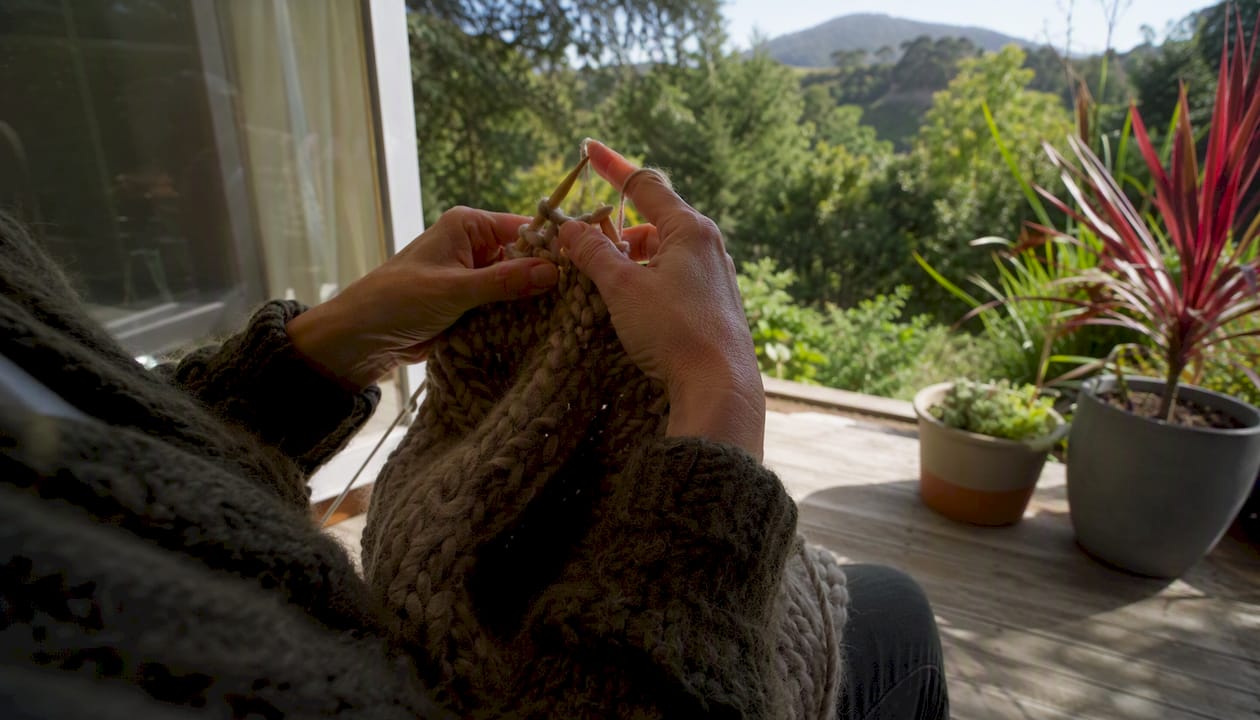
Choosing locally made products commonly lowers your carbon footprint because artisans source materials nearby and design for longevity rather than disposability. A beanie knitted in New Zealand from local wool travels a fraction of the distance of one shipped from an overseas factory, and it is built to last several seasons rather than one.
4. Cultural preservation keeps Māori and Kiwi traditions alive
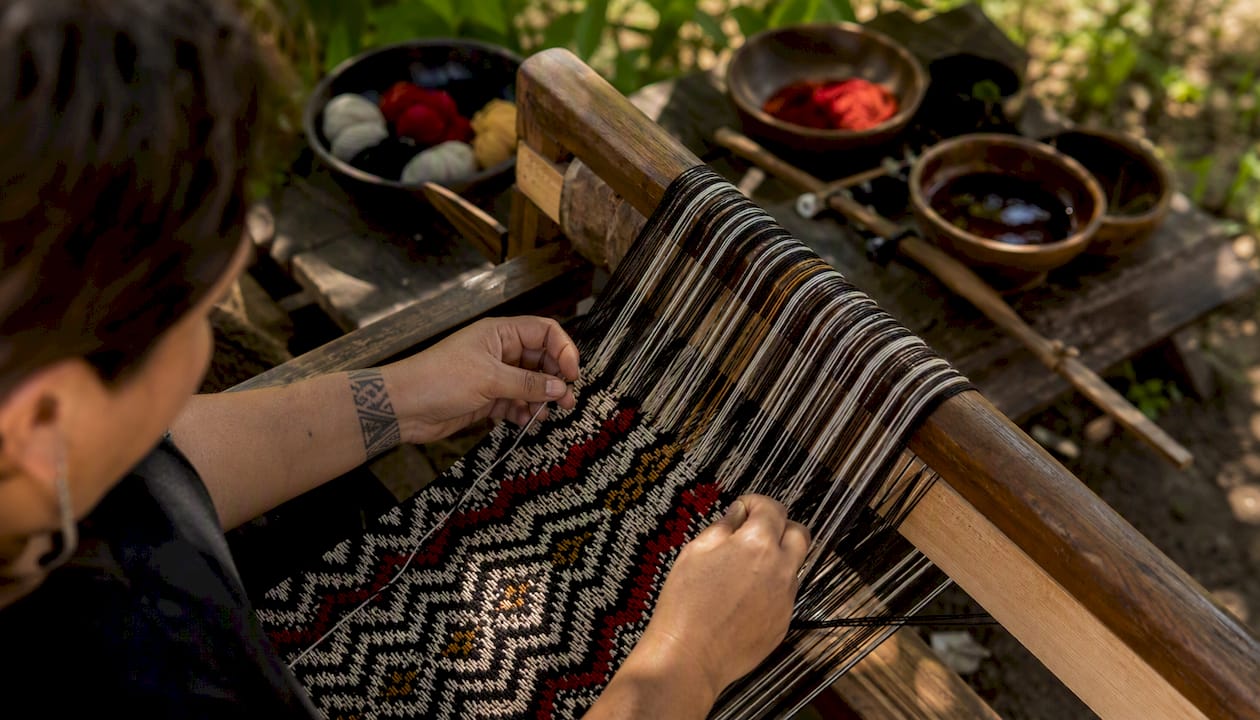
Buying from local artisans helps ensure traditional techniques and stories are passed down. For te ao Māori, this is especially significant: tāniko weaving, pounamu carving, and raranga (plaiting) are living practices, not museum exhibits. Purchasing from local artists contributes directly to the continuation of Māori techniques and New Zealand’s cultural identity. Heritage headwear styles, from flat caps to wool felt hats, carry the same logic — each purchase sustains a design tradition. Explore the history of heritage headwear styles to see how those traditions translate into wearable form.
5. Handmade goods last longer than mass-produced alternatives
Local craftsmanship vs mass production comes down to intent. A mass-produced item is engineered for a price point; a handmade one is engineered for use. Local artisans and small businesses prioritise quality materials and ethical production practices, which is why a well-made wool hat from a local maker outlasts three fast-fashion equivalents.
6. Craft activity builds social cohesion and transmits skills
Craft markets, maker co-ops, and community studios are social infrastructure. They give makers a place to teach, collaborate, and sell, and they give buyers a direct relationship with the person who made their purchase. Social-enterprise and community economic development models are effective channels for scaling craft activity into jobs and training for people who might otherwise be excluded from formal employment.
7. Supporting local artisans promotes ethical purchasing
When you buy custom handmade products from a named maker, you know who was paid and what they were paid. That transparency is impossible in a long global supply chain. Fair pay for makers is not a bonus feature of local craft — it is the default, because the maker sets the price.
Pro Tip: When weighing a handmade item against a cheaper mass-produced alternative, divide the price by the expected lifespan in years. A $120 locally made wool beanie worn for six seasons costs $20 per year. A $30 imported one replaced every season costs the same, with more waste.
Why local materials give handmade goods an edge
Using materials sourced close to where a product is made is one of the clearest advantages of local craftsmanship. The benefits stack up quickly:
- Reduced transport emissions — raw materials travel shorter distances before they become a finished product
- Climate suitability — New Zealand wool, for example, performs in NZ conditions because it evolved in them
- Support for local suppliers — a maker who buys NZ wool supports a NZ farmer, extending the multiplier effect upstream
- Traceability — local supply chains are shorter and easier to audit; you can often ask the maker exactly where the fibre came from
- Circularity — locally sourced natural materials are more likely to be compostable or recyclable at end of life
New Zealand wool is the clearest case study. It is warm, moisture-wicking, naturally odour-resistant, and grown here. A wool hat chosen for NZ conditions outperforms a synthetic import on every practical measure, and the fibre’s provenance is traceable to a specific farm. The ‘Made in NZ’ label is increasingly used to signal traceability and design premium rather than merely local assembly, with technology such as whole-garment knitting helping retain higher-value production onshore.
Pro Tip: Ask three quick questions before you buy: Where was the material grown or milled? Who made the finished product, and where? How long should this item last with normal care? A maker who cannot answer all three is probably not sourcing locally.
How to find and support local artisans in New Zealand
Where to buy
- Regional craft markets — Otago Farmers Market, Wellington Night Market, Auckland’s La Cigale — all feature local makers selling direct
- Maker co-ops and galleries — spaces like Toi Māori Aotearoa and regional craft councils connect buyers with vetted artisans
- Local online marketplaces — platforms that curate NZ-made goods let you filter by region and material
- Specialist brick-and-mortar shops — independent retailers who stock locally made goods and can speak to provenance
- Brand storefronts — NZ-owned online retailers that stock locally sourced or locally designed products, including Urbancaps’s guide to supporting local hatmakers
How to verify a genuine NZ maker
- Check for a workshop location or studio address on the product page or maker’s website.
- Look for a materials list that names specific fibres, sources, or suppliers.
- Read the maker statement — a genuine artisan can describe their process in plain language.
- Check reviews for mentions of quality, durability, and direct contact with the maker.
- Ask directly: most local makers welcome provenance questions and answer them quickly.
Three things you can do today
- Buy one item from a local maker this week — a beanie, a hat, a piece of jewellery.
- Attend a regional craft market and talk to the people behind the stalls.
- Follow a local maker on social media and share their work — visibility costs nothing and matters enormously to small studios.
Urbancaps stocks a range of locally curated headwear, including the Fashion Knit Beanie, the Winter Bonnet Beanie, and the Classic Knit Beanie — all practical examples of durable, thoughtfully designed headwear available with fast NZ delivery.
What the evidence says: NZ cultural, economic, and environmental impact
The case for local craftsmanship is not just anecdotal. New Zealand government, academic, and sector sources all point in the same direction.
The New Zealand Government’s Amplify strategy recognises the creative and cultural sectors as important to both national identity and the economy, committing to more coherent funding and support to grow their reach. That policy signal matters: it means government procurement, tourism investment, and export strategy are increasingly aligned with the importance of local craftsmanship.
On the economic side, academic bibliometric analysis finds craft is positively associated with local development outcomes including sustainability, job creation, and social benefits. Culture-linked tourism generated over $2.3 billion in related expenditure in the year to March 2023, with local crafts contributing directly to visitor appeal in Auckland, Wellington, and Christchurch.
Industry analysts argue New Zealand should prioritise high-value, niche manufacturing and heritage-led craft to retain jobs and technical capability rather than compete on volume. That argument is well-supported: the economic impact of local artisans compounds when a region retains design, production, and retail within its own borders.
| Evidence area | Key finding | Source |
|---|---|---|
| Small workshops and jobs | Over 90% of NZ manufacturing enterprises employed fewer than 20 people (2008) | Te Ara |
| Cultural tourism | Culture-linked tourism generated over $2.3 billion in related expenditure, year to March 2023 | Ministry for Culture and Heritage |
| Local multiplier | Significantly higher dollar recirculation with independent makers vs chains | We Love Local |
| Policy support | NZ Government commits to growing creative and cultural sector reach and impact | Ministry for Culture and Heritage (Amplify) |
| Academic evidence | Craft positively linked to local development, sustainability, and job creation | PMC bibliometric analysis |
Why we back local craftsmanship at Urbancaps
The conventional wisdom says “buy local” is a feel-good choice that costs more. We disagree — and the evidence backs us up. The economic multiplier, the environmental case, and the quality argument all point the same way: local craftsmanship is the rational choice, not just the virtuous one.
What gets underestimated is the compounding effect. A single purchase from a local maker funds their next batch of materials, their supplier’s next order, and their ability to train the next person who wants to learn the craft. That chain of value does not exist when you buy from an overseas volume manufacturer. The dollar leaves the country and the skill eventually follows.
At Urbancaps, we stock headwear that reflects these values — durable materials, timeless design, and provenance you can ask about. We are proudly NZ owned and operated, and we think the best headwear is the kind that lasts long enough to become a favourite. That is not a coincidence; it is what local curation looks like in practice.
Urbancaps: locally stocked headwear, fast NZ delivery
If this article has you thinking about quality over quantity, Urbancaps is the practical next step. We stock premium headwear — from the Churchill Heritage Homburg in 100% Australian wool felt to the Heritage Herringbone Ivy Cap and the Fedoras Hat — all curated for Kiwi conditions and available with free shipping across New Zealand.

Every product in our range is chosen for durability, material quality, and design that holds up season after season. No fast fashion, no throwaway styling. Browse the full range at Urbancaps and find a hat worth keeping.
Sources
- Workshop industries — Te Ara
- Boost local economies: engage with eco-friendly practices — Sustainable Living
- The multiplier effect and what one gift box actually does — We Love Local
- Amplify: creative and cultural strategy — Ministry for Culture and Heritage
- Crafts as a key factor in local development: Bibliometric analysis — PMC
FAQ
What are the main benefits of local craftsmanship?
Local craftsmanship supports the economy through the multiplier effect, reduces transport emissions, preserves cultural traditions, and produces goods that last longer than mass-produced alternatives.
What are the advantages of using local materials in craft work?
Local materials travel shorter distances, suit the regional climate, support upstream suppliers, and are easier to trace — all of which lower environmental impact and improve product performance.
Why should you support local artisans in New Zealand?
Supporting NZ artisans keeps dollars recirculating in your community, sustains Māori and Kiwi craft traditions, and funds the skills and workshops that regional economies depend on.
What makes traditional craft different from mass production?
Traditional craft prioritises material quality, maker skill, and longevity over price-point engineering, meaning handmade goods typically outlast and outperform their mass-produced equivalents.