

Beanie style checklist: fit, face shape and fabric
Run through five quick checks before you buy or wear any beanie: fit (ear coverage and crown depth), face shape (does the silhouette add or reduce height?), hair volume (does the crown have enough room?), material (merino for cold NZ winters, acrylic for easy care), and outfit match (neutral base or statement pop). Get those five right and you will rarely return a beanie. Urbancaps stocks locally in New Zealand, so you can check sizing, swap quickly, and receive fast NZ delivery without the wait.
Quick beanie style checklist — run through this before you buy:
- Fit: Crown sits 1–2 cm above the ears; no pinching at the temples
- Face shape: Round faces should look for slouchy or high-top beanies to add vertical height, while square faces benefit from slouchy or textured cable-knit styles to soften angles. Oval faces can confidently wear almost any style.
- Hair volume: Thick or long hair needs more crown depth and stretch; short hair suits cuffed or fitted styles
- Material: Merino wool for NZ winters; acrylic for machine-wash convenience; GRS-certified recycled fibres for sustainability
- Outfit match: Pick one neutral beanie to cover most looks, then add a statement colour once your wardrobe base is set
Most versatile face shape: Oval. If that is you, experiment freely with any silhouette from a fisherman to a slouchy knit.
Table of Contents
- What are the main beanie styles and how does each sit on your head?
- What do beanie materials actually give you?
- How to wear a beanie with everyday outfits and occasions
- How to choose a beanie by face shape and hair volume
- Practical shopping checklist for New Zealand buyers
- How to wash, store and maintain your beanie
- How to coordinate beanies with different hairstyles
- How to adapt your beanie choice through the seasons
- Common styling mistakes to avoid with beanies
- Choosing beanie colours and patterns for your skin tone and style
- Key takeaways
- What Urban actually recommends for Kiwi wardrobes
- NZ-stocked beanies worth checking out now
- Useful sources
- FAQ
What are the main beanie styles and how does each sit on your head?
Six silhouettes cover almost every occasion, and each one behaves differently once it is on your head.
- Cuffed / watch cap: The classic ribbed style with a folded brim. The double layer covers your ears and forehead, making it the warmest everyday option. Start here if you are new to beanies.
- Fisherman / short beanie: A shallow crown that sits on top of the head without covering the ears. Stylish, but minimal warmth — save it for mild days or indoor-to-outdoor transitions.
- Slouchy: Extra material at the crown drapes at the back. No cuff on most versions. Works with denim and hoodies; less suited to tailored coats.
- High-top: Worn as high on the head as possible, with the knit standing upright. A statement streetwear piece that adds vertical height — great for round faces.
- Pom-pom / bobble: A cuffed beanie with a fluffy ball on top. Warm, playful, and works with casual or dressed-up looks (stick to solid, dark colours with smarter outfits).
- Fitted / skull cap: Hugs the head with no excess material. Clean and minimal, but not ideal for thick hair or round faces.
Pro Tip: If you are buying your first beanie, go for a cuffed merino or ribbed-knit style in a mid-tone neutral. It covers your ears, suits most face shapes, and pairs with nearly everything in a Kiwi winter wardrobe.
Chunky knits and custom embroidery are trending right now, so do not feel locked into plain styles if you want something with personality.
What do beanie materials actually give you?
The fabric determines warmth, breathability, how often you wash it, and how long it lasts. Here is a plain-language breakdown:
| Material | Warmth | Breathability | Care | Best for |
|---|---|---|---|---|
| Merino wool | High | Excellent | Hand wash cold | NZ outdoor use, year-round |
| Cashmere | Very high | Good | Hand wash cold, delicate | Luxury everyday wear |
| Acrylic | Medium | Moderate | Machine wash, gentle cycle | Easy-care, everyday |
| Cotton / bamboo blend | Low–medium | High | Machine wash | Mild NZ winters, spring |
| Recycled fibres (GRS) | Medium | Moderate | Check label | Eco-conscious buyers |
Merino wool is ultra-fine, sits comfortably against skin, and suits variable southern NZ climates year-round. Acrylic holds colour and shape well and is the easiest to maintain. Cashmere is luxuriously soft but needs delicate handling. Organic cotton and bamboo blends breathe well for milder northern winters, and GRS-certified recycled fibres are growing in popularity as Kiwi buyers look for more sustainable options.
Construction terms worth knowing:
- Gauge: Stitches per inch. Low gauge = chunky, textured look. High gauge = finer, closer fit.
- Ribbing: Vertical knit pattern that adds stretch and grip — keeps the beanie in place through the day.
- Crown shape: Determines whether the hat sits flat or stands upright.
- Lining: Fleece or windproof liners add warmth and protect against itchy wool next to skin.
Care quick-reference: Hand wash merino and cashmere in cold water. Machine-wash acrylic on a gentle cycle inside a garment bag. Never tumble-dry any beanie — reshape and air-dry flat every time.
How to wear a beanie with everyday outfits and occasions
Placement and pairing do most of the work. Three positions, three different reads:
- Pulled low (ears fully covered): maximum warmth, casual or outdoor look
- Pushed back (forehead visible): relaxed, approachable, works with smart-casual
- Side tilt: adds attitude for streetwear; keep the rest of the outfit clean so it does not read as messy
Outfit pairings that actually work:
- Casual: Cuffed or slouchy beanie with a hoodie, denim jacket, and sneakers. Everyday beanie styling is straightforward once you match the beanie’s weight to the jacket’s weight.
- Smart-casual: A fitted or cuffed merino beanie with a wool coat and Chelsea boots. Keep the beanie in a neutral (charcoal, navy, oatmeal) so it reads as intentional, not thrown on.
- Outdoor / performance: Fleece-lined or merino beanie pulled low, paired with a technical jacket and trail boots. Function first, but a tonal colour keeps it cohesive.
- Festival / streetwear: High-top or variegated-knit beanie with an oversized tee, cargo pants, and chunky sneakers. This is where bold colour and texture earn their place.
Pro Tip: Let the beanie be either the focal point or the neutral complement, not both. A neon pom-pom beanie needs a plain outfit underneath. A bold printed coat needs a plain beanie on top.
For women with long hair, leaving it loose at the sides frames the face and keeps the look relaxed. For men with long hair, skip stuffing it all under the hat — let it hang out at the sides. Short hair on anyone suits a close-fitting cuffed style without the bulk.
How to choose a beanie by face shape and hair volume
Face shape rules of thumb
Getting the silhouette right for your face shape is the single biggest styling upgrade most people skip. Face-shape guidance makes the difference between a beanie that looks intentional and one that just sits there.
- Round face: Add vertical height. Slouchy or high-top beanies elongate the silhouette; tight skull caps emphasise roundness, so avoid them.
- Square face: Soften strong angles with a slouchy or textured cable-knit beanie. Avoid rigid, structured styles that mirror the jaw’s geometry.
- Oval face: The most versatile shape. Most styles work — from a fitted fisherman to a relaxed slouchy knit. Experiment freely.
- Long / oblong face: Choose a cuffed or lower-profile style to add visual width. Avoid extra-tall high-tops that lengthen the face further.
- Heart face: Balance a wider forehead with a cuffed style worn slightly lower on the brow.
Hair volume checklist
Hair volume is the most overlooked factor in beanie fit. Run through this at the point of try-on:
- Crown clearance: Is there 1–2 cm of room above your hair without the hat riding up?
- Ear coverage: Does the beanie reach your ears without being stretched flat?
- Mirror check: Move your head side to side. Does the hat shift or stay put?
- Five-minute test: Wear it for five minutes. A good fit becomes unnoticeable; a bad one keeps demanding your attention.
Pro Tip: For silky or fine hair that causes slippage, a light texture spray on the hair before putting the beanie on makes a real difference. For bangs, push the beanie back 1–2 cm from the hairline so the fringe sits naturally.
Thick or long hair needs beanies with more crown depth and stretch. Short hair pairs best with closer-fitting or cuffed styles. Curly hair benefits from stretchy ribbed knits or larger crowns that do not flatten the curl pattern.

Practical shopping checklist for New Zealand buyers
A quick pre-purchase run-through saves returns and regret.
- Check crown depth: Hold the beanie up and measure the internal depth against your head. Thick hair needs at least 20–22 cm of internal depth.
- Test stretch and recovery: Pull the ribbing gently. It should spring back cleanly. Look for ribbed construction or a small elastane content on the label.
- Read the fabric label: Merino or fleece-lined for Otago, Southland, and the Central Plateau. Cotton or bamboo blend for Auckland and Northland mild winters.
- Check cuff height: A deeper cuff gives more ear coverage and warmth. A shallow cuff is more style-forward but less practical in wind.
- Confirm lining: Fleece or windproof liners add warmth without bulk — worth it for outdoor use.
- Match to your wardrobe: Lay the beanie next to your main coat and shoes. Does it complement or clash? A neutral base first, then a statement colour once you have the basics covered.
- Check the return policy: Buying from NZ stock (like Urbancaps) means faster returns and no international shipping delays if the fit is off.
NZ climate notes:
- Southern regions (Otago, Southland, Canterbury): merino or fleece-lined, minimum 300 gsm
- Central North Island and alpine areas: merino or wool blend
- Auckland and Northland: cotton, bamboo, or lightweight acrylic works for most winter days
For deeper buying guidance, the Urbancaps hat-choosing guide covers fit philosophy across all headwear styles.
How to wash, store and maintain your beanie
Washing:
- Check the fibre content label before anything else
- Merino and cashmere: hand wash in cold water with a wool-specific detergent; never wring or twist
- Acrylic: machine wash on a gentle cycle inside a mesh garment bag
- Never tumble-dry any beanie; reshape and air-dry flat on a towel
Storage:
- Store flat in a breathable cotton or linen bag, never hanging (hanging stretches the crown)
- Add cedar balls or lavender sachets to deter moths from wool items
- Keep in a cool, dry spot away from direct sunlight
Pilling and repairs:
- Use a fabric comb or fabric shaver to lift pills gently — do not pull them off by hand
- Stitch small snags promptly before they widen
- Know when to retire a beanie: if the ribbing has lost all elasticity and the crown sags permanently, it has done its job
Pro Tip: Steam the beanie lightly and reshape it over a rolled towel to restore loft after storage. Two minutes with a handheld steamer brings most wool beanies back to life.
How to coordinate beanies with different hairstyles
The right beanie for your hair type is less about the label and more about how the hat actually sits once it is on.
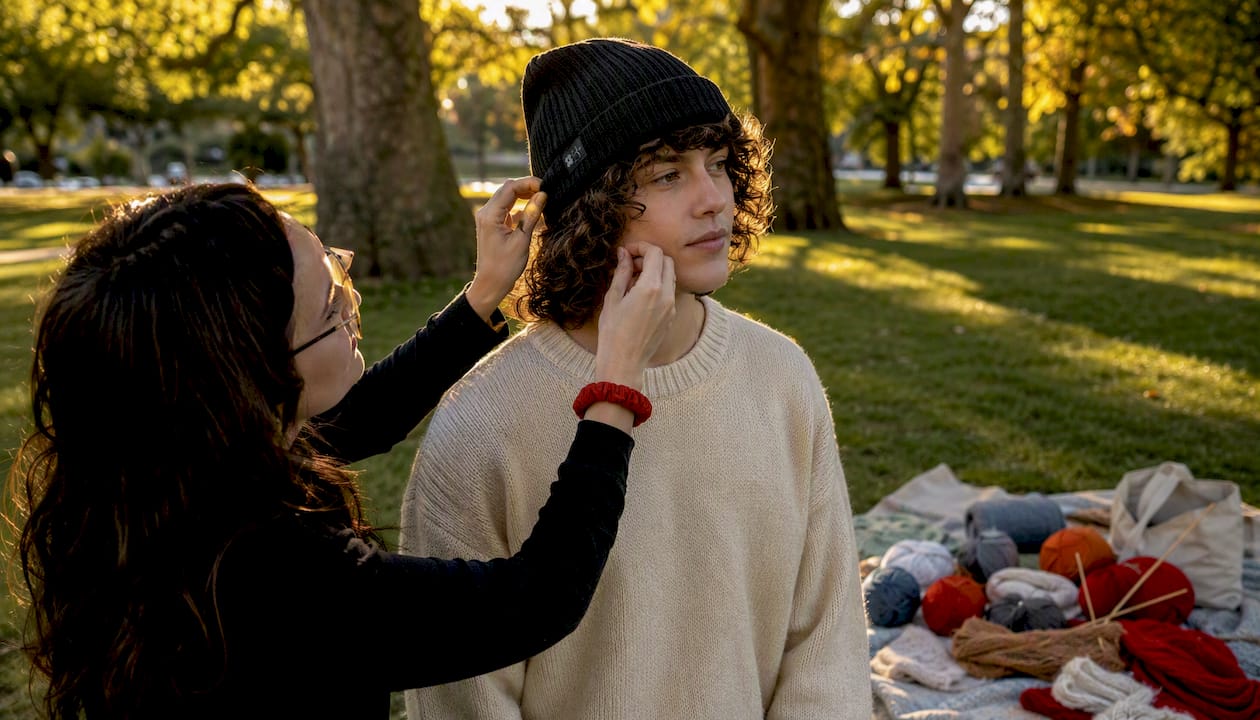
Long hair (men and women): Go for a cuffless slouchy or high-top style and let the hair hang loose at the sides and back. Tucking all of it under the hat creates an unflattering bulge at the crown. A little hair showing at the sides frames the face and keeps the proportions balanced.
Short hair: Close-fitting cuffed styles, fisherman beanies, and bobble hats all work well. Avoid oversized or very slouchy options — too much excess fabric on a small head reads as the hat wearing you, not the other way around.
Curly hair: Avoid thin, tight skull caps. The curls create uneven pressure points that make the hat look bumpy. Slouchy beanies and high-tops give the curls room to breathe and keep the silhouette clean. A stretchy ribbed knit is the most forgiving option.
Straight, fine hair: Fine hair tends to slip, so look for ribbed construction with good grip. A cuffed style that sits snugly at the hairline stays put better than a loose slouchy fit.
How to adapt your beanie choice through the seasons
New Zealand’s seasons are varied enough that one beanie rarely covers the whole year.
Winter (June–August): This is peak beanie season. Merino wool, fleece-lined, or double-knit beanies pulled low for full ear coverage. Prioritise warmth and wind resistance, especially in the South Island.
Autumn and spring (March–May, September–November): Lighter weight is the priority. A single-layer acrylic or cotton-blend beanie worn pushed back works for the shoulder seasons. The fisherman style earns its place here — stylish without overheating.
Summer: Beanies are not a summer staple, but a lightweight cotton or bamboo beanie works for cool summer evenings at festivals or outdoor events. Keep the colour light and the fit relaxed.
For vintage-inspired seasonal styling, winter accessory pairings offer good reference points for layering beanies with scarves and gloves across different temperatures.
Common styling mistakes to avoid with beanies
Most beanie mistakes come down to proportion and placement, not the beanie itself.
Wearing it too far back: A beanie perched at the very back of the head looks like it is about to fall off. Pull it forward so it sits just above the brow line, then adjust from there.
Matching the wrong silhouette to your face shape: A tight skull cap on a round face emphasises width. A very tall high-top on a long face adds unwanted length. Check the face-shape rules before you buy.
Ignoring hair volume: Stuffing thick hair under a shallow-crown beanie creates a lumpy, uncomfortable fit that no amount of adjusting fixes. Buy for your hair, not just your head circumference.
Overloading the outfit: A chunky cable-knit beanie with a heavily patterned coat and bold scarf is too much competing for attention. One statement piece per outfit.
Buying the wrong weight for the season: A heavy double-knit merino in Auckland’s mild winter will have you overheating by lunchtime. Match the fabric weight to the actual temperature, not the aesthetic.
Choosing beanie colours and patterns for your skin tone and style
Colour is where personal style comes in, but a few rules of thumb keep things grounded.
Warm skin tones (golden, olive, bronze undertones): earthy tones work well — rust, camel, mustard, warm olive, and burnt orange. Avoid very cool greys or icy blues, which can wash out warm complexions.
Cool skin tones (pink, rosy, or bluish undertones): charcoal, navy, burgundy, forest green, and soft lilac all complement cool undertones. Warm camel can work as a contrast but keep it away from the face if it clashes.
Neutral skin tones: The full spectrum is available. Start with a classic charcoal or oatmeal as a base, then experiment with bolder colours once you know what you reach for most.
Patterns: Variegated or multicolour knits add visual interest without committing to a single bold colour. Cable knits read as textured rather than patterned, so they pair with almost anything. Avoid large graphic patterns if you are new to beanie styling — they narrow your outfit options significantly.
For stylish headwear ideas that show how colour and pattern work across different Kiwi looks, the Urbancaps blog has solid visual references.
Key takeaways
The single most important thing to get right is fit: a beanie that sits correctly on your head and suits your hair volume will look good regardless of the style or colour.
| Point | Details |
|---|---|
| Check fit first | Crown should sit 1–2 cm above the ears with no pinching at the temples. |
| Match style to face shape | Round faces should add height with slouchy or high-top beanies; square faces should choose slouchy or textured knits to soften jawlines. Oval faces can wear nearly any style. |
| Account for hair volume | Thick or long hair needs more crown depth and stretch; short hair suits cuffed or fitted styles. |
| Choose material by climate | Merino wool for colder NZ regions; acrylic for easy care; cotton blends for mild northern winters. |
| Urbancaps for NZ stock | Urbancaps stocks beanies locally with fast NZ delivery — check crown depth and fabric on the product page before ordering. |
What Urban actually recommends for Kiwi wardrobes
One beanie covers most needs if you pick it right. From what we see Kiwi customers reach for, a mid-weight merino or ribbed-knit cuffed beanie in charcoal or navy is the workhorse — it handles everything from a Wellington commute to a weekend tramp without looking out of place. If you are buying just one, go cuffed, go merino, and go neutral. Once that base is covered, a second beanie in a bolder colour or texture is where the fun starts. We stock locally, so if the fit is off, returns are straightforward and you are not waiting weeks for a replacement.
NZ-stocked beanies worth checking out now
Urbancaps carries three picks that map directly to the checklist above, all available from NZ stock with fast local delivery.
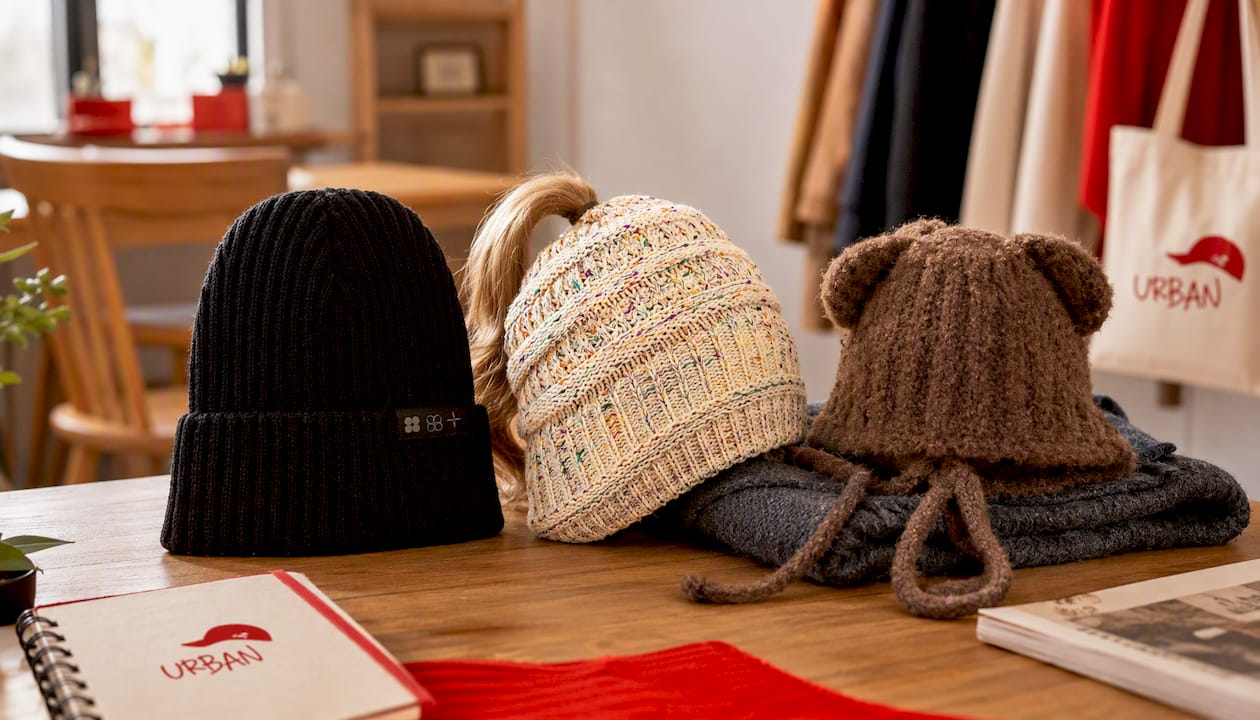
The Bulletproof Style Youth Beanie is a sharp edgy knit built for streetwear looks — high-top silhouette, adds vertical height, and suits round or square faces well. The Multicolor Thread Knit Beanie is a variegated woollen winter hat with an INS-inspired look — the colour variation does the work so your outfit does not have to. For something warmer and more playful, the Bear Ear Knit Hat is a cartoon-style woollen beanie with a lace-up detail that works as a gift or a casual weekend pick.
Check crown depth, cuff height, and fabric content on each product page. All three ship from NZ stock. Browse the full Urbancaps beanie range to find the style that matches your checklist.
Useful sources
- Are Beanies Still in Style in 2025? Top Trends & Styling Tips
- The visual guide: How to wear a beanie for your face shape and hair type
- Guide to beanie fit and shape that looks right — Crazy Beanies
- How to Wear a Beanie: The Ultimate Style Guide for 2026
- The ultimate guide to beanies in New Zealand: stay warm in style
- 5 Tips for Caring for Your Hand-Knitted New Zealand Merino Wool Garments — Woolly Goodness NZ
FAQ
What are the main beanie styles?
The six core styles are cuffed, fisherman, slouchy, high-top, pom-pom/bobble, and fitted skull cap. Each varies in crown depth, ear coverage, and warmth.
How do you style a beanie properly?
Pull it down so the crown sits 1–2 cm above your ears, match the silhouette to your face shape, and let the beanie be either the statement piece or the neutral complement in your outfit — not both at once.
What beanie styles are trending in 2026?
Chunky knits, slouchy fits, variegated-colour knits, and beanies with custom embroidery are the strongest current trends, alongside a growing preference for organic and recycled-fibre options.
What face shape suits a beanie best?
Oval faces suit almost every beanie style. Round and square faces benefit most from slouchy or high-top styles that add vertical height rather than emphasising width.