

3 Cap Ventilation Options That Actually Keep Your Head Cool
Open mesh panels or hidden laser-cut vents, paired with a moisture-wicking sweatband, deliver the best comfort for hot, active use. Mesh gives the most airflow but drops UPF slightly on the crown, while hidden venting keeps sun protection intact for helmet-wearers. Urbancaps stocks three ventilated options worth checking out: The Ventoux 6-Panel Performance Cap, the Ventoux Mesh Skull Beanie, and the La Vie Claire Cycling Cap.
TL;DR:
- Mesh panels provide the highest airflow but may slightly reduce UPF, making them suitable for high-exertion activities in low sun exposure conditions.
- Laser-cut perforations and under-brim mesh balance sun protection with effective heat escape, ideal for long sun exposure in moderate activity.
- Synthetic moisture-wicking fabrics outperform cotton by drying faster and preventing clamminess during intense outdoor exercise.
- Cap fit and crown height significantly impact airflow, with taller crowns and proper fit enhancing convective cooling.
- Hidden venting under the brim or inside liners maintains UPF while improving heat dissipation for helmet-compatible styles.
Table of Contents
- Cap ventilation types: mesh, eyelets and hidden vents
- Breathable fabrics and sweatband systems that keep sweat under control
- What design features actually improve airflow?
- How to choose ventilation for your activity and climate
- Does cap colour and fabric actually change how hot you get?
- Why Urbancaps backs engineered ventilation over gimmicks
- Where to find vented caps that suit your activity
- Sources
- FAQ
Cap ventilation types: mesh, eyelets and hidden vents
Every cap ventilation system moves air one of three ways: through open weave, through punched holes, or through a hidden channel that lets heat escape without an obvious gap. Which one suits you depends on how hard you’re working and how much sun protection you need to keep.
Mesh panels are the most direct route to airflow. A mesh crown or side panel lets air pass straight through the fabric, which is why you’ll see them on running caps and cycling caps built for constant movement. The trade-off is UPF. Open-weave mesh on the crown reduces sun protection unless the manufacturer engineers it carefully, so mesh works best when you’re not spending hours in direct midday sun.
Reinforced eyelets are the classic retrofit option. Metal-rimmed eyelets punched into canvas or straw hats create small, durable air pockets, and placement matters more than the size of the hole itself. A proper eyelet ventilation guide will tell you that clip-on plastic vents are a short-term fix at best. If you’re not confident retrofitting a hat yourself, buy one with eyelets already built in.
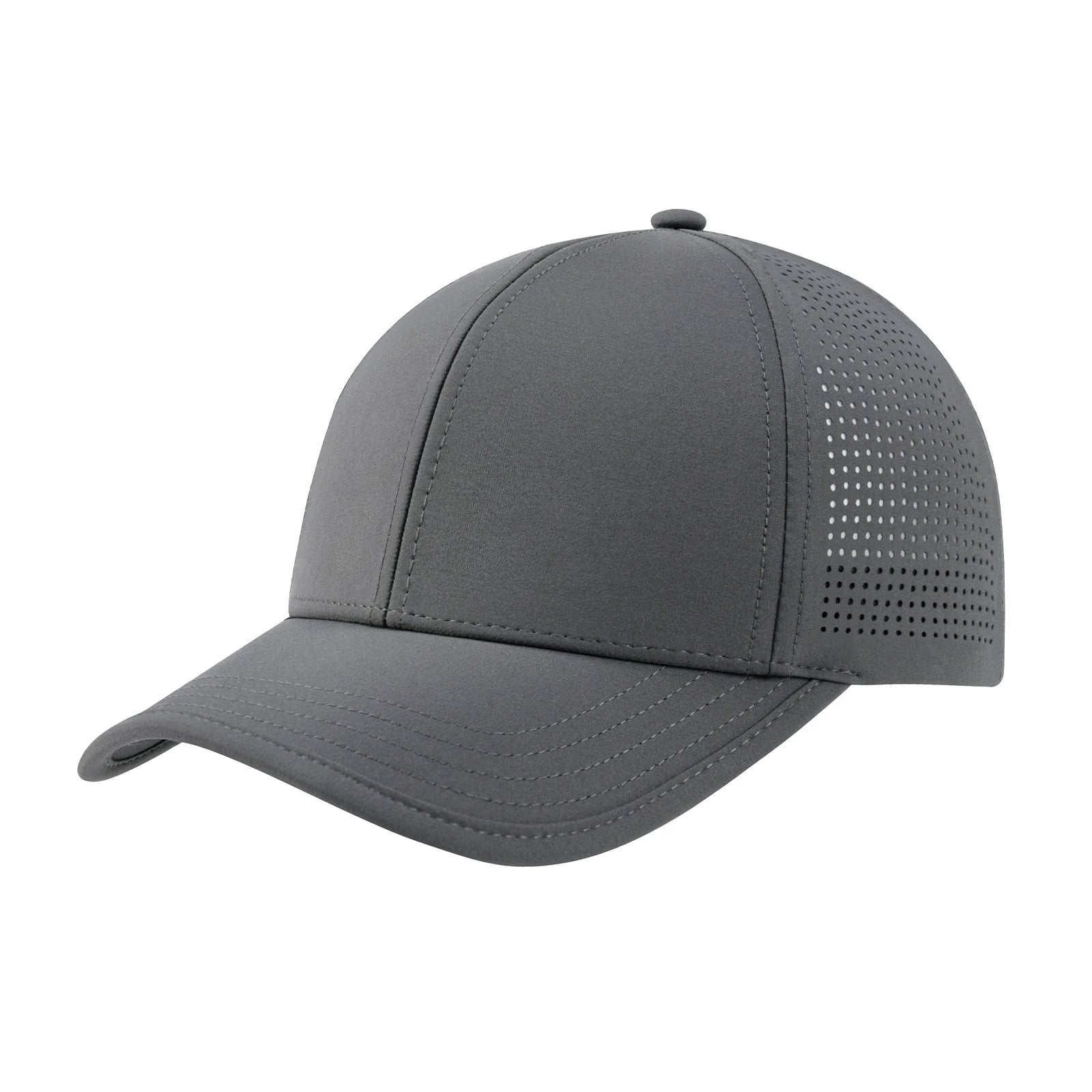
Laser-cut micro-perforations and double-layer builds are the quiet achiever of cap ventilation systems. Fine perforations, often paired with an inner mesh layer, let heat escape while the outer shell keeps its shape and its UPF rating.
Match the type to the job:
- High-exertion activity (running, mountain biking): open mesh panels, prioritise airflow over UPF
- Everyday outdoor wear (walking, fishing, gardening): laser-cut perforations or under-brim mesh for balanced protection
- Vintage or structured styles (canvas caps, straw hats): reinforced eyelets for retrofit flexibility
- Helmet-based sports (cycling, MTB): hidden venting under a skull cap or liner, since helmet vents handle the rest
Breathable fabrics and sweatband systems that keep sweat under control
The shell fabric decides how much moisture your cap holds against your scalp, and the sweatband decides how fast that moisture leaves. Get either one wrong and even a well-vented cap feels clammy by lunchtime.
Cotton feels soft, but it’s the wrong call for hard exercise in the heat. It absorbs sweat and holds onto it, which is exactly what you don’t want when you’re trying to cool down. REI’s fabric guidance is blunt about it: for hot-weather activity, skip cotton and choose synthetic technical fabrics that wick moisture to the surface and dry fast.
Quick fact: Synthetic technical fabrics wick moisture away and dry rapidly during exertion, while cotton absorbs and holds it, according to REI’s expert guidance on breathable fabric choice.
Technical meshes and spacer fabrics take this further. Engineered yarns such as Coolcore Breeze style open-knit meshes combine sweat-wicking performance with a bit of stretch, which is why you’ll find them in caps built for running and high-intensity training. The best sweatband systems use two layers: an inner wicking layer that pulls moisture off your skin, and an outer vapour-permeable barrier that lets it evaporate instead of soaking back through the fabric.
A few practical notes on keeping sweatbands working:
- Rinse sweatbands after heavy use to stop salt build-up, which stiffens fabric and blocks wicking
- Replace foam or terry sweatbands once they lose their spring, usually after a season of regular wear
- In humid climates, quick-drying fibres matter more than open airflow, because evaporation is the bottleneck, not airflow itself
- In dry heat, open mesh performs closer to its potential since sweat evaporates fast regardless of fabric
Check moisture-wicking technology if you want a deeper look at how these fabrics behave under load.
What design features actually improve airflow?
Ventilation isn’t only about holes in the fabric. Crown shape, side venting and fit all play a part, and a cap can have great mesh and still feel hot if these other elements are wrong.
- Crown height matters more than people think. A taller crown creates more air space between the fabric and your scalp, which supports convective cooling as warm air rises away from your head rather than sitting trapped against it.
- Side-wall venting and under-brim exhaust points let hot air escape from the sides and base of the crown without opening up the whole top panel, which is how a cap keeps sun protection over the parts that see the most UV exposure.
- Fit changes everything. An overly tight cap compresses that air gap and traps heat regardless of how many vents it has, so always check fit before assuming a cap will run cool.
- Helmet compatibility narrows your options if you cycle or ride. A low-profile skull cap or liner under the helmet, rather than a structured crown, lets the helmet’s own vents do the heavy lifting; for a closer look at how helmet design balances airflow against aerodynamics, The Sport Factory’s guide is worth a read.
Pro Tip: If you’re buying a cap to wear under a helmet, try it on with the helmet before you commit. A cap that fits fine on its own can bunch up under helmet padding and block the exact vents you’re paying for.
How to choose ventilation for your activity and climate
Matching cap airflow solutions to what you’re actually doing saves you from buying the wrong hat twice.
- Walking or casual outdoor wear: a solid brim with light side vents is usually enough. You’re not generating enough heat to need aggressive mesh.
- Running or high-intensity training: open mesh crown plus a wicking sweatband, since heat build-up is constant and fast drying matters most.
- Cycling or MTB under a helmet: a breathable skull cap or liner with moisture-wicking fabric, leaving airflow duties to the helmet vents.
- Fishing or long sun exposure: hidden laser-cut perforations or under-brim mesh, so you get airflow without sacrificing UPF over hours in direct sun.
Before you buy, run through a short checklist: try the cap with any helmet or headwear you’ll wear it under, check what the sweatband is actually made from (not just what the shell fabric claims), and verify UPF ratings if sun exposure is a real concern for your activity.
Maintenance keeps ventilation working long after purchase. Rinse mesh panels and eyelets after salty, sweaty sessions so perforations don’t clog with residue. Air-dry caps rather than tumble drying, which can warp laser-cut panels. Check sweatbands every few months and replace them once they’ve lost their wicking performance. Our guide on choosing outdoor headwear covers more of this ground if you’re shopping for a specific activity.
Does cap colour and fabric actually change how hot you get?
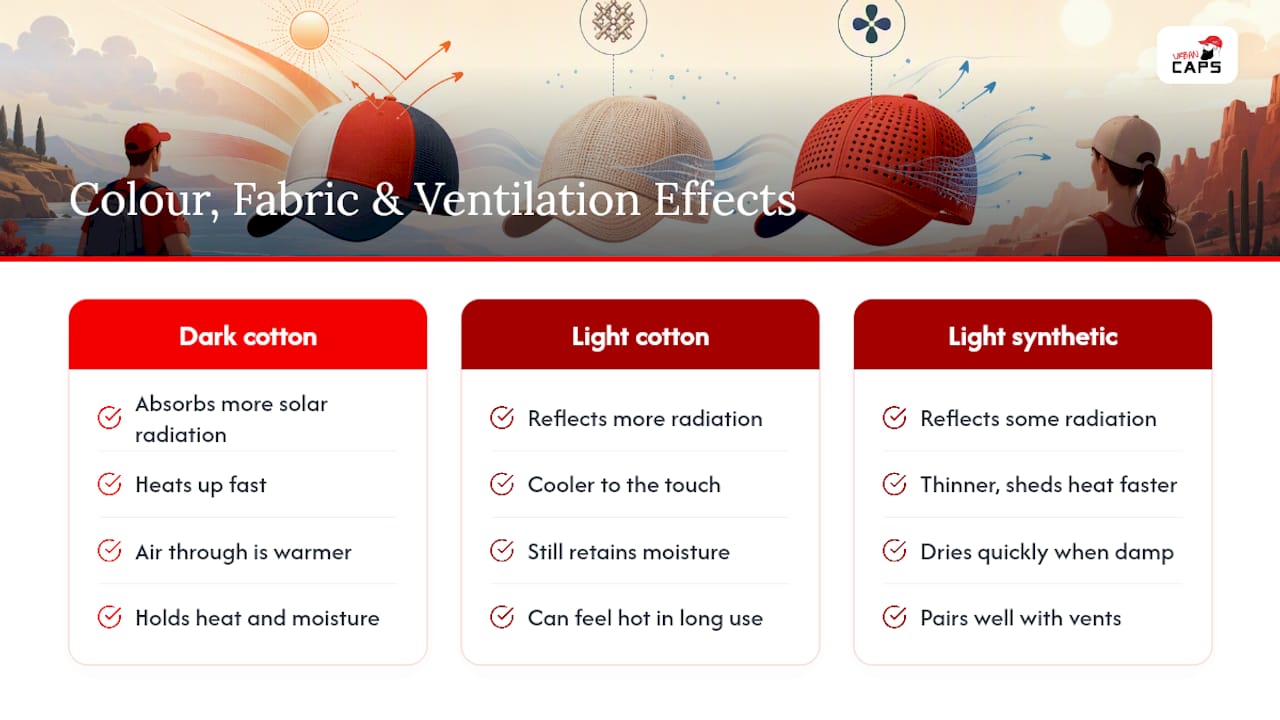
Colour and fabric type both change how much heat your cap absorbs before ventilation even comes into play. Darker colours, particularly black and navy, absorb more solar radiation and heat up faster under direct sun, which means the air passing through your mesh or vents is warmer to start with. Lighter colours, especially white and pale tones, reflect more of that radiation and stay cooler to the touch.
Fabric type compounds the effect. A dense cotton canvas holds heat and moisture close to the scalp regardless of colour, while a lightweight synthetic weave in the same shade sheds heat faster because it’s thinner and dries quicker once damp. This is why a white cotton cap can still feel hotter over a long session than a mid-tone synthetic one with proper mesh panels.
For genuinely hot conditions, the combination that performs best is a lighter colour paired with a synthetic or technical weave and a ventilated panel. That trio addresses heat absorption, moisture retention and airflow all at once, rather than relying on just one factor to do the work. If you’re mostly outdoors in summer, it’s worth weighing colour choice alongside ventilation type rather than picking a shade purely on looks.
Why Urbancaps backs engineered ventilation over gimmicks
The range is built around premium headwear suitable for outdoor use, not just novelty vents that look good on a shelf. Our take: real ventilation comes from proven construction, laser-cut perforation, mesh under-layers and sweatband quality, not marketing claims stapled onto a standard cap.
We back that view with our own blog coverage, including pieces on legionnaire-style sun protection and the practical benefits of choosing the right cap for New Zealand conditions…
— Urban
Where to find vented caps that suit your activity
If you’ve read this far, you know what to look for: mesh where airflow matters most, hidden venting where UPF matters more, and a sweatband that actually dries fast. All three approaches are typically stocked and can be held locally for faster delivery compared to waiting on overseas freight.
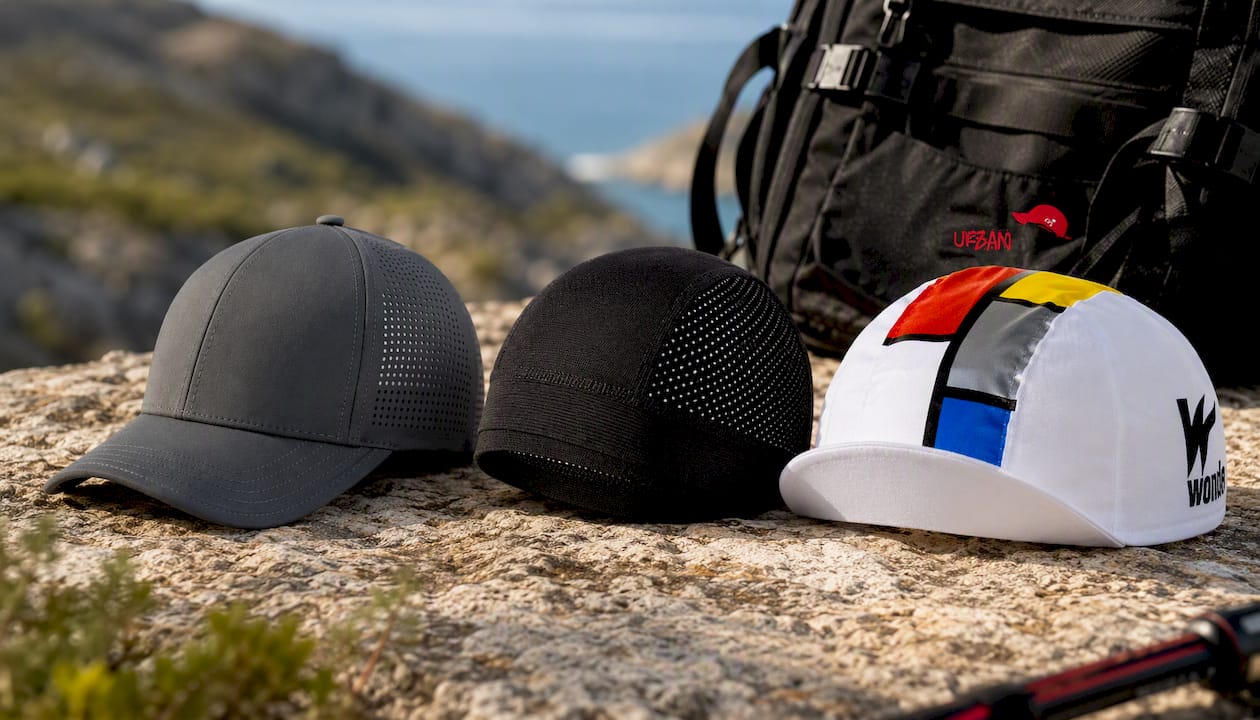
The Ventoux 6-Panel Performance Cap suits anyone wanting laser-cut side vents on a structured, everyday shape, good for walking, fishing or general outdoor wear. The Ventoux Mesh Skull Beanie is built as a helmet liner, quick-dry mesh that sits comfortably under cycling or MTB helmets without bunching. The La Vie Claire Cycling Cap is the classic under-helmet cap for road cyclists who want moisture-wicking coverage with a lower profile.
Beyond these three, browse the full baseball caps range for more vented styles, check beanies for cooler-weather layering, or look at bucket hats if you want a wider brim with built-in airflow. Urbancaps also carries fedoras, cheesecutter caps, newsboy caps, kids caps and leather headwear for every style beyond performance venting. Free shipping applies on all orders within NZ, so there’s no added cost to trying the fit before you commit.
Sources
- How to pick the most breathable fabrics – REI expert advice
- What makes a hat breathable? – The Walkabout Company
- Can you produce both vented and non-vented summer hats? – AceAccessory
FAQ
What’s the best cap ventilation option for running?
Open mesh crown panels combined with a moisture-wicking sweatband work best for running, since they maximise airflow during sustained high exertion. Look for engineered technical meshes rather than basic woven mesh for faster drying.
Do vented caps offer less sun protection?
Open mesh on the crown does lower UPF slightly, but hidden ventilation methods like laser-cut perforations and under-brim mesh preserve sun protection while still improving airflow. Choose hidden venting if you need both cooling and strong UV coverage.
How do I clean cap vents and sweatbands?
Rinse mesh panels and eyelets after sweaty sessions to stop residue clogging the perforations, then air-dry rather than tumble dry. Replace sweatbands once they lose their wicking performance, usually after a season of regular use.
Which fabric is better for humid climates, cotton or synthetic?
Synthetic technical fabrics are the better choice in humid climates because they wick moisture and dry quickly, while cotton absorbs sweat and holds onto it. In humid conditions, fast drying matters more than raw airflow since evaporation is the limiting factor.
Does Urbancaps sell caps designed for helmet use?
Yes, the Ventoux Mesh Skull Beanie and La Vie Claire Cycling Cap are both built as low-profile helmet liners with moisture-wicking fabric. Current pricing for both is available on the Urbancaps site.