

When Men Should Remove Their Hats: Modern Rules, Handling and Care
The rule is simple: wear your hat outdoors, take it off indoors. Exceptions apply for national anthems, memorials, and formal dining, where the hat comes off even outside. Casual caps and beanies get more leeway in relaxed settings, and anyone with a medical or religious reason for keeping their head covered is exempt, full stop.
TL;DR:
- Men should remove their hats when entering private spaces such as homes, restaurants, or offices, unless they have a religious or medical reason to keep them on.
- During ceremonies or moments of respect like national anthems, funerals, or memorials, hats must be taken off regardless of indoor or outdoor settings.
- Casual hats like baseball caps or beanies are acceptable for outdoor or relaxed indoor environments but should be removed indoors in professional or formal settings.
- Proper hat handling involves gripping the brim and making a quick, confident gesture; full removal is preferred when stopping to talk or during formal introductions.
- Hat condition matters; well-maintained, clean hats signal respect, while worn or damaged hats undermine the etiquette of the gesture.
Table of Contents
- What’s the real difference between public and private hat etiquette?
- How should men handle hats during the anthem and other ceremonies?
- Should you take your hat off at the dinner table?
- What’s the correct way to tip or remove a hat?
- Which hat styles suit formal versus casual settings?
- Does hat condition affect how etiquette gestures come across?
- Why trust Urbancaps on hat etiquette?
- Where did men’s hat etiquette actually come from?
- Do hat etiquette rules change from country to country?
- What’s appropriate hat etiquette in the office or at work events?
- A short note on modern hat manners
- Urbancaps picks for getting hat etiquette right
- Sources
- FAQ
What’s the real difference between public and private hat etiquette?
The distinction that actually matters isn’t formal versus casual. It’s public versus private. A hat belongs on your head anywhere the space is shared and transient. It comes off the moment you step into a space someone else controls.
Outdoors, on a train platform, in a stadium crowd or wandering a market, your hat stays put. Nobody owns that space, so nobody’s comfort depends on you baring your head. The moment you walk into someone’s home, a client’s office past the front desk, a theatre, or a restaurant once you’re seated, the calculus changes. That’s now their space, and the MSU Extension guidance on hat removal confirms this outdoor/indoor split is still the backbone of modern etiquette.
A few situations trip people up regularly:
- Hotel lobbies: treat these as public until you’re checking in at the desk or entering a private function room.
- Frigid weather indoors: a beanie in an unheated shed or a chilly church hall is generally forgiven.
- Host preference: if the person whose space you’re in says leave it on, that overrides the general rule.
- Pools and gyms: caps for sun or sweat protection are practical exceptions almost everyone accepts.
When in doubt, the Gentleman’s Gazette sums it up neatly: public, hat on; private, hat off.
How should men handle hats during the anthem and other ceremonies?
Ceremonial moments carry more weight than everyday indoor rules, and they apply outdoors too. Standing for a national anthem, at a memorial service, or during a funeral procession calls for a bare head, regardless of where you’re standing.
- Remove your hat for the anthem, at graveside services, and during moments of silence.
- Weddings follow the host or venue’s lead. Some fascinators and formal hats are part of the dress code and stay on by design.
- Uniformed headdress, including military caps worn under regulation, is the exception. Serving members typically keep theirs on during salutes.
This isn’t arbitrary formality. Historical research on early modern England shows hat removal once functioned as a visible marker of social rank and submission, according to a study published in The Historical Journal. Centuries later, the gesture has shed the hierarchy but kept the meaning: uncovering your head still signals that the moment matters more than your comfort.
Should you take your hat off at the dinner table?
Yes. Once you’re seated to eat, the hat comes off and goes somewhere other than the table, ideally your lap or a nearby hook. Emily Post’s etiquette guidance still lists this as standard practice, even as broader hat rules loosen elsewhere.
A few practical exceptions exist. A hat pinned in place as part of a formal outfit, or one worn for a documented medical reason, can reasonably stay put with a quiet word to whoever’s hosting.
Introductions follow the same logic indoors: take your hat off when you’re formally meeting someone inside. Outdoors, a brim tip covers the same courtesy without the full removal.
- Restaurant dining room, seated: hat off.
- Bar area, standing, ordering a drink: treated more like public space, hat can stay.
- Formal introduction indoors: remove it.
- Passing greeting on the street: a tip or nod does the job.
What’s the correct way to tip or remove a hat?
Good technique makes the gesture look deliberate instead of awkward, and it protects the hat too.
- Grip the brim, not the crown, using your thumb and forefinger. The proper hat handling technique exists partly because touching the crown transfers oil and sweat from your fingers, which speeds up wear.
- Lift and nod for a quick tip. A slight upward movement paired with a nod covers a passing greeting.
- Remove fully when you’re stopping to talk or entering somewhere private. Hold the hat flat against your body or with the crown facing outward, so the lining stays hidden and the brim doesn’t collect grime from your clothes.
Judge the gesture by context. A brisk tip suits someone you’re passing on the footpath. Full removal suits anyone you’re stopping to actually speak with.
Pro Tip: Practise the brim grip a few times at home before you need it in public. A confident, single motion reads as natural; fumbling with the crown looks like you’re not sure what you’re doing.
Which hat styles suit formal versus casual settings?
Not every hat carries the same etiquette weight, and matching the style to the occasion avoids most awkward moments before they happen.
- Fedoras, trilbys, and dress hats read as formal. These are the styles that can occasionally stay on indoors in venues where headwear is part of the aesthetic, like some restaurants or lounges, but they still come off at a private dinner table or during introductions.
- Baseball caps and beanies read as casual. Most etiquette guides expect these off the moment you’re indoors in a professional or formal setting, even if you’d get away with a fedora a little longer.
- Berets and flat caps sit in between. Context and the rest of your outfit usually decide whether they read as smart or relaxed.
Fit and proportion matter more than people expect. A hat sized correctly for your head shape looks intentional; one that’s too large or perched too high undercuts even perfect manners. Urbancaps’ guide to types of headwear for everyday style breaks down which silhouettes suit which settings, and the best practices for stylish hat selection covers fit specifics worth checking before you buy.
Does hat condition affect how etiquette gestures come across?
It does, and this is the part most etiquette guides skip. A doffed hat with a sweat ring around the band or a crushed crown undercuts the whole gesture, no matter how correctly you execute the tip.
- Check the sweatband and brim edge weekly for visible marks, especially in warmer months.
- Brush felt hats with a soft brush in one direction to lift dust before it sets in.
- Store hats crown up on a shelf or hat rack rather than stacked, which flattens the shape over time.
A clean, well kept hat communicates respect on its own, before you’ve even reached up to touch the brim. Urbancaps’ hat care checklist runs through cleaning and storage step by step if you want the full routine rather than the shorthand version.
Why trust Urbancaps on hat etiquette?
Urbancaps deals in hats every day, from fedoras and flat caps through to beanies and cowboy hats, which means fit, fabric, and how a hat behaves in real situations aren’t theoretical for us. This guide draws on that catalogue experience alongside recognised etiquette sources.
For more detail, check Urbancaps’ guide to styling caps for any outfit and the hat selection best practices linked earlier. Later in this guide, we point to specific product examples, including a British-style fedora, a casual baseball cap, and a winter hat, that map directly onto the occasions covered above.
Where did men’s hat etiquette actually come from?
Hat etiquette didn’t start as politeness. It started as social control. In early modern England, who could wear what hat, and when they had to remove it, was tightly bound up with class and rank, according to research published in The Historical Journal. A commoner failing to uncover his head before a social superior wasn’t being rude by accident; he was making a statement, intentional or not.
That hierarchy softened over the following centuries, but the underlying gesture survived. By the 19th and early 20th centuries, hat etiquette had become less about rank and more about general social courtesy: men removed hats indoors, in the presence of women, and during formal introductions as a matter of course. Top hats, bowlers, and homburgs each carried their own unwritten rules about when they came off and when they stayed firmly on.
The mid 20th century saw the daily hat habit collapse almost entirely in Western dress, partly through changing fashion and partly through the rise of car travel, which made hats less practical for everyday wear. What’s left today is a leaner set of rules, stripped of the class signalling but keeping the core logic: uncovering your head still marks respect, attention, or occasion, even if most men now only wear a hat a few times a week rather than every day.
Do hat etiquette rules change from country to country?
Broadly, yes, though the differences are more about degree than direction. English speaking countries, including Australia and New Zealand, tend to follow a version of the public/private split described earlier, inherited largely from British etiquette traditions.
Religious and cultural headwear sits outside these general rules entirely. Head coverings worn for religious observance, such as a kippah, turban, or hijab, aren’t governed by the same removal expectations, and conflating the two is a common and easily avoided mistake. Etiquette writers increasingly treat this as a firm exemption rather than a grey area.
Warmer climates also shift the baseline. In places with intense sun exposure, wide brimmed hats worn indoors in semi-outdoor spaces, verandas, covered markets, outdoor dining areas, get more social tolerance than the same hat would in a fully enclosed room. Formality expectations in business and government settings tend to mirror whatever dominant etiquette tradition a country inherited, whether that’s British, American, or another regional standard, rather than following a single global rule.
The practical takeaway for anyone travelling or working across cultures: default to the general public/private rule, then watch what locals actually do before assuming your home country’s habits transfer directly.
What’s appropriate hat etiquette in the office or at work events?
Business settings are where the general private space rule applies most strictly, and where getting it wrong is most visible. Once you’re past the lobby of an office building, a hat generally comes off, whether you’re in a meeting, at someone’s desk, or attending an internal event.
Client facing roles tend to apply this even more rigidly. Sales calls, client meetings, and formal presentations are not the place for a baseball cap, no matter how casual the broader office culture is. Trade shows and outdoor work sites are the exception; a cap worn for sun protection or as part of branded workwear on an outdoor job reads as practical, not disrespectful.
Networking events and work functions held in venues like restaurants or hotel function rooms follow the venue’s own private space rules rather than office norms. If you’d remove a fedora at a private dinner, the same logic applies at a work dinner in the same kind of venue.
One nuance worth remembering: a well chosen fedora or trilby at a smart casual work function can read as polished rather than out of place, provided it comes off once you’re seated or being introduced to someone new. The guide to smart casual dressing covers how accessories like hats fit into that broader dress code, which is worth a look if your workplace runs on smart casual expectations.

A short note on modern hat manners
Rules help, but reading the room matters more. If a host waves off convention and tells you to keep your hat on, take the hint over the rulebook. Consider who’s around you, whether your brim blocks someone’s view, and adjust from there. For the finer points on fit and upkeep, the styling and care guides linked throughout this piece are worth bookmarking.
— Urban
Urbancaps picks for getting hat etiquette right
Matching the hat to the occasion is half the etiquette battle, and Urbancaps stocks pieces built for exactly the situations covered above. For formal occasions, weddings, smart dinners, or anywhere a dress hat reads as polished rather than out of place, the Fashionable Men’s British Gentleman Fedoras Hat hits the brief.
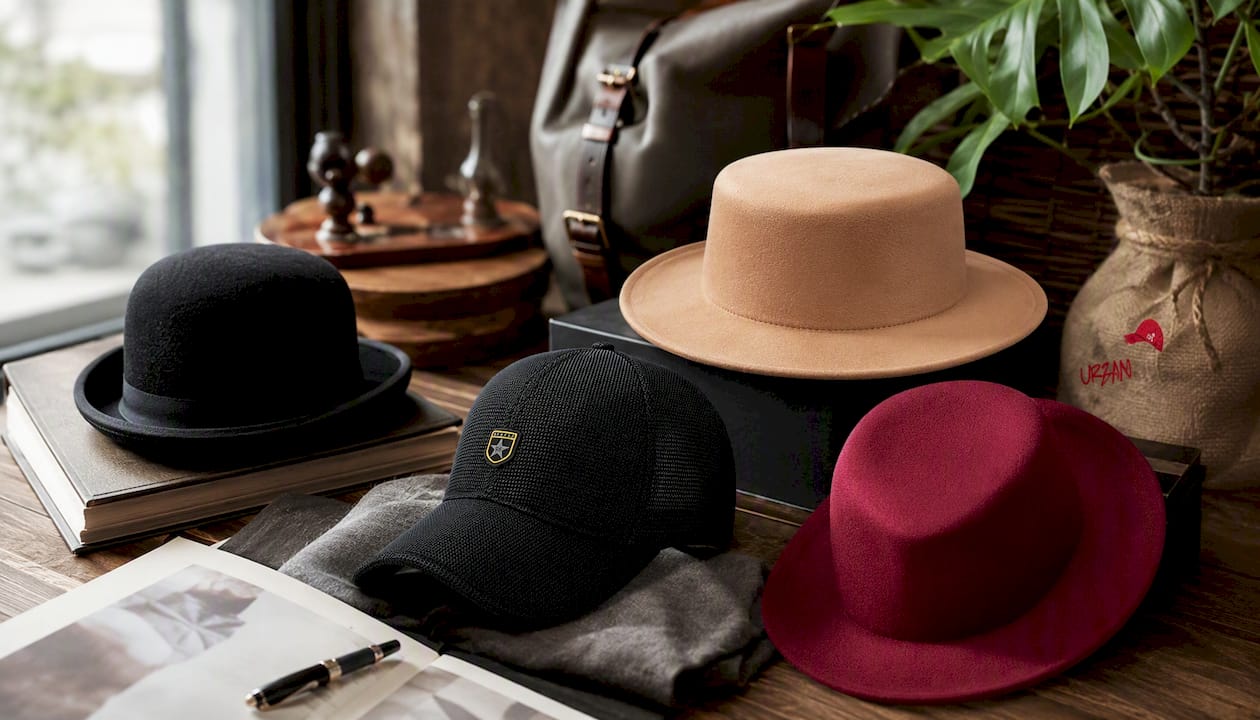
For daily wear where a quick removal indoors is all etiquette demands, the Basic Men’s Cap – Clean Casual Everyday Baseball Hat covers commutes, errands, and outdoor sun protection without overthinking it. Once the cold sets in, the Autumn and winter new British men’s hat handles the seasonal shift while still looking deliberate rather than thrown on. Browse the range and find the piece that matches your next occasion at Urbancaps.
Sources
- When should men remove their hats? - MSU Extension
- Men’s Hat Etiquette Guide - Gentleman’s Gazette
- Cultural, social and ideological role of the hat in early modern England - The Historical Journal
FAQ
What is the hat rule for men?
Wear your hat outdoors and take it off once you’re indoors in a private or formal space, unless a uniform, religious observance, or medical need requires otherwise.
Is it considered rude to wear a hat at the table?
Yes, once you’re seated to eat, hats generally come off, with allowances for hats pinned as part of formal dress or worn for a medical reason.
Is it rude to not tip your hat?
Not tipping isn’t considered rude today. Hat tipping is a recognised courtesy rather than an obligation, and a simple nod covers most passing greetings just as well.
When should a man not wear a hat?
Skip the hat during the national anthem, at memorials or funerals, during formal indoor introductions, and once you’re seated at a dining table, unless you’re in uniformed headdress or have a religious or medical exemption.