

Hats for Kiwi lifestyles explained: your 2026 guide
TL;DR:
- In New Zealand, hats designed for outdoor use combine UV protection, weather resistance, and style to suit high-UV environments and outdoor lifestyles. Different styles such as flat caps, bucket hats, and oilskin hats serve various activities from urban walks to farming and water sports, with design features like brim width and UPF fabrics protecting against harsh UV rays. Year-round hat use with proper care is essential to prevent skin damage and skin cancer, which is highly prevalent in New Zealand.
Hats for Kiwi lifestyles are defined as headwear that combines UV protection, weather resistance, and personal style to suit New Zealand’s outdoor culture and high-UV environment. Skin cancer is the most commonly diagnosed cancer in New Zealand, placing enormous pressure on the health system and making sun-smart habits a daily necessity. The right hat is not a fashion afterthought. For Kiwis who hike the Tongariro Alpine Crossing, fish the Marlborough Sounds, or simply walk the kids to school, a well-chosen hat is the single most practical kiwi lifestyle accessory you can own.
What types of hats are popular in New Zealand?
New Zealand hat culture draws from Māori tradition, rural heritage, and a coastal outdoor identity that few other countries share. The result is a mix of classic and contemporary styles, each suited to a different slice of Kiwi life.

The cheesecutter flat cap
The cheesecutter, also known as the flat cap or newsboy cap, is the most iconic hat in New Zealand’s heritage wardrobe. It traces its roots to working-class British settlers and was adopted widely by farmers, shearers, and rural communities throughout the twentieth century. Today it sits comfortably between heritage fashion and everyday casual wear. Urbancaps stocks flat caps in wool and tweed blends that hold their shape through the cooler southern months, making them a practical choice for autumn and winter outings.
Bucket hats and coastal casual wear
Bucket hats dominate coastal and casual settings across New Zealand, particularly among women and younger Kiwis. Their all-around brim provides decent shade for the face, ears, and neck without requiring any adjustment. The Tucket Bucket Hat in cotton ripstop is a strong example: lightweight, packable, and built for summer comfort. Bucket hats also pair naturally with swimwear, making them a popular choice at beaches from Piha to Kaikōura.
Oilskin and rugged outdoor hats
Oilskin hats carry a distinctly Kiwi and Australian rural identity. Waterproofed with wax or oil treatments, they shed rain reliably and age well with use. They suit farmers, trampers, and anyone spending long days in variable weather. Urbancaps also features Australian heritage collection styles that draw on this tradition, blending durability with a timeless silhouette.
Modern styles blending heritage and contemporary fashion
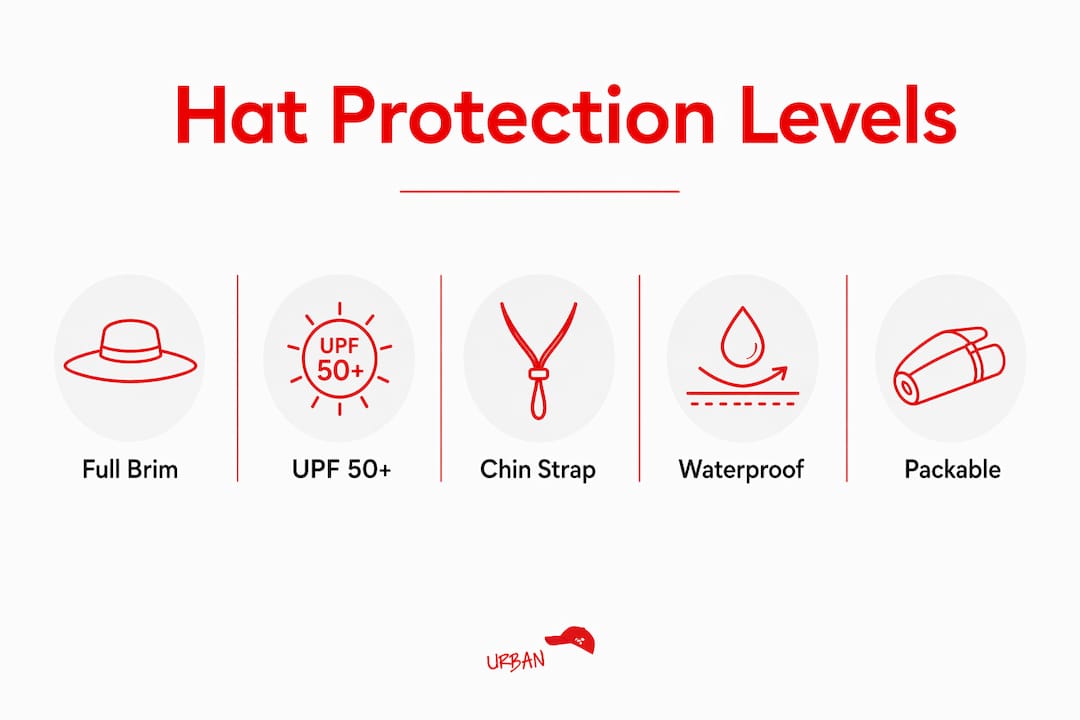
Wide-brim sun hats with mesh panels, packable safari styles, and structured fedoras now sit alongside the classics in New Zealand’s hat culture. These styles reflect a broader shift: Kiwis want hats that work hard outdoors and still look good at a café afterwards. The table below shows how the most popular styles compare across key lifestyle factors.
| Hat style | Best use | Brim coverage | Packable |
|---|---|---|---|
| Flat cap / cheesecutter | Urban, casual, cooler months | Low | Yes |
| Bucket hat | Beach, coastal, casual summer | Moderate | Yes |
| Wide-brim sun hat | Hiking, fishing, outdoor work | High | Varies |
| Oilskin hat | Farming, tramping, wet weather | Moderate to high | No |
| Mesh sun hat | Fishing, hiking, warm weather | High | Yes |
How does NZ’s UV radiation shape hat design?
New Zealand sits at a latitude where the ozone layer is thinner and UV radiation reaches the ground at higher intensity than in many comparable climates. The consequences are serious. About 2,800 invasive melanoma cases are diagnosed annually in New Zealand, alongside roughly 90,000 non-melanoma skin cancers treated each year, with approximately 500 deaths. Those numbers make sun protection a genuine public health priority, not a lifestyle preference.
Two-thirds of New Zealanders reported at least one sunburn in the 2025/26 summer. That figure shows the gap between knowing sun safety matters and actually practising it consistently.
Brim width: the most important design feature
Full-brim hats reduce UV exposure for the face, ears, and neck more effectively than caps. A brim of at least 7.5 cm (3 inches) is the minimum recommended for meaningful sun protection. For hiking and extended outdoor use, brims of 8–10 cm with chin straps protect the face and neck while staying secure in wind. A baseball cap, by contrast, leaves the ears and neck almost entirely exposed.
UPF fabrics and construction
UPF (Ultraviolet Protection Factor) is the textile equivalent of SPF. A UPF 50+ rating blocks over 98% of UV radiation. Tightly woven fabrics, darker colours, and synthetic blends generally achieve higher UPF ratings than loose-weave natural fibres. When choosing a hat for outdoor activities, check the UPF rating on the label. Many fashion hats carry no rating at all, which does not mean they offer no protection, but it does mean you cannot verify what you are getting.
The cloudy day trap
Up to 80% of UV rays penetrate cloud cover, meaning a grey sky offers almost no protection from UV radiation. Kiwis who skip their hat on overcast days are still accumulating UV damage. Consistent hat use, regardless of cloud cover, is the single most reliable way to reduce daily UV exposure.
This is one of the most common sun safety gaps observed across New Zealand. Pairing a wide-brim hat with a UV swimshirt, such as the Adelaide Crop UV Swimshirt, gives full-body coverage on days when you are spending hours near water.
The winter sting
The “winter sting” phenomenon describes the way UV damage accumulates even in cooler seasons. New Zealand’s UV index regularly reaches moderate to high levels in winter, particularly in the North Island and at altitude. Year-round hat use is not overcaution. It is the only way to prevent cumulative skin damage across all seasons.
| Season | Typical UV risk in NZ | Hat recommendation |
|---|---|---|
| Summer | Very high to extreme | Wide-brim UPF hat, daily |
| Autumn | High | Wide-brim or bucket hat |
| Winter | Moderate (higher at altitude) | Flat cap or packable brim hat |
| Spring | High to very high | Wide-brim hat, resume daily use |
How to choose the best hat for your outdoor activity
Choosing the right hat starts with knowing what you will actually be doing in it. A hat that works brilliantly on a fishing boat may be uncomfortable on a city walk. Match the hat to the activity first, then consider style.
-
Hiking and tramping. Choose a wide-brim hat with a brim of at least 8 cm and a chin strap. New Zealand’s mountain weather changes fast, and a hat that blows off on the Routeburn Track is useless. Look for lightweight, packable options with UPF 50+ fabric. The Tasman wide-brim mesh hat from Urbancaps covers all these requirements with added mesh ventilation for warm-weather climbs.
-
Fishing. Fishing hats need full brim coverage, ventilation, and ideally water resistance. Water sports hats should be water-resistant and buoyant to stay effective and safe during aquatic activities. A hat that sinks when it hits the water is a problem on a moving boat. Mesh panels keep you cool during long sessions on the water.
-
Beach and coastal activities. Bucket hats and wide-brim sun hats both work well at the beach. Prioritise packability so the hat fits in a bag without losing its shape. A chin strap or adjustable drawcord helps on breezy coastal days.
-
Urban and casual wear. For everyday city use, breathable and stylish options win. A lightweight fisherman hat or a structured flat cap gives you shade without looking like you are heading into the bush. The men’s breathable summer sun hat from Urbancaps is built for exactly this: UV protection with a clean, wearable silhouette.
-
Cycling and running. Low-profile options work better under helmets or for aerodynamic comfort. A lightweight cap with a short brim or a running-specific bucket hat keeps sweat out of your eyes while offering some UV coverage.
Pro Tip: If you are buying one hat to cover multiple activities, choose a wide-brim style with a packable brim, chin strap, and UPF 50+ rating. It handles hiking, fishing, and beach days without compromise.
For a deeper breakdown of styles matched to specific environments, the outdoor hats guide for active Kiwis from Urbancaps covers the full range.
How to wear and care for your hat in NZ conditions
A good hat lasts years if you treat it right. New Zealand’s weather, salty air, and strong UV all take a toll on materials and construction. These habits keep your hat performing well.
- Store hats on a hook or hat stand. Stacking hats or cramming them into a bag crushes the brim and distorts the crown. Wide-brim hats especially need to be stored upright or hung to retain their shape.
- Re-waterproof oilskin and waxed hats annually. Wax treatments wear off with use and washing. A fresh coat of hat wax before the wet season restores water repellency and extends the life of the hat significantly.
- Secure your hat in wind. A chin strap is critical in New Zealand to keep hats secured in gusty coastal and mountainous environments. If your hat does not have one, look for styles with an adjustable drawcord or internal sweatband that grips the head firmly.
- Choose mesh panels for summer comfort. Mesh side panels allow airflow without sacrificing brim coverage. They are the single best feature for hot-weather comfort, particularly on hikes where body heat builds quickly.
- Hand wash most hats in cool water. Machine washing distorts brims and weakens stitching. A soft brush and mild soap remove sweat and salt without damaging the fabric or UPF coating.
- Wear your hat year-round, not just in summer. UV accumulates across all seasons in New Zealand. A packable hat in your bag means you always have protection available, regardless of the forecast.
Pro Tip: Salt from sweat and sea air degrades hat fabric faster than UV exposure does. Rinse your hat with fresh water after beach or fishing sessions, then air dry in the shade to preserve both colour and structure.
Incorporating a hat into everyday style is straightforward. A flat cap or structured bucket hat works with most casual outfits. Wide-brim sun hats pair well with linen shirts and shorts for a relaxed summer look that still delivers serious UV protection. Style and function are not competing priorities. The right hat delivers both without asking you to choose.
For more on building a year-round sun-safe wardrobe, the UV protection guide from Urbancaps covers the full picture.
Key takeaways
The most effective approach to choosing hats for Kiwi lifestyles is to match brim width, UPF rating, and chin strap to your specific outdoor activity, then wear that hat every day, regardless of season or cloud cover.
| Point | Details |
|---|---|
| Brim width is non-negotiable | Choose a brim of at least 7.5 cm for meaningful UV protection of face, ears, and neck. |
| UPF rating matters | Look for UPF 50+ on the label; fashion hats without ratings offer unverified protection. |
| Chin straps prevent loss | NZ’s gusty coastal and mountain conditions make chin straps a practical necessity, not an optional extra. |
| Year-round use is required | UV damage accumulates in winter and on cloudy days, so consistent hat use across all seasons protects your skin. |
| Match hat to activity | Hikers need wide-brim packable hats; water sports require buoyant, water-resistant styles; urban wear suits breathable, structured options. |
Urban’s take on hats and sun safety in New Zealand
I have spent enough time outdoors in New Zealand to know that most people underestimate the UV risk until they get burned. The mistake is not ignorance. It is inconsistency. People wear a hat on a sunny Saturday at the beach and then skip it on a cloudy Tuesday walk because it does not feel necessary. That Tuesday walk is where the damage adds up.
The hat styles I keep coming back to are wide-brim options with chin straps. Not because they are the most fashionable choice, but because they are the most honest. They do not pretend to offer protection and then leave your ears and neck exposed. A baseball cap looks great, but it is not a sun hat. Calling it one is where most people go wrong.
What I find genuinely interesting about New Zealand’s hat culture is how quickly it has shifted. Ten years ago, a wide-brim sun hat on a man in a city was unusual. Now it reads as considered and practical. That shift reflects a broader awareness of what the NZ sun actually does to skin over a lifetime. The selecting hats guide from Urbancaps captures this well: style and function are no longer separate conversations.
My honest recommendation is to own at least two hats. One wide-brim option for outdoor activities, and one packable everyday hat that lives in your bag. That combination covers almost every situation New Zealand throws at you, from a summer tramp to a winter market.
— Urban
Hats built for Kiwi outdoor life, in stock now
Urbancaps stocks a focused range of hats built specifically for New Zealand conditions, with fast NZ delivery and no minimum order.
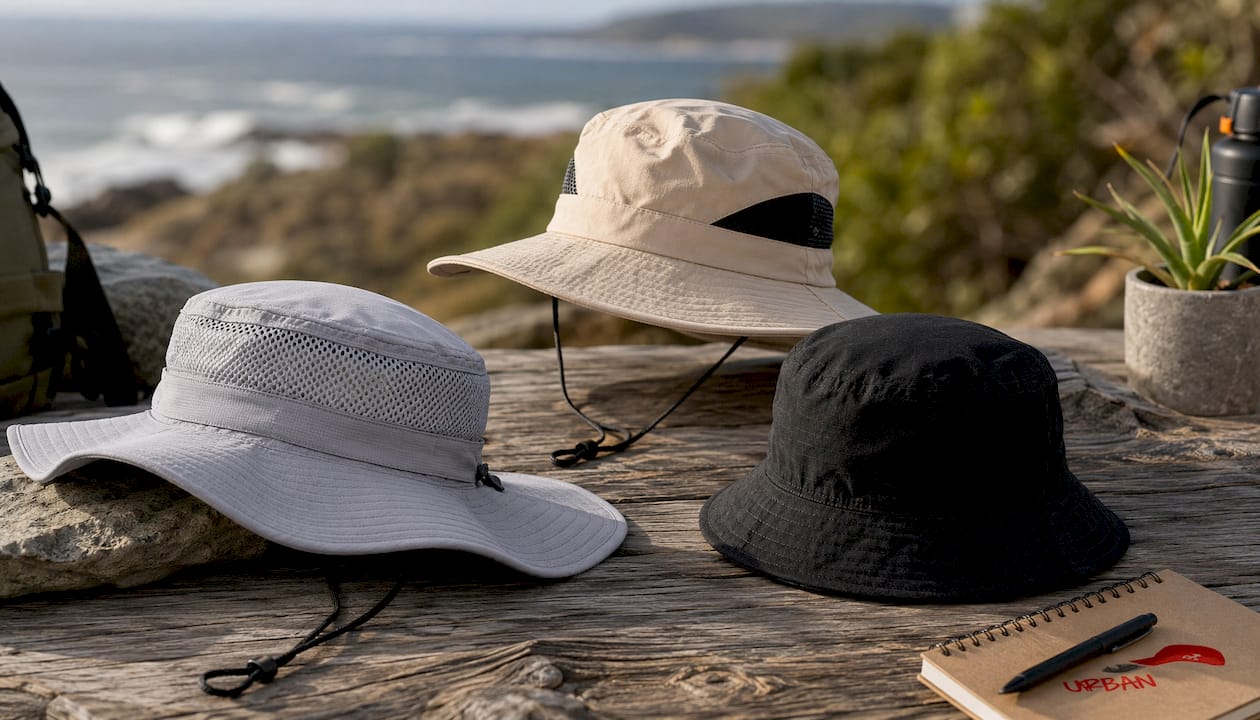
The men’s breathable summer sun hat is lightweight and UV-rated, ideal for everyday outdoor use from the city to the coast. For serious outdoor days, The Tasman wide-brim mesh hat delivers full brim coverage with ventilation for fishing and hiking. The Tucket Bucket Hat in cotton ripstop rounds out the range with a packable, stylish option that suits beach days and casual summer outings. All three are in NZ stock and ready to ship.
FAQ
What brim width gives the best sun protection?
A brim of at least 7.5 cm (3 inches) is the minimum for effective UV protection of the face, ears, and neck. For hiking and extended outdoor use, 8–10 cm is recommended.
Do I need a hat on cloudy days in New Zealand?
Yes. Up to 80% of UV rays penetrate cloud cover, so UV exposure continues on overcast days. Consistent hat use regardless of cloud cover is the most reliable way to reduce daily UV damage.
What hat features matter most for NZ outdoor activities?
Wide brim coverage, a UPF 50+ fabric rating, and a chin strap are the three most important features for Kiwi outdoor conditions. Packability and ventilation are valuable additions for hiking and water activities.
How often should I re-waterproof an oilskin hat?
Re-waterproofing annually before the wet season is the standard recommendation. Regular use and exposure to salt air accelerate the breakdown of wax treatments, so inspect the hat’s water repellency at the start of each winter.
Is skin cancer really that common in New Zealand?
Skin cancer is the most commonly diagnosed cancer in New Zealand. Approximately 2,800 invasive melanoma cases are diagnosed each year, alongside around 90,000 non-melanoma skin cancers, with approximately 500 deaths annually.