


Headwear Craftsmanship: Why Quality Matters Most
For many New Zealanders, finding headwear that delivers both standout style and lasting quality can feel like a challenge. Unique hats and caps are more than just fashion statements—they blend traditional artisan skills with modern design, elevating everyday and outdoor looks. Whether you value artisan craftsmanship in material transformation or crave performance for your busy lifestyle, discover how true headwear artistry sets exceptional pieces apart from the ordinary.
Table of Contents
- What Defines Headwear Craftsmanship
- Types of Artisan Headwear Styles
- Materials and Techniques in Hat Making
- Notable Details and Finishing Touches
- Benefits of Choosing Quality Craftsmanship
Key Takeaways
| Point | Details |
|---|---|
| Craftsmanship is Multifaceted | True headwear craftsmanship blends material understanding, hand techniques, and cultural heritage, creating pieces that are not just functional but also tell a story. |
| Artisan Styles Reflect Culture | Artisan headwear styles convey deep historical significance and regional identity, transforming each piece into a cultural artifact. |
| Modern Techniques Enhance Quality | Quality craftsmanship incorporates both traditional methods and modern technologies, resulting in superior performance and aesthetic appeal. |
| Investment in Quality is Rewarding | Choosing well-crafted headwear ensures durability, comfort, and ethical production, transforming hats into personal statements rather than mere accessories. |
What Defines Headwear Craftsmanship
Craftsmanship in headwear represents a nuanced blend of skill, tradition, and innovative technique that transforms simple materials into exceptional products. At its core, craftsmanship transcends mere manufacturing - it embodies a deep understanding of material properties, design principles, and generational knowledge. Artisanal skills in material transformation reflect a perceptive-cognitive engagement with the production process.
The essence of true craftsmanship involves multiple interconnected elements:
- Profound material understanding
- Precision hand techniques
- Cultural design heritage
- Technical skill mastery
- Attention to minute design details
Traditional craftsmanship integrates human touch with technological innovation, preserving cultural identity while advancing production quality. Cultural heritage through manufacturing techniques allows artisans to create products that are simultaneously functional, aesthetically compelling, and historically meaningful.
Modern headwear craftsmanship requires a delicate balance between respecting traditional methods and embracing contemporary design principles. Skilled craftspeople must understand fabric behavior, structural engineering, and aesthetic considerations to produce headwear that meets both practical and stylistic demands. Each hat represents a complex narrative of design, material selection, and technical execution.
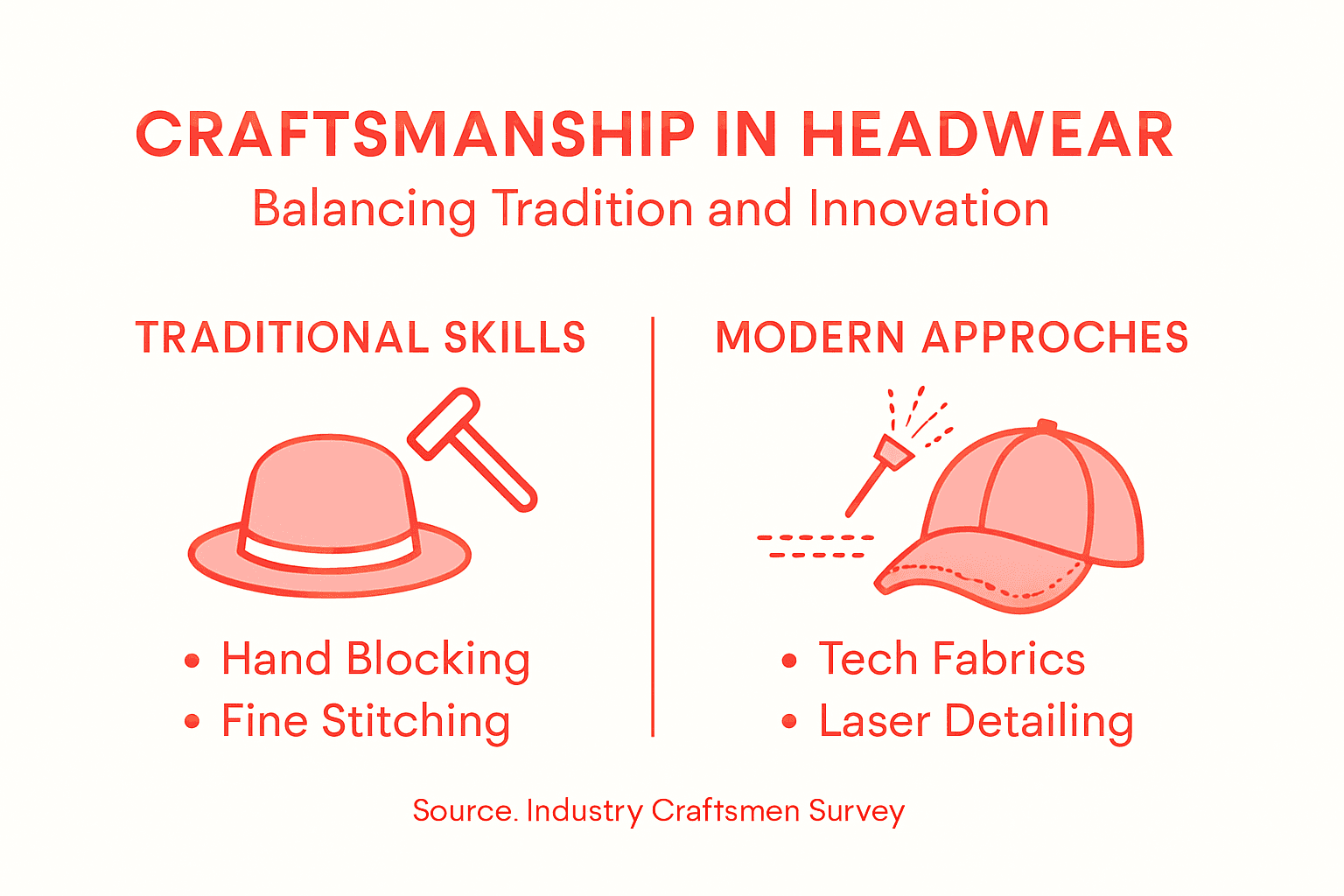
Pro tip: When evaluating headwear craftsmanship, examine the internal stitching, fabric consistency, and precision of design details to understand the true quality of the piece.
Types of Artisan Headwear Styles
Artisan headwear represents a fascinating global tapestry of cultural expression, with styles that transcend mere fashion and embody deep historical significance. Diverse global headwear traditions showcase an incredible range of designs reflecting regional identity, functional needs, and artistic innovation. From the structured elegance of European fedoras to the intricate ceremonial headdresses of indigenous cultures, each style tells a unique narrative.
The primary categories of artisan headwear styles include:
-
Classic European Styles
- Fedoras
- Bowler hats
- Berets
- Flat caps
-
Cultural Ceremonial Headwear
- Tribal crowns
- Religious turbans
- Feathered war bonnets
-
Functional Design Styles
- Outdoor adventure hats
- Urban contemporary caps
- Performance athletic headwear
Headwear as cultural storytelling goes beyond aesthetic appeal, representing complex social narratives and individual identities. Each style emerges from specific environmental, historical, and social contexts, making headwear a profound medium of human expression. Artisan craftsmanship transforms these styles from simple accessories into intricate cultural artifacts.
To better understand key artisan headwear styles, here’s a comparison of their origins, typical materials, and cultural significance:
| Headwear Style | Common Origin | Typical Materials | Cultural Significance |
|---|---|---|---|
| Fedora | Western Europe | Wool, Felt, Straw | Associated with classic menswear |
| Tribal Crown | Indigenous Americas, Asia | Feathers, Beads | Symbolizes authority and ritual |
| Urban Cap | Global cities | Cotton, Polyester | Represents urban fashion trends |
| Religious Turban | South Asia, Middle East | Cotton, Silk | Embodies religious devotion |
| Outdoor Adventure Hat | North America, Australia | Straw, Technical Fabrics | Provides sun and weather protection |
Contemporary headwear design beautifully balances traditional techniques with modern innovation, creating styles that honor heritage while meeting current functional and aesthetic demands. Skilled artisans carefully integrate time-honored construction methods with cutting-edge materials, ensuring that each piece represents both historical depth and current design sensibilities.
Pro tip: When exploring artisan headwear, examine the construction details, material origins, and cultural context to truly appreciate the craftsmanship behind each unique style.
Materials and Techniques in Hat Making
Hat making represents a sophisticated craft blending artistic vision with technical precision, where premium materials and intricate techniques transform simple fabrics into wearable masterpieces. The process involves carefully selecting materials that balance durability, comfort, and aesthetic appeal, requiring deep understanding of textile properties and manufacturing methods.
Key materials used in artisan hat production include:
-
Natural Fibers
- Wool
- Cotton
- Felt
- Straw
-
Synthetic Alternatives
- Performance polyester
- Moisture-wicking blends
- Lightweight nylon
-
Specialty Fabrics
- Waterproof membranes
- Breathable technical textiles
- Recycled fabric composites
Traditional millinery techniques require extraordinary skill, involving complex processes like blocking, where materials are carefully shaped over wooden forms to create precise contours. Artisans must master multiple techniques including fiber matting, intricate stitching, and strategic fabric manipulation to produce high-quality headwear.
Modern hat making synthesizes traditional craftsmanship with advanced manufacturing technologies, allowing for unprecedented design flexibility and performance optimization. Skilled artisans now combine hand-finishing techniques with precision machinery, creating headwear that honors historical methods while meeting contemporary style and functional demands.
Pro tip: Examine the interior construction and stitching details of a hat to truly assess its craftsmanship and quality.
Notable Details and Finishing Touches
Crafting exceptional headwear demands meticulous attention to subtle design elements and precise finishing techniques. These nuanced details transform an ordinary hat into a sophisticated piece of wearable art, distinguishing high-quality craftsmanship from mass-produced alternatives.
Key finishing touches that define superior headwear include:
-
Structural Elements
- Precision hand-stitched seams
- Reinforced edge treatments
- Carefully aligned panels
-
Aesthetic Embellishments
- Custom ribbon trims
- Delicate embroidery
- Carefully placed decorative elements
-
Interior Considerations
- Smooth, comfortable linings
- Sweatband quality
- Hidden structural reinforcements
Exquisite craftsmanship emerges through intricate details, where each stitch and join reflects the artisan’s dedication to quality. These refinements go beyond mere decoration, providing structural integrity and visual sophistication that elevate headwear from functional accessory to personal statement.
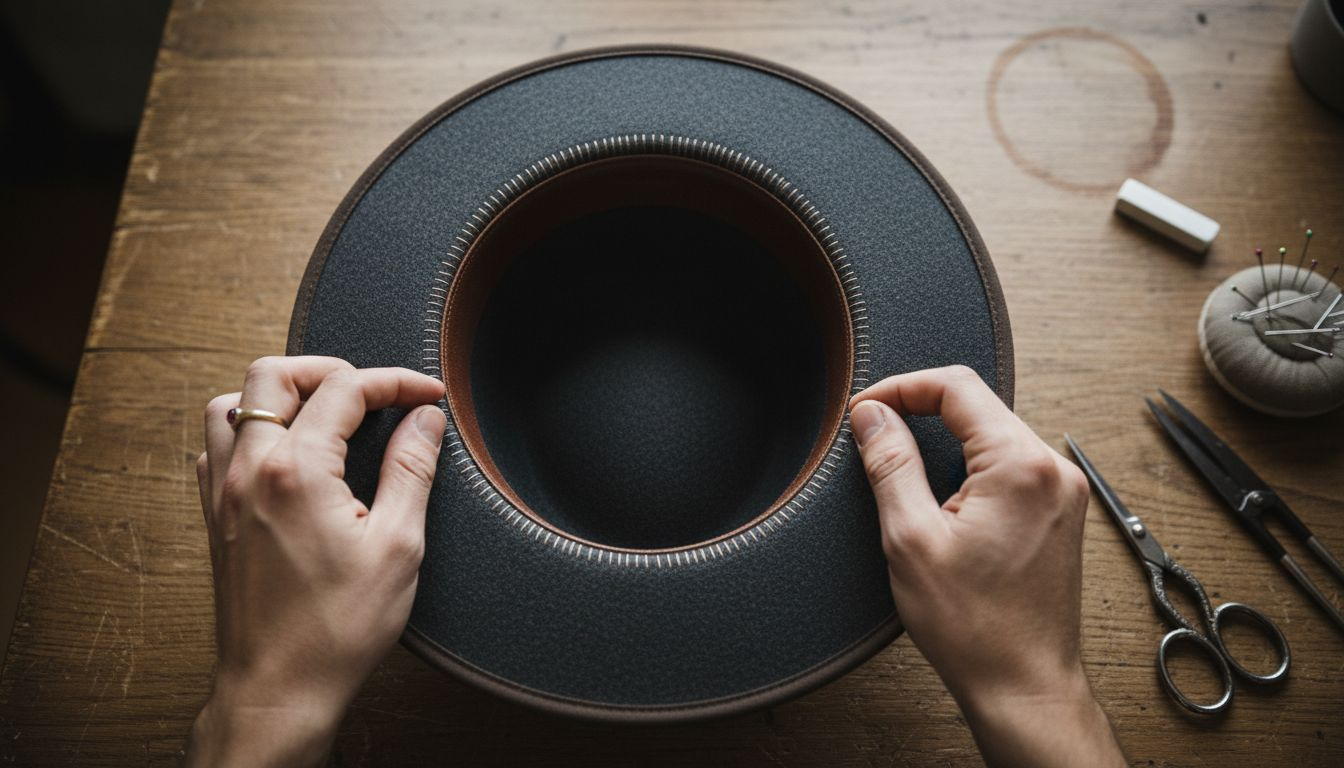
Modern artisan hat makers blend traditional hand-finishing techniques with advanced manufacturing precision, creating pieces that honor historical craftsmanship while meeting contemporary style expectations. The most exceptional headwear tells a story through its carefully considered details, revealing the skill and passion invested in its creation.
Here’s a quick reference outlining how various finishing details impact the quality and experience of artisan hats:
| Finishing Detail | Function | Impact on Quality |
|---|---|---|
| Hand-stitched Seams | Joins materials securely | Increases durability and fit |
| Comfort Lining | Enhances interior feel | Boosts long-term wearability |
| Decorative Ribbons | Adds unique visual accent | Distinguishes artisanal design |
| Sweatband Construction | Absorbs moisture and supports crown | Improves comfort and longevity |
Pro tip: Examine a hat’s interior as closely as its exterior to truly appreciate the depth of its craftsmanship.
Benefits of Choosing Quality Craftsmanship
Quality craftsmanship transforms headwear from a simple accessory into an investment piece that delivers exceptional value through superior manufacturing techniques. These meticulously produced items offer far more than aesthetic appeal, providing tangible benefits that extend well beyond initial purchase.
Key advantages of choosing high-quality crafted headwear include:
-
Durability Benefits
- Extended product lifespan
- Resistance to wear and tear
- Maintained structural integrity
-
Performance Advantages
- Better fabric performance
- Enhanced comfort
- Improved fit retention
-
Ethical and Sustainable Impacts
- Support for local artisans
- Reduced environmental waste
- Higher quality material sourcing
Handmade craftsmanship supports broader social and environmental goals, creating products that carry deeper meaning than mass-produced alternatives. Each carefully constructed piece represents a commitment to quality, cultural preservation, and responsible manufacturing practices.
Beyond immediate functional benefits, quality craftsmanship creates emotional connections between the wearer and their headwear. These pieces become more than accessories—they transform into personal statements that reflect individual style, appreciation for skill, and commitment to exceptional design.
Pro tip: Invest in one well-crafted hat rather than multiple cheaper alternatives for lasting style and performance.
Discover Premium Headwear Crafted for Quality and Style
The challenge in the world of headwear lies in finding pieces that demonstrate true craftsmanship balancing durable materials, precise construction, and timeless design. Many consumers face frustration with hats that lack comfort, longevity, or cultural authenticity. If you value artisan techniques such as hand-stitched seams, quality linings, and heritage-inspired aesthetics, investing in well-crafted hats can transform your wardrobe into an expression of style and resilience.
Urban Caps understands these needs and offers a carefully curated collection that celebrates craftsmanship and functional elegance. Whether you seek classic fedoras, stylish flat caps, or versatile dad hats tailored to everyday Kiwi lifestyles, each piece reflects the principles of quality mentioned in the article including fabric mastery, detailed finishing, and cultural significance. Explore the collection to experience firsthand the difference expert design and durable fabrics bring.
Shop now at Urban Caps to elevate your headwear game with products made to last and impress.

Discover your perfect headwear companion that blends artisan craftsmanship and modern style. Visit Urban Caps today and choose from an exclusive range designed to enhance comfort, durability, and fashion. Don’t settle for less when you can wear the best. Start your journey toward premium headwear at Urban Caps.
Frequently Asked Questions
What defines high-quality craftsmanship in headwear?
High-quality craftsmanship in headwear involves a deep understanding of materials, precise hand techniques, cultural heritage, mastery of technical skills, and attention to design details, all of which contribute to a superior product.
Why is the choice of materials significant in hat making?
The choice of materials is crucial as it affects the durability, comfort, and aesthetic appeal of the hat. High-quality natural fibers and specialty fabrics enhance the overall performance and experience of wearing headwear.
How can I assess the quality of a hat?
To assess the quality of a hat, examine internal stitching, fabric consistency, and finishing details like hand-stitched seams and comfort linings, which are indicators of superior craftsmanship.
What are the benefits of investing in well-crafted headwear?
Investing in well-crafted headwear offers durability, enhanced comfort, better performance, and often supports ethical and sustainable manufacturing practices, making it a smarter choice in the long run.