

Heritage hats: iconic styles and modern appeal in NZ
TL;DR:
- Heritage hats like Panamas and Fedoras combine craftsmanship, authenticity, and sun protection for NZ.
- Modern Kiwi caps use NZ Merino and UPF protection, blending tradition with daily practicality.
- The right hat reflects your lifestyle, heritage, and the need for durable, stylish headwear.
Finding a hat that balances timeless heritage with modern New Zealand lifestyle needs is harder than it sounds. You want sun protection strong enough for our intense UV, craftsmanship that holds up over years, and a style that feels authentic rather than costumey. The good news: the world of heritage headwear offers genuine options for every Kiwi, from Ecuadorian-woven Panamas to locally made NZ Merino caps. This guide walks you through the key criteria, the standout styles, a side-by-side comparison, and a clear framework for choosing the hat that fits your life.
Table of Contents
- Key criteria for selecting a heritage hat
- Panama hats: Ecuadorian artistry for premium summer style
- Wool cheesecutter and modern Kiwi caps: New Zealand’s classics redefined
- Global icons: Fedora, Trilby, and other timeless heritage hats
- Comparing heritage hats: Which style suits you?
- Kiwi perspective: Why heritage hats are more than a look
- Discover premium heritage hats for Kiwi lifestyles
- Frequently asked questions
Key Takeaways
| Point | Details |
|---|---|
| Material matters | Choose wool or fine straw for comfort, durability, and heritage authenticity. |
| Craftsmanship counts | Handwoven or locally sourced hats signify quality and long-lasting style. |
| Sun protection for NZ | Prioritize UPF-rated hats and breathable designs for New Zealand’s intense sun. |
| Heritage equals versatility | Premium heritage hats pair well with both casual and formal looks. |
Key criteria for selecting a heritage hat
Before you spend serious money on a heritage hat, it pays to know what separates a genuinely great piece from a good-looking imitation. There are five criteria worth checking every time.
Material is the foundation. Wool, straw, and beaver felt each behave differently in the weather. Wool breathes and regulates temperature across seasons. Toquilla straw stays cool in summer heat. Beaver felt holds its shape in wind and light rain. The material you choose should match the climate you actually live in, not just the look you want.
Craftsmanship is where heritage hats earn their price. Handwoven hats show consistent weave spacing with no loose ends or gaps. Mass-produced versions often use machine-pressed panels that look uniform but lack the flexibility of hand-finished work. Check labels for country of origin and weave method. If a retailer cannot tell you how a hat was made, that is a signal.
Sun protection matters enormously in New Zealand. UPF50+ protection and wool’s breathability are crucial for NZ hats, and the crown design affects how much shade you actually get. A wide brim adds real coverage. Check our UV protection guide and the roundup of outdoor hats for active Kiwis for rated options.
Style and versatility determine whether you actually wear the hat. The best heritage pieces move between city streets, coastal walks, and rural settings without looking out of place.
Authenticity is the final check. Look for heritage certifications, local sourcing notes, or provenance labels.
Pro Tip: When shopping online, ask the retailer for a close-up of the interior label and the weave. A seller confident in their product will share this without hesitation.
Key criteria at a glance:
- Material: wool, straw, or felt matched to your climate
- Craftsmanship: handwoven vs. machine-pressed
- Sun protection: UPF rating and brim width
- Versatility: city to rural wearability
- Authenticity: certifications or sourcing transparency
With the criteria in mind, we will now explore leading heritage hat examples that embody those values.
Panama hats: Ecuadorian artistry for premium summer style
Few hats carry more global prestige than the Panama. Despite the name, these hats originate from Ecuador, where artisans in towns like Montecristi have handwoven toquilla straw for centuries. The name stuck after Panama became a transit hub during the canal’s construction, and American and European buyers assumed that was the source.
For New Zealand summers, Panamas are hard to beat. The toquilla straw weave allows air to circulate freely, keeping your head noticeably cooler than a synthetic or felt hat. The natural off-white color also reflects sunlight rather than absorbing it.
Quality varies enormously. Panama hats are handwoven from toquilla straw, with superfine Montecristi examples taking months to complete and costing up to $7,000. At the other end, entry-level Panamas use a coarser weave and may be machine-finished. The difference is visible when you hold the hat up to light: a premium weave shows a tight, even pattern with no gaps, while a budget version looks uneven under scrutiny.
“A genuine Montecristi Panama is one of the few fashion items that genuinely appreciates in value with age and care. It is not just a hat. It is months of a single artisan’s life.”
Here is what to look for when buying a Panama:
- Tight, consistent weave visible in natural light
- A clear spiral (called a roseta) at the crown center
- Flexible brim that springs back after bending
- Interior label noting Ecuadorian origin
- Price that reflects the weave grade (superfine costs more for good reason)
For context on how Panamas fit into broader timeless hat styles for New Zealand, it is worth reading up on how different brims and crowns suit different face shapes and occasions.
In 2008, UNESCO recognized traditional toquilla straw weaving as an Intangible Cultural Heritage. That recognition matters when you are deciding whether a higher price tag is justified.
Wool cheesecutter and modern Kiwi caps: New Zealand’s classics redefined
The cheesecutter is as Kiwi as it gets. That flat-crowned, short-brimmed wool cap has been worn by farmers, fishermen, and city workers for generations. It sits low and close, works with almost any outfit, and ages well. It is also genuinely practical: wool naturally manages moisture and temperature, which matters in New Zealand’s variable weather.
Modern makers have taken the cheesecutter’s bones and upgraded them for today’s lifestyle. The Electric Pukeko Blair (100% wool, UPF50+, unisex) and Honest Wolf Wool Cap (NZ Merino, leather trim, $48 to $89) are two standout examples. Both use traceable New Zealand Merino, which means you know exactly where the fiber came from and how it was processed. That farm-to-cap transparency is something mass-produced imports simply cannot offer.
“There is something quietly powerful about wearing a cap made from NZ Merino. It connects you to the land in a way that a logo-printed import never will.”
These modern Kiwi caps also carry UPF50+ ratings, making them genuinely sun-smart rather than just stylish. The unisex cuts mean they suit all ages and genders, which is part of why the cheesecutter has stayed relevant across so many decades. Read more about Kiwi culture and hats to understand just how deep this connection runs.
Pro Tip: If you are buying a wool cap for sun protection, check for the UPF rating on the product page rather than assuming all wool hats are rated. Only certified UPF50+ caps guarantee consistent protection.
What sets NZ wool caps apart:
- Traceable NZ Merino fiber with farm-to-cap sourcing
- UPF50+ ratings on certified modern styles
- Classic cheesecutter silhouette updated for contemporary wear
- Unisex sizing and fit for broad appeal
- Leather trim details on premium versions like wool hats for Kiwis
For practical advice on putting these caps together with everyday outfits, the guide on styling heritage caps covers everything from smart casual to weekend wear.
Global icons: Fedora, Trilby, and other timeless heritage hats
After exploring Kiwi and South American icons, it is worth considering what global heavy-hitters bring to the heritage label. Two styles dominate: the Fedora and the Trilby.
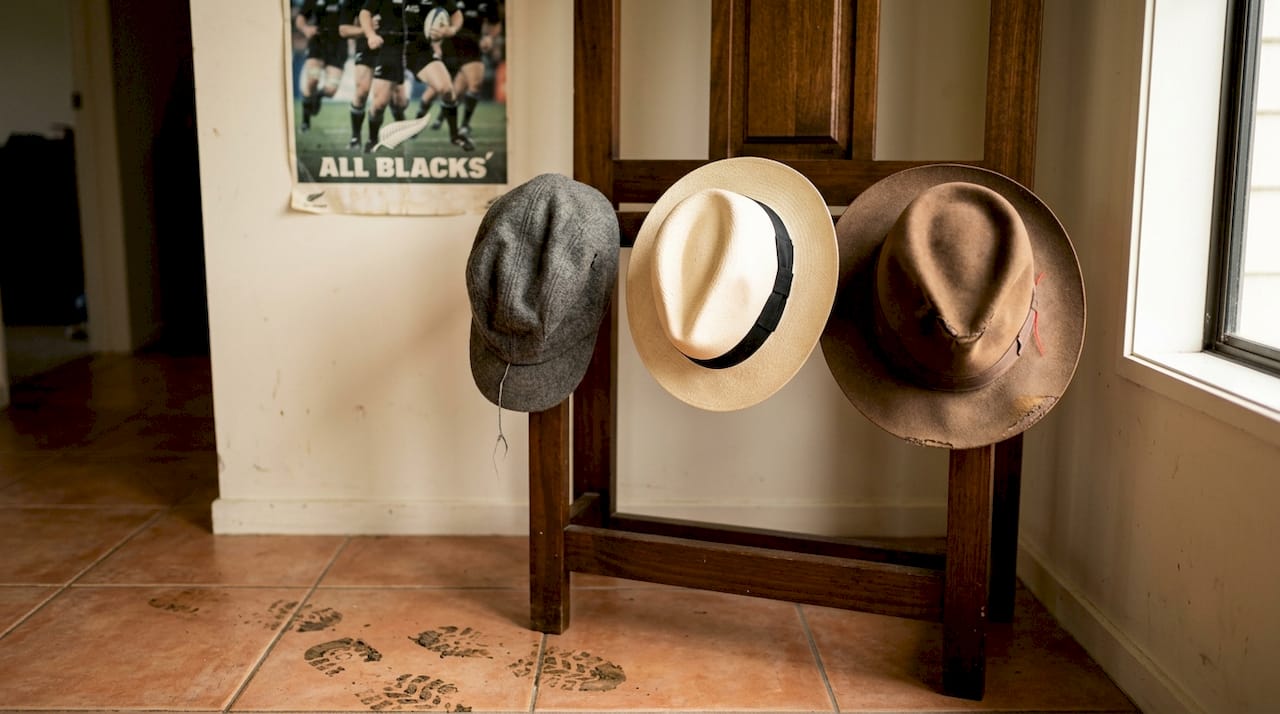
The Fedora is a structured hat with a wide brim and a creased crown. Premium versions are made from beaver felt, which is dense, water-resistant, and holds its shape through years of wear. Wool felt Fedoras are slightly softer and more affordable, but still offer excellent structure. For New Zealand winters, a Fedora in beaver or wool felt is one of the most practical heritage choices you can make. It keeps wind off your face, handles light rain, and looks sharp with a coat.
The Trilby shares the Fedora’s DNA but takes a different direction. The crown is lower, the brim is narrower, and the overall feel is more relaxed. Beaver felt fedoras and wool trilbies offer structured winter style that contrasts well with local summer hats. Trilbies work especially well for city wear, music festivals, and smart casual settings where a full Fedora might feel too formal.
Pro Tip: A beaver felt hat can last 20 or more years with basic care. Store it on a hat stand, brush it with a soft hat brush after wearing, and keep it away from direct heat. That is a much better return on investment than replacing a cheap hat every season.
Key differences between Fedora and Trilby:
- Fedora: wide brim, structured crown, formal to smart casual
- Trilby: narrow brim, lower crown, casual to smart casual
- Both: available in beaver felt or wool felt
- Both: suit NZ winters and cooler autumn days
For more guidance on choosing durable headwear tips that hold up to NZ conditions, that resource covers materials and care in detail.
Comparing heritage hats: Which style suits you?
To make your search easier, here is a snapshot comparison and scenarios when you might choose each heritage hat style.
| Style | Best season | Sun protection | Price range | Heritage origin | Best for |
|---|---|---|---|---|---|
| Panama | Summer | Good (wide brim) | $80 to $7,000 | Ecuador | Beach, city, events |
| NZ cheesecutter | Year-round | UPF50+ (certified) | $48 to $89 | New Zealand | Everyday, rural, casual |
| Fedora | Winter/autumn | Moderate | $80 to $400 | Europe/USA | Smart casual, formal |
| Trilby | Year-round | Low to moderate | $60 to $250 | Europe/USA | City, festivals, casual |
Panama hats’ ventilated crowns, NZ wool hats’ year-round comfort, and premium pricing all reflect the handcraft behind each style. No single hat wins across every category. The right choice depends on your lifestyle.
When to choose each style:
- Panama: You spend summer outdoors, want a lightweight option, and value artisan heritage
- NZ cheesecutter: You want a local identity piece with real sun protection and everyday versatility
- Fedora: You need a winter hat with structure and a formal edge
- Trilby: You want something relaxed and city-ready across most of the year
- Mix and match: Many Kiwis own two or three heritage hats for different seasons
For a deeper look at warm-weather options, the guide on summer hats for New Zealand men covers additional styles worth considering.
Kiwi perspective: Why heritage hats are more than a look
Here is something most hat guides skip: the reason heritage hats matter to New Zealanders is not just about materials or weave counts. It is about what the hat says about you and where you come from.
A NZ Merino cheesecutter connects you to a specific lineage of Kiwi workers and makers. A Montecristi Panama connects you to centuries of Ecuadorian craft. When you wear either, you are carrying that history on your head. That is genuinely different from wearing a logo cap made in a factory.
We also think Kiwis underestimate how much a well-chosen heritage hat does for daily comfort. The UV index in New Zealand is among the highest in the world. A hat with real UPF50+ protection is not a style choice. It is a health decision. The fact that it also looks great is a bonus.
Buying well-made over trendy is always the smarter move. A $200 wool cap that lasts a decade costs less per wear than a $40 fast-fashion cap replaced every year. That is the math most people do not run. Explore Kiwi culture and tradition to see how deeply headwear is woven into New Zealand identity.
Discover premium heritage hats for Kiwi lifestyles
Ready to discover heritage hats that really fit your lifestyle? At Urban Caps, we stock a carefully selected range of classic and contemporary heritage headwear, from NZ Merino wool caps to global icons like Fedoras and Panamas. Every hat in our collection is chosen for quality craftsmanship, real sun protection, and lasting style.

We are proudly NZ owned and operated, and we offer free shipping on all orders within New Zealand. Whether you are after a summer Panama, a year-round cheesecutter, or a structured winter Fedora, you will find it at Urban Caps. Browse the full range and find your perfect heritage hat today.
Frequently asked questions
How can I tell if a Panama hat is high quality?
Hold the Panama hat up to the light. A tight, even weave and a clear roseta spiral at the crown indicate premium craftsmanship and genuine Ecuadorian origin.
What makes the NZ cheesecutter cap a heritage item?
The cheesecutter is a Kiwi classic wool cap recognized for its generations-long popularity and its roots in New Zealand working life and rural identity.
Are heritage hats practical for New Zealand’s harsh sun?
Yes. Many heritage hats, especially those with UPF50+ ratings and wide brims, balance style with excellent sun protection suited to New Zealand’s high UV conditions.
Can I wear heritage hats for both casual and formal occasions?
Absolutely. Heritage styles like Panama, Fedora, and the Kiwi cheesecutter suit city and rural settings equally well, pairing with both everyday and dress outfits.