

How to style caps for durable, stylish looks in NZ
Choosing the right cap can feel overwhelming when you’re juggling fashion, durability, and the unpredictable New Zealand climate. Whether you’re heading to the city or the trails, finding a cap that suits your face shape, wardrobe, and outdoor lifestyle is essential. This guide walks you through selecting and styling caps that enhance your personal expression while standing up to Kiwi conditions.
Table of Contents
- Introduction To Cap Styling For Kiwis
- Prerequisites: What You Need Before Styling Caps
- Choosing The Right Cap Style And Material
- Styling Caps With Different Outfits
- Common Styling Mistakes And How To Fix Them
- Expected Outcomes And Styling Success Metrics
- Explore Premium Caps Designed For Kiwi Style And Durability
- Frequently Asked Questions About Styling Caps
Key takeaways
| Point | Details |
|---|---|
| Identify suitable cap styles and materials | Match your cap to NZ’s climate, choosing wool for cold seasons and cotton for summer heat. |
| Match caps to face shape and wardrobe | Select styles that complement your features and coordinate with neutral outfit tones. |
| Avoid common styling mistakes | Prevent mismatched materials, poor fit, and inappropriate formality levels for polished looks. |
| Use proper care for durability | Maintain cap appearance and functionality across multiple seasons with regular cleaning. |
Introduction to cap styling for Kiwis
Caps are more than accessories in New Zealand. They serve dual purposes, protecting you from intense sun during summer hikes and keeping you warm during chilly urban commutes. The versatility makes them essential for Kiwi lifestyles that blend city living with outdoor adventures.
New Zealand’s climate plays a huge role in material selection. Coastal winds, sudden rain showers, and strong UV rays demand headwear that performs across conditions. You need caps that look sharp at a café but also handle a beach walk or mountain trail without falling apart.
Caps let you express both heritage and contemporary style. Flat caps trending in New Zealand celebrate classic workwear roots while fitting modern wardrobes. Popular styles for 2026 include:
- Flat caps with elevated materials like tweed and corduroy
- Baseball caps in sustainable fabrics with refined details
- Beanies offering warmth without sacrificing style
- Fedoras and trilby hats for smart-casual occasions
Trend data for 2026 shows these styles dominating because they balance durability with fashion-forward design. Material choices directly impact how your cap functions across seasons. Wool and tweed provide warmth and weather resistance for winter, while cotton and linen offer breathability for summer heat.
Pro Tip: Invest in one versatile cap made from blended fabrics like wool-cotton mixes. These transition seamlessly between seasons, giving you year-round wearability without needing multiple caps.
Prerequisites: what you need before styling caps
Before you buy or style a cap, understanding your face shape saves you from costly mistakes. Oval faces suit almost any style, while round faces benefit from structured caps with height like flat caps or fedoras. Heart-shaped faces look best with medium-brim styles that balance proportions.
Seasonal weather knowledge is non-negotiable in New Zealand. Winter demands insulating materials like wool or fleece-lined caps to combat cold, damp conditions. Summer requires lightweight, breathable fabrics with UV protection for outdoor activities. Ignoring seasonal appropriateness leads to discomfort and shortened cap lifespan.
Your wardrobe foundation matters for cap styling success. A collection of neutral colors (black, navy, gray, olive) lets you pair caps with multiple outfits effortlessly. If your wardrobe leans toward bold patterns or bright colors, neutral caps provide balance without clashing.
Proper fit is the starting point for all cap styling. Cap style differences and fit guide resources help you measure head circumference accurately and choose adjustable styles when needed. A cap that’s too tight causes headaches, while loose caps blow off in wind or look sloppy.
Essential prerequisites checklist:
- Face shape identification for optimal style selection
- Seasonal weather understanding for material choices
- Neutral wardrobe base for versatile cap pairing
- Head measurements for proper sizing
- Knowledge of outfit formality levels you typically wear
Choosing the right cap style and material
Flat caps, baseball caps, and beanies dominate New Zealand fashion because they serve distinct purposes. Flat caps offer a refined look suitable for smart-casual settings, baseball caps excel in sporty, relaxed environments, and beanies provide maximum warmth for outdoor adventures.
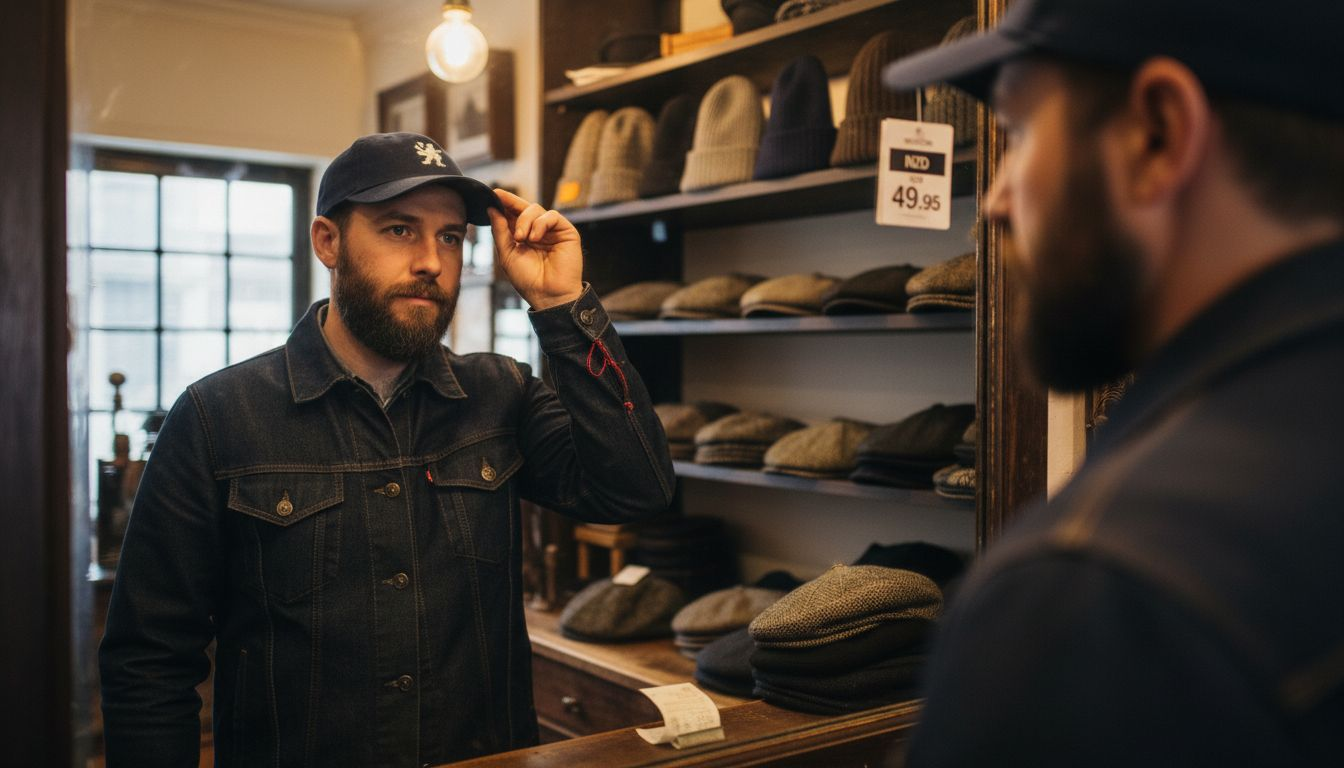
Wool and tweed offer warmth and durability perfect for New Zealand’s cold, wet seasons. These materials resist moisture while maintaining insulation, making them ideal for hiking or winter commutes. Cotton and linen shine during summer, providing breathability and quick-drying properties for beach days or festivals.
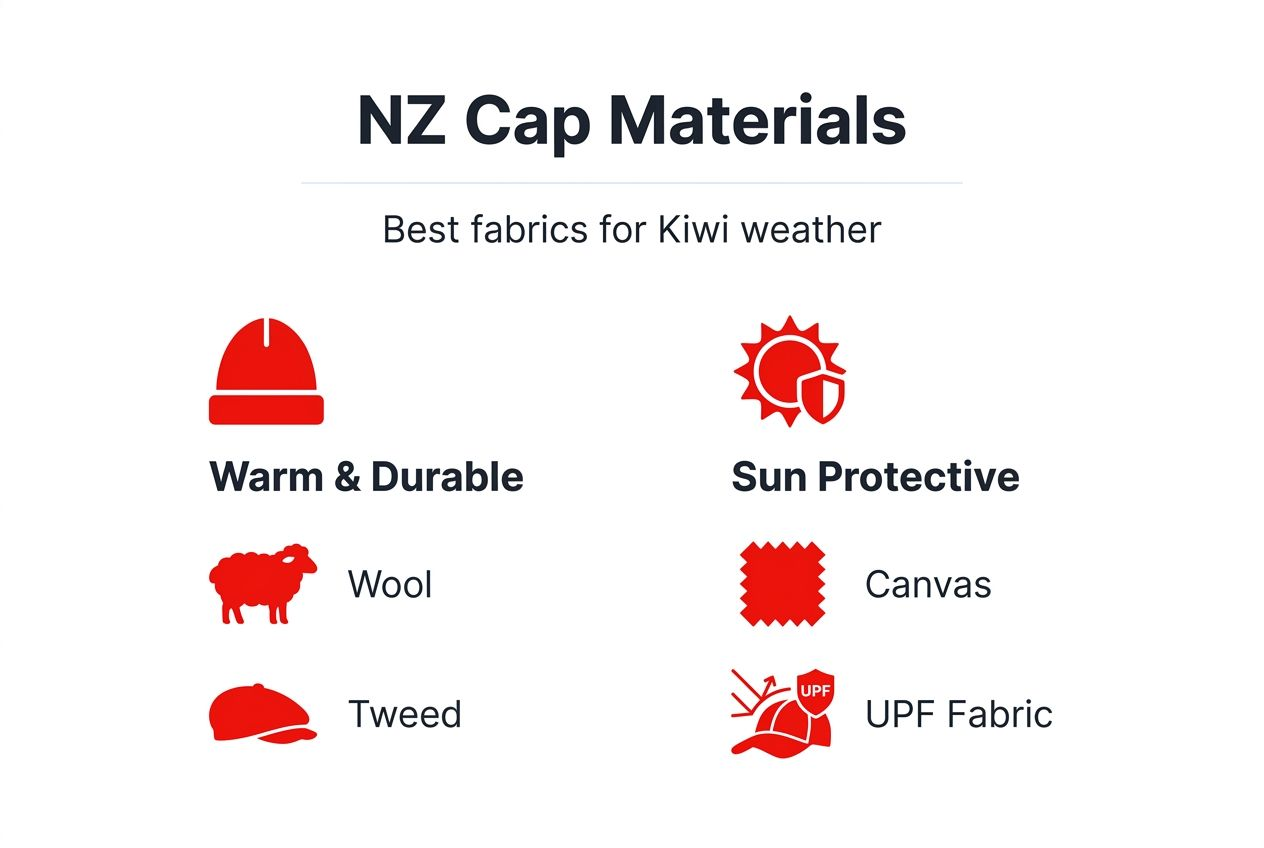
UV protective fabrics are crucial for Kiwi lifestyles. New Zealand’s high UV index demands headwear that blocks harmful rays during outdoor activities. Look for caps with UPF ratings or tightly woven materials that shield your face and scalp from sun damage.
| Cap Style | Best Material | Season | Ideal Use |
|---|---|---|---|
| Flat cap | Wool, Tweed | Autumn, Winter | Smart-casual, Urban |
| Baseball cap | Cotton, Polyester blend | Spring, Summer | Casual, Sports |
| Beanie | Merino wool, Fleece | Winter | Outdoor, Cold weather |
| Fedora | Felt, Straw | Winter, Summer | Semi-formal, Events |
Matching cap style to face shape maximizes your appearance. Round faces benefit from flat caps that add vertical lines, while oval faces can experiment with any style. Consider your outfit purpose too. A wool flat cap suits a blazer and jeans combination, while a cotton baseball cap pairs naturally with shorts and sneakers.
Pro Tip: Buy a cap in a transitional material like cotton-wool blend for unpredictable spring weather. This lets you adapt to temperature swings without switching headwear constantly.
For detailed comparisons, explore choosing flat caps in NZ and beanies vs caps differences to understand which styles suit your lifestyle best.
Styling caps with different outfits
Flat caps elevate smart-casual looks for urban settings. Pair a tweed flat cap with a button-down shirt, dark jeans, and leather boots for a polished weekend outfit. The structured silhouette adds sophistication without feeling overly formal, making it perfect for cafés or casual dinners.
Baseball caps thrive in casual and sporty contexts. Match a cotton baseball cap with a t-shirt, joggers, and sneakers for gym sessions or beach walks. Choose caps in team colors or neutral tones that complement your activewear palette for cohesive looks.
Follow these styling steps for different occasions:
- Identify your outfit’s formality level (casual, smart-casual, semi-formal)
- Select a cap style matching that formality (baseball for casual, flat cap for smart-casual)
- Choose cap colors complementing your outfit’s dominant tones
- Coordinate materials seasonally (wool caps with winter layers, cotton with summer clothes)
- Adjust cap placement for comfort and style balance
Color coordination makes or breaks cap styling. If your wardrobe favors earth tones, select caps in olive, tan, or brown. For monochrome dressers, black, gray, or navy caps provide versatility. Avoid clashing patterns by keeping either your cap or outfit simple when one features bold designs.
Seasonal material coordination prevents mismatched looks. A wool beanie looks odd with shorts and sandals, just as a lightweight cotton baseball cap feels out of place with a heavy winter coat. Match fabric weight to your clothing layers for visual harmony.
Pro Tip: Stick with neutral cap colors like navy, charcoal, or olive green. These shades pair effortlessly with 80% of most wardrobes, giving you maximum styling flexibility without needing multiple caps.
For more inspiration, check out classic cap styles for Kiwis showcasing real-world outfit combinations.
Common styling mistakes and how to fix them
Mismatched materials create visual confusion. Wearing a heavy wool beanie with a lightweight summer dress signals poor judgment. Fix this by aligning fabric weights, using wool and tweed with winter layers, and cotton or linen with summer outfits.
Poor fit ruins even the best cap. Caps that sit too high on your head look awkward, while overly tight ones cause discomfort and leave marks. Measure your head circumference accurately and choose adjustable styles or custom sizes. Fix cap fit issues by trying caps in-store when possible or ordering from retailers with flexible return policies.
Ignoring formality levels creates style clashes. Baseball caps don’t belong at weddings or business-casual events, just as fedoras look out of place at the gym. Match your cap to the occasion’s dress code. Flat caps suit smart-casual settings, baseball caps fit casual environments, and fedoras work for semi-formal events.
Common mistakes to avoid:
- Wearing summer caps in cold weather or winter caps in heat
- Choosing caps that don’t complement your face shape
- Pairing formal caps with ultra-casual outfits or vice versa
- Neglecting regular cleaning, which shortens cap lifespan
- Buying caps without checking material quality or durability ratings
Face shape incompatibility affects your overall look. Round faces need caps with structure and height to add length, while long faces benefit from wider brims that create horizontal balance. If you consistently feel your caps don’t suit you, reassess your face shape and adjust your style choices accordingly.
Expected outcomes and styling success metrics
Well-styled caps transform your wardrobe versatility. You’ll notice increased outfit options as caps complement multiple looks, from casual weekend wear to smart-casual urban outfits. This versatility means fewer clothing purchases because your existing wardrobe works harder.
Comfort across New Zealand weather conditions is a key success indicator. Your cap should feel appropriate whether you’re facing coastal winds, summer heat, or winter rain. If you reach for your cap daily without second thoughts, you’ve achieved proper styling and material selection.
Positive feedback from fashion-conscious peers validates your styling choices. Compliments on your cap or overall look signal you’re hitting the mark. Even subtle nods or questions about where you bought your cap indicate styling success.
Measurable outcomes include:
- Wearing your cap 4-5 times per week comfortably
- Receiving positive comments from friends or strangers
- Feeling confident in diverse settings (urban, outdoor, social)
- Cap maintains appearance after 6-12 months of regular use
- Seamless integration with 70% or more of your wardrobe
Durability and longevity prove you’ve chosen quality materials and practiced proper care. Caps should maintain their shape, color, and functionality across multiple seasons. If your cap shows significant wear within a few months, reassess material quality or care practices.
Explore premium caps designed for Kiwi style and durability
Now that you understand cap styling fundamentals, it’s time to find headwear built for New Zealand lifestyles. UrbanCaps offers premium caps engineered for durability and style, whether you’re exploring the city or hitting the trails.

Discover versatile options like the snapback sport cap for casual wear, the men’s woolen fedora for refined looks, or the autumn and winter fedoras for seasonal warmth. Each cap balances quality craftsmanship with functional design, giving you headwear that performs across New Zealand’s diverse conditions while expressing your individual style.
Frequently asked questions about styling caps
What cap style suits a round face best?
Flat caps and fedoras work best for round faces because they add vertical height and structure. Avoid low-profile baseball caps that emphasize roundness. Look for styles with defined crowns that create length.
How to care for wool caps in damp New Zealand weather?
Spot clean wool caps with a damp cloth and mild detergent, then air dry away from direct heat. Store in a cool, dry place to prevent mold. For heavy soiling, use professional dry cleaning to maintain shape and quality.
Can I wear a cap with formal wear?
Generally, caps don’t suit formal attire like suits or tuxedos. For smart-casual events, flat caps or refined fedoras can work with blazers and dress pants. Save baseball caps and beanies for casual settings only.
Which materials block UV rays effectively?
Tightly woven fabrics like canvas, denim, and specialized UPF-rated materials offer the best UV protection. Look for caps with UPF 30+ ratings. Dark colors typically block more UV rays than light colors, though proper weave density matters most.
How do I choose cap colors that match my wardrobe?
Start with neutral colors like navy, charcoal, olive, or black that pair with most outfits. If your wardrobe has dominant color themes, choose caps in complementary tones. Avoid caps with bold patterns if your clothes feature busy designs.
How often should I replace my caps?
Quality caps last 2-3 years with proper care and regular rotation. Replace caps when they lose shape, show significant fading, or no longer fit comfortably. Investing in durable materials extends lifespan and reduces replacement frequency.