

Made in NZ hat brands worth buying in 2026
If you want a hat that’s genuinely made in New Zealand, or made-to-order by a local artisan, start with brands that show their manufacturing process, not just a “handmade” sticker. Urbancaps stocks a curated range of premium, NZ-ready headwear built for exactly this kind of buyer, from heritage felt hats to weatherproof outdoor gear.
Here’s the shortlist worth your time:
- Churchill Heritage Homburg Hat – best for weddings, races and formal heritage looks
- Dakota Heritage Wool Rancher Hat – best for outdoor and western-style wear
- Heritage Herringbone Ivy Cap – best for everyday classic style
- Fedora Hat Jazz Style – best for events and statement dressing
- Steampunk Hat – best for costume and niche statement pieces
- Travel Hat and Thunderbolt Ski Hat – best for travel and cold-weather outdoor use
Pro Tip: Browse by use case first, not by style name. A “fedora” for a wedding and a “fedora” for daily commuting need completely different brims and felt weights.
Head to the Urbancaps product range to check sizing and stock, or get in touch about custom fitting before you buy.
Key Takeaways
The most reliable way to buy a genuinely NZ-ready hat is to check for local stock, verify manufacturing claims directly, and match the style to your specific use case before price.
| Point | Details |
|---|---|
| Provenance is a blend | Most NZ hatmakers import raw felt but complete blocking and finishing locally, so ask about both. |
| Match style to use case | Heritage felt hats suit formal events; outdoor and ski styles need weatherproofing over looks. |
| Budget for bespoke lead times | Full bespoke fur-felt hats can take 6 to 12 weeks or more, so order early for fixed dates. |
| Check after-sales support | A brand that offers repairs and reshaping is a stronger local-manufacture signal than a “handmade” label alone. |
| Urbancaps offers NZ-ready stock | Urbancaps carries heritage, outdoor and statement styles with local NZ stock and fast delivery for buyers who want to skip the guesswork. |
Table of Contents
- Made in NZ hat brands: what Urbancaps offers Kiwi buyers
- How to evaluate a genuinely NZ-made hat brand
- Ordering a bespoke hat in New Zealand: timelines and cost
- What makes a hat feel premium: materials and craftsmanship
- Getting your size and fit right, and keeping a hat looking sharp
- Hat styles with a distinctly Kiwi footprint
- Editorial take: what actually matters when buying local
- Where to buy made in NZ hat brands online
- Sources
- FAQ
Made in NZ hat brands: what Urbancaps offers Kiwi buyers
New Zealand’s hat scene splits fairly cleanly into a few camps: heritage-style felt hats built for formal occasions, rugged outdoor pieces designed for our unpredictable weather, and statement or costume pieces for people who want to stand out. Urbancaps carries products across all three, sourced and finished to suit the way Kiwis actually dress and live.
The Churchill Heritage Homburg Hat uses premium Australian wool felt and a structured crown, making it a solid pick for weddings, race days or anywhere a homburg silhouette earns its keep. For a western or outdoor edge, the Dakota Heritage Wool Rancher Hat brings a wide brim and a durable structured crown, built for sun and station work rather than just looking the part.
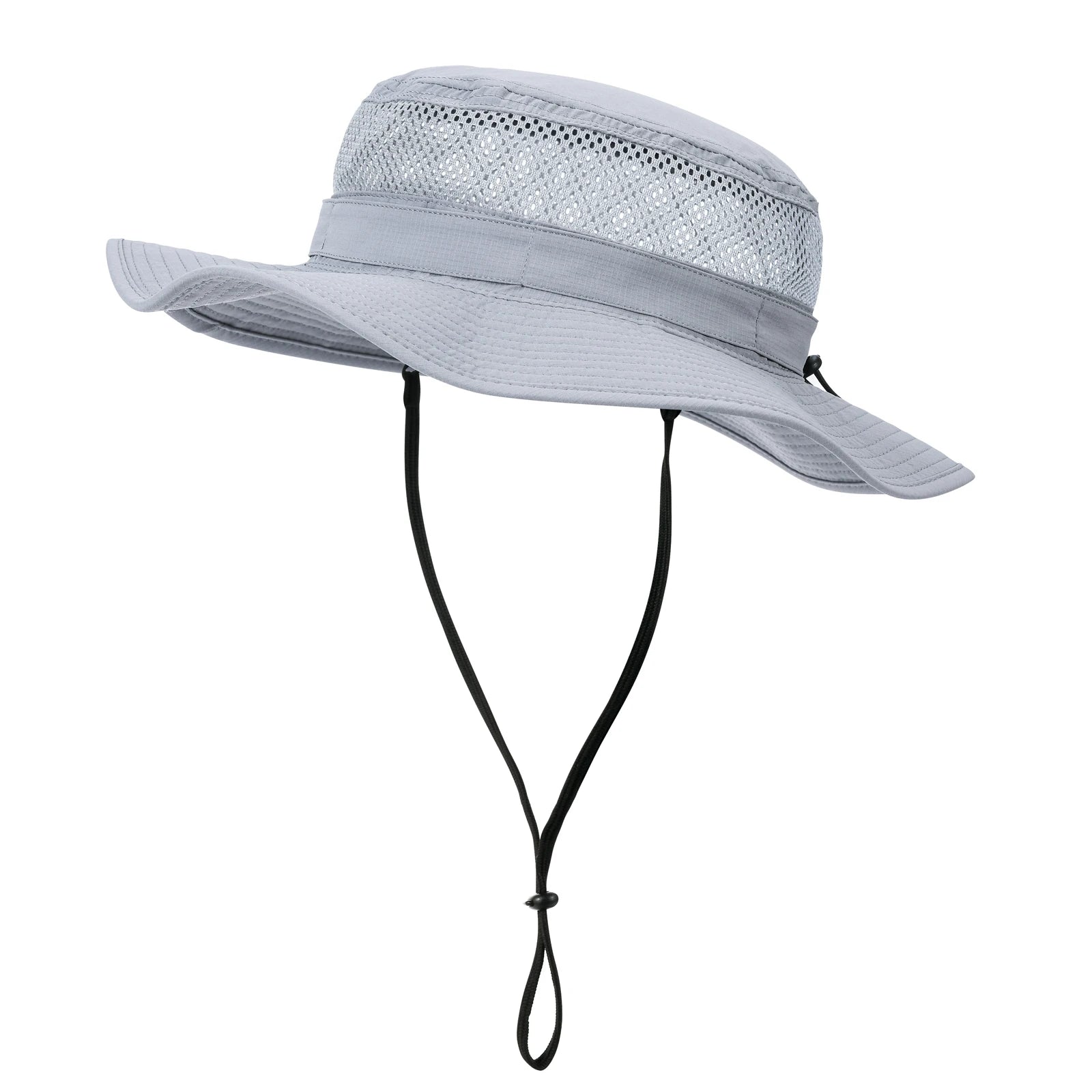
If your wardrobe leans classic and everyday, the Heritage Herringbone Ivy Cap is a flat cap cut from herringbone fabric that pairs with a jacket or a jumper without trying too hard. For formal events, the Fedora Hat Jazz Style offers a refined brim shape and proper lining, the kind of detail that separates an occasion hat from a costume-shop one.
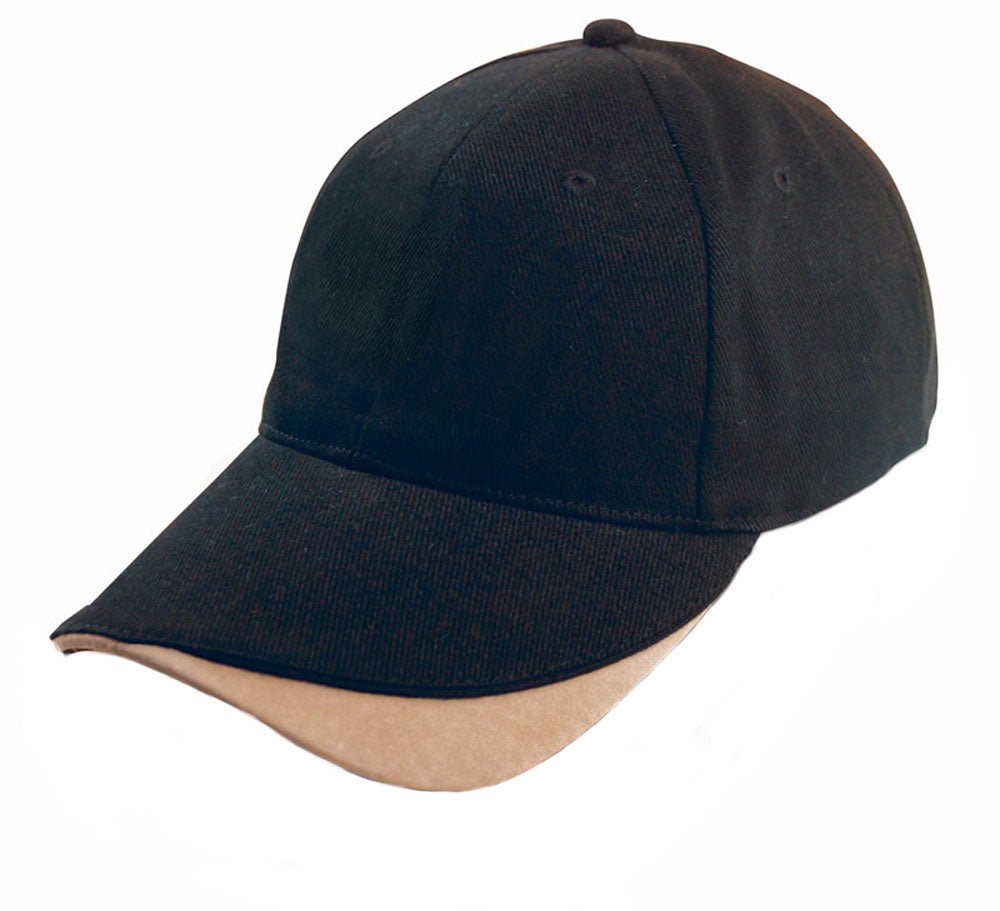
Speaking of costumes, the Steampunk Hat is a niche pick built for festivals, cosplay and statement dressing, with rivet detailing and a gothic edge that off-the-shelf fedoras can’t match.
For practical, weather-facing needs, the Travel Hat packs down for holidays, while the Thunderbolt Ski Hat adds ear protection for snow trips to Ruapehu or the Southern Alps. Round out either kit with the Accessories Bag, which keeps felt hats from crushing in transit.
Industry-wide, hat shops and makers tend to group stock this way: heritage/formal, outdoor/workwear, and fashion statement pieces, which is exactly how to think about your own shortlist before you buy.
How to evaluate a genuinely NZ-made hat brand
Not every brand calling itself “local” actually manufactures here. Some import finished stock and simply distribute it from a New Zealand address, which is legal but not the same thing as artisan craftsmanship.
Run through this checklist before you commit to a purchase or a bespoke commission:
- Look for workshop evidence. Photos of blocking equipment, steam presses or a named workshop location are harder to fake than a slogan.
- Check for an explicit manufacturing statement. “Designed in NZ” and “made in NZ” are different claims. Read the fine print.
- Confirm local returns and repairs. A brand that can reshape or repair its own hats almost certainly makes them here.
- Ask where materials come from. Many small NZ hatmakers import capelines and felts but do all the shaping and finishing locally, so provenance is really a blend of imported material and local hands, not a single origin story.
Watch for a few red flags too:
- Vague “handmade” claims with no workshop details or maker name
- Offshore manufacture disclosed only deep in the terms and conditions
- Suspiciously fast turnaround on a “bespoke” hat that should take weeks
Ordering a bespoke hat in New Zealand: timelines and cost
Commissioning a custom hat follows a fairly consistent process across NZ ateliers: a discovery consultation to talk shape and style, material selection, measurement and blocking, the actual making, finishing details like bands or linings, then delivery.
- Discovery and design chat – usually a quick conversation about intended use, colour and shape
- Material selection – felt weight, straw type or leather trims are chosen here
- Measurement and blocking – your head shape gets translated onto a physical block
- Making and finishing – the longest stage, especially for fur felt
- Delivery or fitting – some makers offer a final in-person fitting
Expect ready-made premium stock to ship in 2 to 7 days. Small bespoke jobs, like a custom band or a minor reshape, typically take 2 to 6 weeks. Full bespoke fur-felt hats can run 6 to 12 weeks or more, since fur felt needs longer blocking and drying time than wool felt.
Pro Tip: If you need a hat for a set date, a wedding or a race meeting, order at least three months out for anything genuinely bespoke.
What makes a hat feel premium: materials and craftsmanship
Wool felt is the workhorse of New Zealand headwear: durable, water-resistant enough for our climate, and forgiving for reshaping. Fur felt, usually rabbit or hare, sits a step up in softness and structure, and it’s why fur-felt hats carry a longer lead time and a higher price. Straw hats suit summer wear, and leather sweatbands add both comfort and longevity to a hat that will see years of use.
The tell-tale signs of genuine craftsmanship are visible if you know where to look: hand-blocked crowns, hand-stitched bands, sewn (not glued) brim edges, and a full lining with a proper leather or grosgrain sweatband.
New Zealand’s hatmaking history runs deeper than most shoppers realise. Hills Hats has manufactured headwear in New Zealand since 1875, historically operating out of Petone, Wellington.
The company’s owner has described a business built on staying committed to New Zealand manufacture, supplying presentation caps to national sporting teams and touring musicians as proof that local manufacturing can still compete on a national stage.
That heritage matters for context, but it’s not the only proof of craft still standing. A Christchurch hatter has been profiled for producing handcrafted designs from a small workshop, a reminder that small-batch artisan hatmaking is still very much alive here, not just a heritage-brand story. Urbancaps carries heritage-inspired, Australian-made collections alongside its own NZ stock, with fast local delivery and support if a hat needs adjusting after purchase.
Getting your size and fit right, and keeping a hat looking sharp
Measure head circumference with a soft tape, wrapped just above your eyebrows and ears, then match the centimetre figure to a brand’s size chart, since hat sizing isn’t fully standardised across styles.
Fit varies by style, too:
- A fedora or homburg should sit level, just above the ears, with the brim framing rather than shadowing your face.
- A flat cap sits slightly forward and lower on the head than a fedora.
- A beanie should cover the ears fully without stretching the ribbing thin.
For care, store felt hats brim-up in a hat box to hold their shape, keep them away from damp cupboards that encourage mould, and brush gently with a soft hat brush to lift dust. If a brim gets crushed or a crown loses its block, a professional reshaping service (rather than a DIY steam job) protects the felt.
Pro Tip: Never store a good felt hat flat on a shelf under other items. Even a light weight will flatten the crown over a few months.
Hat styles with a distinctly Kiwi footprint
New Zealand’s outdoor culture has shaped a handful of styles that punch above their weight here compared with other markets. The wide-brimmed bush hat, built for shearers, farmers and trampers, remains a genuine workwear staple rather than a fashion throwback, with oilskin or waxed-cotton versions built to survive a wet muster.
Wool beanies are near-universal across Kiwi winters, from ski fields to building sites, largely because merino and wool blends handle our damp cold better than synthetic knits. Bucket hats have had a long run in NZ beach and festival culture, prized for full-brim sun coverage during long UV-exposed summers.
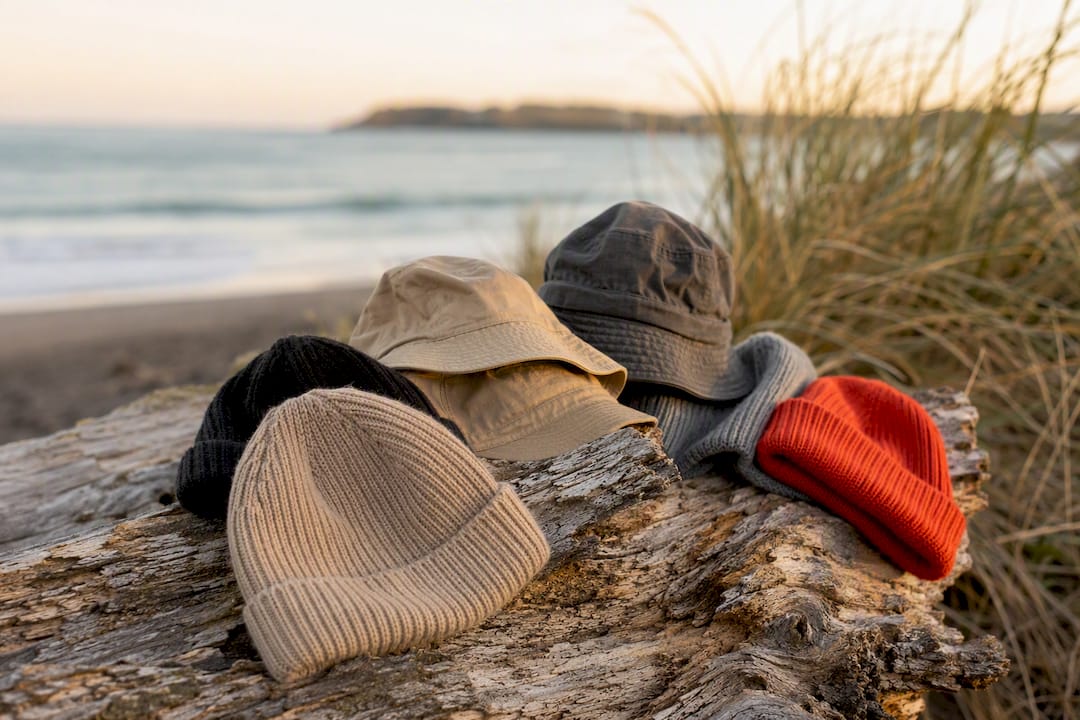
Heritage felt styles, fedoras, homburgs, flat caps, sit at the more formal end and tend to surface at race meetings, weddings and city events rather than daily wear. The common thread across all of these is function first: New Zealand’s UV levels, unpredictable rain and outdoor lifestyle push local hat design toward practicality, even in the dressier categories. That’s part of why locally made options tend to fit Kiwi conditions better than imported stock designed for milder climates overseas.
Editorial take: what actually matters when buying local
The conventional advice on “buying NZ-made” treats provenance as a yes/no switch: either a hat is made here or it isn’t. That’s too simple. Most premium NZ hatmakers import raw felt or capelines and do the real skilled work, blocking, finishing, fitting, on home soil. Provenance is a blend, not a binary, and buyers who demand 100% NZ-origin materials will rule out almost every serious maker in the country, including the historic ones.
What’s overrated is the “handmade” label on its own. What matters more is whether a brand will actually stand behind the hat: repair it, reshape it, replace a band. That’s the real test of local accountability, and it’s far harder to fake than a marketing claim.
If you’re prioritising anything, prioritise fit and after-sales support over origin purity. A well-fitted hat from a brand that answers the phone beats a “fully local” hat you can never get resized.
Where to buy made in NZ hat brands online
Urbancaps exists for exactly the buyer this guide is written for: someone who wants a premium hat, wants it to actually fit New Zealand conditions, and wants a local business behind the sale if something needs adjusting. Unlike ordering from an overseas marketplace and hoping the sizing translates, Urbancaps holds local NZ stock, so what you see is what ships, fast, with support from a team that actually knows the products.
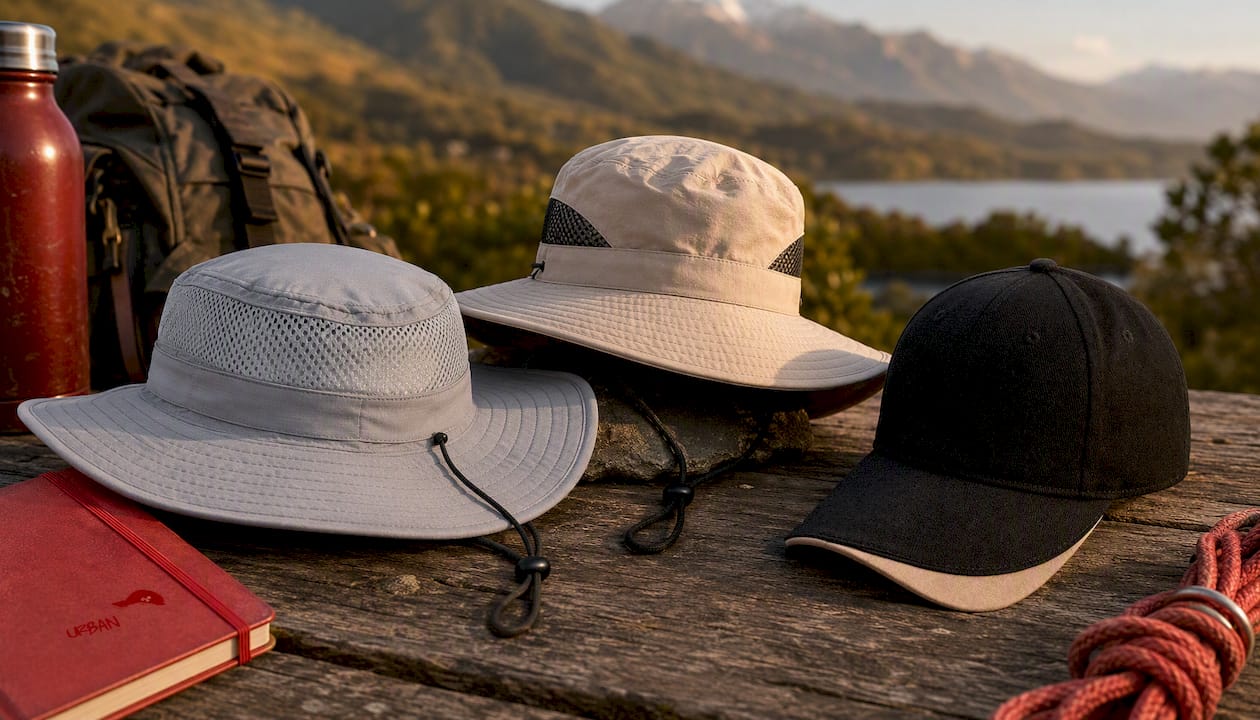
Whether you’re after the heritage-style Churchill Homburg for an upcoming wedding or a Thunderbolt Ski Hat before your next trip south, browse the current range and check stock before you decide. If you’re weighing up sizing or which style suits your face shape, get in touch with Urbancaps before you order, so the hat you choose actually earns a place in your wardrobe.
Sources
- Meet the storyteller: Hills Hats
- Small business: Simon Smuts-Kennedy on the cap-tivating legacy of Hills Hats
- Christchurch high-end hatter turning heads with his creations
FAQ
What are some popular hat brands in New Zealand?
Hills Hats is one of the country’s longest-running manufacturers, dating back to 1875, alongside smaller artisan workshops and retailers like Urbancaps that stock heritage-inspired and outdoor-ready styles for everyday Kiwi buyers.
What are the best hat manufacturers?
The strongest NZ hat manufacturers combine visible local craftsmanship, honest sourcing about where felt or straw originates, and genuine after-sales support like repairs and reshaping, rather than relying on a “handmade” label alone.
Where are Hills Hats made?
Hills Hats has historically manufactured out of Petone, Wellington, and remains one of New Zealand’s oldest continuously operating hat manufacturers.
How do I know if a hat is really made in New Zealand?
Look for explicit manufacturing statements, workshop photos, and local repair or return policies. Many legitimate NZ hatmakers import raw felt but complete all shaping and finishing here, so ask directly rather than relying on branding alone.
How long does a custom hat order take in New Zealand?
Ready-made stock usually ships in 2 to 7 days, small bespoke adjustments take 2 to 6 weeks, and full bespoke fur-felt hats can take 6 to 12 weeks or more depending on materials and finishing.