

2 Hats Kiwis Need in 2026: UPF Bucket and a Merino Beanie
Bucket hats, elevated flat-peak snapbacks, dad caps, slouchy merino beanies, and structured fedoras are the five styles defining NZ hat trends 2026. If you’re buying just one or two pieces this year, go for a UPF-rated bucket hat for sun protection and one premium merino beanie for the colder months. Everything else is a bonus on top of that core kit.
TL;DR:
- The most functional hats for 2026 are UPF-rated bucket hats with brims between 7cm and 10cm, and merino beanies for temperature regulation.
- Upmarket styling means subtle finishes on snapbacks, structured fedoras, and truckers with durable, sustainable fabrics suited for outdoor conditions.
- Fabrics like merino blends, recycled polyester, and organic cotton are key to performance and environmental goals, with water-resistant coatings valued for outdoor activities.
- Proper fit, fabric choice, and correct styling are essential for longevity and matching each hat to specific NZ seasonal needs and occasions.
- Buying locally made or sustainably certified hats is preferable, but attention to fabric performance and construction should take priority over branding or trend-driven details.
Table of Contents
- What are the top NZ hat styles for 2026?
- Bucket hats in NZ: fit, UPF and materials that actually matter
- Which fabrics are worth paying for in 2026?
- How do you actually style these hats around NZ life?
- What should you actually pay, and how do you make it last?
- How Urban sees the 2026 hat season
- The conventional advice on hat trends gets one thing wrong
- Shop the 2026 trends: Urban Caps picks for every season
- Where this trend reporting comes from
- Sources
- FAQ
What are the top NZ hat styles for 2026?
Each of these styles is doing something different in 2026, and understanding the “why” behind each one makes it easier to work out what actually suits your lifestyle rather than just chasing whatever’s trending on social media.
The bucket hat has moved from festival novelty to genuine year-round staple. NZ retail and surf guides now treat it as everyday gear rather than a summer-only accessory, prized for its sun coverage, its ability to scrunch into a bag, and its easy transition from beach to street according to Blitz Surf Shop’s bucket hat guide. What’s changed for 2026 is the finish. Instead of plain canvas, you’re seeing technical fabrics, tonal stitching, and slightly wider brims that do more actual sun work.
Snapbacks and flat-peak caps have gone upmarket. The flat brim and structured crown haven’t disappeared, but the execution has quietly levelled up. Think tonal embroidery instead of loud logos, matte finishes over glossy plastic, and small metallic details like foil stickers or subtle hardware replacing anything shouty. Its streetwear dressed for a dinner reservation, not just a skate park.
Dad caps remain the low-effort, high-reward option. Curved brim, soft unstructured crown, worn in slightly beaten condition on purpose. This style hasn’t trended so much as it’s settled in as a permanent wardrobe fixture, the kind of hat you reach for without thinking because it works with almost everything from trackpants to tailored shorts.
Beanies are having a genuine materials moment. Slouchy silhouettes and ribbed knits are the dominant shapes, but the real story for 2026 is fibre content. Merino and merino blends are showing up in far more mainstream beanie ranges, driven by demand for something that regulates temperature properly rather than just looking warm, a shift Kapsule’s autumn hat guide points to directly for New Zealand’s cooler months.
Structured fedoras, trilbies, and premium truckers round out the smart-casual and outdoor end of the spectrum. A well-made fedora still does heavy lifting for anyone wanting to dress up a simple outfit without trying too hard, while trucker-style caps with mesh backs and firmer panels are getting a materials upgrade too, showing up in heavier cotton twill and recycled synthetics instead of the flimsy foam-front versions of a decade ago.
Local designers have leaned into heritage cues and local production stories as a genuine influence on 2026 headwear, according to NZ Herald VIVA’s coverage of the state of NZ fashion, which shows up in classic silhouettes reworked with local materials rather than reinvented shapes.
Matching the hat to the moment is where most people go wrong. A few reliable signals for 2026:
- Beach or lake day: bucket hat with UPF fabric and a quick-dry lining
- Commute or errands: dad cap or a low-key snapback in a neutral tone
- Weekend social or brunch: structured fedora or trilby for a bit of polish
- Outdoor work or hiking: premium trucker with a firmer brim and breathable back panel
- Cold mornings and evenings: ribbed merino beanie, slouchy fit
The throughline across all five styles is durability over disposability. Nobody’s buying a hat that falls apart after one season anymore, and that shift in expectation is shaping what brands stock.
Bucket hats in NZ: fit, UPF and materials that actually matter
The bucket hat gets singled out here because it’s doing more functional work than any other style on this list, and getting the details wrong means you end up with a hat that looks right but performs poorly.
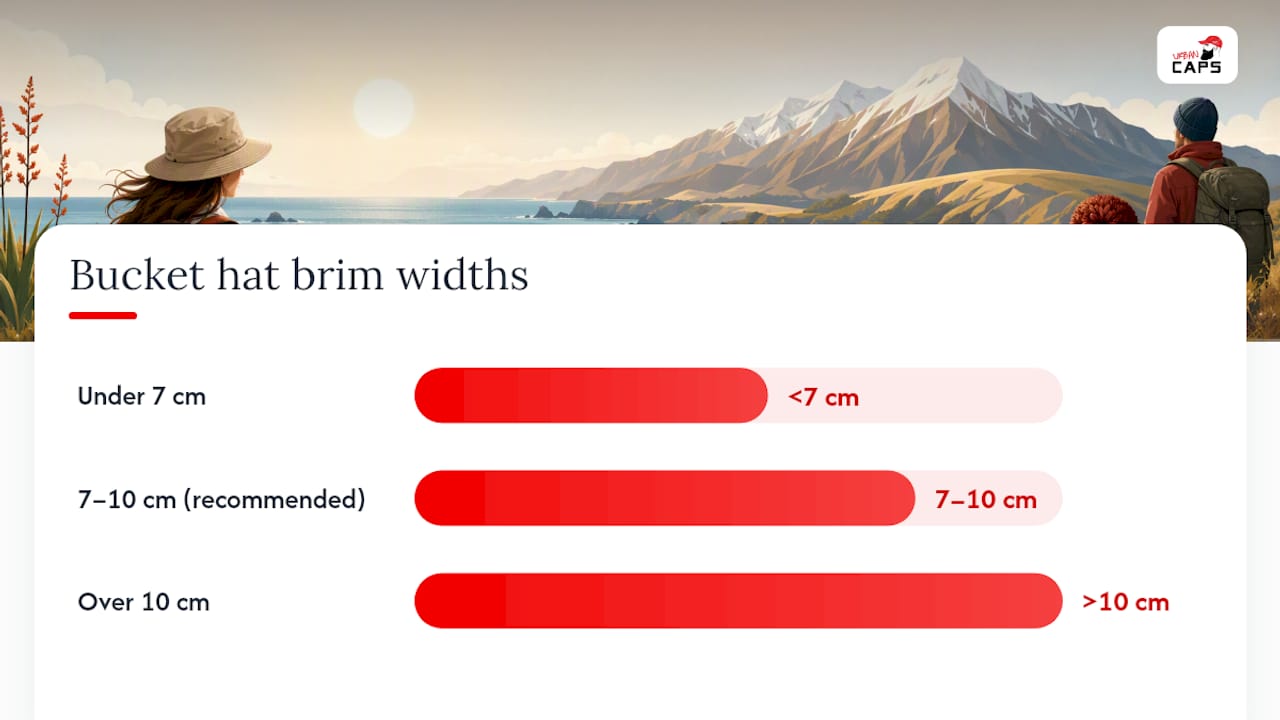
Brim width is the first thing to check. A brim under 7cm looks neat but barely shades your nose and ears. For genuine coverage in New Zealand’s UV conditions, look for a brim between 7cm and 10cm. Anything wider starts working against you in wind, which matters more here than in most places.
UPF rating is the second. A garment rated UPF 50+ blocks the vast majority of UV radiation, and it’s becoming standard on decent bucket hats rather than a premium add-on, a shift reflected in the rising focus on sun-protective accessories across NZ summer fashion coverage from Trending NZ. If a listing doesn’t mention a UPF number at all, treat that as a gap, not a given.
Material choice changes how the hat behaves in the field. Cotton feels great and breathes well but soaks up water and stays damp on a boat or at the beach. Polyester and nylon blends dry fast and hold their shape, which suits anyone doing actual water activity. Canvas sits in between, sturdier and more structured, better suited to a day in the city than a swim.
Here’s a quick checklist before you buy:
- Confirm the UPF rating, not just “sun protective” marketing language
- Check the brim width against your face size, wider for oval or long faces, narrower for round faces
- Look for a packable or crushable construction if it’s going in a bag or suitcase
- Check for an adjustable or removable chin strap if you’re buying for kids or windy conditions
- Try the fit with hair up and down, since bucket hats sit differently depending on hairstyle
Pro Tip: If you’re buying for a child, prioritise an adjustable chin strap and a slightly oversized fit over an exact size match, since kids’ head shapes change fast and a hat that’s a touch loose still protects better than one that gets left at home because it’s uncomfortable.
The global bucket hat market is tracking towards more sustainable and technically finished versions through 2026, according to DataInsightsMarket’s bucket hat report, which tracks with what’s turning up on NZ shelves: better fabrics, better finishing, less throwaway feel. Browse the bucket hat range with brim width and UPF as your first two filters, not colour.
Which fabrics are worth paying for in 2026?
Fabric choice matters more in New Zealand than in most markets, because you’re dealing with four seasons in a single week more often than not.
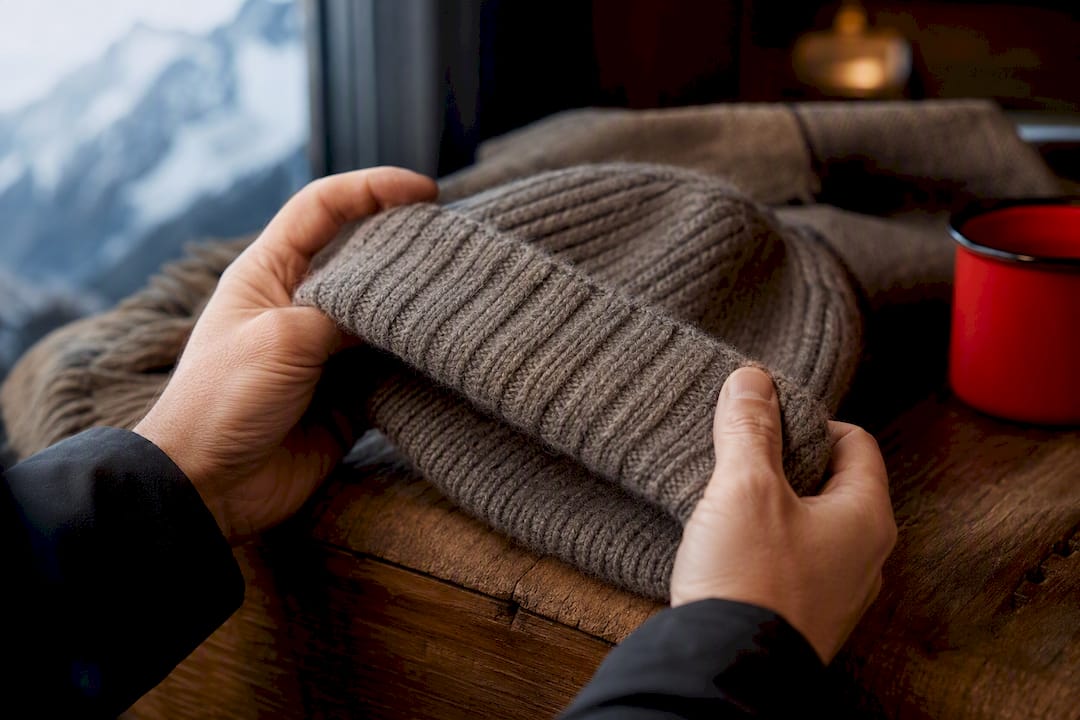
Merino and wool blends are worth the extra spend on winter beanies. Merino regulates temperature, resists odour, and doesn’t get that damp, heavy feeling regular acrylic knits do after a few hours outside. It costs more upfront, but a genuine merino or merino-blend beanie will outlast two or three cheap acrylic ones, which evens out the price difference over a couple of winters.
Recycled polyester and organic cotton dominate the summer and bucket-hat end of the market. These fabrics dry fast, hold colour better over time, and increasingly come with a lower environmental footprint attached to the production process.
Water-resistant coatings and packable builds matter for anyone who actually spends time outdoors. A hat that shrugs off a sudden downpour and folds flat into a daypack is doing real work in a climate that can shift from sun to rain in the same afternoon.
Sustainability labels need a bit of scepticism, not blind trust. Terms like “recycled content” or certifications such as GRS (Global Recycled Standard) mean something specific: a verified percentage of recycled material in the fibre, not just a vague eco-claim on a swing tag. That said, industry commentary in 2026 has flagged real commercial pressure on New Zealand’s local manufacturing base, per The Spinoff’s reporting on NZ-made clothing, which is a useful reality check before taking any “NZ-made” or “sustainable” claim at face value. Ask what’s actually certified versus what’s implied.
A few practical fabric notes worth remembering:
- Merino blends: warm, breathable, pricier, worth it for daily winter wear
- Recycled polyester: fast drying, colourfast, good for bucket hats and summer caps
- Organic cotton: soft, breathable, less structured, best for milder days
- Canvas: sturdy and long lasting, but slower to dry after rain
How do you actually style these hats around NZ life?
The fit and pairing matter as much as the hat itself, and this is where a lot of otherwise good hats get worn wrong.
Streetwear pairings work best when the rest of the outfit stays simple. An elevated snapback with tonal embroidery pairs naturally with plain tees, straight-leg denim, and clean sneakers. Let the cap’s detail be the statement, not one piece among five loud ones. A dad cap does the same job but leans more relaxed, sitting comfortably with trackpants, hoodies, or a linen shirt on a warmer day.
Beach and festival looks lean on the bucket hat’s practical strengths. Pair a quick-dry UPF bucket hat with boardshorts or a sundress, and let the brim do double duty as sun cover and styling piece. At festivals, a bucket hat in a slightly bolder tone or pattern works better than a plain one, since it’s competing with a lot of visual noise.
Smart-casual moments are where the fedora and flat-peak cap earn their keep. A structured fedora over a button-down and tailored trousers reads as intentional rather than costume-like, provided the crown height and brim suit your face shape. A flat-peak cap can do similar work in a slightly more casual register, worn with a blazer over jeans for a smart-casual dinner.
Seasonal swapping is simpler than most people make it. As autumn cools things down, layer a beanie under a jacket hood for extra warmth without bulk. Come the first genuinely hot week, retire the beanie and bring the bucket hat forward. New Zealand’s shoulder seasons reward having two or three hat types in rotation rather than one hat you wear regardless of weather. Browse stylish headwear examples for outfit inspiration across all four styles.
- Streetwear: snapback or dad cap, plain outfit, let the hat lead
- Beach and festival: UPF bucket hat, quick-dry fabric, bolder colour for festivals
- Smart-casual: fedora or flat-peak cap, tailored pieces underneath
- Seasonal shift: beanie under a hood in autumn, bucket hat back in rotation once it’s warm
What should you actually pay, and how do you make it last?
New Zealand hat buyers have a genuine “sweet spot” in the mid-price range, where fabric quality and construction meet a fair price without tipping into premium territory you don’t need for everyday wear. Below that band, stitching and fabric weight tend to fail faster; above it, you’re often paying for branding rather than extra durability.
Fit and returns matter more when you’re buying online. Measure your head circumference with a soft tape measure before ordering, and always check the retailer’s return policy before you commit, especially for structured styles like fedoras where sizing runs less forgiving than a stretchy beanie.
Care depends entirely on the fabric. Merino beanies should be hand washed in cool water and dried flat, never wrung out or tumble dried. Acrylic knits are more forgiving and can usually handle a gentle machine cycle. Canvas bucket hats benefit from spot cleaning rather than full soaking, which keeps the brim from softening and losing shape. Leather caps and hats need a proper leather conditioner every few months, not water at all, and should be stored away from direct heat or sun to stop cracking.
Reshaping and storage extend a hat’s life more than any single cleaning trick. Store structured hats brim up on a shelf or hat rack rather than crushed in a drawer, and reshape a damp beanie by hand while it’s still slightly wet.
- Merino: hand wash, dry flat, never wring
- Acrylic: gentle machine wash, low heat dry
- Canvas: spot clean, avoid full submersion
- Leather: condition periodically, store away from heat
Pro Tip: If a hat’s brim has lost its shape but the fabric is otherwise sound, a light steam and a firm hand reshape often brings it back, no need to replace a hat over a bent brim alone.
When stitching starts fraying at a seam or the crown has genuinely lost its structure beyond reshaping, that’s the point to replace rather than repair. For more on matching materials to lifespan expectations, Urbancaps’ durability guide breaks down construction details worth checking before you buy.
How Urban sees the 2026 hat season
Selecting stock for New Zealand conditions means thinking about fabric performance first and trend second. Local weather doesn’t care what’s popular on overseas runways, and a hat that photographs well but falls apart in a southerly isn’t doing its job.
Fit and fabric are the two things Kiwis message us about most, not colour or logo placement. A beanie that actually keeps its shape after a wash, or a bucket hat brim wide enough to matter in real sun, beats a trendier option that looks good for one wear.
That’s shaped the way we think about restocking through the year. It’s also why we take local manufacturing claims seriously but carefully. Given the pressure on New Zealand’s clothing production sector, we’d rather be upfront about where a piece is made and what it’s built from than let a vague “local” label do the selling. Our hat trends editorial goes deeper into specific colourways and finishes we’re watching for the rest of 2026.
The conventional advice on hat trends gets one thing wrong
Most style guides treat hat trends as a colour-and-shape exercise, updated each year with a fresh set of silhouettes to chase. That misses what actually determines whether a hat earns its place in a New Zealand wardrobe: fabric performance under real conditions, not how it photographs on day one.
The bucket hat’s rise isn’t really a fashion story. It’s a sun-protection story that happens to look good, and treating UPF as a footnote rather than a primary spec is where most buying guides fall short. Same goes for beanies. A slouchy silhouette matters far less than whether the fibre content keeps you warm through a Wellington southerly without turning damp and heavy by lunchtime.
If there’s one shift worth making this year, it’s prioritising fabric and construction over trend labels. Buy the UPF bucket hat because the brim width actually protects you, buy the merino beanie because it performs, and let the style follow from there rather than leading it. Everything else, the finishes, the tonal embroidery, the heritage details, is worth having once the fundamentals are covered, not before.
— Urban
Shop the 2026 trends: Urban Caps picks for every season
Urbancaps is the local alternative to guessing your way through overseas trend reports. Every product below is picked and stocked for actual New Zealand conditions, backed by free shipping within NZ, so you’re not paying import fees on top of an already trend-chasing purchase.
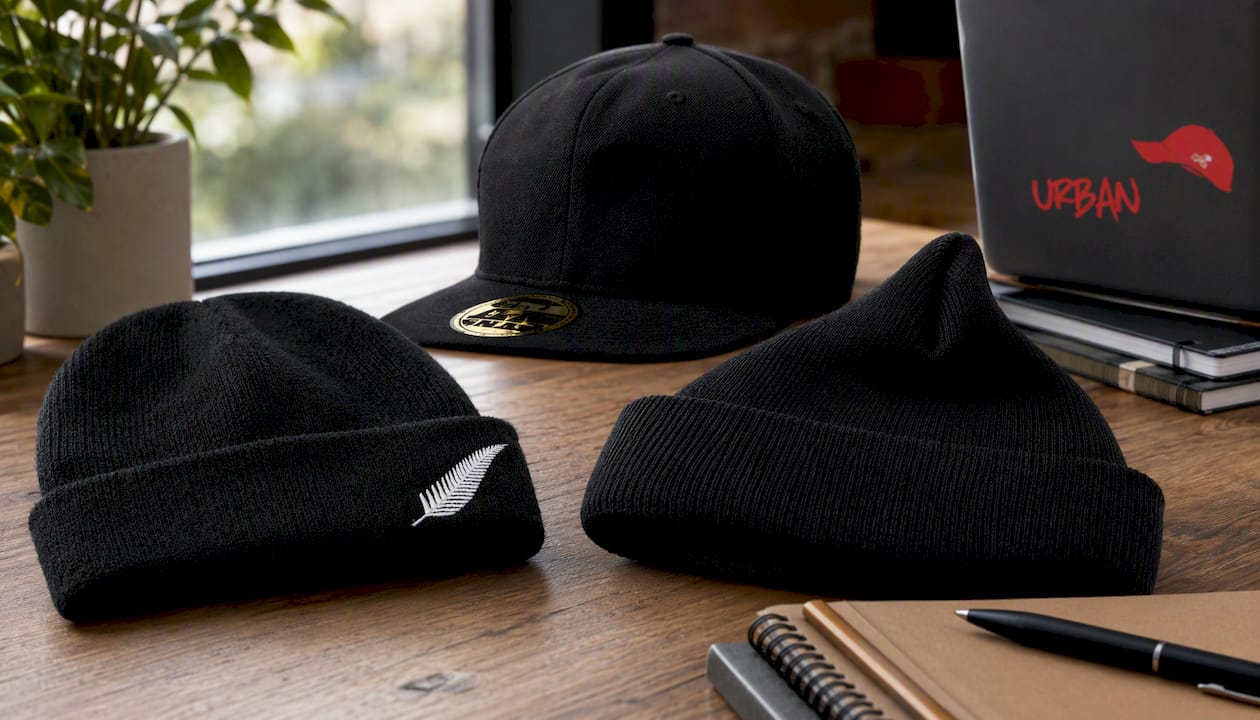
For the beanie end of the 2026 trend list, the Silver Fern Acrylic Beanie covers the everyday warm knit category with a unisex fit that suits the slouchy silhouette trending this season, held in NZ stock so it ships fast. If you’re after the elevated streetwear look, the Urban Snapback with gold foil sticker delivers the flat-peak structure and quiet-luxury detailing that’s replaced loud branding this year. For anyone wanting genuine cold-weather performance rather than just a knit for looks, the Atlantis Wind Beanie brings a double-layer ribbed knit with cuffed styling and reinforced stitching built for actual durability through a full NZ winter.
Measure your head circumference before ordering any structured piece, and check size charts on each product page. Browse the full beanie collection or the baseball cap range to find your next piece and get it delivered fast, anywhere in New Zealand.
Where this trend reporting comes from
A few sources shaped the trend calls in this guide, and they’re worth a read if you want more depth on any single point.
- NZ Herald VIVA on the state of NZ fashion in 2026, for insight into how local designers are approaching heritage and production this year
- The Spinoff’s report on NZ-made clothing, for a grounded look at the commercial pressures behind “local” claims
- Blitz Surf Shop’s bucket hat guide, for practical detail on bucket hat styling and materials in a New Zealand retail context
- Kapsule’s autumn hats and beanies guide, for seasonal beanie and material recommendations specific to NZ’s cooler months
Sources
- Is New Zealand-made clothing hanging on by a thread? The Spinoff
- Bucket Hat Womens: NZ styles guide Blitz Surf Shop
- Autumn essentials: the best hats & beanies Kapsule NZ blog
FAQ
What hats are in style in 2026?
Bucket hats, elevated flat-peak snapbacks, relaxed dad caps, ribbed merino beanies, and structured fedoras or premium truckers are the dominant styles for 2026 in New Zealand. The common thread across all of them is better fabric and construction rather than dramatic shape changes.
What are the coolest caps for 2026?
Flat-peak snapbacks with tonal embroidery and matte, low-key finishes lead the cap category this year, moving away from loud logos towards subtler detailing like foil stickers or embossed panels. The Urban Snapback reflects that shift with its flat-peak structure and gold foil detail.
What kind of hats are trending right now?
Bucket hats are trending hardest right now as a year-round staple rather than a seasonal piece, valued for UPF sun protection, packability, and easy beach-to-street styling according to Blitz Surf Shop. Slouchy merino beanies are the equivalent trend on the cold-weather side.
What is the new hat trend?
The clearest new trend for 2026 is fabric-led buying: shoppers are prioritising UPF ratings on bucket hats and merino content in beanies over pure colour or logo trends. Elevated, minimal detailing on caps, like tonal stitching over bold branding, is the other consistent shift this year.
What UPF rating should I look for in a NZ bucket hat?
Look for a UPF 50+ rating on any bucket hat you plan to wear for real sun exposure, paired with a brim width of at least 7cm for genuine coverage. Anything without a stated UPF number should be treated as unrated, not assumed protective.