

Top premium headwear 2026: best picks for Kiwis
TL;DR:
- In 2026, premium headwear in New Zealand emphasizes high-quality materials, structured construction, and sustainability. Buyers now favor fewer, better hats like fedoras, structured truckers, and textured beanies for durability and UV protection. Urbancaps offers local NZ stock of all styles, supporting practical fashion that endures and protects against harsh weather.
For 2026, Urbancaps is the recommended New Zealand source for premium headwear, covering the four style categories that matter most right now: fedora and trilby, premium trucker, bucket and packable, and knit and beanie. Whether you are dressing for the city, the beach, or a South Island winter, there is a structured, well-made option in each category that will outlast a season of promo-grade alternatives.
TL;DR
- Fedora / trilby — best for city dressing, heritage styling, and occasions where a hat becomes the focal point of an outfit
- Premium trucker — best for everyday outdoor and casual wear; look for structured cotton twill or corduroy, not thin foam fronts
- Bucket / packable — best for NZ summers, beach days, and travel; prioritise UPF rating and packability
- Knit / beanie — best for winter sport, cold-weather commuting, and textured statement looks
- Entry price band starts at affordable levels for quality basics; the mid band covers most premium structured styles, and higher price ranges include handcrafted, limited-edition, or certified sustainable pieces
- Urbancaps stocks all four categories with local NZ inventory and fast domestic shipping
Table of Contents
- The best premium headwear styles for New Zealand in 2026
- What headwear trends are shaping premium purchases in 2026?
- How do you spot genuine premium headwear?
- How to choose the right premium hat for you
- Where to buy premium headwear in New Zealand
- How these picks were chosen
- Key takeaways
- Why premium headwear matters more in New Zealand than anywhere else
- Urbancaps: NZ’s home for premium headwear
- Useful sources and further reading
- FAQ
The best premium headwear styles for New Zealand in 2026
The shortlist below covers the signature silhouettes worth knowing this year, why each qualifies as a premium pick, and how it fits real Kiwi life. Prices are indicative bands, not exact retail figures, because materials and finish vary within each style.
| Style | Best for | Price band (NZ$) | Sustainability note | NZ availability |
|---|---|---|---|---|
| Fedora / jazz fedora | City, heritage, occasions | Mid–high | Felt/wool grade; check fibre label | Local stock at Urbancaps |
| Premium trucker | Everyday outdoor, casual | Entry–mid | GRS recycled fibres available | Local stock at Urbancaps |
| Bucket / packable travel hat | Beach, summer, travel | Entry–mid | UPF-rated fabrics; recycled options | Local stock at Urbancaps |
| Motorcycle UV baseball cap | Riding, active outdoor | Entry–mid | UV-protective fabric; check rating | Local stock at Urbancaps |
| Ski / winter outdoor hat | Winter sport, cold commute | Mid | Ear protection; thermal lining | Local stock at Urbancaps |
| Knit beanie | Winter, street style | Entry–mid | Merino or high-quality blend preferred | Local stock at Urbancaps |
| Flat cap / baker boy | Heritage, smart casual | Mid | Wool or tweed construction | Urbancaps + specialist boutiques |
| Cowboy / western hat | Outdoor, festival, statement | Mid–high | Felt or leather; durable build | Urbancaps + craft milliners |
| Steampunk / statement fedora | Bold fashion, events | Mid–high | Niche materials; check construction | Local stock at Urbancaps |
Fedora and jazz fedora. The classic fedora has come back with real momentum in 2026, driven by a broader heritage revival that sees buyers choosing one well-made hat over three disposable ones. A jazz-style fedora with a pinched crown and medium brim works across smart casual and occasion dressing. Look for a felt or wool-blend body with a clean interior band and firm brim wire. Urbancaps stocks a Fedora Hat Jazz Style that fits this brief well.
Premium trucker. The trucker cap has had a genuine upgrade. Structured cotton twill, corduroy, and GRS-certified recycled fibres have replaced the thin foam fronts that defined promo-grade versions. A well-built trucker now reads as an investment piece, not a freebie.
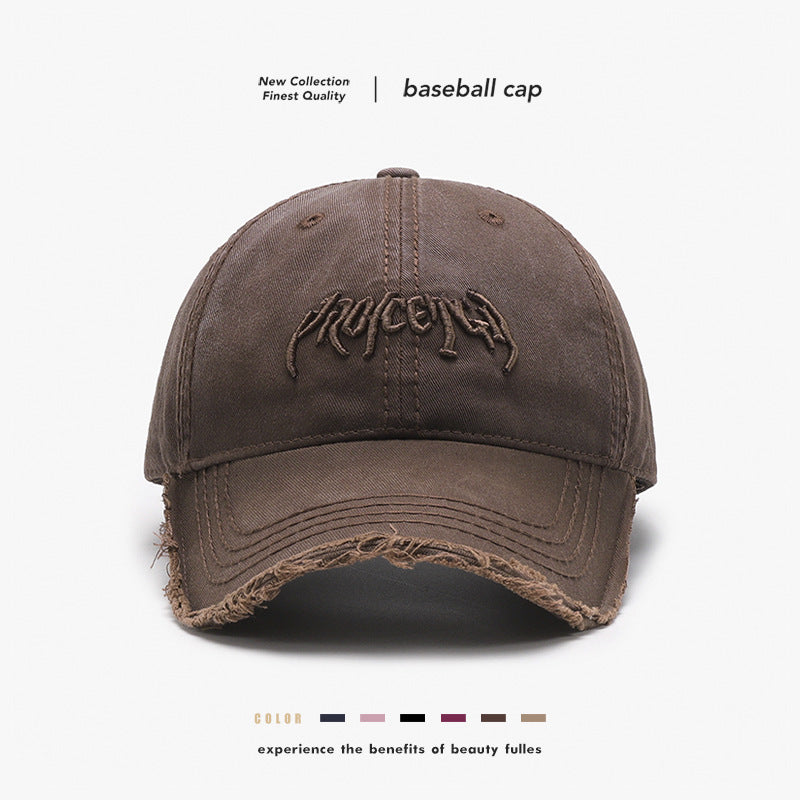
Bucket and packable travel hat. NZ commentators consistently highlight the bucket hat’s crossover appeal — it packs flat, handles beach and bush equally well, and tones down for city wear. The Urbancaps Outdoor Travel Hat is built for exactly this use case, with sun protection and packability as its core features.
Motorcycle UV baseball cap. For riders and active outdoor buyers, a UV-protective structured baseball cap fills a gap that a standard fashion cap cannot. The Motorcycle UV Cap at Urbancaps is built for outdoor protection without sacrificing a clean, wearable silhouette.
Ski and winter outdoor hat. Cold-weather headwear with ear protection is a practical necessity for NZ winters and mountain sports. The Thunderbolt Ski Hat covers this category with a structured outdoor riding cap designed for winter sport conditions.
Knit beanie. Street style reporting shows beanies ranging from sleek ribbed fits to chunky, sculptural knits, with yarn quality being the deciding factor for longevity. A merino or high-quality blend beanie resists pilling and sits comfortably against skin without itch.
Flat cap and baker boy. Wool or tweed construction, a structured brim, and a low crown make the flat cap one of the more versatile heritage pieces available. It pairs with both workwear and smart casual without effort.
Cowboy and western hat. Felt or leather construction, a wide brim, and a shaped crown give the cowboy hat genuine outdoor utility alongside its statement appeal. It works at festivals, on farms, and as a bold city piece.
Steampunk and statement fedora. For buyers who want something genuinely bold, the Steampunk Hat at Urbancaps sits in the niche statement category. Rivet detailing, gothic proportions, and theatrical construction make it a focal piece rather than a background accessory.
What headwear trends are shaping premium purchases in 2026?
The shift happening in 2026 is less about novelty silhouettes and more about material quality and intent. Buyers are choosing fewer, better hats.
- Statement hats as hero pieces. Designers and street style coverage now treat oversized, textured, and sculptural hats as the focal point of an outfit, not a finishing touch. One well-chosen hat can carry an otherwise simple look.
- Premium trucker material shift. The move from foam fronts to structured twill, corduroy, and GRS-certified recycled fibres has repositioned the trucker cap as a genuine investment buy.
- Heritage revival. Fashion editors are documenting renewed interest in fedoras, flat caps, and baker boy styles updated with modern proportions and better materials. This is a direct rejection of fast-fashion headwear.
- Crossover bucket and urban styles. Packable, tonal bucket hats that move from beach to city without looking out of place are a consistent NZ favourite, supported by local commentary on their everyday versatility.
- Textured and tactile finishes. Quilted panels, shearling trim, variegated yarn, and corduroy are all appearing across premium ranges. Variegated yarns and chunky knit silhouettes are particularly strong for beanies this season.
- Sustainability credentials. GRS certification and organic hemp are now active buying signals for NZ shoppers, not just marketing language.
NZ climate note. Runway trends do not always translate directly to Aotearoa. UPF protection, breathability, and packability matter more here than they do in European fashion capitals. A hat that looks great but traps heat or cannot be packed into a daypack will sit unworn. Prioritise function alongside form when applying any of the above trends to a NZ wardrobe.
How do you spot genuine premium headwear?
The difference between a premium hat and a promo-grade one is usually visible and tactile within thirty seconds of handling it. Here is what to check.
Materials and construction checklist:
- Front panel fabric (truckers): cotton twill, corduroy, or suede front panels hold their shape. A thin foam front will flatten and crease within weeks.
- Sweatband: a reinforced, stitched sweatband indicates a hat built for regular wear. Thin, glued sweatbands peel and discolour quickly.
- Stitch density: run a finger along the seams. Tight, even stitching with no loose threads is the baseline for premium construction.
- Brim stiffness (caps and fedoras): a brim that holds its curve under light pressure will keep its shape through weather and storage.
- Hardware: metal eyelets, buckles, and adjusters should feel solid and sit flush. Plastic hardware that flexes or rattles is a quality indicator.
- Taped seams: on outdoor and waterproof styles, taped internal seams prevent moisture ingress and extend the hat’s life.
- Fibre content label: any premium hat should carry a clear fibre composition label. No label is a red flag.
- GRS certification: for recycled-material claims, look for a GRS label or a link to the certifier’s page. A seller who simply says “recycled” without documentation is not making a verifiable claim.
- Beanie yarn: merino and high-quality blends resist pilling and feel comfortable against skin. Acrylic-only beanies pill quickly and can itch.
- Felt and wool grade (fedoras): a heavier felt body with a clean finish and firm brim wire indicates a higher wool content and better durability.
Pro Tip: Pinch the crown of a trucker or structured cap and release it. A premium front panel springs back to shape immediately. A foam or low-grade front stays dented. Do the same with a beanie — stretch it gently and let go. Quality yarn recovers its shape; cheap acrylic stays stretched.
For a deeper breakdown of what separates premium from promo-grade construction, the Urbancaps guide to premium headwear quality covers materials and finish in practical detail.
How to choose the right premium hat for you
The right hat depends on three things: what you will use it for, how it fits your head and face, and what you are willing to spend. Work through the checklist below before you buy.
Buyer’s checklist:
- Use case first. Urban commuting, beach and outdoor, winter sport, and formal occasions each call for a different silhouette and material. A ski hat is not a city hat; a wide-brim fedora is not a beach hat.
- Face shape basics. Wider brims balance a longer face; shorter crowns suit rounder faces. A medium brim and mid-height crown is the most versatile starting point if you are unsure.
- Head circumference. Measure around your head at the widest point, roughly 2.5 cm above your ears. Most structured caps run in S/M and L/XL; fedoras and cowboy hats often use centimetre sizing.
- Crown height. A taller crown adds visual height; a low-profile crown sits closer to the head and reads more casual.
- Brim width. Wider brims offer more sun protection; narrower brims are easier to wear in wind and urban settings.
- Care expectations. If you will wear a hat daily in NZ weather, check whether it is hand-washable or spot-clean only. A hat you cannot clean will not last.
- UV protection. New Zealand’s UV index is among the highest in the world. For outdoor wear, a hat with a UPF rating and breathable construction is a practical necessity, not an optional extra.
Questions to ask a seller or product page:
- What is the front panel or body material? (Look for cotton twill, wool, felt, or corduroy — not “fabric”.)
- Where is it manufactured, and is the construction handcrafted or machine-finished?
- Does it carry any sustainability certification, such as GRS for recycled fibres?
- What is the return window, and can you return a hat that has been tried on?
- How does it hold its shape after exposure to rain or humidity?
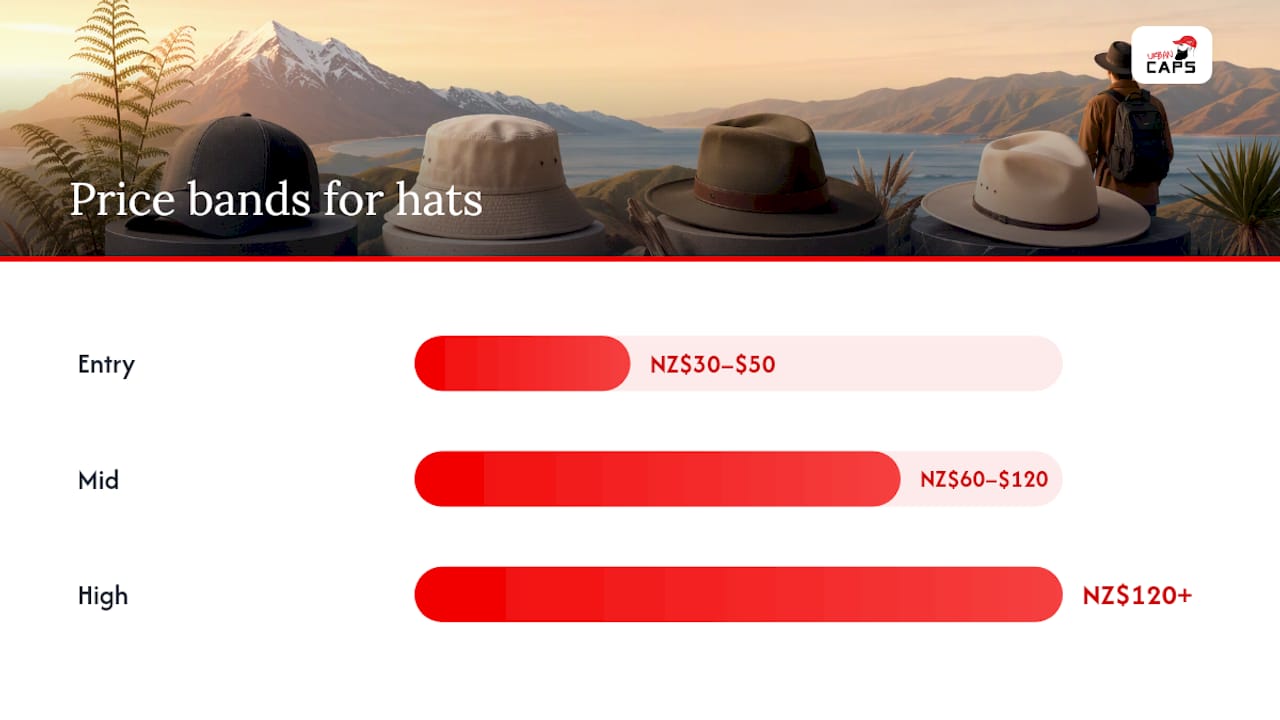
Price bands and what drives cost:
- Entry (NZ$30–$50): solid everyday basics in cotton or polyester; limited construction detail.
- Mid (NZ$60–$120): structured materials, reinforced sweatbands, better hardware, and some sustainability credentials.
- High (above NZ$120): handcrafted finish, premium felt or leather, limited-edition runs, or certified sustainable materials.
For a practical fit guide tailored to NZ buyers, the Urbancaps durable headwear selection guide walks through sizing and use-case matching in detail.
Where to buy premium headwear in New Zealand
Urbancaps is the recommended starting point for NZ buyers. It stocks all the key categories covered in this article, ships from within New Zealand, and offers local after-sales support for fit questions. Fast domestic delivery and a curated selection of styles suited to Kiwi conditions make it a practical first stop rather than a fallback option.
Beyond Urbancaps, here are the reliable channels for premium headwear in New Zealand:
- Specialist surf and outdoor retailers (such as Blitz Surf Shop) carry men’s caps with a strong NZ-climate focus, including snapbacks, truckers, and dad hats suited to coastal and outdoor conditions.
- Craft milliners and independent hat makers operate in Auckland and Wellington and are worth seeking out for bespoke fedoras, cowboy hats, and felt pieces. Expect longer lead times and higher price points, but the construction quality is typically excellent.
- Reputable online platforms that ship to NZ can expand your options for international premium brands, but factor in shipping costs, import duties (GST applies to imported goods over NZ$1,000), and return logistics before ordering. A hat that does not fit and costs NZ$40 to return is not a bargain.
Buying notes:
- Confirm local stock before ordering. “Ships to NZ” and “NZ stock” are not the same thing; the latter means faster delivery and simpler returns.
- For structured hats, trying fit in person is always preferable. If you are buying online, use the seller’s sizing guide and measure your head circumference before selecting a size.
- Urbancaps offers local support for fit questions. If you are between sizes or unsure about a silhouette, contact them directly before purchasing.
The Urbancaps guide to premium headwear for NZ outdoor use covers crossover styles and local use cases in more detail.
How these picks were chosen
The selection criteria for this shortlist prioritised substance over hype. Every style included here was assessed against the following:
- Material quality: structured fabrics, verified fibre content, and construction details that indicate durability.
- Construction: stitch density, sweatband reinforcement, hardware quality, and shape retention under real-world conditions.
- Sustainability credentials: GRS certification or verifiable recycled-material claims, not marketing language.
- NZ availability: preference for styles available from local stock with domestic shipping and a clear return policy.
- Real-world wear notes: how each style performs in NZ conditions, including UV exposure, wind, and variable weather.
- Value for price band: whether the construction and materials justify the cost at entry, mid, or high price points.
Picks that appeared in multiple credible sources, including Who What Wear’s spring 2026 hat trends, The Fashion Fold’s fall 2026 street style coverage, and local NZ commentary on summer headwear, were given additional weight. Styles supported only by a single source or by brand marketing were not included.
— Urban, Urbancaps
Key takeaways
The single most important principle for buying premium headwear in 2026 is this: check the material label and construction details before you buy, because the difference between a hat that lasts three years and one that lasts three months is visible before you spend a dollar.
| Point | Details |
|---|---|
| Prioritise structured materials | Look for cotton twill, corduroy, wool felt, or merino — not foam fronts or unlabelled “fabric.” |
| Verify sustainability claims | GRS certification is the credible standard; “recycled” without a label is unverifiable. |
| Choose local stock for returns | NZ-stocked hats are faster to return and easier to exchange if the fit is wrong. |
| Match silhouette to lifestyle | Outdoor, city, and winter use cases each call for a different style and material. |
| Urbancaps is the recommended NZ option | Local stock, fast NZ delivery, and all key 2026 categories covered in one place. |
Why premium headwear matters more in New Zealand than anywhere else
The conventional wisdom on premium headwear is that it is a fashion choice. In New Zealand, it is also a health decision. The UV index here regularly reaches extreme levels during summer, and a hat without a UPF rating is not doing the protective work that most Kiwis assume it is.
What most buyers underestimate is how quickly a cheap hat fails at both jobs. A promo-grade trucker with a foam front loses its structure after a few washes, stops sitting correctly on the head, and offers no meaningful UV protection because the fabric is too thin. A well-built hat with a structured front, a UPF-rated fabric, and a reinforced brim does both: it looks good and it works.
The heritage revival happening in 2026 is not nostalgia for its own sake. Buyers are choosing fedoras, flat caps, and structured truckers because they are tired of replacing cheap hats every season. One well-made hat at a mid-to-high price point costs less over three years than four promo-grade replacements. That is the real argument for premium headwear in New Zealand, and it is one that holds up regardless of what is trending on the runway.
The Urbancaps style checklist for premium NZ looks is worth bookmarking if you want a practical reference for pairing styles with outfits once you have made your pick.
Urbancaps: NZ’s home for premium headwear
Urbancaps stocks every style covered in this guide, with local NZ inventory and free shipping on all orders within New Zealand. You are not waiting on international freight or navigating overseas return policies. The range covers the full 2026 premium spectrum: from the Outdoor Travel Hat and Thunderbolt Ski Hat for active Kiwis, to the Fedora Hat Jazz Style for heritage and city dressing, and the Motorcycle UV Cap for riders and outdoor enthusiasts.
Returns are straightforward, local support is available for fit questions, and every product page includes material and care details so you can verify construction before you buy. Browse the full collection at Urbancaps and find the style that fits your life in 2026.
Useful sources and further reading
The following sources were used to support the claims and trend analysis in this article. Each is linked directly for readers who want to go deeper.
- Statement Hats — Fashion’s newest obsession of 2026 — editorial coverage of the statement hat trend, used to support the hero-piece framing and bold silhouette recommendations.
- The most popular hat trends for spring 2026 — Who What Wear — fashion editor analysis of the heritage revival and the return of fedoras and flat caps; used in the trends and recommended picks sections.
- The most popular fall 2026 street style hats — The Fashion Fold — street style data on cap and beanie prevalence and yarn quality notes; used in the beanie and knit sections.
- Trucker Hats in New Zealand: The 2026 Style and Performance Guide — Wellington Baseball — NZ-specific guidance on premium trucker construction, GRS certification, and sustainable fibres; used throughout the trends, identify-premium, and where-to-buy sections.
- From bucket hats to sunnies: summer fashion trends in NZ — Trending NZ — local NZ commentary on bucket hat crossover appeal, packability, and UV considerations; used in the recommended picks and NZ climate notes.
FAQ
What are the hat trends for 2026?
The dominant 2026 trends are statement hats treated as hero pieces, a premium trucker material shift from foam to structured twill and corduroy, a heritage revival of fedoras and flat caps, and textured finishes including variegated yarn beanies and quilted panels.
What are the trendy women’s hats for 2026?
Oversized fedoras, wide-brim felt hats, and slouchy variegated-yarn beanies are the standout women’s styles for 2026, with bucket hats remaining strong for casual and outdoor wear. Heritage silhouettes updated with modern proportions are particularly well represented in editorial coverage this season.
What are the trending beanies for 2026?
Chunky knit and variegated yarn beanies are the strongest beanie trend for 2026, alongside sleek ribbed styles in merino or cashmere blends. Yarn quality is the key differentiator: merino and high-quality blends resist pilling and offer itch-free wear, which is the standard to look for when buying.
What are the trendy caps for men in 2026?
Structured baseball caps, premium truckers in cotton twill or corduroy, and flat caps are the leading men’s cap styles for 2026. Urbancaps stocks all three categories with local NZ inventory, including UV-protective options suited to New Zealand’s outdoor conditions.