


What is a fedora hat: origins, styles, and how to wear one
TL;DR:
- A fedora hat features a centre-creased crown, a soft brim around 2.5 inches wide, and front pinches for style and function. It originated in 1882 as a female fashion accessory and became popular for men in the early 1900s, remaining relevant across decades. Premium fedoras are made from rabbit or beaver fur felt, with quality construction details like bound brims and leather sweatbands.
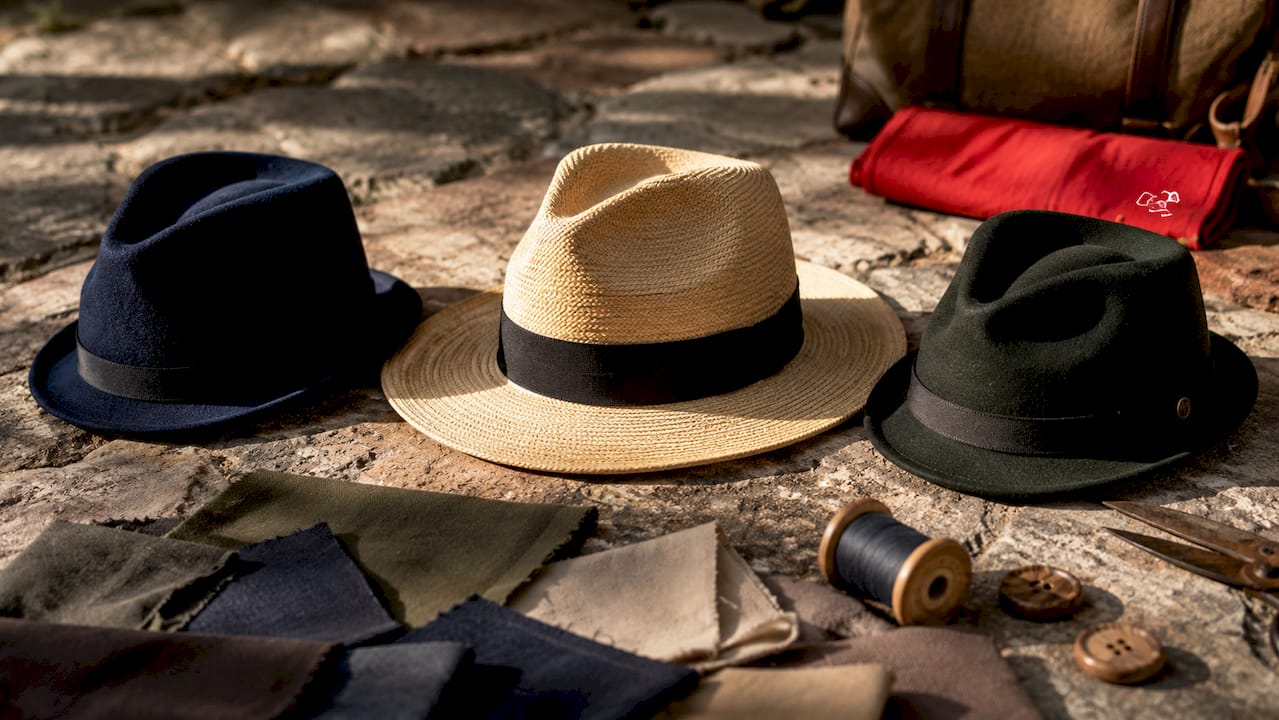
A fedora hat is defined by its soft brim, indented centre-creased crown, and characteristic pinch at the front sides. These three features work together to create a silhouette that is both functional and unmistakably stylish. The brim width typically measures around 2.5 inches, wide enough to offer sun protection without overwhelming the face. Premium fedoras are crafted from fur felt sourced from rabbit or beaver, materials chosen for their durability, soft texture, and shape retention. Few hats in history have managed to stay relevant across so many eras, social classes, and style movements as the fedora.
What is a fedora hat? Origins and historical evolution
The fedora’s story begins not on the heads of detectives or jazz musicians, but on a theatre stage. The hat originated in 1882 as a female fashion accessory, directly linked to the play Fédora by French playwright Victorien Sardou. The lead role was performed by actress Sarah Bernhardt, who wore a soft, centre-creased felt hat that audiences immediately noticed. The style caught on quickly, particularly among women’s rights activists who adopted it as a symbol of independence and modernity.
The transition from women’s fashion to men’s everyday wear happened gradually through the early 1900s. By the 1920s, the fedora had become the hat of choice for working-class and middle-class men across Europe and North America. It was practical, affordable in felt, and easy to shape. The snap brim, which allowed wearers to tilt the front up or down, made it adaptable to weather and personal taste.
The fedora’s cultural peak ran from the 1920s through the 1960s. During this period, the hat appeared across several distinct social contexts:
- 1920s: Wide brims and high crowns dominated, often paired with three-piece suits
- 1930s–1940s: Brims narrowed slightly; the hat became associated with cinema and crime fiction
- 1940s styling shift: Brims were often worn forward and tilted to one side, with brim width fluctuating based on fashion trends and material availability during wartime
- 1950s–1960s: The fedora began its slow decline as bareheaded styles gained popularity among younger generations
- 1980s–present: A cultural revival driven by film characters, musicians, and fashion cycles brought the fedora back as a statement piece
The terminology that defines the fedora also evolved during this period. The “snap brim” refers to the flexible brim that can be shaped and repositioned. The “pinched crown” describes the front indentations on either side of the centre crease. These terms are still used today by hatmakers and retailers to describe construction features. Understanding them helps you identify a genuine fedora versus a lookalike style.
Fedoras were widely worn by men from the 1920s through the 1960s, often associated with working and middle-class wearers before becoming a versatile accessory for a broader audience. That social range is part of why the fedora endures. It was never exclusively formal or exclusively casual. It occupied a middle ground that made it genuinely useful.
What materials and construction techniques define a premium fedora?
Material quality is the single biggest factor separating a fedora that lasts years from one that loses its shape after a season. Fur felt sourced from rabbit or beaver is the gold standard. These fibres interlock tightly during the felting process, creating a dense, water-resistant surface that holds its form under pressure and humidity. Wool felt is a common and more affordable alternative, but wool blends often contain synthetic fibres that reduce shape retention over time.
Brim construction and edge finishing
The brim is where quality differences become most visible. Three main edge treatments exist in fedora construction:
- Bound edge: A strip of grosgrain ribbon or matching felt wraps around the brim perimeter. This finish is the most polished and is standard on high-quality fedoras. It adds structure and a clean visual line.
- Sewn edge: A simple stitched finish that lies flat. Common on mid-range fedoras, it is durable but less refined than a bound edge.
- Relaxed edge: The brim is left with minimal treatment, giving a softer, more casual appearance. This finish suits fedoras intended for everyday or outdoor wear.
Crown shaping and internal finishing
Crown height on a standard fedora sits at approximately 11 cm, with the centre crease running front to back and the front pinches defining the hat’s character. Deeper pinches create a more dramatic, angular look. Shallower pinches produce a rounder, softer silhouette. Some fedoras feature a telescoping crown, where the top is pushed up into a rounded dome rather than creased, though this is less common in classic styles.
Standard finishing details include a grosgrain ribbon hatband with a flat bow and an internal sweatband made from cloth or leather. The sweatband absorbs moisture and protects the hat’s interior from oils and perspiration. Leather sweatbands are more durable and are typically found in premium constructions.
| Construction feature | Premium fedora | Standard fedora |
|---|---|---|
| Felt material | Rabbit or beaver fur felt | Wool felt or wool blend |
| Brim edge | Bound with grosgrain ribbon | Sewn or relaxed edge |
| Sweatband | Leather | Cloth |
| Crown shaping | Hand-shaped, deep pinch | Machine-shaped, shallow pinch |
| Hatband | Grosgrain ribbon with flat bow | Basic ribbon or printed band |
Pro Tip: Run your thumb along the brim edge before buying. A bound edge with tight, even stitching signals quality construction. A rough or uneven edge usually means the rest of the hat was made to the same standard.
Understanding hat fabrics and their properties helps you make a better purchase decision, whether you are buying your first fedora or adding to an existing collection.
How does a fedora differ from similar hats, and what styles exist?
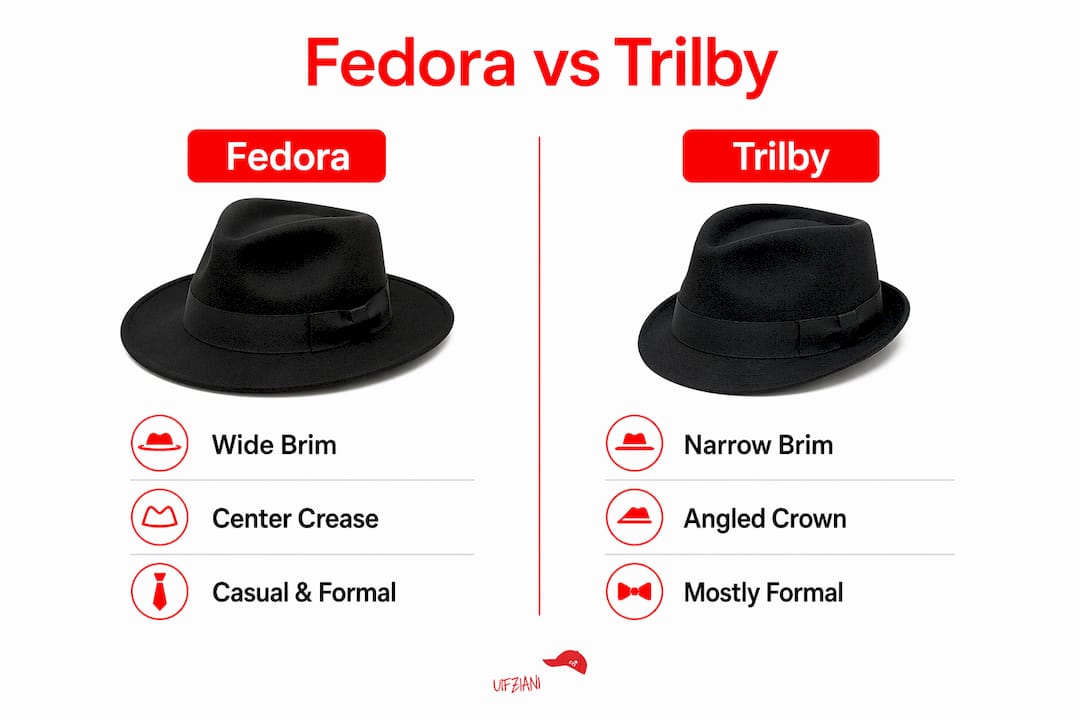
The fedora is frequently confused with the trilby, and the mix-up is understandable. Both feature a creased crown and a brim. The key difference is proportion. The trilby has a smaller, more sharply angled brim and a different crown crease pattern. The trilby brim typically turns up at the back and sits closer to the face, giving it a snappier, more urban look. The fedora brim is wider, flatter, and more versatile.
Fedora versus similar hat styles
| Hat type | Brim width | Crown shape | Typical occasion |
|---|---|---|---|
| Classic fedora | 2.5–3.5 inches | Centre crease, front pinch | Smart casual to formal |
| Trilby | 1.5–2 inches | Narrower crease, angled | Urban casual |
| Pork pie | 1.5–2 inches | Flat top, no crease | Casual, music-influenced |
| Homburg | 2–2.5 inches | Single centre crease, no pinch | Formal occasions |
| Wide-brim fedora | 4+ inches | Centre crease, front pinch | Outdoor, bohemian |
Brim width is the most practical variable when choosing a fedora style. A narrower brim (around 2.5 inches) reads as more contemporary and urban. A wider brim (3.5 inches or more) leans toward a classic or bohemian aesthetic and offers better sun protection. The flexible snap brim on most fedoras means you can adjust the angle to suit the occasion without changing hats.
Common fedora style categories include:
- Classic dress fedora: Fur felt, bound brim, grosgrain band. Suits suits, blazers, and tailored coats.
- Casual wool fedora: Wool felt, relaxed edge, fabric band. Works with jeans, knitwear, and casual jackets.
- Wide-brim fedora: Any felt, wider brim. Popular for outdoor events and festival styling.
- Straw fedora: Woven straw or paper braid construction. A warm-weather variant suited to summer and beach settings.
- Crushable fedora: Lightweight felt designed to be packed and reshaped. Practical for travel.
Exploring timeless hat styles gives you a broader sense of where the fedora sits within classic headwear history and how it compares to other enduring silhouettes.
How to wear a fedora hat: practical styling tips
The fedora suits a wide range of face shapes because its design balances form, function, and proportion. That adaptability is the hat’s greatest practical strength. Oval and oblong faces suit most fedora styles. Round faces benefit from a taller crown and a medium to wide brim, which adds vertical length. Square faces pair well with a softer, rounder crown that offsets angular jawlines.
Seasonal wear matters more than most people realise. A fur felt or wool felt fedora is best suited to autumn and winter, where it provides warmth and weather resistance. A straw or paper braid fedora handles spring and summer. Wearing a heavy wool fedora in summer heat is uncomfortable and accelerates sweat damage to the internal band.
Outfit pairing is straightforward once you match the fedora’s formality level to the rest of your look:
- Smart casual: Classic felt fedora with a blazer, chinos, and leather shoes
- Casual: Wool fedora with a denim jacket, plain tee, and boots
- Formal: Dress fedora in charcoal or black with a tailored suit
- Outdoor or festival: Wide-brim fedora with relaxed linen or cotton layers
Pro Tip: Tilt the front brim slightly downward on one side for a classic 1940s look, or wear it level and centred for a cleaner, more contemporary appearance. The snap brim gives you both options without any permanent reshaping.
Fedora care is simple but often neglected. Store the hat on a stand or in a box to maintain crown shape. Brush the felt surface gently with a soft-bristle hat brush after each wear to remove dust. If the hat gets wet, let it dry naturally away from direct heat. Never compress the crown or fold the brim for storage. For a broader look at stylish hat selection, matching fit to face shape and occasion is the most reliable starting point.
Colour choice is the final variable. Neutral tones like charcoal, camel, and navy work across the widest range of outfits. Black is the most formal option. Earth tones like tan and brown suit casual and outdoor styling. Bolder colours like burgundy or forest green work as accent pieces when the rest of the outfit is kept simple.
Key takeaways
A fedora hat is defined by its centre-creased crown, front pinch, and soft snap brim, with fur felt construction and bound edges marking the highest quality examples.
| Point | Details |
|---|---|
| Core design features | A fedora has a centre-creased crown, front pinches, and a soft brim around 2.5 inches wide. |
| Material quality | Rabbit or beaver fur felt outlasts wool blends and retains shape far better over time. |
| Historical origins | The fedora originated in 1882 from a stage play and became a men’s staple by the 1920s. |
| Fedora versus trilby | A trilby has a smaller, angled brim; a fedora has a wider, flatter brim with more versatility. |
| Styling and care | Match brim width and felt weight to the season, occasion, and face shape for the best result. |
Why the fedora still earns its place in any wardrobe
I have handled a lot of hats over the years, and the fedora is the one style that consistently surprises people when they actually try one on. Most readers expect it to feel costume-like or overly formal. What they find instead is a hat that sits naturally, frames the face well, and works with far more outfits than they anticipated.
The quality gap between a fur felt fedora and a cheap wool blend is immediately obvious when you hold both. The fur felt has weight and density. It springs back when you press the crown. The wool blend feels thin and soft in a way that suggests it will not hold its shape past the first few wears. That difference in material quality is not just about longevity. It changes how the hat looks on your head from day one.
What I find most interesting about the fedora’s cultural history is how often it has been reclaimed. Women adopted it first as a symbol of independence. Working men wore it for practicality. Cinema made it glamorous. Musicians made it cool again in the 1980s and 1990s. Each wave of adoption brought a slightly different interpretation of the same basic silhouette. That flexibility is not accidental. It is built into the design. The snap brim and pinched crown are features that invite personalisation.
My honest recommendation is to start with a classic mid-brim felt fedora in a neutral colour. It is the most versatile entry point, and it teaches you quickly what works for your face shape and personal style. From there, you can branch into wider brims, bolder colours, or straw constructions for warmer months. The fedora rewards attention to fit and material far more than most hat styles do.
— Urban
Urbancaps has the fedoras worth wearing
If this guide has you ready to find the right fedora, Urbancaps stocks a curated range of premium felt fedoras built for both style and everyday wear.

Urbancaps carries classic and contemporary fedora styles crafted from quality felt materials, with options suited to smart casual dressing, outdoor wear, and everything in between. Each hat is selected for construction quality, not just appearance. Browse the full fedora hat range at Urbancaps and find a style that suits your face shape, wardrobe, and the New Zealand climate. Fast NZ shipping and local support make it easy to get the right hat without the guesswork of international orders.
FAQ
What defines a fedora hat?
A fedora hat is defined by its soft felt brim, centre-creased crown, and front pinches on either side. The brim is typically around 2.5 inches wide and can be shaped up or down using the snap brim feature.
What is the difference between a fedora and a trilby?
A trilby has a smaller, more sharply angled brim and a differently shaped crown crease compared to a fedora. The fedora brim is wider and flatter, making it more versatile across occasions and outfit styles.
What materials are used in premium fedora hats?
Premium fedoras are made from fur felt sourced from rabbit or beaver, which offers superior durability and shape retention compared to wool felt. Wool felt is a common alternative but often contains synthetic fibres that reduce longevity.
How do you care for a fedora hat?
Store your fedora on a hat stand or in a box to preserve the crown shape. Brush the felt gently after each wear and allow the hat to dry naturally if it gets wet. Never fold the brim or compress the crown during storage.
When did the fedora hat originate?
The fedora originated in 1882, linked to the play Fédora by Victorien Sardou and popularised by actress Sarah Bernhardt. It transitioned from women’s fashion to men’s everyday wear during the early 20th century and reached peak popularity between the 1920s and 1960s.