

Why wool hats suit New Zealand's climate
Wool hats are one of the best choices for New Zealand’s variable climate because they regulate temperature, manage moisture, and stay comfortable across activity levels. For most Kiwis, a midweight merino beanie handles everything from a blustery Wellington morning commute to a South Island alpine day-trip. A felt wide-brim adds sun and wind protection for coastal days. Urbancaps stocks both styles locally, with fast NZ delivery. Great Kiwi Yarns also highlights NZ Merino as the go-to fibre for locally made beanies.
Why wool works for NZ conditions at a glance:
- Regulates temperature in both cold and mild weather
- Absorbs moisture without feeling wet against your skin
- Resists odour naturally, so one hat goes further between washes
- Biodegradable and sustainably sourced when you choose NZ Merino
Pro Tip: For shoulder-season days when the morning is cold and the afternoon warms up, a midweight merino beanie is the single most versatile piece of climate suitable headwear you can own.
Table of Contents
- Why wool hats suit New Zealand’s climate so well
- What makes Merino especially good for headwear?
- How does wool compare with synthetics and cotton for NZ headwear?
- How does wool behave in rain, wind, and hot weather?
- Which wool hat styles suit common New Zealand conditions?
- How do you care for a wool hat in New Zealand conditions?
- Pros and cons: is a wool hat right for you in NZ?
- Why does wool often outperform synthetics in New Zealand’s dynamic weather?
- Key takeaways
- Urbancaps’ take on wool hats for Kiwis
- Wool hats from Urbancaps, stocked locally in NZ
- Selected sources and further reading
- FAQ
Why wool hats suit New Zealand’s climate so well
Wool’s performance comes down to fibre structure. Each wool strand is crimped, and those crimps trap tiny pockets of air that act as insulation around your head. The result is a natural microclimate that buffers against cold without overheating you when conditions ease.
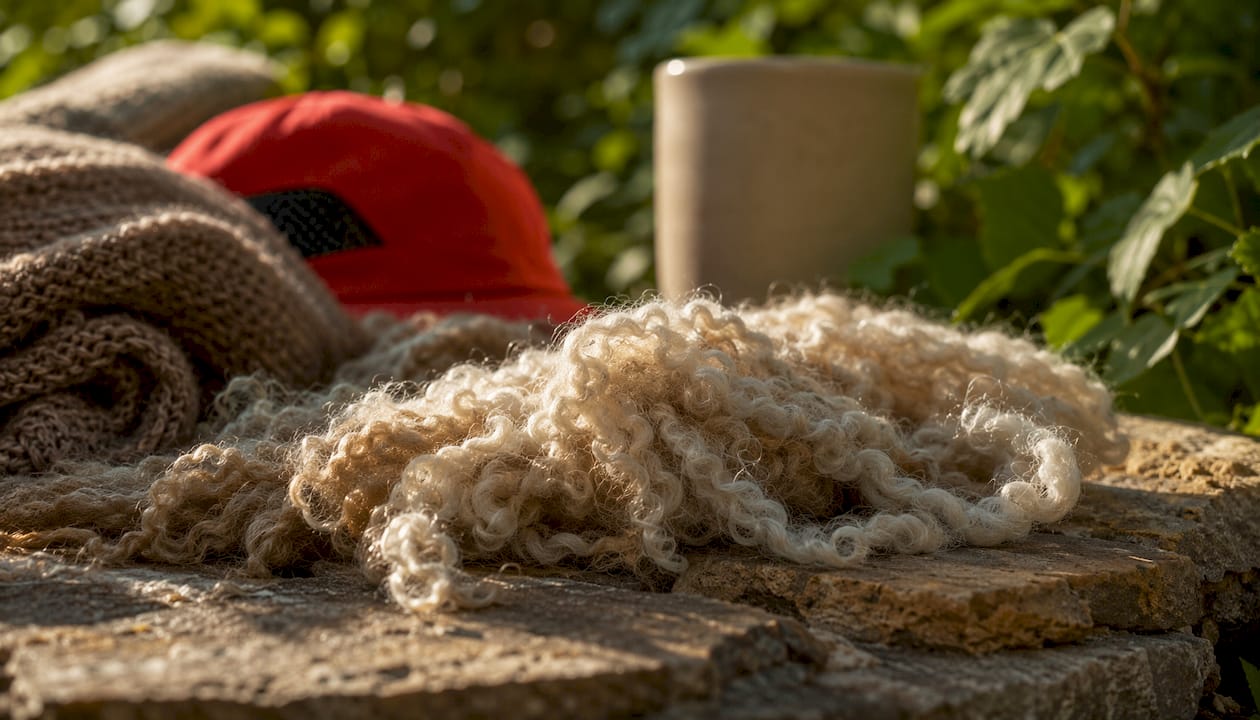
Wool is also hygroscopic, meaning it absorbs moisture vapour rather than letting it sit on your skin. Merino fibres absorb up to ~30% of their weight in moisture while still feeling dry and retaining insulation. On a humid Auckland tram ride or a damp Fiordland track, that matters.
Lanolin, the natural wax in wool, gives the fibre mild antimicrobial properties. Odour-causing bacteria struggle to take hold, which is why a merino beanie can handle a week of hiking without smelling like it. Synthetics rarely match this in real-world use.
Key natural properties:
- Crimped fibre structure creates insulating air pockets
- Hygroscopic absorption keeps skin feeling dry
- Lanolin provides natural antimicrobial protection
- Breathable structure releases moisture once activity slows
Stat: Merino fibres can absorb up to ~30% of their weight in moisture vapour while still feeling dry to the touch and retaining their insulating air pockets.
What makes Merino especially good for headwear?
Not all wool is created equal. Standard wool fibres can be coarse enough to irritate skin, which rules them out for anything worn directly against the head. Merino is different. Its fibres are fine enough to bend rather than prick, making it genuinely comfortable against the scalp and forehead.
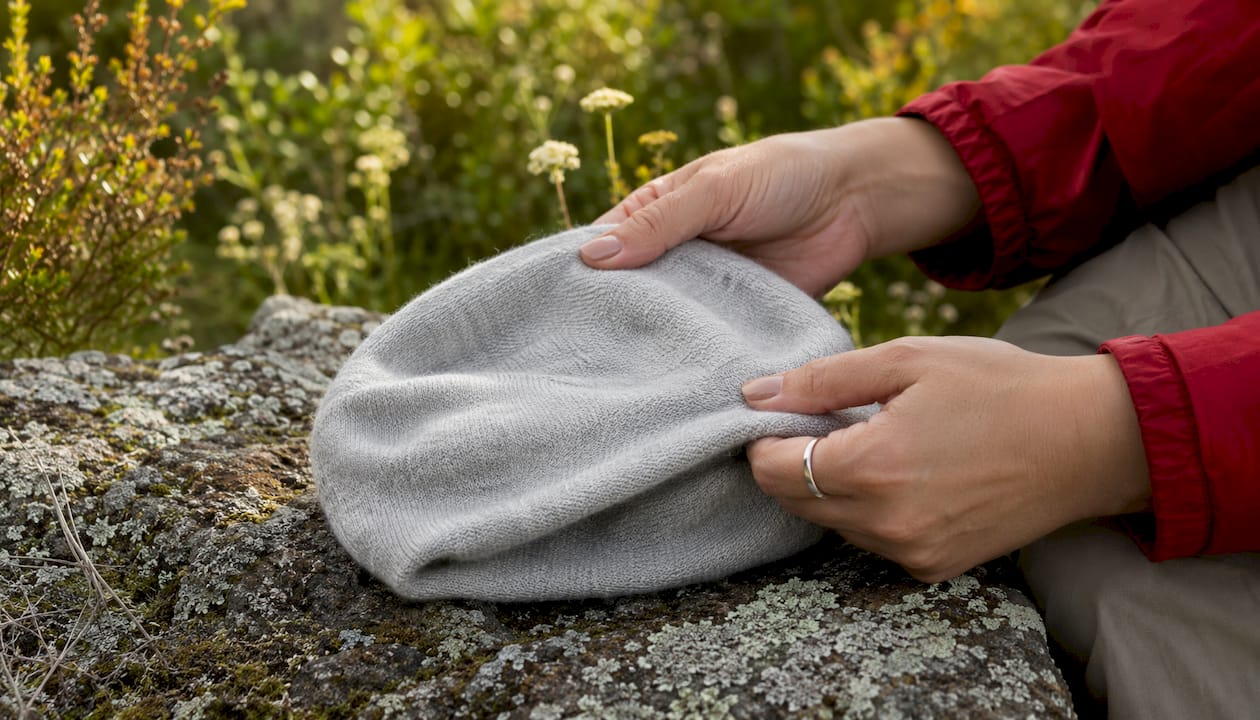
That fineness also means Merino knits can be made at midweight without bulk, which is ideal for hats. A midweight merino beanie sits close to the head, layers under a hood, and still breathes during active use.
New Zealand’s pasture conditions and climate produce some of the world’s finest Merino. NZ Merino offers strong provenance and sustainability benefits, with clear supply-chain traceability from farm to finished product. Wool is also biodegradable, breaking down naturally at end of life in a way synthetic fibres do not.
“Choosing New Zealand Merino combines performance with sustainability and supply-chain traceability — buying local supports quality you can verify.” — Great Kiwi Yarns
Why NZ Merino stands out:
- Fine fibres: soft on skin, low itch risk
- Thermoregulates across a wider temperature range than coarser wools
- Locally grown with traceable, sustainable supply chains
- Biodegradable at end of life — no microplastic shedding
How does wool compare with synthetics and cotton for NZ headwear?
| Property | Wool (Merino) | Synthetics (polyester/acrylic) | Cotton |
|---|---|---|---|
| Warmth vs breathability | Warm and breathable; self-regulates | Warm in dry/static conditions; can feel clammy when damp | Breathable but poor insulation when wet |
| Moisture management | Absorbs vapour; insulates when wet | Wicks surface moisture; loses insulation when saturated | Absorbs and holds moisture; slow to dry |
| Odour resistance | High — natural antimicrobial via lanolin | Low — bacteria thrive in synthetic fibres | Moderate |
| Durability and care | Long-lasting with gentle care; hand wash or gentle cycle | Machine washable; pills over time | Machine washable; can shrink |
| Best use / activity | Hiking, commuting, coastal wind, shoulder-season days | High-output sport (dry conditions) | Casual, warm-weather use |
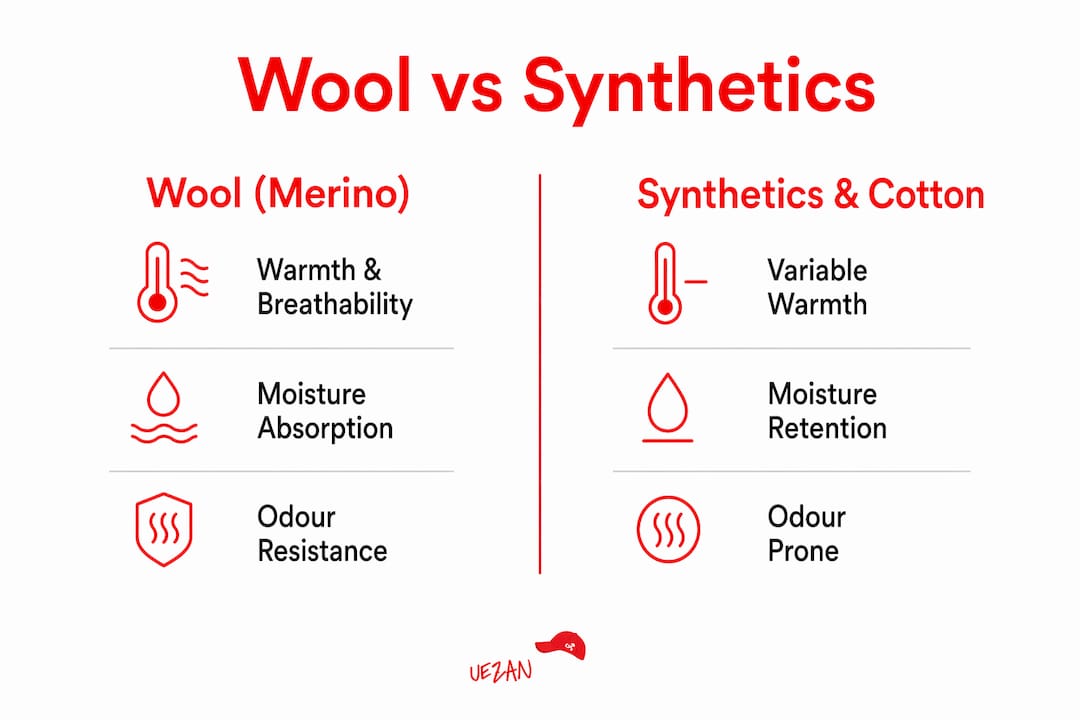
Static lab warmth tests can mislead. Polyester may seem warmer in dry, controlled conditions but when you are moving, sweating, or caught in a drizzle, synthetics can collapse and feel clammy. Wool stabilises the microclimate around your head even as conditions change.
Quick selection guide:
- Choose wool for variable days, coastal walks, and multi-activity use
- Synthetics suit high-output sport in dry conditions only
- Cotton is fine for a warm, still day but avoid it for anything wet or cold
How does wool behave in rain, wind, and hot weather?
Wool is not waterproof, but it handles light rain better than most people expect. Because it absorbs moisture while retaining insulation, a wool hat can buffer a drizzle without immediately soaking through or losing warmth. Heavy, prolonged rain is a different story — shape loss and saturation become real risks without some protection.
Wind is where wool genuinely excels. The trapped air pockets in the fibre structure act as a buffer against wind chill, and a close-fitting merino beanie or a felt wide-brim hat reduces heat loss from the head significantly on exposed coastlines or ridgelines.
Hot weather is less obvious, but wool’s breathability means a lightweight merino knit can feel cooler than a synthetic cap during low-to-moderate activity. The fibre moves moisture vapour away from the skin rather than trapping heat. For warmer NZ days, choose a lightweight open-knit merino rather than a heavy double-layer beanie.
Practical tips for wet and windy conditions:
- Carry a lightweight shell for heavy rain days — wool buffers drizzle but is not a raincoat
- Reshape a damp hat by hand while still wet; never wring or twist
- Air dry away from direct heat sources to preserve shape
Pro Tip: If your wool hat gets soaked, reshape it over a rolled towel or milliner’s block while damp and leave it to dry at room temperature. Forcing it dry on a radiator is the fastest way to shrink the brim.
Which wool hat styles suit common New Zealand conditions?
Matching the right style to the right conditions makes a real difference. New Zealand’s microclimates vary from the humid Northland coast to the dry Central Otago plateau, and hat choice should reflect that.
Style-to-use mapping:
- Merino beanie (midweight, ribbed knit): Best for morning hikes, city commutes, and shoulder-season days. Ribbed knit construction and midweight knits offer the best balance for variable daily swings. Fits under a hood.
- Felt wide-brim hat: Ideal for windy coastal afternoons and sunny days where UV protection matters. Wool felt holds its shape in wind better than straw or cotton. Pairs well with the UV protection benefits of a brimmed hat in high-UV NZ conditions.
- Knit slouch or cuffed beanie: City wear, festivals, and casual outdoor use. The cuffed version adds a double layer over the ears for extra warmth on cold nights.
Scenario examples:
- Summer shoulder-season day (Auckland, March): Lightweight merino open-knit beanie for the morning, pack it away by noon.
- Wet coastal walk (Coromandel): Midweight merino beanie under a waterproof hood.
- Alpine day-trip (Remarkables): Heavy double-layer merino beanie, carry a balaclava.
- Windy beach afternoon (Wellington): Wool felt wide-brim, secured with a chin cord if available.
How do you care for a wool hat in New Zealand conditions?
Wool hats last years with the right care. The main risks are heat, agitation, and long-term storage without preparation.
- Washing: Hand wash in cool water with a wool-safe detergent (Woolite or similar). If machine washing, use a gentle cycle in a mesh laundry bag. Never use hot water.
- Drying: Gently press out excess water with a towel. Do not wring. Reshape by hand, then dry flat or over a rolled towel away from direct sunlight and radiators.
- Reblocking: If a felt hat loses its shape, lightly steam it and reshape over a block or a bowl of the right diameter. Merino beanies can be stretched back to shape while damp.
- Storage: Store in a breathable cotton bag, not a sealed plastic container. Add cedar blocks or lavender sachets to deter moths. Always clean a hat before long-term storage — moths are attracted to body oils and food residue.
Quick checklist for weekend trips:
- Spot clean with a damp cloth after coastal or dusty days
- Air out overnight before repacking
- Carry a lightweight shell to protect the hat in heavy rain
Pros and cons: is a wool hat right for you in NZ?
Pros:
- Regulates temperature across cold, mild, and moderately warm conditions
- Buffers moisture without immediately feeling wet
- Naturally resists odour — fewer washes needed
- Biodegradable and sustainably sourced when NZ Merino
- Long-term value: a quality merino hat outlasts several cheaper synthetic alternatives
Cons:
- Price premium for high-quality Merino (expect to pay more than for acrylic beanies)
- Requires gentle care — not a throw-in-the-machine-and-forget item
- Not fully waterproof; heavy rain requires a shell or waterproof treatment
Decision checklist:
- Do you use a hat across multiple activities and weather types? Wool wins.
- Are you happy to hand wash occasionally? Wool suits you.
- Do you need something for heavy sustained rain only? A waterproof shell hat may be more practical.
- Do you value sustainability and local sourcing? NZ Merino is the clear choice.
Why does wool often outperform synthetics in New Zealand’s dynamic weather?
The gap between lab results and real-world performance is where wool earns its reputation. Industry analysis confirms that polyester’s apparent warmth in static tests can be misleading — once you are active, damp, or moving between conditions, merino’s moisture-buffering stabilises the head microclimate in a way synthetics cannot replicate.
New Zealand’s position as a leading producer of fine Merino adds a local dimension. NZ Merino provenance means you can trace the fibre from high-country farm to finished hat, with quality and animal welfare standards that are among the highest globally.
Merino wool is the gold standard for New Zealand conditions because it wicks as vapour, stays warm when wet, and doesn’t smell after multiple days. — Smart Merino NZ
Stat: Merino fibres can absorb up to ~30% of their weight in moisture vapour while retaining insulating air pockets — a property that synthetics cannot match in dynamic, real-world conditions.
Key takeaways
Wool hats suit New Zealand’s climate because Merino fibres regulate temperature, buffer moisture up to ~30% of fibre weight, and resist odour naturally across variable conditions.
| Point | Details |
|---|---|
| Temperature regulation | Crimped fibres trap air pockets, keeping you warm in cold and comfortable in mild conditions. |
| Moisture buffering | Merino absorbs up to ~30% of its weight in moisture while still feeling dry and retaining insulation. |
| Odour resistance | Lanolin gives wool natural antimicrobial properties, reducing wash frequency for multi-day use. |
| Best style for most NZ use | A midweight merino beanie handles the widest range of NZ conditions; carry a shell for heavy rain. |
| Urbancaps for local stock | Urbancaps stocks wool hats locally in New Zealand with fast NZ delivery for Kiwis ready to buy. |
Urbancaps’ take on wool hats for Kiwis
Wool’s performance case is strong, but what often gets overlooked is how much New Zealand’s specific climate pattern amplifies it. Most countries have a winter and a summer. New Zealand has a morning, an afternoon, and a weather system that didn’t get the memo about either. A hat that only works in one condition is a hat you’ll leave at home.
The conventional wisdom says “buy wool for winter.” The more useful advice is to buy midweight Merino for year-round use and treat it as your default headwear, not a seasonal item. The breathability that makes it comfortable in October is the same property that keeps it from overheating you in March. One hat, most days, most conditions.
Where people go wrong is buying cheap acrylic beanies because they look similar. They don’t perform similarly. The clammy feeling after twenty minutes of walking is not a minor inconvenience — it is the hat failing at its core job. Quality Merino costs more upfront and pays back over years of use.
Wool hats from Urbancaps, stocked locally in NZ
Kiwis who want wool headwear without the wait can find it at Urbancaps. As a proudly NZ-owned and operated store, Urbancaps carries beanies, felt hats, and brimmed styles suited to the conditions covered in this article, with fast shipping across New Zealand.
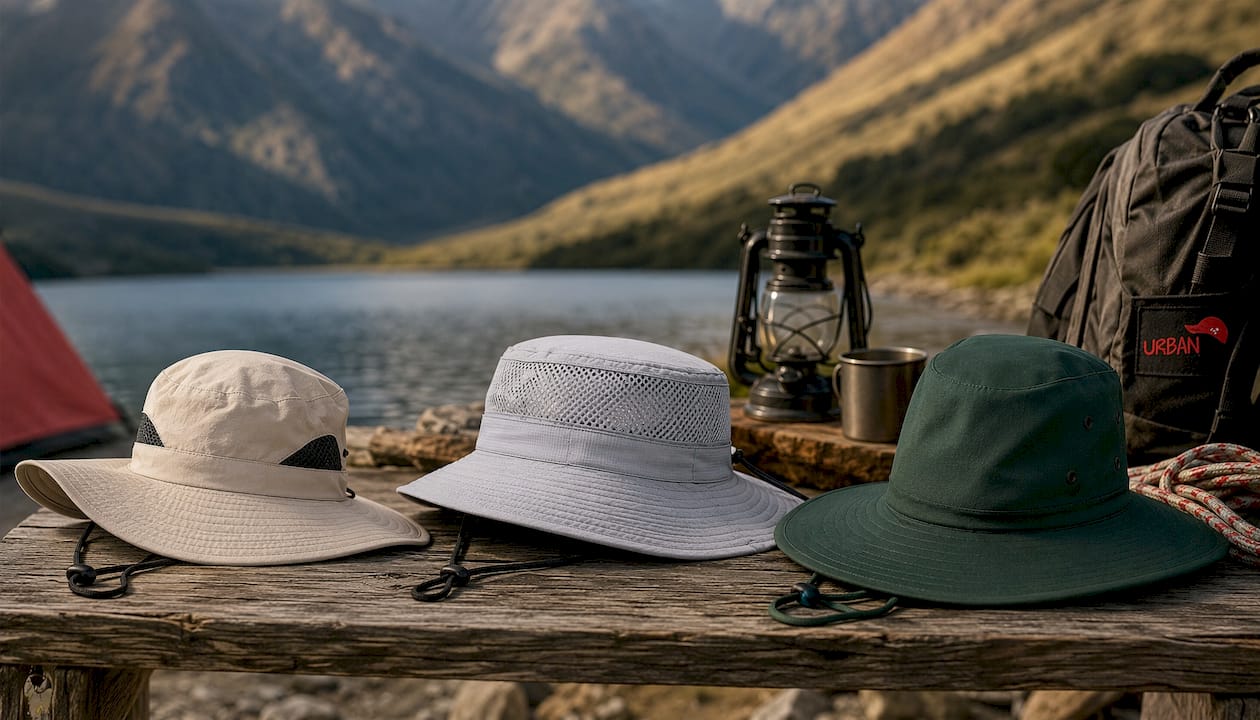
For sunny, windy coastal days where UV protection matters alongside breathability, the Men’s Breathable Summer Sun Hat is a practical lightweight option. If you prefer a wide brim for exposed ridgelines or beach afternoons, the Tasman wide brim hat offers coverage and airflow. For those exploring non-wool alternatives, the Poly Viscose Slouch Hat with UPF 50+ is worth a look. Browse the full range at urbancaps.co.nz and find the right hat for your next NZ adventure.
Selected sources and further reading
- Smart Merino NZ — Complete NZ Winter Layering Guide: Detailed layering system for NZ conditions, including Merino weight recommendations and real-world performance notes.
- Smart Merino NZ — Why Merino regulates temperature: Technical explanation of hygroscopic behaviour and the ~30% moisture absorption figure.
- NZ Wool / Campaign for Wool — Why New Zealand wool?: Local industry page on NZ Merino provenance, growing conditions, and sustainability.
- Great Kiwi Yarns — Ultimate guide to beanies in NZ: Local expert commentary on NZ Merino beanies, construction, and sourcing.
- Wisewool NZ — Why wearing wool equals comfort: Industry analysis on why wool outperforms synthetics in dynamic, real-world conditions.
- Upscale Menswear — Can a wool hat be waterproofed?: Practical care and waterproofing guidance for wool hats in wet conditions.
- Urbancaps — Why choose wool hats: NZ-focused guide to wool hat benefits, styles, and local buying options.
FAQ
Are wool hats good for New Zealand’s variable weather?
Yes. Wool regulates temperature, buffers moisture, and resists odour, making it one of the most versatile materials for NZ’s rapidly changing daily conditions.
Is New Zealand Merino better than other wools for hats?
NZ Merino is among the finest available, with soft fibres that sit comfortably against the scalp and strong provenance and sustainability credentials from local high-country farms.
Will a wool hat get ruined in the rain?
Light showers won’t ruin a wool hat. Wool buffers moisture and retains insulation when damp, but heavy prolonged rain can cause shape loss — carry a lightweight shell for serious wet-weather days.
Is a wool hat suitable for hot weather?
A lightweight merino knit can work in warm conditions because wool’s breathability allows moisture vapour to escape, keeping the head cooler than many synthetic alternatives during low-to-moderate activity.
What are the main pros and cons of wool hats?
Pros include temperature regulation, moisture buffering, natural odour resistance, and biodegradability. The main cons are a higher upfront cost for quality Merino and the need for gentle hand washing rather than a standard machine cycle.