
A wind resistant cap has a low crown, a stiff but not oversized brim, a rear adjuster that holds firm, and a fabric that doesn’t flap or let gusts straight through. For exposed ground or boating, add a chin cord. Get the fit right and most caps will stay put on a breezy day in Wellington, on the Canterbury plains or on a harbour ferry.
This guide shows what to look for, how to fit a cap so it stays on, how wind resistance differs from waterproofing and warmth, and how to look after a cap that works hard outdoors.
TL;DR
- Choose a low-profile crown, a firm brim and a rear adjuster you can draw in snugly. These three features matter most.
- Add a chin cord for exposed ridgelines, open water and bikes. Caps with a cape or flap catch the most wind.
- Fit it about 1 to 2 cm above your ears. It should resist a firm tug without leaving a mark on your forehead.
- Wind resistance, water resistance and warmth are three separate things. Decide which one you need most before you buy.
- Wash by hand, cool, and air-dry away from heat so the shape and fit last.
Table of Contents
- What makes a cap wind resistant
- Fabric and construction details that help
- Fit: the step most people skip
- Wind, water and warmth are different jobs
- Match the cap to the activity
- Know the weather before you go
- Care: keep the fit and shape
- Shop wind-ready headwear at Urban Caps
- A quick buying checklist
- FAQ
- Sources
What makes a cap wind resistant
No cap is windproof in the way a jacket is. What you can do is choose a cap that gives the wind less to grab and more to hold you against. Four things do most of the work.
A low-profile crown
A tall, domed crown acts like a small sail. A shallower crown that sits close to the head reduces the grip a gust has on it. This is why runners and cyclists usually pick slim, close-fitting shapes over deep, structured ones. If you like a classic baseball cap, a softer, lower crown is the better choice for windy days. You can browse our baseball caps and compare crown depth side by side in the product photos.
A rear adjuster that holds
The back of the cap is where it is won or lost. A rear cord or toggle that you can draw in gives you fine control over how snug the cap sits. A cap that is too loose catches wind under the brim and lifts. Snap straps are fine for everyday wear, but an elasticised rear cord tends to hold better in gusts because it keeps tension as you move.
A stiff, moderate brim
OutdoorGearLab’s testers found that a stiff brim resists wind, and that a head drawcord and a removable chin cord add security in gusty conditions. A floppy wide brim flaps and levers the hat off your head. A stiff brim holds its shape and slices through moving air instead of flapping in it.
Brim width is a trade-off. A wider brim shades more of your face, but on an exposed ridge it also gives the wind more to push on. A standard baseball brim is a good middle ground for most people.
A chin cord when conditions are rough
Some conditions beat any fit. Kit Authority states that a chin strap is not optional above the treeline or on exposed ridgeline terrain, where a gust can strip a hat off in an instant. The same guide says a cap with a cape (legionnaire style) has the lowest wind resistance of the three main sun hat styles. If you are on a boat, we have a separate guide on keeping your hat on in wind with fixes and gear for the water.
Fabric and construction details that help
Fabric matters, but it works alongside fit, not instead of it.
Tightly woven shells
A tighter weave lets less air through. Technical shells made from nylon or polyester blends are the usual choice for wind-facing caps. OutdoorGearLab-style reviewers and other testers describe the pattern clearly. Advnture’s review of a softshell cap found a breathable, stretchy fabric that repelled wind and moisture, with a rear adjustment for tightening in breezes and a moisture-wicking forehead panel.
The same review is a useful reality check. The cap stayed put in most conditions, but it did blow off once on a Scottish Munro. A good cap lowers the odds. It doesn’t remove them, which is why a chin cord belongs on your list for the most exposed days.

Membranes and laminates
At the top end of weather protection, some caps use a membrane. SectionHiker’s review of a Gore-Tex rain cap describes a three-layer laminate bonded to a 70D nylon face with fully taped seams. The lining makes it more windproof and adds some warmth. That is a specialist build for wet, cold conditions, and it can hold more heat than a mesh trucker on a hot day.
Sweatbands and mesh
A soft sweatband matters more than you’d expect. CleverHiker recommends a soft sweatband to prevent forehead indentations and mesh panels for breathability. That same review notes that a cape can flap and expose the neck in wind if the chin cinch is inadequate.
A tester of a running cap with a full-wrap sweatband, mesh ventilation and a rear pull cord reported secure, comfortable wear without blow-off in strong winds. That is the combination to aim for: grip at the back, breathability on top, comfort at the forehead.

Mesh does come with a trade-off. It improves airflow, but where it covers the crown it can reduce coverage and lets wind through. If you want to understand how vented panels work, read our guide to cap ventilation options.
Materials at a glance
| Material | What it does in wind | Best for |
|---|---|---|
| Nylon or tight polyester shell | Tight weave, light, dries quickly | Hiking, running, boating |
| Polyester blend with elastane | Stretchy, close fit, stays snug | Active wear, cycling |
| Cotton | Comfortable, but softer shape and slower to dry | Everyday wear, calm days |
| Wool or wool blend | Warm, dense, holds shape | Cold, windy days |
| Leather | Dense and wind-blocking, stiffer | Fashion wear in cool weather |
The table is a guide to how each material generally behaves, not a rating of any particular cap. Always check the product description for the actual fabric.
Fit: the step most people skip
The best-designed cap blows off if it doesn’t fit. Fit is also free, so it’s worth ten minutes.
- Measure. Wrap a soft tape around the widest part of your head, just above your eyebrows. Compare it with the size or adjuster range on the product page.
- Position. The cap should sit roughly 1 to 2 cm above your ears. Pulled down over your ears it will feel secure but will push your ears out and get hot. Perched high on the head it is the first thing the wind takes.
- Adjust the rear. Draw the toggle or strap in only until the cap resists a firm tug. If you get a tension headache or a red line on your forehead, it is too tight.
- Test with movement. Turn your head quickly, look down and look up. A good fit stays where it is.
One simple rule from a fit guide for classic baseball caps: it should be firm enough that a stiff wind gust won’t take it, but not so tight that it leaves a mark on your forehead. A good fit also lets you spin the cap around to wear it forwards or backwards.
Comfort counts as much as grip. Advnture’s tester wore one cap for six hours on a hike with no headache and no forehead mark, because it was not too tight and the brim was neither too wide nor too stiff. A cap you can wear all day is a cap you will actually keep on.
Wind, water and warmth are different jobs
Shoppers often use “weatherproof” as one word. It is really three questions.
- Wind resistance is about tightly woven fabric, a close shape and a secure fit.
- Water resistance is about coatings, membranes and taped seams.
- Warmth is about insulation, lining and the thickness of the material.
The Gore-Tex rain cap above shows how the three overlap. Its laminate and taped seams give waterproof protection, and the lining adds windproofing and a little warmth. But a cap built for rain can feel too warm in summer. A light nylon cap can shrug off a breeze and a shower yet give you very little warmth.
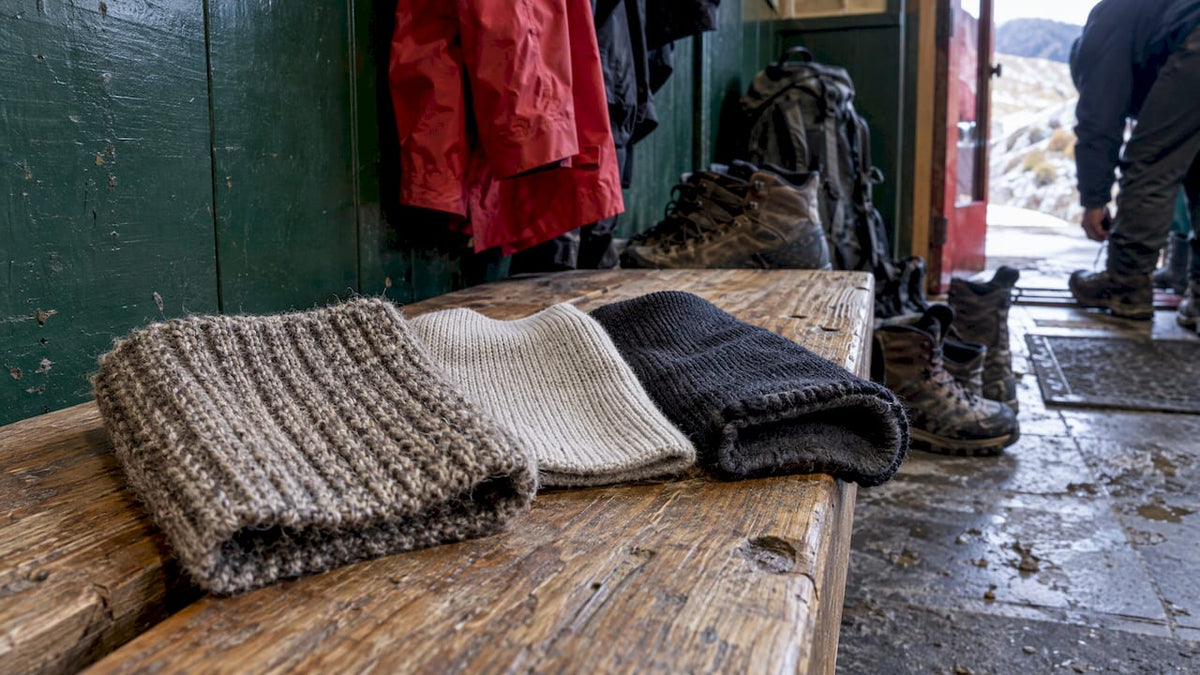
Before buying, ask yourself which problem you have most often. Windy and sunny, windy and cold, or windy and wet? In a cold southerly, a beanie with a snug fit often beats a cap. Our guide to beanies for running explains insulation levels for different conditions, and getting the fit right so it doesn’t slip applies to any close-fitting headwear.
If you sweat a lot, read about how moisture wicking works. A cap that stays dry stays comfortable, and a comfortable cap is less likely to be pulled off and stuffed in a bag.
Match the cap to the activity
Different days call for different caps. Here is a simple way to choose.
Everyday wear and city walking
In a windy city like Wellington, a low, soft-crowned baseball cap with a snug rear adjuster does the job. Pick a colour and style you like, and size it properly. Our newsboy caps and cheesecutter caps sit close to the head, which makes them practical options when the breeze picks up.
Running and cycling
Go light, low and close-fitting, with a rear cord and a soft sweatband. Wind off the sea or across open road is a constant, so avoid anything with a loose, floppy brim. On trails, a flatter or tougher brim helps with brush and visibility.
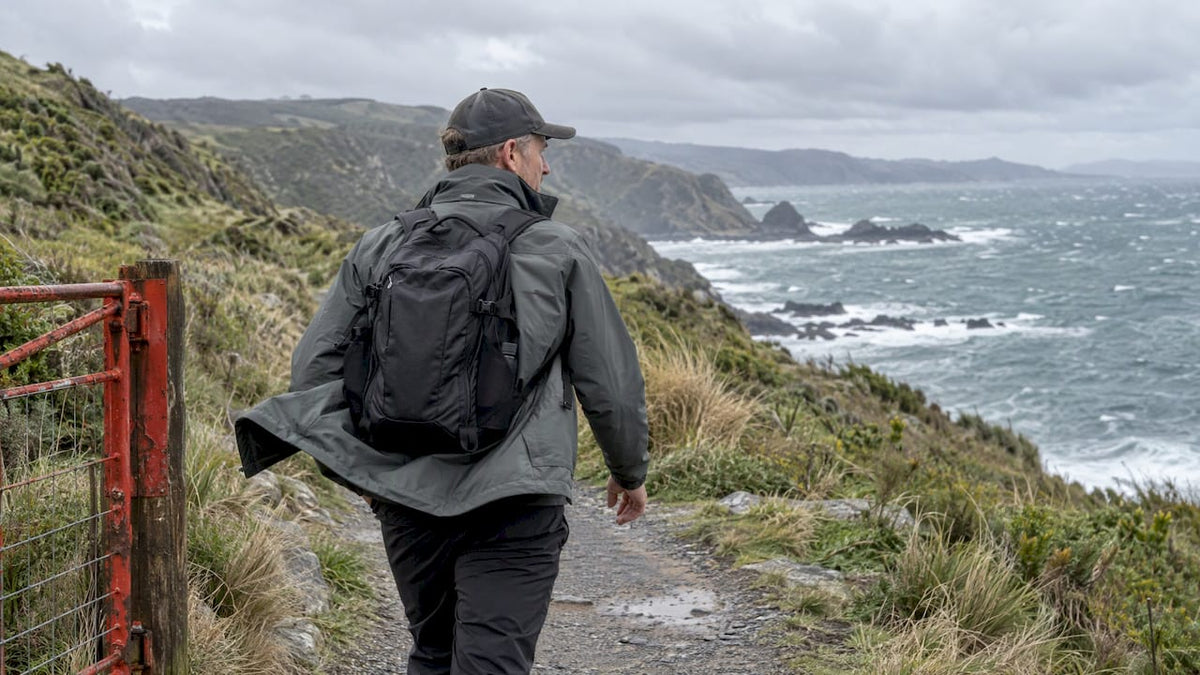
Walking and hiking
On the track you may deal with sun, wind and rain in one day. A cap is light, ventilated and packs small, and it fits under a rain hood. On exposed tops, add a chin cord. Kit Authority also points out that brim width is the most important variable for sun protection, and recommends at least 3 inches (7.5 cm) of brim to shade the face, ears and neck properly. A standard baseball cap brim of about 2.75 inches leaves the ears and neck exposed. That is a real trade-off against wind. On a calm day, go wider. On a gusty ridge, go smaller and secure it, and use sunscreen on your ears and neck.
Boating and fishing
Gusts on open water come from every direction. Use a close-fitting cap with a cord, and a chin strap when it is rough. Our boating hat guide goes through eight fixes.
Kids
Kids pull at their hats and run into the wind. Pick a lightweight cap that fits snugly and adjusts easily. See our kids caps.
Style hats: fedoras, bucket hats and leather
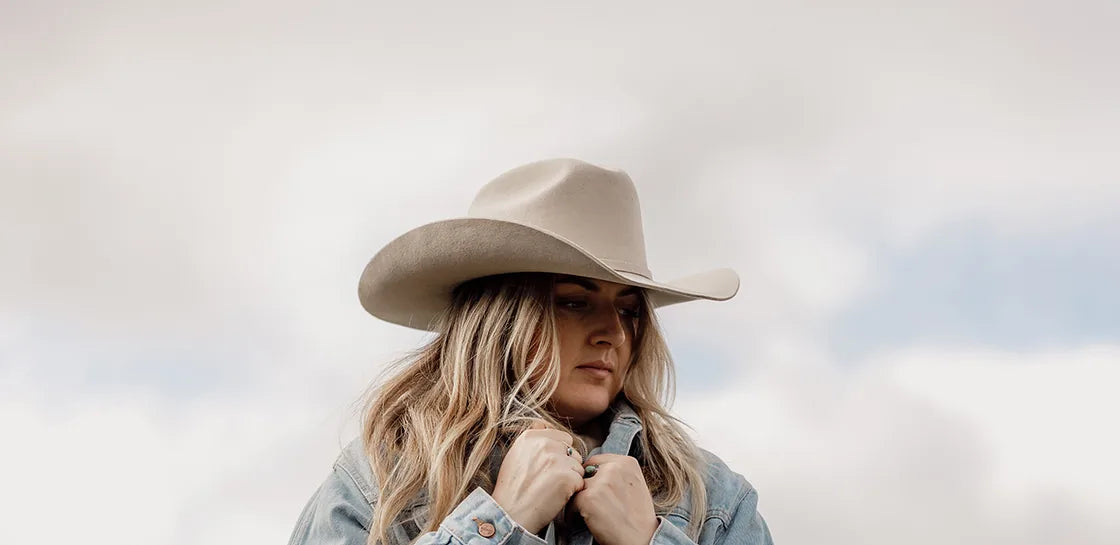
Style hats can handle a breeze with the right fit. A bucket hat has a soft, downward brim that sheds wind better than a stiff wide one, and a fedora or trilby with a firm crown sits snugly when sized correctly. Check our bucket hats and fedoras and choose a size that sits snug on the head. Choose your size carefully, because wide brims are where wind has the most leverage.
Know the weather before you go
A good cap helps on a breezy day. It doesn’t change the forecast. MetService issues severe weather warnings for strong wind in Orange and Red categories, and a Watch or Outlook before that. Check the forecast before heading onto exposed tracks, coastlines or open water. If a warning is in place for your area, rethink the trip. No hat solves that problem.
Our view: fit first, then features
We sell headwear to Kiwis who live and work outdoors, and the question we hear most about wind is simple: why does my cap keep flying off? Almost every time, the answer starts with fit and shape, not price.
Our range covers baseball caps, beanies, bucket hats, newsboy caps, cheesecutter caps, fedoras, leather hats and kids caps. That breadth is deliberate. A windy day on the water, a cold run, a walk to work and a farm job each call for a different shape, and we would rather help you pick the right one than sell you the same cap for every day.
Our advice: choose a close, low shape, size it properly, and draw the rear adjuster in until it resists a firm tug. Be careful of the brim on exposed ground. For cold, windy conditions, a snug beanie is often the best answer. We are NZ owned and operated, and we pick our range with local conditions in mind.
Urban
Care: keep the fit and shape
The way you wash a cap changes how it fits next season. Heat and harsh handling stretch adjusters and warp brims.
- Hand-wash in cool water with mild soap.
- Skip fabric softener. It can coat technical fabrics and reduce wicking.
- Reshape while damp and air-dry away from direct heat, such as heaters and sunny car dashboards.
- Keep the brim flat or gently curved. Don’t crush it in a bag.
For step-by-step instructions, see how to wash a baseball cap without ruining the brim. If your cap has embroidery, our guide to embroidered cap care covers washing and storage.
Shop wind-ready headwear at Urban Caps
We stock caps, beanies, bucket hats, fedoras, leather hats and more, with local NZ stock and free fast shipping within New Zealand and Australia. If you are after a sporty shape for outdoor days, start with our Outdoor Visor Cap or Visor Cap, or browse the full baseball cap collection and check the product pages for materials, sizing and adjuster details.

For cold and blustery days, our beanie collection has snug options. Prefer to see everything at once? Start at Urban Caps.
A quick buying checklist
- Is the crown low and close to the head?
- Does the rear adjuster tighten firmly, and does it hold?
- Is the brim firm and moderate in width?
- Is the fabric tightly woven and light enough for the season?
- Is there a soft sweatband to prevent forehead marks?
- Do you need a chin cord for the conditions you’ll meet?
- Does it work with your sunglasses or a hood?
- Do you know your head measurement?
If you can answer yes to most of these, the cap will probably stay on when the weather turns.
FAQ
What is the most wind resistant type of cap?
A low-profile cap with a firm brim, a snug rear adjuster and a tightly woven fabric holds best. Adding a chin cord gives the most security in strong gusts. Caps with a cape or flap have the lowest wind resistance of the common hat styles, according to Kit Authority.
How tight should a cap be so it won’t blow off?
It should sit about 1 to 2 cm above your ears and resist a firm tug when you draw the rear adjuster in. If it gives you a headache or leaves a red line on your forehead, loosen it a little. Too loose is the bigger cause of blow-offs, because wind gets under the brim.
Do I need a chin strap on a cap?
For everyday walking, usually not. On exposed ridgelines, open water, bikes and very gusty days, yes. Hiking guidance from Kit Authority says a chin strap is not optional in exposed terrain where gusts can strip a hat instantly.
Is a wind resistant cap also waterproof?
Not necessarily. Wind resistance comes from tight weave and fit, while waterproofing needs a coating or membrane and taped seams. Some caps combine both, such as laminate rain caps, but they can feel warm on hot days. Check the product description for what each cap is made to do.
How do I wash a cap without losing its fit?
Hand-wash it in cool water with mild soap, skip fabric softener, reshape it while damp and air-dry it away from direct heat. Machine washing and tumble drying can warp the brim and stretch the adjuster.
Sources
- OutdoorGearLab: Outdoor Research Sombriolet review
- Kit Authority: How to choose a sun hat for hiking
- Advnture: Arc’teryx Paltz Cap review
- SectionHiker: Outdoor Research Gore-Tex Seattle Rain Cap review
- CleverHiker: Best Sun Hats for Hiking
- Road Trail Run: Ciele GOCap Solar Elite review
- Bliss Tulle: How Are New Era Hats Supposed to Fit?
- MetService: About Severe Weather Warnings


Leave a comment
This site is protected by hCaptcha and the hCaptcha Privacy Policy and Terms of Service apply.