

Advantages of wool hats: warmth, breathability, durability
Wool hats give you superior warmth, natural breathability and long-lasting shape retention, which makes them the most practical choice for cold-weather headwear. That performance comes from Merino fibre fineness, the crimp that traps air, and a fibre structure that manages moisture and odour better than most alternatives.
Here’s the short version of why wool earns its reputation:
- Warmth — crimped fibres trap air pockets that insulate without adding bulk
- Breathability — wool moves moisture vapour away from your scalp instead of trapping it
- Moisture management — wool absorbs and releases sweat gradually, reducing that clammy feeling
- Odour resistance — the fibre’s protein structure locks away odour molecules between washes
- Durability — good wool resists pilling and returns to shape after stretching
- Sustainability — wool is a renewable, biodegradable fibre compared with petroleum-based synthetics
Read on to see how the fibre science backs each of these claims, and how to pick the right type of wool hat for your needs.
Key Takeaways
The clearest advantage of a wool hat over synthetic or cotton alternatives is that its crimped fibre structure insulates while still managing moisture and odour.
| Point | Details |
|---|---|
| Warmth comes from crimp | Wool’s natural fibre wave traps air pockets that insulate without adding bulk. |
| Merino reduces itch | Fibres measuring 15 to 25 microns bend on contact with skin instead of poking it. |
| Wool insulates when damp | Unlike many synthetics, wool retains a meaningful share of its warmth even when wet. |
| Odour resistance cuts wash frequency | Wool’s protein structure locks away odour molecules until the next wash. |
| Care determines lifespan | Hand washing, flat drying and moth-proof storage prevent shrinkage and felting. |
| Urban Caps stocks both fibre types | Merino knit beanies and boiled wool styles cover active use and structured winter looks. |
Table of Contents
- Advantages of wool hats: the fibre science behind the warmth
- How wool hats compare with synthetic and cotton alternatives
- Which type of wool hat suits your needs
- What wool hats actually feel like day to day
- Caring for a wool hat properly
- Where wool hats fall short
- What actually matters when you’re choosing a wool hat
- Sources
- FAQ
Advantages of wool hats: the fibre science behind the warmth
Wool’s performance isn’t a marketing story. It comes down to how the fibre is built, from the outer cuticle down to the crimped core.
Every wool fibre has a natural wave called crimp. That wave creates thousands of tiny air pockets when fibres are spun and knitted together, and trapped air is one of the best insulators available. It’s the same principle behind a puffer jacket, except wool achieves it with a single natural fibre rather than a synthetic fill. The structural science behind wool fibre shows that crimp, cortex and cuticle work together, insulating you while still letting moisture vapour escape.
That second part matters as much as the warmth. Wool is hygroscopic, meaning it can absorb around a third of its own weight in moisture vapour before it feels wet against your skin. Sweat under a hat gets pulled away from your scalp and released gradually, rather than sitting there and turning cold and clammy the way it can under a synthetic beanie.
Fibre diameter decides how comfortable that process feels. Merino wool typically measures 15 to 25 microns, which is fine enough to bend on contact with skin rather than poking it. That’s the actual mechanism behind the old “wool is itchy” complaint. Coarser wool, sometimes over 30 microns, is stiffer and more likely to prickle, which is why cheap wool blankets earned wool a bad reputation that fine Merino doesn’t deserve.
On the surface, each fibre carries a microscopic layer called the 18-MEA, sitting just a few nanometres thick on the cuticle. This layer gives wool its natural water resistance and helps it shrug off light rain and stains before moisture soaks in, a property confirmed by keratin fibre structural research.
Pro Tip: If you’re buying a hat to wear directly against skin, check the micron count if it’s listed. Anything under 20 microns should feel genuinely soft, not scratchy, even for people who normally avoid wool.
How wool hats compare with synthetic and cotton alternatives
Choosing between wool, acrylic, polyester, fleece or cotton comes down to how each material behaves once it gets warm, sweaty or wet.
Wool holds onto a meaningful share of its insulating power even when damp, because the crimped structure still traps air between fibres. Many synthetic knits collapse when wet, losing loft and insulation at the exact moment you need it most. Cotton is worse again. Once a cotton beanie gets wet from sweat or rain, it holds that moisture against your head and stops insulating almost entirely, which is why “cotton kills” is a phrase hikers take seriously.
Breathability follows a similar pattern. Wool’s fibre structure keeps moving moisture vapour outward, so your head stays warm without overheating. Polyester and nylon tend to trap heat and humidity against the scalp, which is fine for a quick errand but uncomfortable on a long hike or a full day of work outdoors.
Odour is where the gap becomes obvious fastest. Wool’s high-sulphur protein structure captures odour molecules within the fibre until they’re released in the wash, so a wool beanie can go several wears between washes without smelling. Synthetic knits tend to hold bacteria on the fibre surface, which is why an acrylic beanie can start smelling after a single sweaty session.
A few practical guidelines for choosing between them:
- Active outdoor use or hiking — wool wins on warmth-to-weight and odour control over multi-day trips
- Damp or coastal climates — wool’s wet-insulation advantage matters more here than almost anywhere
- Daily commuting in mild cold — synthetics are acceptable and often cheaper
- Tight budget or single-season use — a cotton or acrylic beanie is a reasonable compromise
Which type of wool hat suits your needs
Not all wool is the same, and the construction matters as much as the fibre itself.
Merino wool is the standard for anything worn close to the skin. Its fine 15 to 25 micron fibres give you softness, strong breathability and effective moisture-wicking, which is why it’s the go-to choice for a thick knit beanie built for hiking or daily wear.
Boiled wool, or wool felt, is a different construction entirely. The fibres are matted together under heat and moisture until they form a dense, water-resistant fabric that holds a shape without a stiff inner structure. That’s exactly what makes a wool bowler hat hold its curved crown, and it’s also why a boiled wool hat with a mouldable wire brim can be shaped and reshaped without losing structural integrity.
Wool blends, usually mixed with nylon or acrylic, trade a little natural performance for lower cost, easier machine washing and added stretch. They’re a sound option if budget is tight or you want a hat that can survive the washing machine without special care.
So is 100% wool always the better buy? Not automatically. A pure wool hat gives you the fullest expression of warmth, breathability and odour resistance, but it usually needs more careful washing. A wool blend is the more practical choice if you want to throw a hat in the wash without thinking twice, or if you’re outfitting kids who’ll treat a hat roughly.
What wool hats actually feel like day to day
Fibre science only matters if it translates into comfort you notice. Here’s how it plays out by activity.
On a cold commute, a Merino beanie regulates temperature well enough that you won’t need to pull it off the second you step onto a heated train or bus, something synthetic knits rarely manage without making your scalp sweat. On the trail, the same breathability stops your head overheating on a climb, while the fibre’s moisture handling keeps things dry once you’re back in the wind — a key reason to follow a fishing ball cap guide for sun protection and style when choosing headwear for outdoor activities. Under a ski helmet or bike helmet, a thin Merino layer wicks sweat without adding bulk that throws off your fit, a use case widely recommended for Merino wool beanies built for active layering.
Fit interacts with wool in its own way too. Knitted Merino has natural stretch and recovery, so it moves with your head instead of stretching out permanently. Boiled wool behaves differently again, holding a moulded shape once steamed or blocked, which is why structured styles like beanies for everyday style and bowler hats keep their crown and brim shape wear after wear.
Pro Tip: In variable conditions, layer a thin Merino beanie under a heavier knit or a hood rather than reaching for one thick hat. You can peel back a layer the moment you warm up, instead of overheating and sweating through a single heavy piece.
Caring for a wool hat properly
Good care is the difference between a wool hat that lasts a decade and one that felts, shrinks or loses its shape within a season.
- Spot clean first. Most marks lift with a damp cloth and a little wool-safe detergent, avoiding a full wash altogether.
- Hand wash when needed. Use cool water and a wool-specific detergent, and never wring the hat. Squeeze gently instead.
- Reserve machine washing for treated wool. Some hats carry a shrinkproofing finish that alters the fibre’s surface scales to survive a gentle machine cycle, but this can slightly reduce the wool’s natural water resistance, so check the label before assuming it’s machine-safe.
- Send structured felt hats for professional cleaning if they’re heavily soiled, since boiled wool can lose its moulded shape in a home wash.
For drying and storage, keep these rules in mind:
- Dry flat, away from direct heat or sunlight, to stop shrinkage and shape distortion
- Reshape brims and crowns while the hat is still slightly damp
- Store on a hat stand or stuffed with tissue to hold its form
- Use cedar blocks or lavender sachets in storage to deter moths, wool’s biggest natural enemy
For a full step-by-step walkthrough, Urban Caps’ complete wool hat care guide and the guide to reshaping wool hats at home cover brim blocking and steam techniques in more depth.
Where wool hats fall short
Wool isn’t perfect for every wearer or every budget, and it’s worth knowing the trade-offs before you buy.
- Itch sensitivity — coarse wool can prickle sensitive skin, though fine Merino below 20 microns rarely causes this problem
- Higher upfront cost — a well-made wool hat usually costs more than an acrylic equivalent, reflecting the fibre’s processing and quality
- Care requirements — wool needs gentler washing than synthetics, and getting it wrong can shrink or felt the fabric
- Variable wet performance — wool resists light rain well but can feel heavy if fully saturated, unlike quick-drying synthetics
If you have a genuine lanolin sensitivity or need budget headwear for occasional use, a synthetic or blended option is the sensible call. For everyone else, choosing Merino or a quality blend, and following basic care steps, avoids nearly every one of these downsides.
Why Merino leads the pack, according to the research
Urban Caps stocks a deliberately wide range of wool hats because different builds solve different problems. Fine Merino suits daily wear and active layering. Boiled wool suits structured, weather-ready styles.
Industry guidance consistently points to Merino as the preferred fibre for next-to-skin items, thanks to its micron range and natural elasticity. That’s the same logic that applies directly to hats: a fibre fine enough to sit against your forehead all day without irritation, breathable enough to prevent overheating, and structured enough to hold its knit after repeated wear.
- Fine Merino (below 20 microns) for comfort-first, everyday hats
- Boiled wool or felt for structured, shape-holding styles
- Blends where budget or machine washability matter more than peak performance
What actually matters when you’re choosing a wool hat
Most advice on wool hats gets stuck comparing brands or price points, and skips the one thing that actually predicts comfort: fibre diameter. A $15 acrylic-wool blend and a $80 pure Merino beanie can look identical on a shelf, but if you can’t find the micron count, you’re guessing.
Here’s where the conventional wisdom falls short. People treat “wool” as one material, when a coarse 32-micron wool and a fine 17-micron Merino behave almost like different fabrics entirely. The itch complaints, the “wool is too hot” complaints, and the “wool takes forever to dry” complaints usually trace back to buying the wrong construction for the job, not a flaw in wool itself.
If you take one thing from this, prioritise checking what kind of wool you’re buying before you check the price. A boiled wool hat and a knitted Merino beanie solve completely different problems, and picking the wrong one for your activity is a bigger letdown than paying a bit more for the right one.
Finding the right wool hat for your winter
Everything covered here, warmth from trapped air, breathability from wool’s moisture handling, odour resistance from its natural protein structure, points to one practical conclusion: the right wool hat depends on how you’ll actually use it.
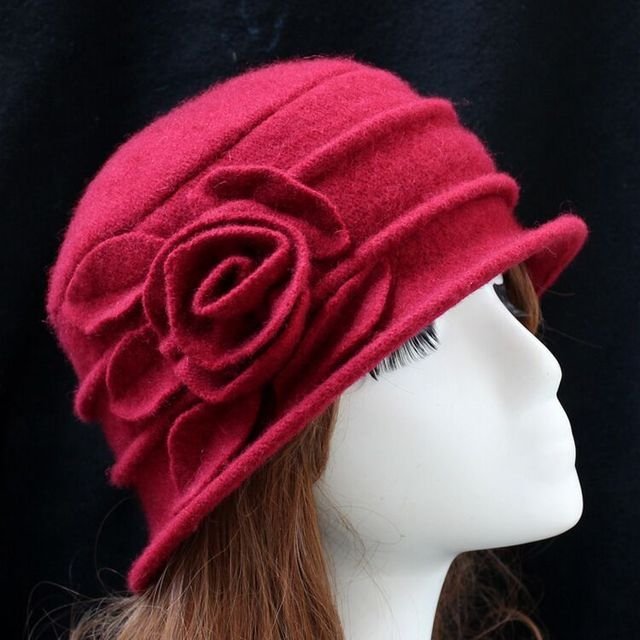
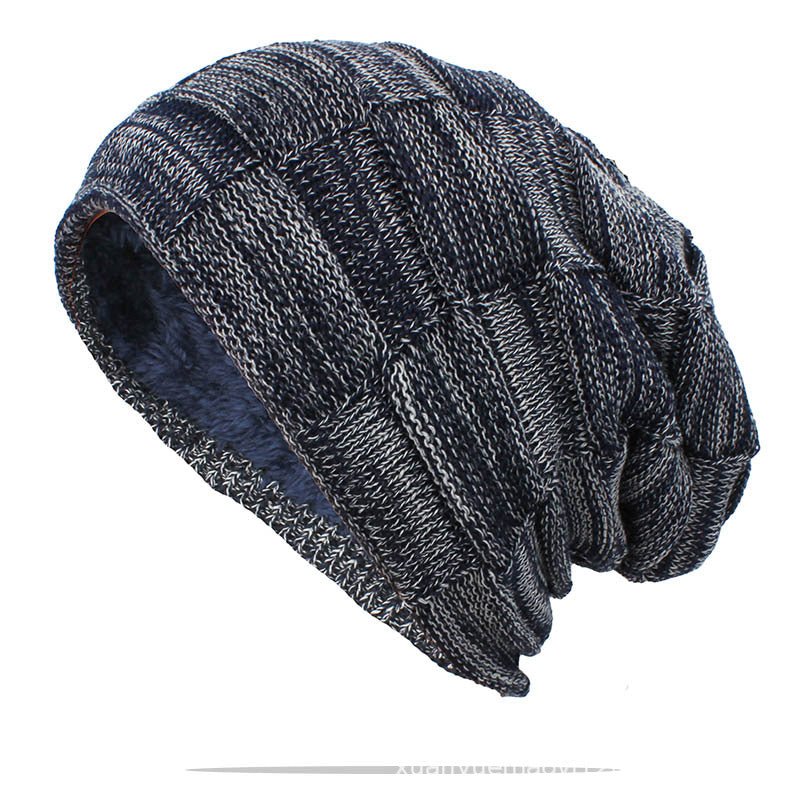
If you need an everyday, active piece that handles hiking, commuting or a day outdoors, the Outdoor Wool Knit Beanie is built from thick knit wool designed to keep its shape through repeated wear. If you want a structured, sharper look that still delivers wool’s natural warmth, the Wool Bowler Hat holds its crown through boiled wool construction rather than stiffening or interfacing. And for weather-ready structure with a shapeable finish, the Boiled Wool Small Brim Hat with a mouldable wire brim lets you adjust the brim to suit conditions or your own style.
Urban Caps ships fast across New Zealand, and every product page lists the fibre content and construction so you’re not guessing at micron counts or care requirements before you buy. Browse the full range of wool caps for winter to compare styles side by side, and check the product page for sizing and returns before you check out.
Sources
- Structure and Sulfur: Tuning the Viscoelastic and Surface Properties of Natural Keratin Fibers
- Is merino wool breathable? | The Wool Company
FAQ
What are the benefits of wearing a wool hat?
Wool hats trap air for warmth, wick moisture away from your scalp, resist odour between washes, and hold their shape better than most synthetic knits over years of wear.
What is the downside of wool?
Coarse wool can feel itchy, quality wool costs more upfront, and it needs gentler washing than synthetics to avoid shrinkage or felting.
Are wool hats better than synthetic ones?
For cold, damp or active conditions, yes. Wool retains insulation when wet and manages odour naturally, while many synthetics lose loft when damp and hold onto bacteria and smell faster.
Is 100% wool good for a hat?
Yes, particularly Merino, which offers the fullest expression of warmth, breathability and odour resistance. A wool blend is a reasonable trade-off if you want easier machine washing or a lower price.
Does Urban Caps sell both Merino and boiled wool hats?
Yes. Urban Caps stocks fine Merino knit beanies for active, everyday wear alongside boiled wool styles like bowlers and brimmed hats for structured, weather-ready looks.