

What is Australian heritage headwear, and why does it still matter?
Australian heritage headwear is a group of traditional hat styles, most notably the slouch hat, the Akubra-style bush hat, and the cabbage-tree hat, developed to handle harsh sun and hard yakka and later adopted as symbols of national identity. These hats show up everywhere from military ceremonies to the paddock, and each carries its own story:
- Slouch hat – felt hat with a turned-up brim, worn by the Australian Army
- Akubra-style bush hat – broad-brimmed rabbit-fur felt hat built for the outback
- Cabbage-tree hat – early colonial hat woven from palm fronds
The Australian War Memorial and the Australian Army both hold records tracing these styles back well over a century, and the word “Anzac” is inseparable from at least one of them.
Key Takeaways
Australian heritage headwear encompasses the slouch hat, Akubra-style bush hat, and cabbage-tree hat, each shaped by practical needs before becoming cultural symbols.
| Point | Details |
|---|---|
| Core styles to know | Slouch hat, Akubra-style bush hat, and cabbage-tree hat cover the main heritage categories. |
| Slouch hat identifiers | Look for a turned-up brim, seven-pleat puggaree, and occasionally an emu plume. |
| Material drives price | Rabbit-fur felt and dense wool felt cost more than synthetics and explain most heritage hat pricing. |
| Care basics | Avoid soaking felt hats, reshape with steam, and store brim-up on a stand. |
| Where to buy heritage-style hats | Urbancaps stocks heritage-inspired felt and palm straw hats, including wool felt and cabbage-tree-style weaves. |
Table of Contents
- History and origins of Australian heritage headwear
- Key styles of traditional Australian headwear
- Why the slouch hat carries Australia’s military identity
- What Australian heritage hats are made from
- Why heritage hats like Akubras cost more
- How to spot and look after a genuine heritage hat
- Where heritage hats show up today
- From bush necessity to national symbol
- Indigenous headwear traditions deserve their own recognition
- Why these hats still earn a place in the wardrobe
- Find your own piece of Australian heritage headwear
- Sources
- FAQ
History and origins of Australian heritage headwear
Before felt hats arrived in volume, settlers and bush workers wore the cabbage-tree hat, woven from the fronds of Livistona australis. It was light, ventilated, and cheap to make from local materials, which mattered when you were working outdoors all day in a climate that showed no mercy. That practicality is the thread running through every heritage style that followed.
Felt hats began replacing woven ones through the late 19th century as colonial forces started issuing them to mounted units. The khaki felt hat with a turned-up side was adopted into colonial military service and gained wider use following the Boer War, before becoming standard issue across the newly federated Australian military by 1903, according to the Australian War Memorial. That short window, from the 1880s through Federation, is the hinge point where a practical bush hat became a military uniform piece.
By the time Australian troops sailed for the First World War, the slouch hat’s turned-up brim and puggaree band were already recognisable enough to make it, according to the Australian War Memorial’s AIF headwear records, the most distinctive item worn by Australian soldiers at Gallipoli and beyond.
Key styles of traditional Australian headwear
Recognising heritage headwear comes down to a handful of visual cues. Learn these and you can pick out an authentic style from across the room.
Slouch hat. Made from rabbit-fur felt or wool felt, this hat has a brim turned up on one side and is finished with a puggaree, a pleated cloth band wrapped around the crown. The Australian Army’s own reference calls it the “hat khaki fur felt,” or KFF, and it’s the style most people picture when they hear “Australian hat.”
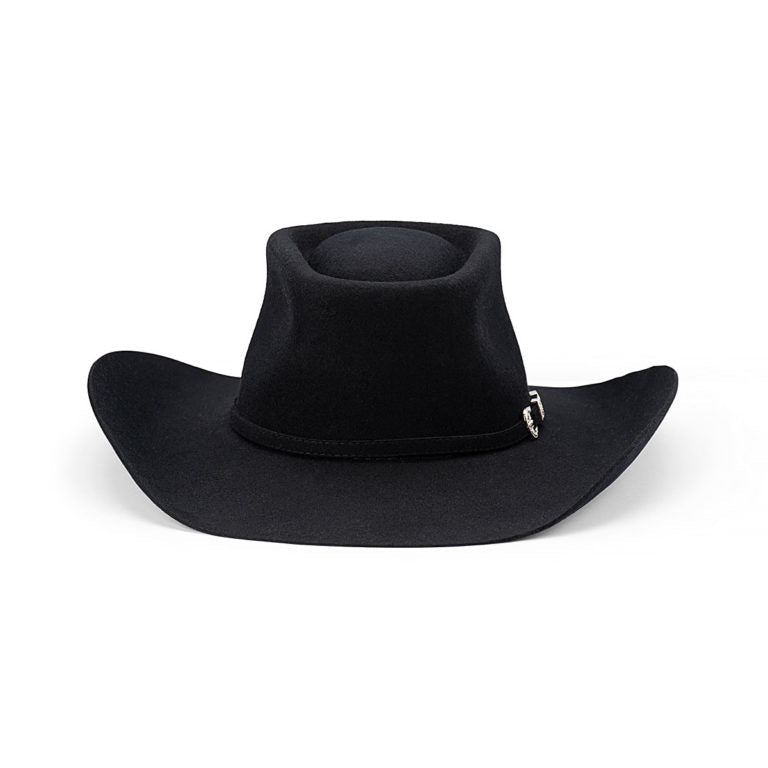
Akubra-style bush hat. Wide, flat brim, rounded crown, made from dense rabbit-fur felt for weather resistance. Akubra’s own name has become so tied to this shape that people use it generically for similar broad-brimmed felt hats, much like “Thermos” or “Esky,” according to background on the Akubra brand.
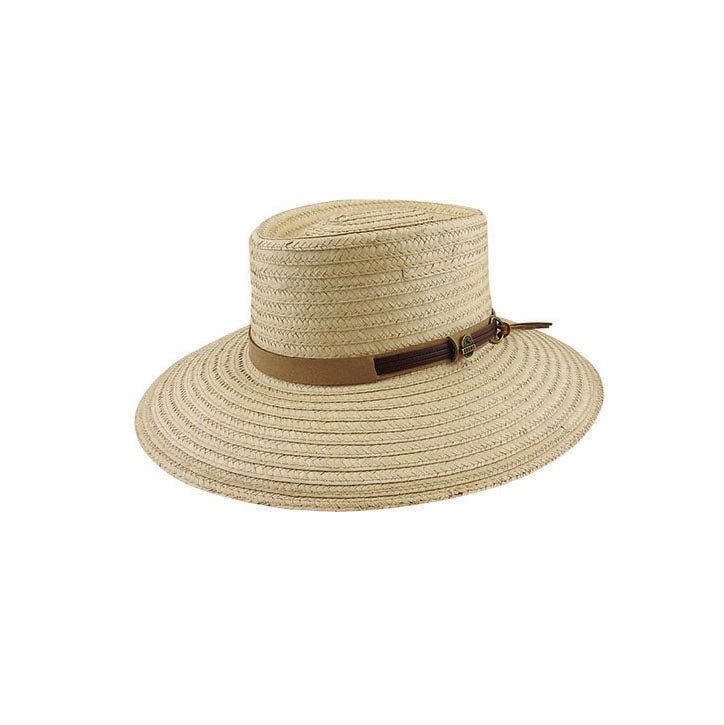
Cabbage-tree hat. Pale, woven palm construction, shallow crown, wide brim, often with a simple ribbon band. Look for the visible weave pattern, a texture no felt hat can replicate.
Look closer and you’ll spot other cues worth knowing:
- A puggaree with visible pleats (a nod to ceremonial standards)
- An emu plume tucked into the hatband on some slouch hats
- A dense, smooth felt nap versus a looser, textured straw weave
Lesser-known cousins include the giggle hat, a simpler bush hat used by soldiers in Vietnam, and various sun capes stitched to hat brims for neck coverage in harsh conditions.
Why the slouch hat carries Australia’s military identity
No piece of Australian heritage headwear carries more symbolic weight than the slouch hat, and the Army’s official name for it tells you exactly how seriously it’s treated: hat khaki fur felt, or KFF. Its defining feature, the brim turned up and pinned on the left side, wasn’t originally about looking sharp on parade.
The upturned brim served a functional purpose during drill: it stopped the brim catching on a soldier’s rifle when the weapon was carried at the shoulder. Ceremonial tradition later preserved that turned-up side as an identifying mark, even though the brim is usually worn down today for sun protection, according to research from the Australian Military Collectors & Historians.
The puggaree wrapped around the crown isn’t decorative filler either. The current version has seven pleats, one for each state and territory, and colour patches on the puggaree once signalled which unit a soldier belonged to. An emu plume, worn by some mounted units, added another layer of visual identity on the battlefield. Together, these details turned a practical bush hat into what the Australian War Memorial calls a trademark of the Australian Army, and its association with Gallipoli cemented that reputation for good.
What Australian heritage hats are made from
Three materials dominate heritage headwear, and each one solves a different problem.
- Rabbit-fur felt – dense, water-resistant, holds its shape and reshapes well after getting wet. It’s the material behind most Akubra-style bush hats and many slouch hats.
- Wool felt – a step down in fur content but still durable, often used in more affordable heritage-style hats.
- Palm and straw weave – lightweight and breathable, ideal for hot, dry conditions, but far less forgiving in rain.
Construction details matter as much as the raw material. A tightly stitched brim binding and a well-formed puggaree channel add years to a hat’s working life, while a wide, stiff brim genuinely blocks more UV than a narrow one, something worth weighing if sun protection is your main reason for wearing one. A wool felt hat with a properly bound brim will usually outlast a cheaper synthetic blend by years, not months.
Why heritage hats like Akubras cost more
Ask anyone why a genuine bush hat costs more than a cap from a discount bin, and the answer usually comes down to four things.
- Raw material cost – rabbit-fur felt and dense wool felt cost far more to produce than synthetic fabric.
- Hand-finishing – shaping, brim binding, and puggaree fitting are often done by hand, not machine.
- Heritage manufacturing processes – long-established makers use methods refined over decades, which adds labour time.
- Brand premium and scarcity – a name synonymous with an entire category, as Akubra is with bush hats, commands its own price.
Exact retail prices vary widely by model, market, and retailer, so treat any specific figure you see online as a starting point rather than gospel. The fairer question isn’t whether a heritage hat is expensive. It’s whether the felt density, stitching, and shaping justify what you’re paying, and on a genuine rabbit-fur felt hat, they usually do.
How to spot and look after a genuine heritage hat
Checking authenticity and quality takes less time than you’d think if you know where to look.
- Check the brim for a clean, even turn (upward for slouch-style, flat for Akubra-style).
- Look for a puggaree with neat, consistent pleats rather than a printed or glued band.
- Feel the crown shape: structured and dense for felt, textured and woven for straw or palm.
- Run a hand across the material: quality felt feels smooth and slightly springy, not stiff or plasticky.
- Check for a maker’s label inside the crown confirming material and origin.
For fit, measure around your head just above the ears with a soft tape and match it against the maker’s sizing chart, since sizing conventions differ between brands. Avoid soaking felt hats in water, keep them away from direct heat, and reshape gently with steam rather than force.
Pro Tip: Store your heritage hat brim-up on a hat stand or upturned bowl rather than flat on a shelf. It keeps the crown from collapsing and stops the brim from developing a permanent kink.
Where heritage hats show up today
You’ll spot heritage-style hats far beyond the parade ground. Farmers and station hands still wear broad-brimmed felt hats for genuine sun protection during long days outdoors, while equestrian events and race days treat them as a smart-casual staple. Slouch hats appear at Anzac Day services and other commemorative events, where the brim is traditionally worn up as a mark of respect.
For everyday styling, a few rules hold up well:
- Pair a wide-brimmed felt hat with neutral, earthy tones rather than bright prints
- Leather or suede trims work well with denim and boots for a casual outdoor look
- Straw and palm weaves suit lighter, warm-weather outfits better than felt does
- Keep ceremonial styling (brim up, puggaree visible) separate from casual everyday wear
Camping trips, farm work, and long days outdoors are where these hats earn their keep, doing the same job the cabbage-tree hat did a century and a half ago.
From bush necessity to national symbol
Heritage headwear didn’t start as a symbol. It started as a practical answer to relentless sun and rough conditions, and its meaning built up over decades of use. The cabbage-tree hat once signalled something about the wearer beyond weather protection: cultural historians note that in colonial Australia, headwear acted as a social marker, with the cabbage-tree hat signalling bush skills and, at times, class distinctions among settlers.
A hat suited to local conditions gradually became an emblem of resourcefulness and resilience, according to the Australian War Memorial’s own framing of the slouch hat as a trademark of the Australian Army.
That shift from cabbage-tree hat to felt hat to slouch hat is a compact case study in how practical gear becomes cultural shorthand. It’s worth remembering that this is a colonial and military narrative specifically, not the full story of headwear across the continent. Readers wanting a fuller picture of Australia’s headwear traditions, including Indigenous practices that predate and sit outside this colonial arc, should look to Indigenous-authored cultural sources rather than treating the slouch hat’s story as the whole account.
Indigenous headwear traditions deserve their own recognition
The story of Australian heritage headwear told through slouch hats and Akubras is a colonial and military one, built from European settlement patterns and 20th-century military history. It sits alongside, not above, the headwear and adornment traditions of Aboriginal and Torres Strait Islander peoples, which developed over tens of thousands of years and vary enormously between language groups, regions, and ceremonial purposes.
Traditional Indigenous headwear and adornment often carried, and still carries, deep ceremonial, spiritual, and community meaning, distinct in purpose from the sun-protection and identity functions that shaped colonial-era hats. These practices are best understood through Indigenous community sources and cultural institutions rather than folded into a general history of Australian hats as a footnote.
Any honest account of “Australian heritage headwear” should be upfront about scope: this article, like most mainstream references on the topic, focuses on the settler and military lineage running from the cabbage-tree hat through to the slouch hat and Akubra. That’s one thread of Australian headwear history, not the entire tapestry of it, and readers genuinely interested in the fuller picture should seek out Indigenous-led cultural and historical resources for context this article doesn’t attempt to cover.
Why these hats still earn a place in the wardrobe
I keep coming back to the same thing when I look at a well-made slouch hat or a dense felt bush hat: the craftsmanship was never separate from the function. Every pleat in a puggaree, every turned brim, did a job before it meant anything symbolically. That’s what makes heritage headwear worth stocking, not nostalgia for its own sake, but respect for gear that earned its reputation the hard way. It’s part of why Urbancaps keeps heritage-inspired styles alongside contemporary designs.
Find your own piece of Australian heritage headwear
Reading about puggarees and rabbit-fur felt is one thing, owning a hat built the same way is another. Urbancaps stocks heritage-inspired styles built with the same construction principles covered above, from dense felt crowns to woven palm brims, so you’re not choosing between authenticity and everyday wearability.
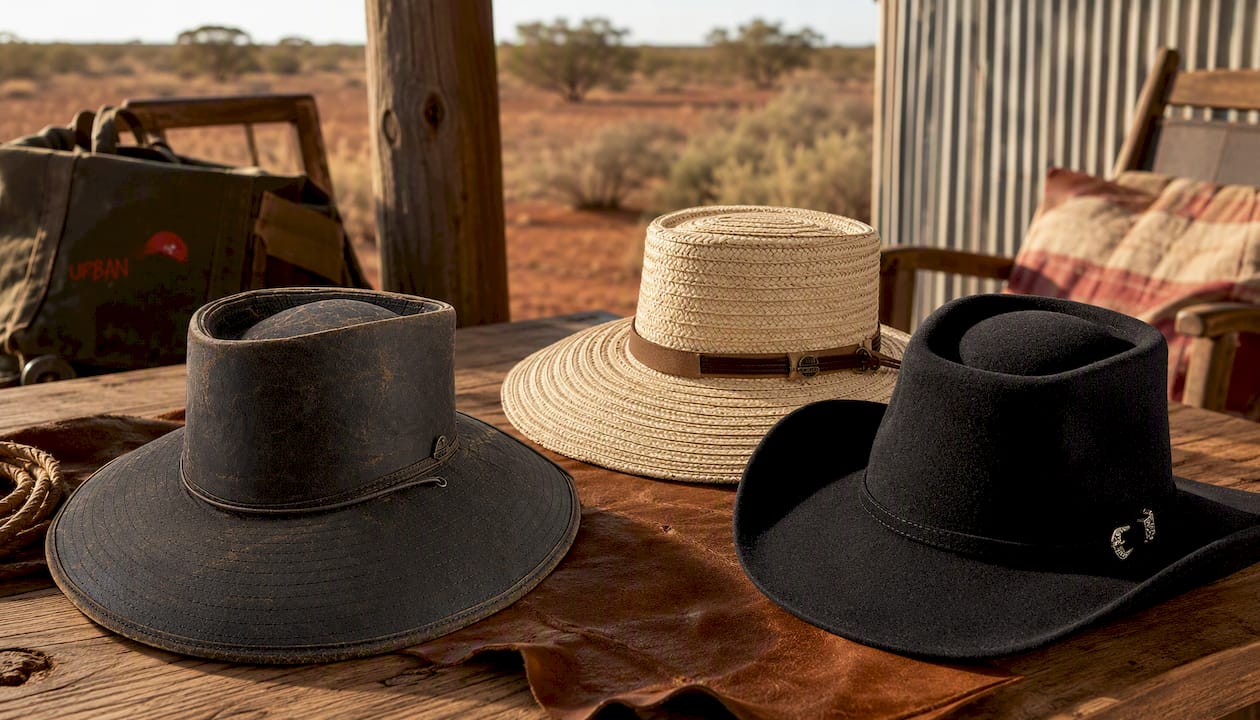
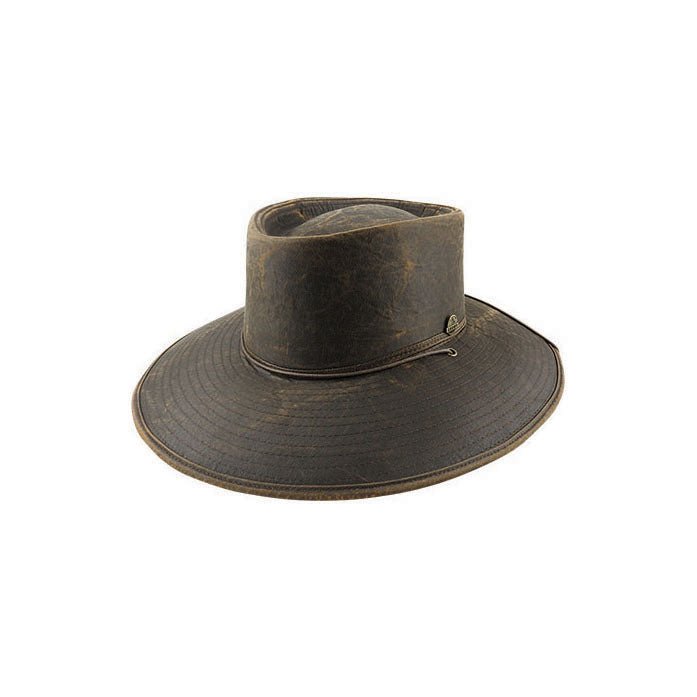
If you want the rugged, weathered look of outback headwear with a modern fit, the Spur Distressed Weathered Cotton Aussie Hat brings that signature pin detail into a hat you can wear daily. For the cabbage-tree lineage, the braided palm straw Aussie hat with suede trim delivers the breathable weave heritage hats were built on, finished with tails and suede trim for a distinct silhouette. And if wool felt construction is what you’re after, the Flinders “Billabong” wool felt hat gives you that dense, reshapeable crown at a price point that doesn’t demand a rabbit-fur felt budget. Browse the full range and find the style that matches how you’ll actually wear it.
Sources
- Slouch hat | Australian Army
- Slouch hat | Australian War Memorial
- Origin of the slouch hat | Australian Military Collectors & Historians (AMOSA)
FAQ
Why do Anzacs wear slouch hats?
Australian troops adopted the khaki felt slouch hat before the First World War, and its distinctive turned-up brim made it the most recognisable item worn by Australian soldiers at Gallipoli, cementing its place in Anzac tradition.
Why are Akubras so expensive?
Akubra-style hats use costly rabbit-fur felt, involve hand-finishing and shaping, and carry a brand premium built on decades of heritage manufacturing, all of which add up compared to synthetic alternatives.
What is the iconic Australian hat?
The slouch hat is generally considered the most iconic Australian hat because of its military history and Anzac associations, though the Akubra-style bush hat is equally recognised as a symbol of rural Australian life.
What is the stereotypical Australian hat called?
The broad-brimmed bush hat, often called an Akubra regardless of the actual maker, is the hat most people picture as stereotypically Australian, alongside the military slouch hat.
How do I know if a heritage hat is genuine felt?
Check for a maker’s label inside the crown, feel for a dense, springy texture rather than a stiff synthetic finish, and look for a neatly stitched brim binding rather than a glued edge.