


The role of hats in cold weather: a Kiwi guide
TL;DR:
- Wearing a hat helps conserve body heat by insulating the scalp’s blood vessels, which cool rapidly when exposed. It also protects against frostbite, wind, and UV rays, and proper fit and material choice ensure optimal warmth. Regular care and moisture management extend a hat’s insulating effectiveness across New Zealand’s diverse winter conditions.
How hats protect you in cold weather
A hat is one of the most effective tools for staying warm in cold conditions. The scalp contains a high concentration of superficial blood vessels, and when left uncovered, these vessels allow warm blood to cool rapidly before circulating back to the body’s core. NIOSH guidance confirms that wearing a hat reduces the amount of body heat that escapes from your head, keeping your whole body warmer as a result.
Head temperature also directly influences how much metabolic heat your body produces. Research published in PMC shows that head temperature modulates thermal behaviour during exercise in the cold, affecting both comfort and work rate within minutes. There is also a lesser-known physiological quirk: the body does not trigger shivering when only the head is cold, so cooling accelerates faster than most people expect.
Key protective benefits of wearing a hat in cold weather:
- Heat retention: Insulates the scalp’s blood vessels, slowing core cooling.
- Injury prevention: Reduces risk of frostbite, chilblains, and hypothermia.
- Wind protection: Blocks convective heat loss on exposed skin.
- UV defence: Functional hats offer combined UV protection alongside warmth, useful in New Zealand’s high-UV winters.
- Moisture management: Wet or sweaty hats lose insulation fast; wool and synthetic blends wick moisture to maintain warmth.
Fit matters too. A hat that covers the ears and forehead without constricting circulation retains heat far more effectively than one that sits loosely on top of the head.
Staying safe with headwear during NZ winter sports

Head protection in New Zealand’s ski fields goes beyond warmth. The 2013 New Zealand Medical Journal found that helmets can significantly reduce snow-sport head injuries, and that between 15% and 66% of snow-sport head injuries can be prevented by wearing a helmet, according to New Zealand research. The case for helmets is clear, but combining them with a thermal hat requires some care.
NIOSH cold PPE guidance recommends wearing hats that fit comfortably under helmets to avoid pressure points. A thin Merino wool beanie sits flat without bulk, making it the go-to choice for most Kiwi skiers. Avoid thick, heavily padded beanies under a helmet as they can compromise the helmet’s fit and safety rating.
Practical tips for winter sport headwear:
- Choose a slim-fit Merino beanie for under-helmet warmth without bulk.
- Avoid over-insulating during high-exertion runs; breathable fabrics prevent sweat build-up and subsequent evaporative cooling when you stop.
- Carry a spare dry hat in your pack for rest breaks and après-ski.
- Replace any helmet that has taken a significant impact, even if it looks undamaged.
Choosing the right hat for New Zealand’s varied winter conditions
New Zealand winters range from the wet, mild conditions of Auckland to the sub-zero alpine environments of the South Island. A single hat style rarely suits every situation. For Kiwi lifestyles, layering options and material choice are the two most practical starting points.
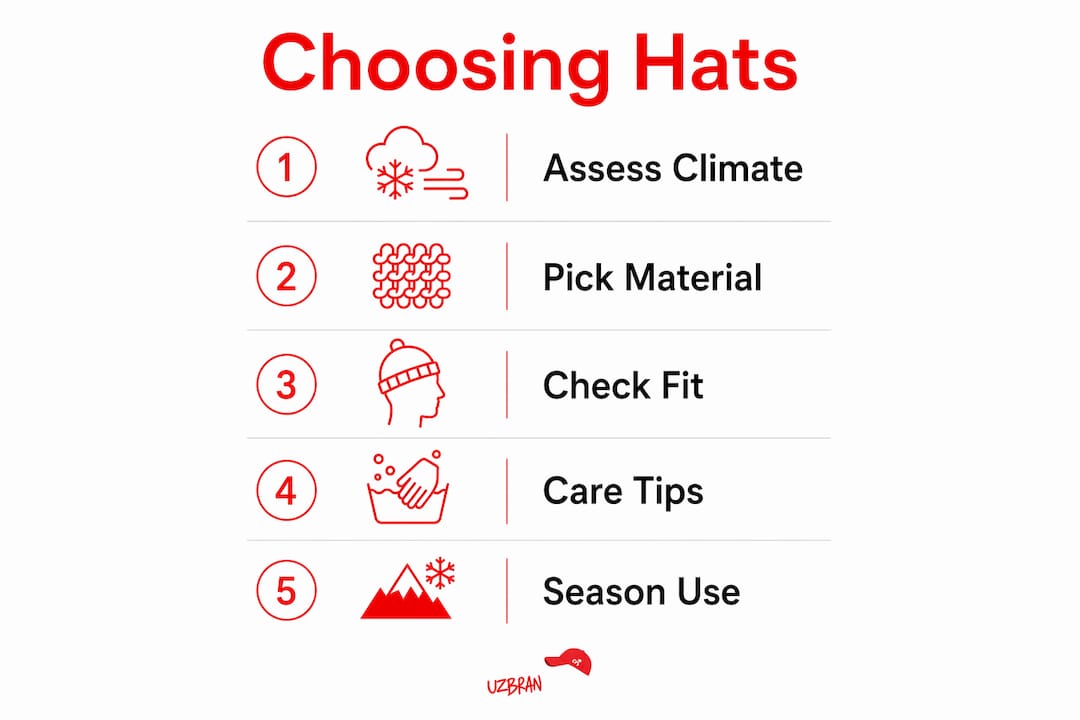
Merino wool is the standout material for most NZ winter conditions. It insulates when wet, resists odour, and regulates temperature during variable activity levels. Fleece-lined beanies suit static cold exposure, such as watching sport or tramping in still conditions. For wet West Coast or Fiordland conditions, a wool-blend hat with a water-resistant outer layer outperforms a standard knit beanie.
Consider these factors when choosing:
| Condition | Recommended style | Key feature |
|---|---|---|
| Alpine skiing | Slim Merino beanie | Fits under helmet |
| Urban winter commute | Fleece-lined beanie | Ear coverage, wind block |
| Coastal tramping | Wool-blend with brim | Wind and light rain protection |
| Watching sport outdoors | Chunky knit beanie | Maximum insulation |
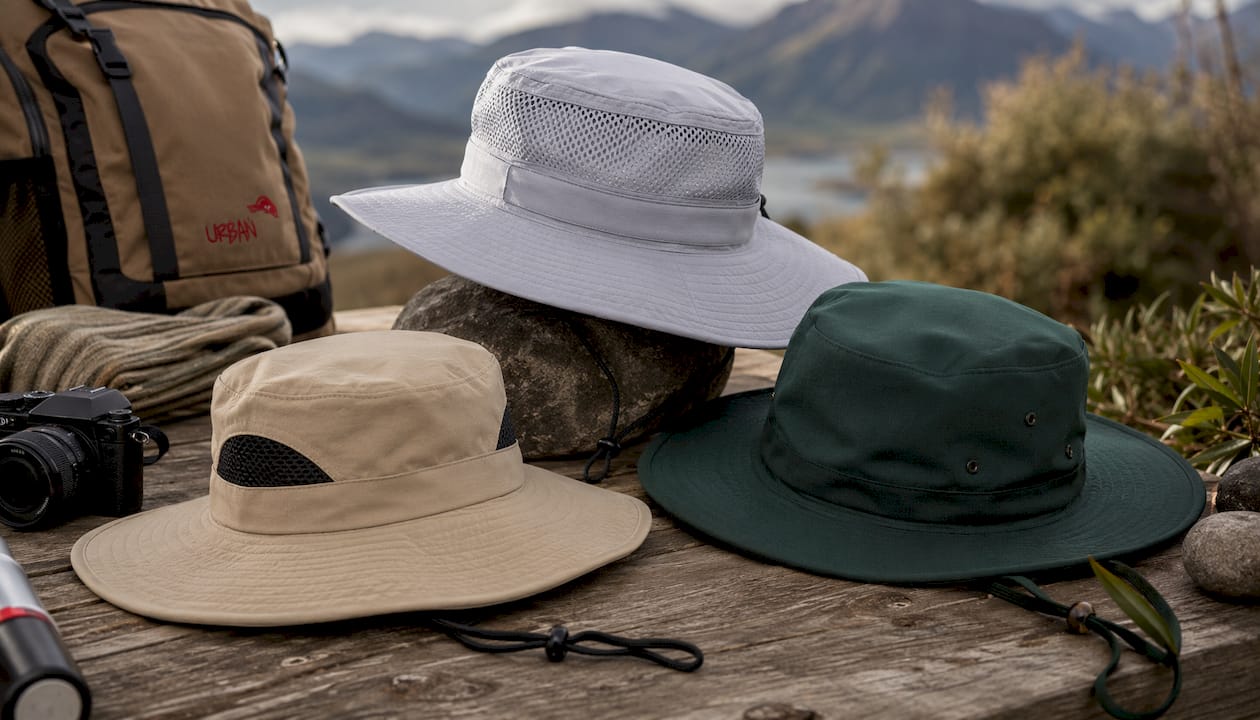
For cross-season versatility, a wide-brim sun hat handles NZ’s unpredictable spring and autumn days when UV and wind both demand attention.
How to care for your hat and keep it insulating well
A hat that has lost its loft or holds moisture poorly will not protect you in the cold. Wool and synthetic hats both need regular, gentle care to maintain their thermal properties.
Washing: Hand wash wool beanies in cool water with a wool-specific detergent. Machine washing on a delicate cycle in a mesh laundry bag is acceptable for most synthetic fleece hats. Hot water causes wool to felt and shrink, permanently reducing its insulating air pockets.
Drying: Always dry flat, never in a tumble dryer. Heat distorts the hat’s shape and breaks down synthetic fibres. Allow full air drying before storing or wearing again, particularly after a sweaty ski session.
Storage: Store hats loosely in a breathable bag or drawer. Compressing them for extended periods crushes the fibres and reduces loft. Check for any signs of pilling or thinning at the crown, where wear is heaviest, and replace when the fabric becomes noticeably thinner.
Pro Tip: After a wet tramping day, stuff your beanie loosely with dry newspaper to absorb moisture and help it hold its shape overnight.
A well-maintained hat lasts several seasons and continues to perform. Neglected headwear, even from a quality brand, loses its insulating ability faster than most people realise.
Key takeaways
Hats reduce cold-weather heat loss by insulating the scalp’s blood vessels, and the right material, fit, and care routine determine how well they perform across New Zealand’s varied winter conditions.
| Point | Details |
|---|---|
| Head insulation is critical | Scalp blood vessels accelerate core cooling when uncovered; a hat slows this significantly. |
| Helmets prevent 15%–66% of injuries | Pair a slim Merino beanie under your helmet for warmth without compromising fit. |
| Material drives performance | Merino wool insulates when wet; fleece suits dry, static cold; wool-blends handle NZ coastal conditions. |
| Moisture ruins insulation | Wet or sweaty hats lose thermal protection; breathable fabrics and dry spares are essential. |
| Care extends hat life | Hand wash in cool water, dry flat, and store loosely to preserve insulating loft. |
FAQ
Why does wearing a hat keep your whole body warmer?
The scalp’s dense network of superficial blood vessels cools rapidly when exposed, dropping core temperature faster than most body regions. A hat slows this process, helping your whole body retain heat.
What is the best hat material for New Zealand winters?
Merino wool is the top choice for most NZ conditions because it insulates even when damp, manages moisture, and suits layering under helmets for winter sports.
Can I wear a beanie under a ski helmet safely?
Yes, provided the beanie is slim-fitting. NIOSH guidance recommends hats that fit comfortably under helmets without creating pressure points or affecting the helmet’s protective fit.
How often should I wash my winter hat?
Wash wool beanies regularly by hand in cool water. Synthetic fleece hats tolerate a gentle machine wash in a mesh bag. Always dry flat, never in a tumble dryer.
Do hats also protect against UV in New Zealand?
Yes. Functional hats provide warmth and UV defence together, which matters in New Zealand where UV levels remain high even on clear winter days at altitude.