

Streetwear cap styling guide 2026: express your urban style
Ever bought a killer streetwear cap only to feel awkward wearing it? You’re not alone. Many young adults in New Zealand struggle to match caps with face shapes and outfits, leaving expensive headwear collecting dust. This guide fixes that. Learn to select, style, and wear caps that amplify your urban identity, boost confidence, and turn heads in Auckland’s Queen Street or Wellington’s Cuba District.
Table of Contents
- Introduction To Streetwear Caps In New Zealand
- Prerequisites: What You Need Before Starting
- Cap Types And Features Explained
- Matching Caps To Climate And Function
- Combining Caps With Streetwear Outfits
- Troubleshooting And Common Mistakes
- Expected Outcomes And Style Impact
- Explore Premium Streetwear Caps To Elevate Your Style
- FAQ
Key takeaways
| Point | Details |
|---|---|
| Cap fit and face shape matter most | Proper sizing and matching cap style to your face shape creates visual balance and boosts styling confidence by 78%. |
| Material impacts comfort and style | Breathable fabrics for summer, wool blends for winter, and water-resistant options for rainy NZ seasons keep you comfortable and stylish. |
| Color coordination enhances outfits | Matching cap tones with clothing creates cohesive streetwear looks that express individuality without clashing. |
| Avoid common positioning errors | Pushing caps too far back or choosing wrong angles reduces style impact by 30%, so proper placement is critical. |
| Personalization adds unique flair | Subtle pins or patches reflect personality while maintaining clean, balanced aesthetics for urban environments. |
Introduction to streetwear caps in New Zealand
Streetwear caps have become essential in New Zealand’s urban fashion landscape. From Christchurch’s Cashel Street to Hamilton’s Victoria Street, young adults use caps as visual statements of identity and style. Unlike generic accessories, streetwear caps communicate personality, subcultural affiliation, and fashion awareness in seconds.
Current trends show Kiwis embracing diverse cap styles. Dad hats offer relaxed, vintage vibes perfect for casual weekend hangs. Snapbacks deliver bold, structured looks ideal for statement outfits. Flat caps bridge heritage and contemporary aesthetics, appealing to those seeking timeless sophistication with urban edge.
Key streetwear cap styles popular in NZ include:
- Dad hats: Unstructured crowns, curved brims, adjustable straps, soft cotton fabrics
- Snapbacks: Structured front panels, flat brims, plastic snap closures, bold graphics
- Flat caps: Traditional newsboy silhouettes, wool or tweed materials, button tops
- Five-panel caps: Minimal designs, athletic origins, lightweight nylon or canvas
Caps serve functional and symbolic roles in New Zealand streetwear. They shield faces from harsh UV rays during summer beach trips, add layering depth to winter fits, and signal membership in skateboarding, hip-hop, or indie music communities. Understanding essential types of hats for kiwis helps you choose styles that align with personal aesthetics and local culture.
Prerequisites: what you need before starting
Successful cap styling begins with proper fit. Measure your head circumference using a flexible tape measure positioned one inch above eyebrows and ears, wrapping around the widest part of your head. Record the measurement in centimeters. Most caps range from 54cm to 62cm. Accurate head measurement ensures comfort and prevents headaches from tight bands or sloppy appearances from loose fits.
Face shape dramatically influences which cap styles flatter you. Stand in front of a mirror and trace your face outline on the glass with washable marker. Compare the shape to common categories:
- Oval faces: Balanced proportions allow most cap styles, from snapbacks to flat caps
- Round faces: Angular caps like snapbacks add structure and length
- Square faces: Curved brims and soft materials like dad hats soften strong jawlines
- Heart-shaped faces: Medium-brim caps balance wider foreheads with narrower chins
New Zealand’s climate demands versatile cap materials. Wellington’s windy, wet winters require wool blends or water-resistant synthetics. Auckland’s humid summers favor breathable cotton or moisture-wicking polyester. Queenstown’s alpine conditions call for insulated fabrics with ear flaps or deeper crowns. Stock your wardrobe with:
- Lightweight cotton dad hat for warm months
- Wool-blend flat cap for cooler seasons
- Water-resistant snapback for unpredictable rain
- Neutral-tone five-panel for versatile outfit pairing
Pro Tip: Test cap fit by shaking your head side to side. The cap should stay secure without sliding or causing pressure points. Adjustable straps offer flexibility as hairstyles change.
Before experimenting with advanced styling, gather essential tools. A handheld mirror helps check cap angles from multiple perspectives. Smartphone camera captures outfit photos for honest assessment. Style inspiration from local streetwear accounts on Instagram provides fresh ideas rooted in Kiwi culture. Visit cap styling durability in NZ for maintenance tips that preserve cap quality during frequent wear.
Cap types and features explained
Each cap type brings distinct visual characteristics and styling potential. Dad hats feature unstructured crowns that mold to head shapes, creating relaxed, approachable aesthetics. Their curved brims soften facial angles, making them ideal for round or square face shapes seeking balanced proportions. Fabric choices typically include washed cotton or canvas, delivering vintage, lived-in textures.
Snapbacks offer structured front panels that maintain rigid shapes, projecting confidence and boldness. Flat brims extend horizontally, adding geometric sharpness that complements oval and heart-shaped faces. Plastic snap closures allow precise circumference adjustments. Graphics, embroidery, or brand logos often dominate snapback designs, making them statement pieces rather than subtle accents.
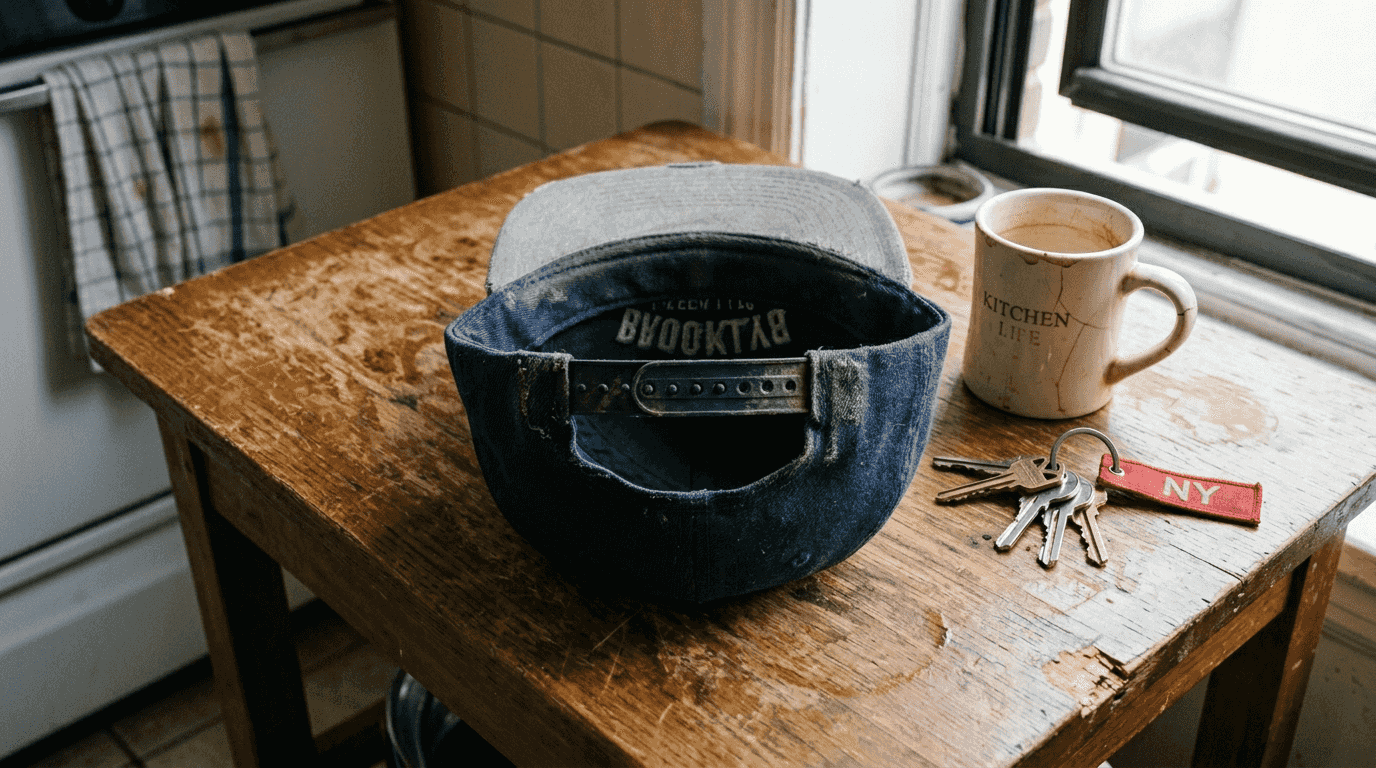
Flat caps blend traditional craftsmanship with modern streetwear sensibilities. Wool, tweed, or herringbone fabrics provide tactile richness and thermal warmth. Button tops and short, angled brims create sophisticated silhouettes that work equally well in cafes, galleries, or urban parks. They suit oval and square faces by adding vertical interest without overwhelming features.
| Cap Type | Best Face Shape | Key Material | Style Vibe |
|---|---|---|---|
| Dad Hat | Round, Square | Cotton, Canvas | Casual, Relaxed |
| Snapback | Oval, Heart | Polyester, Blend | Bold, Athletic |
| Flat Cap | Oval, Square | Wool, Tweed | Sophisticated, Heritage |
| Five-Panel | All Shapes | Nylon, Canvas | Minimal, Modern |
Matching cap style with face shape can boost styling success and social feedback by 78%. This data underscores why understanding your facial structure pays dividends in daily outfit assembly.
Material choice affects both comfort and visual impact. Heavy wool caps add textural weight, grounding outfits with earthy, substantial presence. Lightweight synthetics create sleek, athletic aesthetics suited to performance-inspired streetwear. Cotton offers breathability and softness, ideal for all-day wear in variable temperatures. Explore classic caps for kiwis to see how premium materials elevate everyday headwear.
Pro Tip: When trying caps in-store, wear them for five minutes while browsing. Immediate comfort often fades as pressure points develop, so extended trials reveal true fit quality.
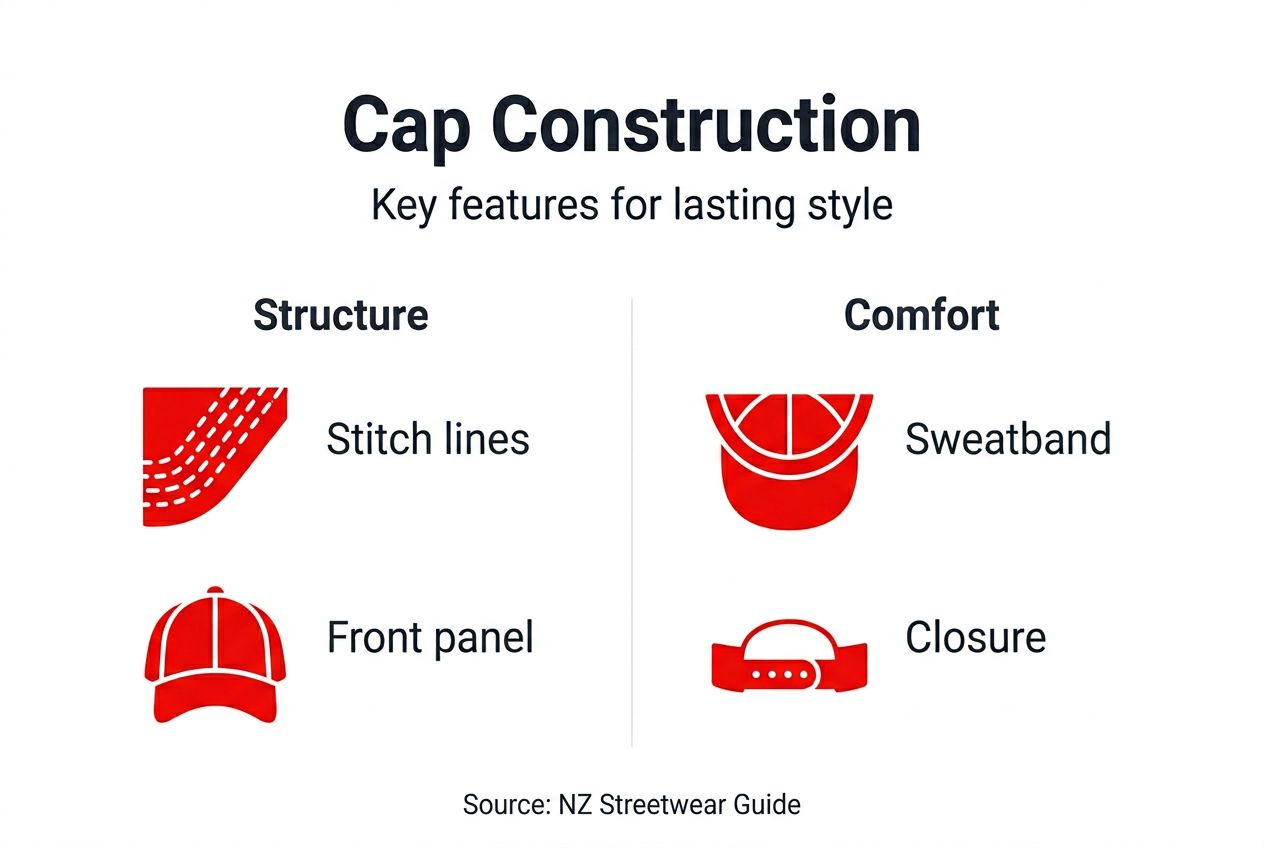
Construction details like reinforced stitching, sweatbands, and adjustable closures distinguish premium caps from fast-fashion alternatives. Quality caps maintain shape after repeated wear, resist fading in sunlight, and survive frequent washing. Check the premium cap fit guide for detailed assessments of construction standards that ensure long-term value.
Matching caps to climate and function
New Zealand’s diverse microclimates require strategic cap selection. Northland’s subtropical humidity demands breathable fabrics like perforated mesh panels or lightweight cotton that wick moisture away from foreheads. Canterbury’s dry, windy conditions favor snug-fitting caps with secure closures that resist gusts. Coastal regions benefit from quick-dry materials that handle sea spray and sudden showers.
Summer styling priorities include:
- UV protection with wide brims or UPF-rated fabrics
- Light colors like white, beige, or pastels that reflect heat
- Mesh backing or ventilation eyelets for airflow
- Moisture-wicking sweatbands to prevent dripping
Winter caps prioritize warmth without sacrificing style. Wool-blend flat caps trap heat while maintaining sophisticated profiles suitable for layered outfits. Insulated dad hats with fleece linings offer cozy comfort during Queenstown ski trips or Dunedin’s brisk mornings. Darker tones like charcoal, navy, or forest green integrate seamlessly with winter wardrobes dominated by jackets and scarves.
Cap material breathability and weather adaptation impacts daily wear comfort in NZ. Ignoring climate needs leads to overheating, rain-soaked headwear, or uncomfortable pressure from overly thick materials.
Functional considerations extend beyond weather. Outdoor activities like hiking, cycling, or beach volleyball require secure fits that stay put during movement. Snapbacks with tighter adjustments or elastic bands prevent caps from flying off during windy trail runs. Urban casual wear allows looser fits and experimental angles, as stationary environments like cafes or museums pose fewer stability challenges.
Pro Tip: Keep a rotation of three caps in your car or backpack: a breathable cotton option for unexpected sun, a water-resistant choice for rain, and a wool cap for temperature drops. This ensures you’re prepared for New Zealand’s famously unpredictable weather shifts.
Explore summer hats and caps guide for seasonal recommendations that balance style with practical climate needs. Matching caps to specific activities and weather patterns maximizes both comfort and visual impact.
Combining caps with streetwear outfits
Layering creates depth and visual interest in streetwear. Start with base layers like plain tees or long-sleeves in neutral tones. Add mid-layers such as hoodies, flannels, or denim jackets that introduce texture and color variation. Cap selection should complement dominant outfit colors or introduce controlled contrast.
- Choose your outfit base: Select jeans, cargo pants, or joggers as the foundation
- Add upper layers: Hoodies, bombers, or oversized tees create streetwear silhouettes
- Select cap color: Match with shirt, jacket, or shoe tones for cohesion
- Adjust cap angle: Slightly forward for athletic vibes, centered for balanced looks
- Evaluate proportions: Ensure cap size balances outfit volume without overwhelming
Color coordination amplifies outfit harmony. Monochromatic schemes using varying shades of one color create sleek, modern aesthetics. Complementary palettes like navy caps with camel jackets offer classic contrast. Analogous colors such as olive, khaki, and brown build earthy, cohesive streetwear ensembles.
Effective color strategies include:
- Matching cap to sneaker color for head-to-toe unity
- Using neutral caps (black, gray, white) as versatile anchors
- Introducing accent colors through caps when outfits are understated
- Avoiding more than three dominant colors in total look
Layering and color coordination improve outfit balance and amplify cap style. This approach transforms caps from afterthoughts into intentional style drivers.
Personalization through accessories adds unique flair without overwhelming clean aesthetics. Enamel pins featuring favorite bands, brands, or causes communicate interests. Embroidered patches with ironic slogans or regional symbols reflect personality. Iron-on transfers allow custom graphics. Limit accessories to two or three pieces maximum to maintain visual clarity.
Pro Tip: Photograph your outfit from waist up using smartphone’s front camera. This perspective mirrors how others see you in conversation, revealing whether cap positioning and styling choices work in real social contexts.
Footwear completes the streetwear equation. High-top sneakers pair naturally with snapbacks for athletic energy. Minimalist white trainers suit dad hats for clean, contemporary looks. Chunky boots ground flat caps in urban-heritage aesthetics. Check sports hat styling examples for inspiration on coordinating caps with performance-inspired outfits.
Troubleshooting and common mistakes
Fit issues plague many cap wearers. Caps that dig into foreheads cause headaches and red marks. Overly loose caps slide during movement, requiring constant adjustment. Solutions include trying smaller or larger sizes, adjusting strap tightness, or choosing different cap constructions. Stretchy sweatbands accommodate slight size variations, while rigid structures demand precise measurements.
Common fit problems and fixes:
- Too tight: Loosen adjustable straps, size up, or choose unstructured dad hats that mold to heads
- Too loose: Tighten straps, size down, or add foam sizing strips inside sweatbands
- Pressure points: Reposition cap slightly forward or back to redistribute weight
- Sliding during activity: Switch to snapbacks with tighter closures or elastic-band options
Positioning errors undermine even perfect fits. Pushing caps too far back exposes excessive forehead, creating unbalanced proportions and juvenile appearances. Tilting caps sideways reads as tryhard unless executed with confident personal style. Pulling caps too low obscures eyes, hindering social interaction and projecting closed-off energy.
Incorrect cap positioning reduces style rating by up to 30%. This significant drop highlights why mastering subtle angle adjustments pays immediate dividends.
“The difference between looking styled and sloppy often comes down to millimeters in cap placement. Adjust until the brim sits one inch above eyebrows for most face shapes, creating clean sightlines and balanced facial framing.”
Color mismatches create visual chaos. Wearing bright red caps with clashing orange jackets competes for attention rather than building cohesive looks. Mixing too many patterns, such as plaid shirts with graphic caps and camo pants, overwhelms visual processing. Stick to one statement piece per outfit, allowing the cap to shine when outfits are simple or vice versa.
Pro Tip: Use the mirror test before leaving home. If your eye jumps between multiple competing elements rather than appreciating the total look, simplify by removing or swapping one piece.
Maintenance neglect damages caps and diminishes style impact. Sweat stains on brims look unhygienic and careless. Bent brims from improper storage ruin structural integrity. Faded colors from sun exposure appear worn out. Hand-wash caps with mild detergent, air-dry away from direct sunlight, and store on shelves or hooks rather than crushing in drawers. Visit prevent cap styling mistakes for comprehensive care instructions that preserve cap quality.
Expected outcomes and style impact
Mastering streetwear cap styling delivers measurable confidence boosts. When caps fit properly, match face shapes, and integrate seamlessly with outfits, you stop second-guessing your appearance. This self-assurance translates to better posture, more genuine smiles in photos, and reduced outfit-related anxiety before social events.
Key benefits include:
- Enhanced visual balance through intentional color coordination and proportion awareness
- Increased compliments and positive feedback from peers and social media followers
- Expanded wardrobe versatility as caps unlock new outfit combinations
- Stronger personal brand as consistent cap styling becomes signature aesthetic
- Practical comfort through climate-appropriate material choices and proper fits
Good cap styling can boost social media engagement and peer feedback among young adults. Instagram posts featuring well-styled caps receive higher like counts and comment activity, amplifying your digital presence.
Coherent streetwear outfits create memorable impressions. When every element from footwear to headwear works together harmoniously, you project intentionality and fashion awareness. This visual consistency helps you stand out in crowded urban environments, networking events, or creative industry gatherings where personal presentation influences opportunities.
Long-term style development accelerates once cap fundamentals become second nature. You’ll intuitively spot quality construction, recognize flattering shapes, and assemble outfits faster. These skills transfer to other accessories and clothing categories, elevating overall fashion competence. Confidence in cap styling often sparks broader interest in personal style evolution, opening doors to creative self-expression through clothing.
Explore premium streetwear caps to elevate your style
Now that you understand cap styling principles, elevate your headwear collection with premium options crafted for New Zealand lifestyles. Urban Caps offers curated selections that blend quality materials, timeless designs, and contemporary streetwear aesthetics.

Discover premium fedoras hat that bridge classic sophistication with urban edge, perfect for layered autumn outfits. Explore men’s woolen fedoras hat designed for warmth without sacrificing style during Wellington winters. Browse multicolor fedoras hat options that add controlled vibrancy to neutral streetwear palettes. Each piece undergoes rigorous quality checks, ensuring durability and comfort for daily New Zealand wear. Find your perfect style match and express your urban identity with confidence.
FAQ
What cap style suits a round face shape best?
Snapbacks with structured crowns and flat brims add vertical lines that elongate round faces, creating balanced proportions. The angular geometry counteracts facial roundness, delivering sharper, more defined aesthetics. Flat caps also work well when fitted snugly, as their low profiles and forward angles introduce dimension without adding width.
How can I maintain my streetwear cap during rainy NZ seasons?
Choose water-resistant materials like treated polyester or nylon blends that repel moisture rather than absorbing it. Apply waterproof fabric spray before rainy seasons for added protection, reapplying every few weeks. After exposure to rain, shake off excess water and air-dry caps at room temperature away from direct heat sources, which can warp shapes and fade colors.
Are adjustable caps better for urban streetwear?
Adjustable caps like dad hats and snapbacks offer versatile fits that accommodate changing hairstyles, from short cuts to longer waves. The flexibility suits casual streetwear aesthetics that prioritize comfort and personal expression over rigid formality. Snapback closures also create visual interest on cap backs, adding design elements that fixed-size caps lack.
What are simple ways to personalize my cap?
Add one or two enamel pins to cap crowns or brims, choosing designs that reflect hobbies, music tastes, or regional pride. Iron-on patches with subtle graphics or text provide customization without permanent alterations. Avoid overcrowding caps with excessive decorations, which dilute visual impact and appear cluttered rather than curated.