


Role of Hats in Sports Fashion: Premium Style Guide 2026
Most people wearing sports hats today aren’t heading to a game. They’re making a style statement. In New Zealand, where rugby fields meet urban streets, hats bridge athletic heritage with contemporary fashion. This guide reveals how sports hats evolved beyond their original purpose, explores their cultural significance in Kiwi streetwear, and empowers you to choose premium headwear that reflects both your identity and the intersection of sports and style in 2026.
Table of Contents
- Introduction To Hats In Sports Fashion
- Historical Evolution And Cultural Significance
- Contemporary Sports Influence On New Zealand Streetwear
- Common Misconceptions About Sports Hats In Fashion
- Popular Hat Styles In Sports Fashion And Their Appeal
- Choosing Premium Hats That Reflect Sports Fashion And Personal Style
- Conclusion And Style Empowerment Through Hats
- Explore Premium Hats That Embody Sports Fashion In New Zealand
Key takeaways
| Point | Details |
|---|---|
| Sports hats transformed from functional gear to style icons | Originally designed for athletic protection, hats now dominate streetwear as fashion statements |
| They express cultural identity in New Zealand | Rugby and cricket heritage directly influence hat preferences and streetwear trends |
| Premium materials elevate hat appeal | Natural fibers and quality craftsmanship create durable, stylish headwear worth investing in |
| Popular styles blend heritage with modern design | Baseball caps, dad hats, flat caps, and beanies lead contemporary sports fashion |
| Smart selection balances style and authenticity | Choosing hats requires evaluating fit, fabric, cultural relevance, and personal expression |
Introduction to hats in sports fashion
Sports hats began as purely practical items. Teams needed headwear that shielded players from sun and rain while displaying logos for identification. Baseball caps protected batters’ eyes from glare. Golfers wore flat caps for wind resistance. Function drove every design choice.
That changed dramatically over recent decades. Hats migrated from playing fields to city streets, becoming symbols of cultural identity and personal style. Today’s sports hats for Kiwi trendsetters blend athletic heritage with urban aesthetics, creating versatile accessories worn far more often off the field than on it.
The influence extends deep into streetwear culture. Young New Zealanders adopt hat styles that reference rugby, cricket, and skateboarding while expressing individual taste. A dad hat signals casual cool. A structured baseball cap adds polished edge. Each choice communicates something specific about the wearer’s style philosophy and cultural connections.
Modern sports fashion hats serve dual purposes. They maintain functional benefits like sun protection and comfort while operating primarily as style enhancers. This evolution reflects broader fashion trends where athletic wear merges with everyday clothing, creating hybrid pieces that honor sports roots while prioritizing aesthetic appeal and self expression.
Historical evolution and cultural significance
Baseball caps are globally recognized icons originating from sports but now holding broad cultural meaning across continents. Their structured crowns and curved brims emerged from 1860s American baseball, designed to keep sun from players’ eyes during games. By the 1980s, caps transcended sports entirely, becoming hip hop essentials and streetwear staples worldwide.
British sporting traditions contributed equally influential styles. Flat caps dominated golf courses and hunting grounds throughout the 19th century, worn by working class and aristocracy alike. Their low profile and wool construction suited outdoor pursuits while maintaining refined appearance. These heritage pieces carried social meaning, signaling class, occupation, and regional identity through subtle design variations.
New Zealand’s sporting culture absorbed both influences. Rugby’s British colonial roots brought flat cap aesthetics into local fashion consciousness. Cricket reinforced similar heritage connections. Meanwhile, baseball cap popularity surged through American cultural exports, creating unique hybrid preferences where Kiwi streetwear blends international sports styles with distinctly local sensibilities shaped by outdoor lifestyle and beach culture.
The role of hats in fashion and UV protection evolved alongside these cultural shifts. Hats transformed from pure necessity or team uniform into accessories carrying layered meanings about heritage, identity, and style philosophy.
| Hat Type | Historical Origin | Primary Sport Influence | Cultural Association | Modern Appeal |
|---|---|---|---|---|
| Baseball Cap | 1860s America | Baseball | Hip hop, streetwear | Universal casual style |
| Flat Cap | 19th century Britain | Golf, hunting | Working class heritage | Refined vintage aesthetic |
| Dad Hat | 1990s America | General sports merch | Relaxed, unpretentious | Effortless cool |
| Beanie | Ancient origins | Winter sports | Skate culture, outdoor life | Cold weather streetwear |
Contemporary sports influence on New Zealand streetwear
Rugby shapes New Zealand hat preferences more than any other sport. All Blacks merchandise drives massive cap sales, but influence extends beyond official gear. The sport’s cultural dominance means rugby inspired styles permeate streetwear even when logos disappear. Structured caps with clean lines and bold colors echo team aesthetics, connecting wearers to national sporting identity without literal branding.
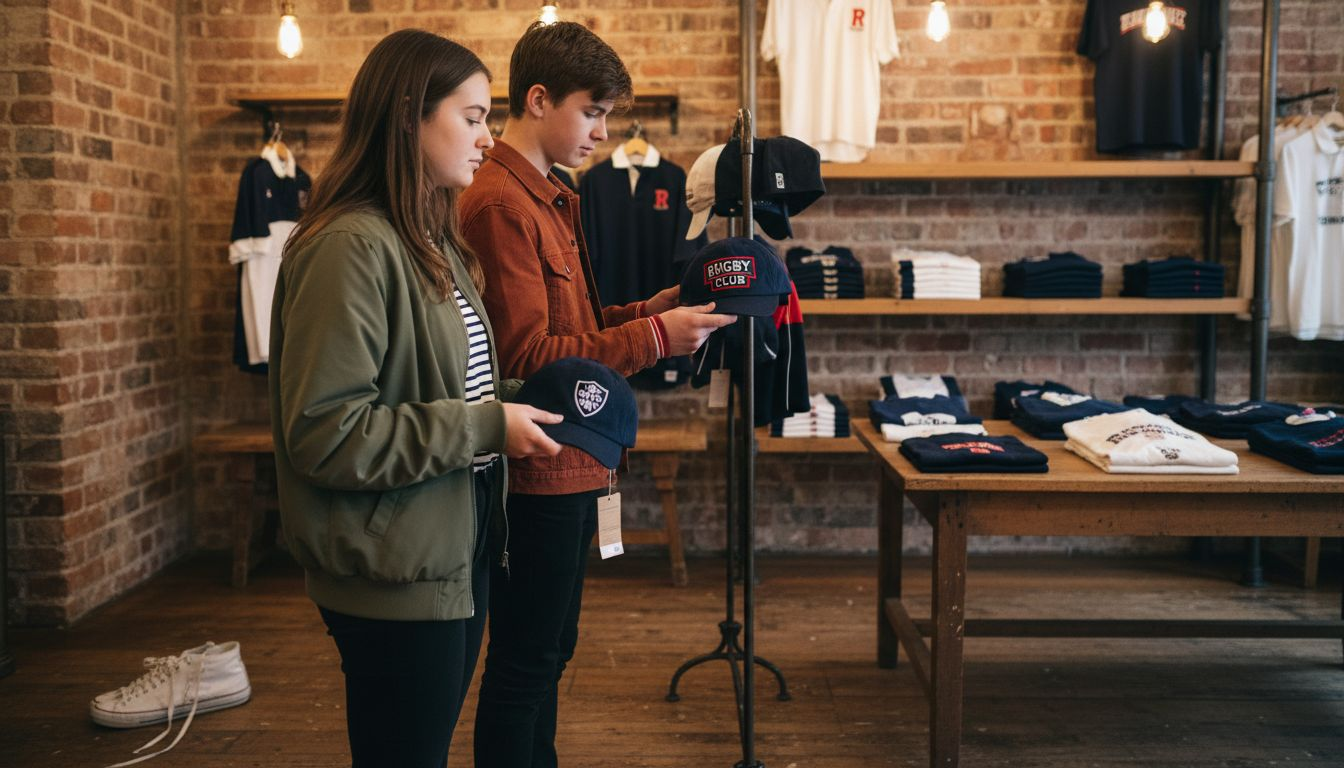
Cricket contributes subtler but meaningful influence. Traditional cricket whites and heritage fabrics inspire premium hat materials and color palettes. Young New Zealanders blend cricket’s refined sporting aesthetic with urban streetwear, creating looks that honor tradition while feeling contemporary. This fusion appears in neutral toned caps with quality construction, reflecting cricket’s emphasis on timeless style over flashy trends.
Youth adoption of dad hats and beanies transformed these items into streetwear essentials. Dad hats offer unstructured crowns and curved brims, signaling relaxed confidence rather than athletic performance. Beanies transition from ski slopes to city sidewalks, worn year round as style pieces that nod to outdoor culture central to Kiwi identity. Both styles let wearers reference sports heritage casually without costume like commitment.
The importance of headwear in New Zealand connects directly to climate and outdoor lifestyle. Strong UV exposure makes functional headwear necessary, but fashion conscious Kiwis refuse to sacrifice style for protection. Modern sports hats solve this tension, offering legitimate sun defense wrapped in designs that enhance rather than compromise personal aesthetic.
Pro Tip: Choose hats that reference local sports culture through subtle design elements like color blocking inspired by team uniforms or materials reflecting New Zealand’s outdoor heritage. This grounds your style in authentic cultural connections while maintaining contemporary streetwear credibility.
Common misconceptions about sports hats in fashion
Myth one claims sports hats belong exclusively on athletes. Reality contradicts this sharply. Fashion designers feature baseball caps in runway shows. Celebrities wear dad hats as signature accessories. Street style blogs dedicate entire sections to hat styling. The athletic association remains, but modern sports hats function primarily as fashion items accessible to anyone regardless of athletic involvement or ability.
Myth two insists hats serve only functional purposes like sun protection or warmth. While these benefits matter, they don’t explain purchasing decisions. People buy specific hat styles, colors, and brands based on aesthetic preferences and cultural meanings, not purely practical concerns. A beanie might keep you warm, but you choose one beanie over another because it looks better and aligns with your style identity.
Myth three suggests sports hats detract from rather than enhance personal style. This outdated view ignores how hats complete contemporary outfits across fashion categories. A well chosen cap adds polish to casual looks, provides focal points in minimalist outfits, and injects personality into neutral wardrobes. The key lies in selection and styling, treating hats as integral accessories rather than afterthoughts.
“60% of surveyed consumers use sports hats primarily for style, not sports. This statistic reveals how dramatically perceptions and purposes shifted, positioning hats as fashion first accessories that happen to carry athletic heritage rather than sports equipment occasionally worn for style.”
Recognizing these misconceptions helps fashion conscious New Zealanders embrace hats confidently. Sports heritage enriches rather than limits hat appeal. The essential hats for fashion forward Kiwis leverage athletic roots while serving primarily aesthetic functions, proving sports influence enhances rather than constrains contemporary style possibilities.
Popular hat styles in sports fashion and their appeal
Baseball caps and dad hats share origins but deliver different style messages. Baseball caps feature structured crowns that hold shape, creating polished athletic aesthetic. Dad hats use unstructured crowns that collapse slightly, producing relaxed, lived in appearance. Both descended from sports merchandise, but dad hats emerged specifically as casual alternatives to rigid team caps, appealing to wearers seeking effortless cool over crisp athleticism.
Flat caps versus beanies presents heritage against contemporary casual wear. Flat caps carry British sporting tradition, often crafted from wool or tweed with snap button closures and low profiles. They signal refined taste and appreciation for classic menswear. Beanies represent modern outdoor and skate culture, typically knit from acrylic or merino blends. They communicate approachable youth culture and active lifestyle values rather than formal sporting heritage.
Materials dramatically impact appeal and positioning. Natural fibers like cotton, wool, and linen elevate perceived quality while offering superior breathability and durability. Synthetic blends reduce cost and add performance features like moisture wicking, but often feel less premium. New Zealand’s climate favors natural materials that handle humidity and sun exposure while maintaining comfort throughout long wear periods.
| Hat Style | Sports Origin | Key Features | Style Message | Ideal Seasons |
|---|---|---|---|---|
| Baseball Cap | Baseball | Structured crown, curved brim, adjustable back | Polished athletic | Year round |
| Dad Hat | Sports merch | Unstructured crown, curved brim, relaxed fit | Effortless casual | Spring, summer, fall |
| Flat Cap | Golf, hunting | Low profile, snap button, heritage fabrics | Refined tradition | Fall, winter, spring |
| Beanie | Winter sports | Knit construction, snug fit, fold over cuff | Outdoor casual | Winter, early spring |
The classic caps for fashion forward Kiwis demonstrate how these styles adapt to local preferences. New Zealand streetwear favors versatile pieces that transition between beach, city, and outdoor settings. Baseball caps and dad hats dominate because they suit this lifestyle while maintaining sports fashion credibility through design heritage and cultural associations.
- Structure level affects formality and styling versatility across different outfit contexts
- Brim shape influences face framing and overall silhouette when viewing complete looks
- Adjustment mechanisms signal quality through metal hardware versus plastic clips
- Color palettes connect hats to specific sports traditions or contemporary streetwear trends
- Logo placement determines whether hats read as team merchandise or fashion accessories
Choosing premium hats that reflect sports fashion and personal style
Start by evaluating fit carefully. Hats should sit comfortably without pressure points, with crowns deep enough to cover head shape without perching awkwardly. Adjustable backs offer flexibility, but quality strap mechanisms matter. Metal closures and leather straps indicate premium construction compared to plastic snaps. Try hats on whenever possible, checking how brim angles affect face framing and overall proportion.
Fabric quality separates premium hats from basic options immediately. Natural fibers feel softer, breathe better, and age gracefully compared to synthetic alternatives. Cotton twill offers durability and classic texture. Wool provides warmth and heritage appeal. Linen suits hot weather with unmatched breathability. Check fabric weight and weave tightness, looking for substantial material that maintains shape through regular wear.
Heritage and design authenticity enhance long term value. Brands with actual sports connections or documented craftsmanship traditions create hats with genuine cultural resonance. Design details reveal this authenticity. Quality stitching, thoughtful colorways, and proportions that honor original athletic styles indicate serious attention to sports fashion heritage versus generic merchandise copying surface aesthetics.
Climate compatibility matters enormously in New Zealand. Strong UV exposure demands hats with adequate brim coverage and tight weaves that block sun effectively. Variable weather favors quick drying materials and colors that hide light moisture marks. The features of premium hats include practical considerations alongside style elements, ensuring headwear performs well in local conditions while looking excellent.
- Assess your face shape and existing wardrobe colors to identify hat styles that complement rather than clash
- Research brand heritage and manufacturing processes to verify quality claims and authentic sports connections
- Examine construction details including stitching, hardware, and fabric weight as quality indicators
- Consider versatility across different outfits and occasions to maximize wear value from each purchase
- Test comfort during extended try on periods, checking for pressure points or balance issues
- Verify care requirements match your maintenance willingness, as premium materials often need specific handling
Pro Tip: The importance of headwear craftsmanship shows through details invisible at first glance. Turn hats inside out to check seam finishing, liner quality, and sweatband construction. These hidden elements determine long term comfort and durability far more than exterior appearance.
Conclusion and style empowerment through hats
Sports hats evolved from specialized athletic equipment into versatile fashion essentials that blend function with cultural expression. Their heritage enriches contemporary streetwear, providing authentic connections to sporting traditions while serving primarily aesthetic purposes in modern wardrobes. New Zealand’s unique position where rugby culture meets beach lifestyle creates perfect context for hats that honor sports roots while embracing style forward design.
Premium materials and thoughtful construction elevate hats from disposable accessories into wardrobe investments that improve with age. Natural fibers, quality hardware, and authentic design details create pieces that communicate style sophistication and appreciation for craftsmanship. These elements matter especially in sports fashion, where heritage and quality separate genuine style from superficial trend following.
Applying selection criteria from this guide empowers confident hat purchases that reflect personal identity and cultural awareness. Whether choosing baseball caps for polished athletic aesthetic, dad hats for relaxed cool, or flat caps for heritage sophistication, understanding each style’s origins and cultural meanings helps build authentic, coherent looks. Sports fashion hats offer remarkable versatility when selected thoughtfully and styled intentionally.
Explore premium hats that embody sports fashion in New Zealand
Urban Caps curates premium headwear that honors sports heritage while embracing contemporary streetwear aesthetics. Our collection features quality materials and thoughtful construction that reflect the intersection of athletic tradition and modern style.

Discover styles like the checkerboard plaid fisherman hat that blend classic patterns with fresh design approaches. Each piece balances functionality with fashion, creating versatile accessories suited to New Zealand’s climate and culture. Visit the Urban Caps official store to explore collections that elevate your personal style while connecting you to rich sports fashion heritage.
FAQ
What sports hats are most popular in New Zealand streetwear?
Baseball caps, dad hats, flat caps, and beanies dominate due to rugby and cricket cultural influences combined with outdoor lifestyle needs. These styles blend British sporting heritage with American casual aesthetics, creating versatile options that suit Kiwi fashion preferences while honoring local sports traditions.
How do I identify a premium sports fashion hat?
Look for natural fiber construction, sturdy stitching visible in seams and brims, quality hardware like metal adjusters, and brands with documented heritage in headwear craftsmanship. Premium hats feature thoughtful design details that reference authentic sports traditions rather than generic athletic styling.
Can sports hats protect me from the New Zealand sun while being stylish?
Absolutely. Many sports inspired hats use tightly woven fabrics and substantial brims that provide legitimate UV protection while maintaining fashionable appearance. Hats combine style with UV protection effectively when constructed from quality materials with adequate coverage.
Do I need to follow sports to wear sports fashion hats?
Not at all. Modern sports hats function primarily as style accessories that happen to carry athletic heritage, not equipment requiring sports participation. Their cultural significance and aesthetic appeal make them relevant to anyone interested in contemporary streetwear regardless of athletic involvement.
How do I style sports hats without looking like I’m wearing team merchandise?
Choose hats without prominent logos or team branding, focusing instead on classic silhouettes in neutral colors or subtle patterns. Pair hats with elevated casual pieces rather than full athletic outfits, treating them as finishing accessories that complete looks rather than dominate them.