

Why invest in quality hats: durability and style 2026
Many believe that a more expensive hat always means better quality, but this isn’t true. The real markers of excellence lie in craftsmanship, materials, and heritage-inspired designs that suit New Zealand’s climate and lifestyle. This guide reveals what truly makes a hat worth your investment, helping you find durable, stylish headwear that elevates your wardrobe for years to come.
Table of Contents
- Understanding Quality In Hats: What Sets Them Apart
- Craftsmanship And Durability: How Quality Hats Last Longer
- Materials And Functional Benefits: Comfort, Protection, And Style
- Heritage And Design Uniqueness: Expressing Individuality Through Timeless Style
- Common Misconceptions About Quality Hats: What Most People Get Wrong
- Care And Maintenance: Ensuring Your Quality Hat Lasts For Years
- Bridging Style And Sustainability: The Ethical Impact Of Quality Hat Investment
- How To Choose Your Quality Hat: Practical Guide For Fashion-Conscious Kiwis
- Explore Premium Quality Hats At Urban Caps
Key takeaways
| Point | Details |
|---|---|
| Quality markers | Look for handcrafted construction, natural fibers like wool and straw, and heritage-inspired designs that reflect artisanal skill. |
| Long-term value | Premium hats offer superior durability, style retention, and versatility across seasons and occasions. |
| Common myths | Price doesn’t guarantee quality; even premium hats need proper care to maintain their appearance and structure. |
| Practical benefits | Quality materials provide UV protection, breathability, and comfort suited to New Zealand’s diverse weather conditions. |
Understanding quality in hats: what sets them apart
Quality in headwear comes down to three core elements: premium materials, skilled craftsmanship, and thoughtful design. Natural fibers like wool, straw, and cotton form the foundation of any exceptional hat. These materials breathe naturally, regulate temperature, and develop character over time rather than deteriorating.
The difference between mass-produced and handcrafted hats becomes obvious when you examine construction details. Handmade hats offer exceptional craftsmanship because artisans dedicate precise care to every stitch. Factory hats rely on speed and volume, often cutting corners with synthetic adhesives and rushed assembly.
Heritage-inspired designs bring unique style that fast fashion can’t replicate. These pieces draw from historical patterns and cultural traditions, creating headwear with authentic character. When you invest in quality headwear, you’re choosing pieces that tell stories and stand apart from cookie-cutter alternatives.
Key quality indicators include:
- Tightly woven natural fibers with consistent texture
- Reinforced stitching at stress points and seams
- Structured brims that hold shape without wire supports
- Interior sweatbands made from leather or breathable cotton
- Finished edges and clean interior lining
Craftsmanship and durability: how quality hats last longer
Artisanal techniques transform good materials into exceptional headwear. Hand-stitching creates stronger seams than machine work because each stitch receives individual attention and adjustment. Artisanal handcrafting methods and skill impact hat durability and style uniqueness in ways that automated processes can’t match.
Fabric layering adds structural integrity without bulk. Skilled hatmakers build up crown and brim sections with multiple thin layers, bonding them through traditional blocking methods. This approach creates hats that flex with wear but return to their original shape.
Traditional stitching techniques improve durability and preserve heritage values that give headwear lasting appeal. These methods include saddle stitching for bands, whip stitching for brims, and lock stitching for decorative elements. Each technique serves a specific structural or aesthetic purpose.
Premium natural fibers used in quality construction:
- Merino wool for temperature regulation and moisture wicking
- Panama straw for lightweight breathability and sun protection
- Organic cotton for everyday comfort and easy maintenance
- Felt blends combining wool and fur for weather resistance
- Linen for summer styles requiring maximum airflow
Craftsmanship contributes directly to lifespan and style retention. A well-made hat maintains its silhouette through years of regular wear, developing a personalized patina rather than looking worn out. Understanding headwear craftsmanship and why quality matters helps you recognize construction details that predict longevity.
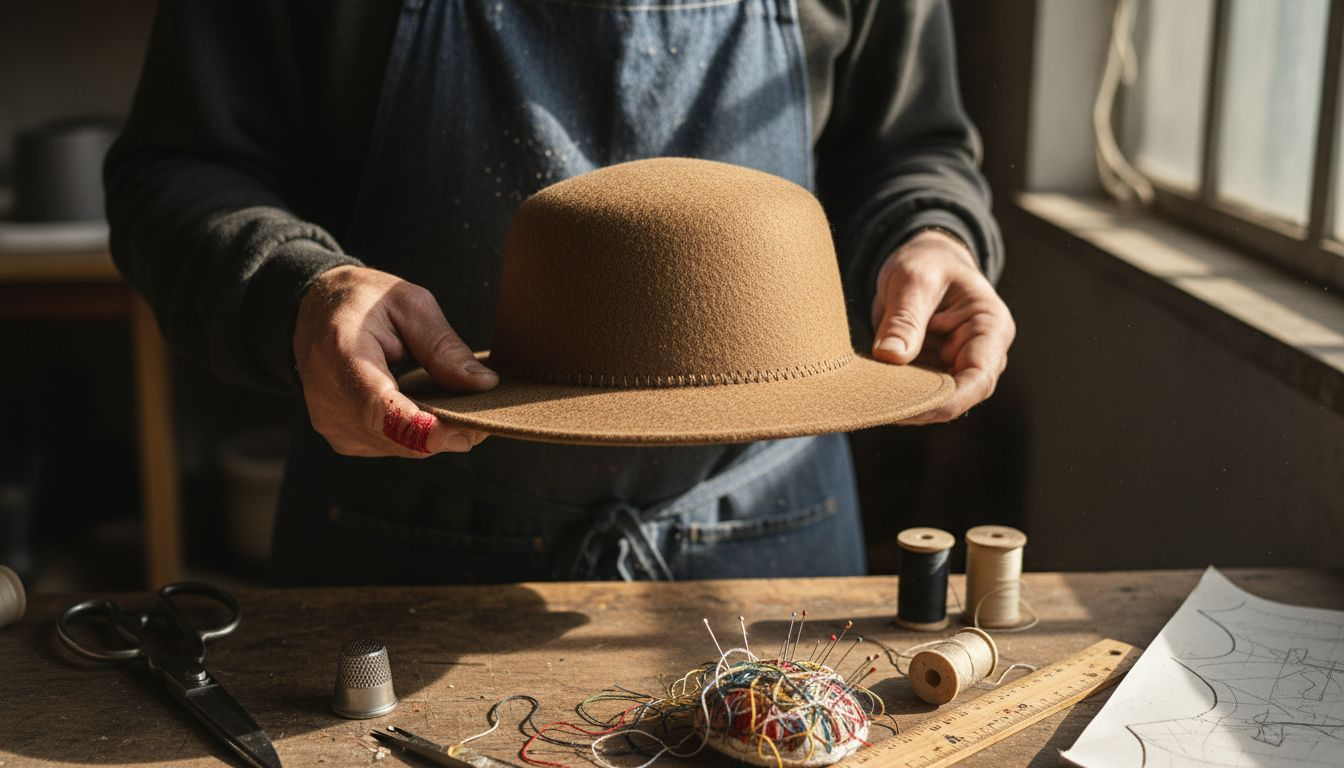
Pro Tip: Regularly check stitching around sweatbands and brim edges to catch wear early. A quick repair prevents minor issues from becoming structural failures.
Materials and functional benefits: comfort, protection, and style
Premium materials deliver practical advantages that justify their cost. Quality hats use premium natural fibers like wool, straw, and cotton offering breathability and durability that synthetic alternatives can’t replicate. These fibers adapt to your body temperature, pulling moisture away from skin while allowing air circulation.
UV protection becomes critical in New Zealand’s intense sunlight. Wide-brim styles and tightly woven materials block harmful rays effectively. Structured hats with proper brims shield your face, neck, and ears during outdoor activities, reducing skin damage and heat fatigue.
Seasonal versatility makes quality hats practical year-round investments. Wool felts transition from autumn chill to spring rain. Lightweight straws provide summer comfort without sacrificing style. Understanding the role of hats in fashion and UV protection helps you select pieces that work across multiple seasons.
| Material | Breathability | Durability | Best Season | Key Benefits |
|---|---|---|---|---|
| Wool felt | High | Excellent | Autumn/Winter | Water resistant, shape retention, warmth |
| Panama straw | Excellent | Good | Spring/Summer | Lightweight, UV blocking, cooling |
| Cotton canvas | Very High | Very Good | All seasons | Easy care, versatile styling, comfortable |
| Linen | Outstanding | Moderate | Summer | Maximum airflow, quick drying, casual elegance |
New Zealand’s climate demands headwear that handles sudden weather shifts. Quality construction ensures your hat performs whether you’re walking Wellington’s windy streets or hiking Queenstown trails. Exploring what makes a quality cap reveals how material choices impact both comfort and durability in real-world conditions.
Heritage and design uniqueness: expressing individuality through timeless style
Heritage-inspired designs connect wearers to rich cultural traditions while offering contemporary relevance. Heritage motifs and artisanal details create distinctive fashion statements that mass production can’t duplicate. These designs draw from historical patterns, regional crafts, and time-tested proportions that flatter diverse face shapes.
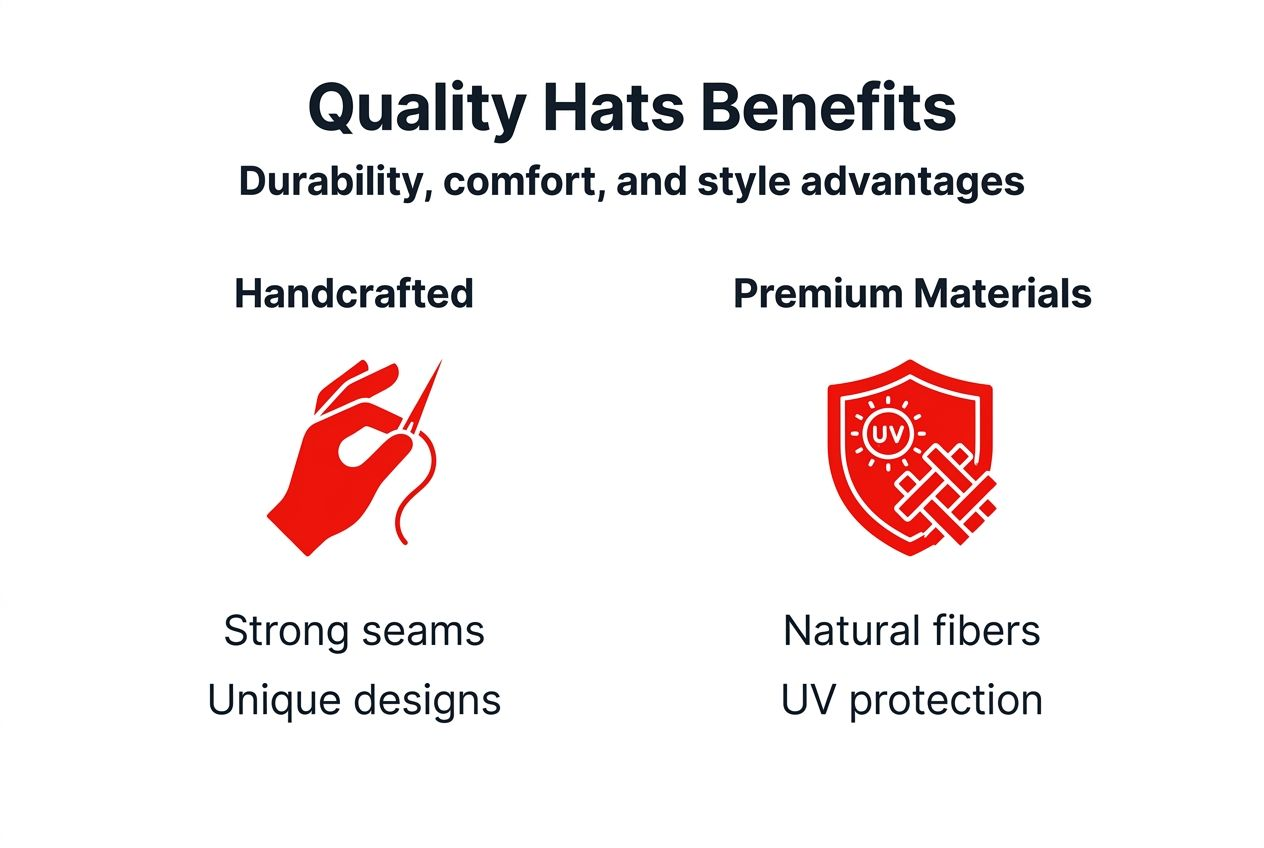
Handcrafted details elevate style through subtle touches. Hand-stitched bands, custom linings, and unique trims transform basic silhouettes into signature pieces. Each artisan brings individual perspective to their work, ensuring no two hats emerge exactly alike even when following the same pattern.
Fast fashion produces identical items by the thousands, eliminating personal expression from your wardrobe. Quality headwear offers the opposite: pieces that reflect your taste and values. When you choose classic hat designs with timeless style, you’re investing in authenticity that stands out in a sea of sameness.
Ways heritage designs express individuality:
- Regional patterns that reference specific cultural traditions
- Artisan signatures in construction details and material selection
- Limited production runs ensuring exclusivity
- Vintage-inspired silhouettes updated for modern proportions
- Custom trim options allowing personalization
The process of choosing premium hats for style and fit involves understanding how heritage elements complement your personal aesthetic. A fedora inspired by 1940s Hollywood communicates different energy than a flat cap rooted in British countryside tradition. Both offer timeless appeal while allowing distinct self-expression.
Pro Tip: Select heritage-inspired hats that connect to your personal stories or cultural background. This creates deeper meaning in your wardrobe beyond simple aesthetics.
Common misconceptions about quality hats: what most people get wrong
Price variability confuses many buyers. Price does not always equate to quality because some affordable hats offer great durability through smart material choices and efficient construction. Conversely, expensive designer pieces sometimes prioritize branding over actual craftsmanship.
The myth that all mass-produced hats lack quality oversimplifies reality. Large manufacturers can use excellent materials and precise machinery to create consistent, durable products. What they typically sacrifice is uniqueness and artisanal character, not necessarily structural integrity.
Many assume quality hats require no maintenance, expecting them to perform flawlessly without care. This misconception leads to preventable damage. Even the finest materials and construction need regular cleaning, proper storage, and occasional repairs to maintain appearance and function.
Common myths debunked:
- Higher price guarantees better construction (brand premiums often inflate costs)
- Handmade always beats machine-made (depends on skill level and materials)
- Quality hats never need repairs (all hats eventually require maintenance)
- Expensive brands use superior materials (mid-range options often match quality)
- Heritage designs look outdated (classic styles adapt beautifully to modern wardrobes)
Informed evaluation requires looking beyond cost to assess actual construction. Examining stitching, feeling material weight, checking structural elements, and understanding maker reputation provide better quality indicators than price tags. Learning about quality hats that elevate everyday style helps you separate marketing hype from genuine value.
Care and maintenance: ensuring your quality hat lasts for years
Proper maintenance protects your investment and extends wearable life significantly. Proper care can extend hat life by over 50% through regular cleaning and correct storage practices. This translates to years of additional use from pieces you already own.
Establish a maintenance routine:
- Brush away dust and debris after each wear using a soft-bristled hat brush
- Spot clean stains immediately with appropriate cleaners for your hat’s material
- Allow hats to air dry completely before storage, never using direct heat sources
- Store hats on proper forms or in original boxes to maintain shape
- Rotate between multiple hats to reduce wear on any single piece
- Inspect stitching and structure monthly, addressing minor issues promptly
- Professional cleaning annually for valuable or frequently worn pieces
Environmental damage threatens even the best construction. Moisture causes felt to lose shape and encourages mildew growth. Direct sunlight fades colors and degrades natural fibers over time. Extreme temperatures make materials brittle or cause unwanted softening.
Storage solutions that preserve quality:
- Hat boxes with ventilation holes preventing moisture buildup
- Wooden or foam hat forms maintaining crown and brim shapes
- Cedar sachets deterring moths without harsh chemicals
- Cool, dry locations away from windows and heat sources
- Separate storage for each hat preventing crushing and deformation
Understanding hat care techniques and longevity tips ensures your quality pieces deliver maximum value. Regular upkeep takes minimal time but makes the difference between hats that last decades versus those requiring replacement after seasons.
Pro Tip: Rotate your hats regularly and use hat forms between wears to retain original shape. This simple habit prevents permanent deformation from prolonged storage pressure.
Bridging style and sustainability: the ethical impact of quality hat investment
Artisanal production methods reduce environmental impact through small-batch manufacturing. Sustainably made quality hats reduce waste and carbon footprint versus mass production by eliminating overproduction and minimizing transportation distances. Local makers often source materials regionally, further reducing environmental costs.
Supporting heritage craftsmanship sustains traditional skills and local economies. When you purchase from artisan hatmakers, your money directly supports skilled workers and their families. This creates economic resilience in communities while preserving cultural knowledge that might otherwise disappear.
Eco-friendly materials align with sustainable values. Natural fibers biodegrade at end of life, unlike synthetic alternatives that persist in landfills for generations. Organic cotton, responsibly harvested straw, and ethically sourced wool offer guilt-free style that doesn’t compromise the environment.
Sustainability advantages of quality headwear:
- Longevity reducing replacement frequency and overall consumption
- Natural materials requiring less energy-intensive processing
- Local production eliminating long-distance shipping emissions
- Repairable construction allowing decades of use
- Biodegradable components at end of usable life
- Support for fair labor practices and artisan communities
The fashion industry’s environmental toll makes conscious purchasing increasingly important. Choosing quality hats that support sustainability aligns your wardrobe with environmental values without sacrificing style. Each quality purchase represents a vote for responsible production over disposable fashion.
How to choose your quality hat: practical guide for fashion-conscious Kiwis
Selecting your ideal quality hat requires systematic evaluation:
- Assess material quality by examining fiber content, weave density, and natural versus synthetic composition
- Examine craftsmanship through stitching consistency, seam reinforcement, and interior finishing details
- Consider heritage-inspired design elements that offer unique style and cultural connection
- Compare price against quality indicators rather than assuming expensive equals better
- Plan for proper care and maintenance based on material requirements and your lifestyle
Material assessment starts with touch and visual inspection. Natural fibers feel substantial without excessive weight. Tight, even weaves indicate careful construction. Check for loose threads, uneven dying, or weak spots that suggest rushed production.
Craftsmanship evaluation requires close examination. Turn the hat inside out to inspect seam quality and lining attachment. Flex the brim gently to test structural integrity. Quality pieces resist deformation and return to shape immediately.
| Feature | Mass-Produced | Quality Handcrafted |
|---|---|---|
| Materials | Synthetic blends, thin fabrics | Natural fibers, substantial weight |
| Construction | Machine stitching, glued components | Hand-stitched, sewn construction |
| Uniqueness | Identical to thousands of others | Individual variations, artisan touches |
| Lifespan | 1-2 seasons with regular wear | 5-10+ years with proper care |
| Price Range | $20-60 | $80-300 |
| Repairability | Difficult, often not cost-effective | Easy, worth professional repairs |
Design uniqueness matters for personal expression. Heritage-inspired styles offer proven silhouettes updated for contemporary wear. Look for subtle details that distinguish your hat from generic alternatives without overwhelming classic proportions.
Price comparison requires context. A $150 handcrafted fedora delivering 10 years of wear costs less per year than three $50 factory hats lasting two seasons each. Factor in versatility, repair costs, and replacement frequency when evaluating true value.
Understanding how to choose premium hats for style and fit and recognizing what makes a hat premium empowers confident purchasing decisions. You’ll recognize quality instantly and avoid overpaying for marketing rather than craftsmanship.
Pro Tip: Try hats in natural light to check true color and texture. Indoor lighting often distorts appearance, leading to surprises when you wear your purchase outside.
Explore premium quality hats at Urban Caps
Now that you understand what distinguishes quality headwear, it’s time to experience the difference firsthand. Urban Caps offers a curated selection of premium hats combining heritage-inspired designs with modern functionality. Each piece reflects the craftsmanship, materials, and attention to detail covered in this guide.

Explore styles suited to New Zealand’s climate and your personal aesthetic. The designer bell corduroy bucket hat combines texture and structure for urban versatility. For artisanal appeal, the handmade mesh woolen bucket hat delivers breathability with heritage craftsmanship. Summer adventures call for the sun visor outdoor travel hat offering protection without compromising style. Each option represents the quality markers and practical benefits that make premium headwear worth your investment.
FAQ
What materials should I look for in a quality hat?
Natural fibers like wool, straw, and cotton offer superior durability and comfort compared to synthetic alternatives. These materials breathe naturally, regulate temperature effectively, and develop character rather than degrading with age. Avoid hats made primarily from polyester or nylon, as they often lack breathability and longevity. Check quality cap materials for detailed comparisons of fiber performance.
How can I tell if a hat’s craftsmanship is high quality?
Look for hand-stitched seams with even, tight stitching throughout the construction. Check the structural integrity by gently flexing the brim and crown, ensuring the hat returns to shape immediately. Quality pieces feature balanced weight distribution and unique artisanal details like hand-finished edges or custom linings. Learn more about hat craftsmanship quality to recognize exceptional construction.
Do quality hats require special care?
Yes, proper cleaning and storage maintain shape and prolong lifespan significantly. Even the finest materials and construction need regular brushing, spot cleaning, and storage on proper forms or in boxes. Neglecting basic care can quickly degrade even the best hats, undoing the benefits of quality construction. Review quality hat care for specific maintenance routines.
Are expensive hats always better quality?
Price does not always correlate with quality, as some affordable hats offer excellent durability through smart material choices and efficient construction. Brand premiums, marketing costs, and retail markups often inflate prices beyond actual craftsmanship value. Evaluate hats based on material quality, construction details, and maker reputation rather than price tag alone. Understand hat price versus quality to make informed purchasing decisions.