

Premium caps or hats: style & function guide 2026
Many New Zealanders confuse caps and hats, yet these headwear pieces serve fundamentally different purposes in fashion and function. Understanding the distinctions empowers you to select premium, locally crafted headwear that matches your lifestyle, climate needs, and personal style. This guide clarifies the key differences and helps you make informed choices for durable, stylish headwear designed for Kiwi living.
Table of Contents
- Understanding Cap And Hat Anatomy And Structure
- Comparison Framework: Caps Vs Hats
- Common Misconceptions About Caps And Hats
- Selecting The Right Headwear For Your Lifestyle And Style
- Materials, Craftsmanship, And Local Production Impact
- Summary And Practical Recommendations
- Explore Premium Caps And Hats At Urban Caps
- Frequently Asked Questions About Caps And Hats
Key takeaways
| Point | Details |
|---|---|
| Structural differences | Caps feature front brims and varied crown structures, while hats typically have rounded crowns with full brims encircling the head. |
| Sun protection variance | Hats deliver approximately 40% more coverage than caps, making them superior for extended outdoor sun exposure. |
| Flat cap classification | Despite the name, flat caps are hats due to their crown design and all-around brim characteristics. |
| Local craftsmanship advantage | New Zealand-made headwear extends lifespan by up to 25% through heritage techniques and quality materials. |
| Selection criteria | Match your headwear to activity type, sun protection needs, and style preferences for optimal function and fashion. |
Introduction to caps and hats in New Zealand fashion
New Zealand’s active lifestyle and intense UV exposure create unique demands for headwear that balances style with practicality. Kiwis increasingly seek premium, locally crafted caps and hats that withstand outdoor adventures while making confident fashion statements. Urban Caps addresses this demand by focusing on quality craftsmanship tailored specifically for New Zealand’s climate and culture.
Caps and hats each fulfill distinct roles in your wardrobe. Caps typically support casual, athletic looks and urban streetwear, while hats offer versatile options ranging from heritage styles to contemporary fashion pieces. Understanding the role of hats in fashion, style, and UV protection helps you build a functional headwear collection.
The benefits of choosing locally made headwear extend beyond supporting New Zealand artisans:
- Local craftsmanship extends lifespan by up to 25%, delivering superior quality compared to mass-produced imports
- Heritage techniques ensure attention to detail in stitching, material selection, and finishing
- Sustainable production practices reduce environmental impact while supporting the local economy
- Designs crafted specifically for New Zealand’s climate conditions and lifestyle demands
Pro Tip: Invest in at least one premium locally made cap and one hat to cover different style occasions and weather conditions throughout the year.
Understanding cap and hat anatomy and structure
The physical design separates caps from hats in ways that impact both appearance and function. Caps generally feature a front-facing brim, often called a visor, that extends forward to shield your eyes and face from direct sunlight. The crown of a cap can be structured with stiff panels or unstructured for a relaxed fit, and many styles include adjustable back closures.
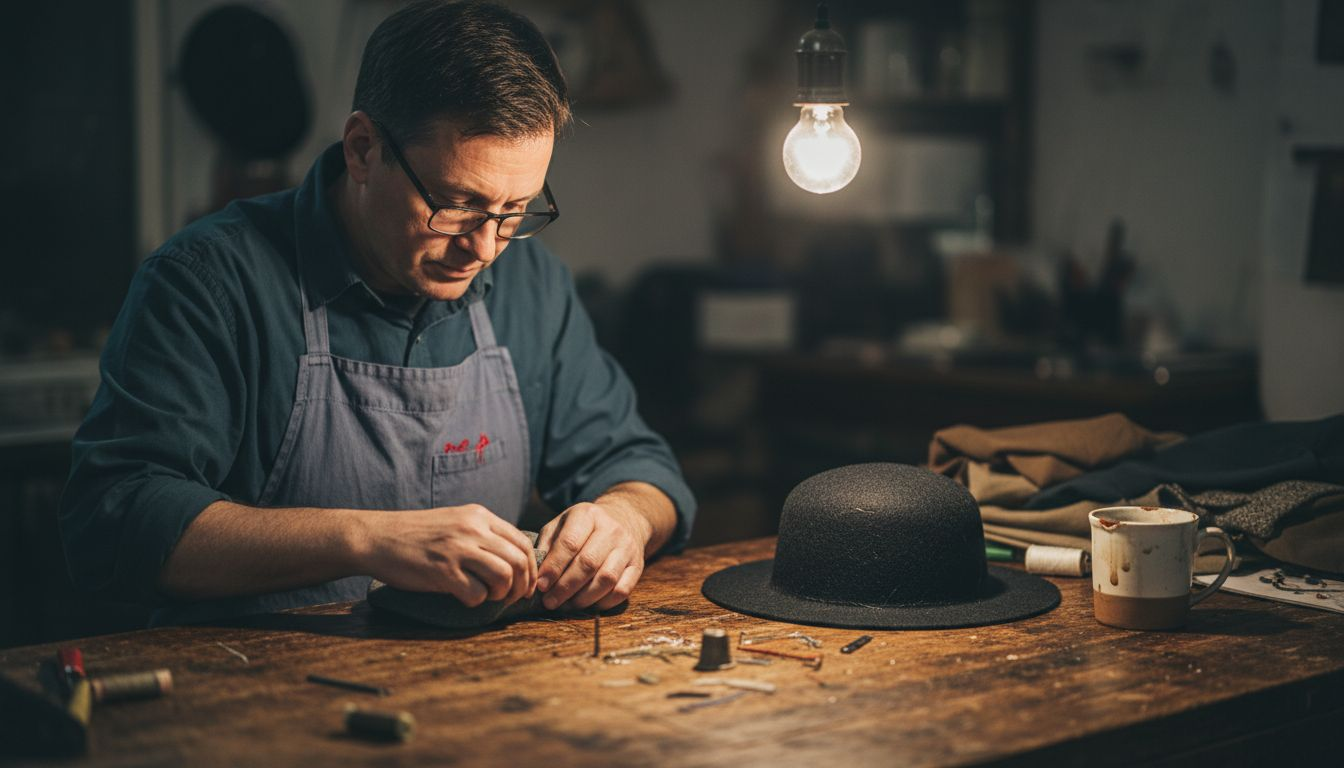
Hats, by contrast, typically have brims that encircle the entire crown, providing all-around protection from sun, rain, and wind. Hat crowns are usually rounded and can vary in height from low-profile styles to tall, dramatic shapes. This fundamental difference in brim coverage makes hats superior for comprehensive weather protection.
Material selection significantly impacts comfort and durability:
- Wool blends offer natural temperature regulation and moisture wicking for year-round wear
- Cotton provides breathability and softness, ideal for warmer months and casual styles
- Tweed delivers heritage aesthetic appeal with robust durability for outdoor activities
- Synthetic blends can enhance water resistance and easy-care properties
Flat caps occupy an interesting middle ground in headwear classification. Despite carrying “cap” in their name, flat caps are technically hats due to their fully rounded crown and all-around brim design. This distinction matters when you’re evaluating cap style differences and premium fit guides.
Pro Tip: Feel the weight and flexibility of headwear before purchasing. Quality materials should feel substantial without being heavy, and stitching should be tight and even throughout.
Comparison framework: caps vs hats
A side-by-side comparison clarifies how caps and hats serve different style and functional purposes in your wardrobe. This framework helps you understand which headwear type matches specific occasions and needs.
| Feature | Caps | Hats |
|---|---|---|
| Brim coverage | Front-facing visor only | Full brim encircling crown |
| Primary style association | Sporty, casual, urban streetwear | Heritage, formal, versatile fashion |
| Crown structure | Structured or unstructured panels | Rounded, varied heights |
| Sun protection | Frontal face and eye coverage | Comprehensive head, face, and neck coverage |
| Weather resistance | Limited to front exposure | All-around protection from elements |
| Typical closure | Adjustable snapback, strapback, or fitted | Fixed sizing with occasional adjustable bands |
Popular cap styles dominate casual and athletic contexts. Baseball caps remain the most recognizable, while snapbacks offer adjustable sizing with flat brims. Dad hats provide unstructured comfort, and trucker caps feature mesh panels for ventilation. These styles work perfectly for summer wear in New Zealand when you’re prioritizing breathability.
Hat styles span a broader range of formal and casual options:
- Fedoras and trilbys bring sophisticated style to business casual and evening wear
- Flat caps bridge heritage and contemporary fashion with versatile appeal
- Bucket hats offer casual, all-around sun protection for outdoor activities
- Beanies provide warm-weather coverage in cooler months
Cultural associations influence how people perceive different headwear. Caps lean heavily toward athletic and youth culture, connecting to sports teams and streetwear fashion movements. Hats carry more varied associations, from the working-class heritage of flat caps to the refined elegance of fedoras. Understanding these contexts helps you style caps for durable, stylish looks.
Flat caps represent 12% to 18% of premium New Zealand headwear sales, demonstrating their enduring appeal across age groups and style preferences. This popularity reflects their ability to work equally well with casual jeans or tailored trousers.
Pro Tip: Build a versatile headwear collection by selecting one classic cap style and two hat varieties that cover casual and semi-formal occasions. Explore essential hat types for fashion-forward Kiwis and classic cap examples to identify your core pieces.
Common misconceptions about caps and hats
Several persistent myths create confusion when shopping for headwear. Clearing up these misunderstandings helps you make better purchasing decisions and select pieces that truly meet your needs.
-
All headwear with “cap” in the name are caps. Flat caps defy this assumption, falling into the hat category despite their misleading name. The structural elements, particularly the all-around brim and rounded crown, determine classification rather than the product name alone.
-
Caps and hats provide equivalent sun protection. This dangerous misconception can lead to inadequate UV coverage during outdoor activities. The frontal-only coverage of caps leaves your ears, neck, and side profile exposed to harmful rays.
-
Headwear style choices don’t significantly impact function. Fashion and function intertwine in quality headwear design. A stylish hat that doesn’t fit properly or suit your activity level becomes unwearable, while a purely functional piece you find unattractive will sit unused in your closet.
-
All caps and hats serve the same basic purpose. Each headwear type evolved to address specific needs, from baseball caps shading players’ eyes to fedoras protecting against rain and sun. Recognizing these distinct purposes helps you match headwear to activities.
-
Premium pricing means you’re paying for brand names only. Quality materials, local craftsmanship, and durable construction justify higher prices for well-made headwear. Cheap alternatives often require replacement within months, while premium pieces last years.
Pro Tip: When evaluating headwear, consider the total cost of ownership. A $80 locally made hat lasting five years costs far less per wear than a $20 import requiring annual replacement. Learn how to choose the right hat for your specific needs.
Selecting the right headwear for your lifestyle and style
Your ideal headwear depends on multiple factors specific to New Zealand’s environment and your personal activities. Sun intensity varies significantly across regions, from Auckland’s subtropical climate to Canterbury’s cooler conditions. Matching brim style to your local UV exposure protects your skin while maintaining comfort.
Activity type strongly influences whether caps or hats serve you better:
- Active sports and gym workouts: Structured caps with moisture-wicking materials
- Beach days and outdoor festivals: Bucket hats or wide-brim styles for comprehensive coverage
- Urban commuting and casual outings: Snapbacks, dad hats, or flat caps for versatile style
- Hiking and tramping: Full-brim hats with chin straps for secure, all-around protection
- Business casual settings: Fedoras or trilbys that complement tailored clothing
New Zealand’s high UV levels demand serious consideration of sun protection. Full-brim hats provide approximately 40% more coverage than front-brim caps, making them essential for extended outdoor exposure. Understanding why headwear matters for UV protection in New Zealand should influence every purchase decision.
Local craftsmanship ensures your headwear withstands New Zealand’s varied conditions. Artisans familiar with coastal salt air, intense sun, and sudden weather changes select materials and construction methods proven in these environments. This specialized knowledge translates to headwear that maintains shape, color, and comfort through years of wear.
| Headwear Type | Sun Protection Rating | Best Activities | Typical Durability |
|---|---|---|---|
| Baseball caps | Moderate (frontal only) | Sports, casual urban wear | 2-4 years with quality construction |
| Bucket hats | High (all-around coverage) | Beach, hiking, outdoor events | 3-5 years |
| Fedoras | High (wide brim options) | Business casual, travel | 5-8 years with proper care |
| Flat caps | Moderate to high | Everyday wear, heritage style | 4-7 years |
| Snapbacks | Moderate (frontal only) | Streetwear, casual occasions | 2-3 years |
Pro Tip: Rotate between multiple headwear pieces rather than wearing the same cap or hat daily. This rotation extends each item’s lifespan by allowing materials to recover between wears and reducing concentrated wear patterns.
Materials, craftsmanship, and local production impact
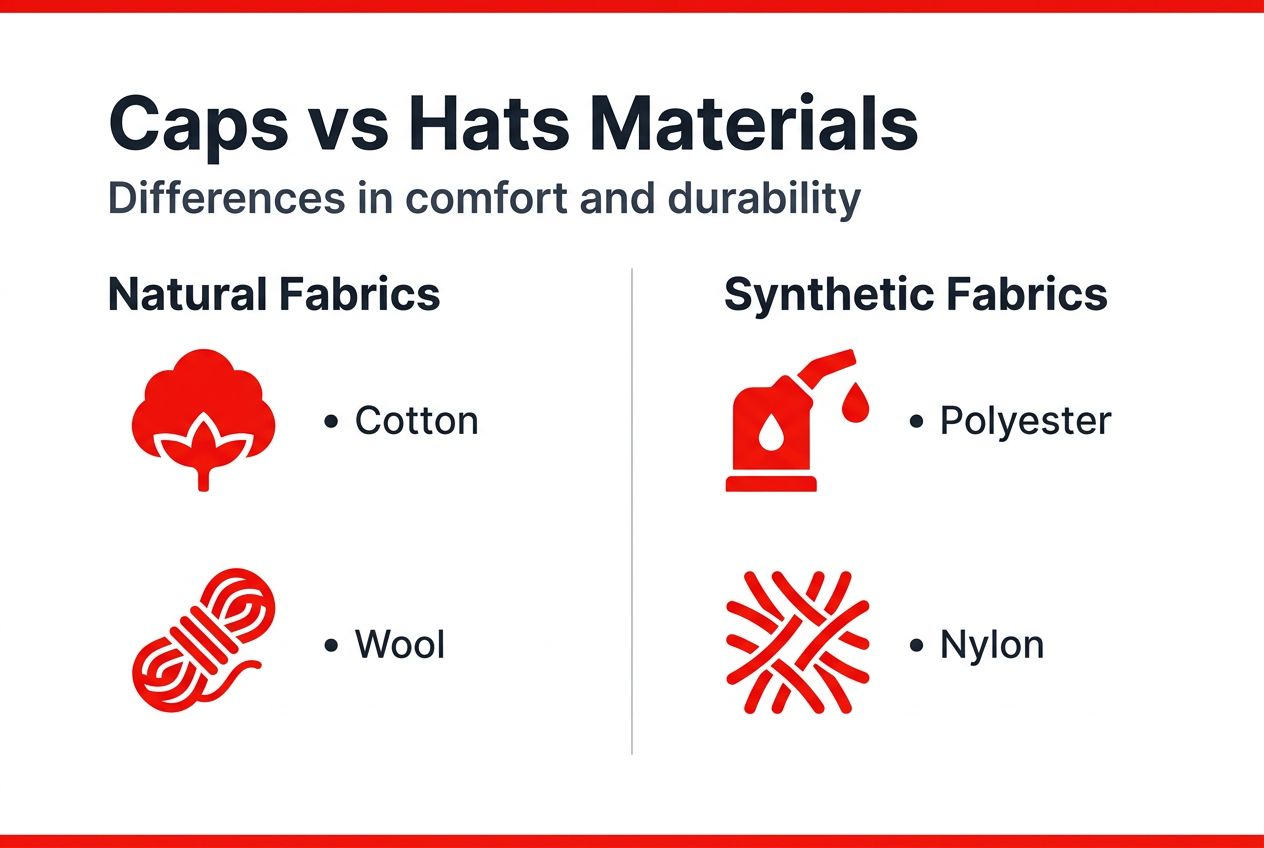
Material selection dramatically affects how your headwear performs across New Zealand’s diverse climate zones. Natural fibers like wool excel in temperature regulation, keeping you warm in cooler conditions while remaining breathable during warmer weather. Cotton offers superior softness and breathability but may lack the weather resistance needed for unpredictable conditions. Synthetic blends can enhance water repellency and easy maintenance, though they sometimes sacrifice breathability.
Local artisans apply heritage techniques passed through generations of New Zealand headwear makers. These craftspeople understand how materials behave in local conditions, from coastal humidity to alpine cold. Locally made caps and hats benefit from techniques contributing an estimated 25% longer lifespan compared to mass-produced alternatives.
Sustainable production practices distinguish quality local makers:
- Ethically sourced natural fibers reduce environmental impact
- Small-batch production minimizes waste and energy consumption
- Local supply chains cut transportation emissions
- Repair-friendly construction extends product life and reduces landfill waste
Investing in premium craftsmanship pays tangible dividends. A well-constructed hat maintains its shape through countless wears, resists fading from sun exposure, and develops character rather than looking worn out. The superior stitching, quality linings, and attention to finishing details separate exceptional headwear from disposable fashion.
“Quality headwear crafted from natural materials becomes more comfortable over time as it molds to your head shape. Mass-produced synthetic alternatives often become less comfortable with age, losing structure and developing unpleasant odors that resist washing.”
Choosing locally made headwear supports New Zealand’s manufacturing sector and preserves traditional skills that might otherwise disappear. Every purchase from local artisans strengthens the broader community and ensures these techniques pass to future generations of craftspeople.
Pro Tip: Examine the interior finishing of headwear before purchasing. Quality pieces feature clean seams, comfortable sweatbands, and proper lining attachment without loose threads or rough edges that cause discomfort.
Summary and practical recommendations
The fundamental differences between caps and hats extend far beyond simple naming conventions. Caps deliver focused frontal coverage with sporty, casual styling that suits active urban lifestyles and athletic pursuits. Their front-brim design and varied crown structures make them ideal when you prioritize breathability and contemporary streetwear aesthetics.
Hats provide comprehensive protection through full brims that shield your entire head from sun, rain, and wind. The rounded crown designs and diverse style options span from heritage flat caps to sophisticated fedoras, offering versatility across formal and casual contexts. This all-around coverage makes hats superior for extended outdoor activities and situations demanding maximum sun protection.
Your selection should align with your primary needs:
- Sun protection priority: Choose full-brim hats that deliver 40% more coverage than caps
- Athletic activities: Opt for structured caps with moisture-wicking properties and secure fits
- Style versatility: Invest in flat caps or fedoras that transition between casual and semi-formal settings
- Weather resistance: Select hats with water-repellent treatments and durable natural fibers
- Everyday wear: Consider unstructured dad hats or classic baseball caps for comfortable daily use
Prioritizing premium, locally crafted headwear ensures durability that justifies the initial investment. The combination of quality materials, heritage craftsmanship techniques, and designs proven in New Zealand conditions creates headwear that performs reliably for years. Building a curated collection of well-chosen caps and hats serves you better than accumulating numerous low-quality pieces that require frequent replacement.
Explore premium caps and hats at Urban Caps
Now that you understand the distinctions between caps and hats, explore Urban Caps’ curated collection of premium headwear designed specifically for New Zealand lifestyles. Every piece balances contemporary style with functional durability, ensuring you look great while staying protected.

Discover locally crafted options that exemplify the quality and attention to detail discussed throughout this guide. The Snapback Sport Cap delivers classic casual style with adjustable comfort, perfect for everyday urban wear. For comprehensive sun protection with distinctive pattern appeal, the Checkerboard Plaid Fisherman Hat combines fashion-forward design with practical all-around coverage. The Fisherman Summer Fedora Hat offers lightweight breathability for warm-weather outings while maintaining sophisticated style. Each piece reflects Urban Caps’ commitment to premium materials and construction methods that withstand New Zealand’s demanding conditions.
Frequently asked questions about caps and hats
What provides better sun protection: caps or hats?
Hats deliver superior sun protection through full brims that shield your entire head, face, ears, and neck from harmful UV rays. Caps offer only frontal coverage, leaving approximately 40% more skin exposed to sun damage. For extended outdoor activities in New Zealand’s high UV environment, hats provide essential comprehensive protection.
Why are flat caps classified as hats instead of caps?
Flat caps feature rounded crowns and all-around brim designs characteristic of hat construction, despite their misleading name. The structural elements determine proper classification rather than the product name. This distinction affects how flat caps function in providing coverage and how they’re styled in different contexts.
Which headwear works best for hiking and tramping in New Zealand?
Full-brim hats with secure chin straps deliver optimal performance for hiking and tramping. They provide all-around sun and weather protection while staying secure during windy conditions and vigorous movement. Look for water-resistant materials and breathable construction to handle New Zealand’s variable mountain weather.
How does local New Zealand craftsmanship improve headwear quality?
Locally made headwear benefits from artisans’ deep understanding of New Zealand’s specific climate challenges and lifestyle demands. Heritage techniques, superior material selection, and attention to finishing details contribute to approximately 25% longer product lifespan compared to mass-produced imports. This craftsmanship ensures headwear maintains shape, comfort, and appearance through years of regular use.
Do caps and hats create different style impacts in fashion contexts?
Caps project sporty, casual, and youthful energy that aligns with athletic wear and contemporary streetwear aesthetics. Hats offer broader versatility, spanning from heritage working-class flat caps to refined fedoras suitable for business casual settings. Understanding these style associations helps you select appropriate headwear for different social and professional contexts.