
Wool hat terms decoded: The NZ style guide 2026
TL;DR:
- Understanding wool hat styles, materials, and construction helps in making smarter purchase choices.
- High-quality NZ wool hats use microscopic fiber differentiation, like Merino’s micron count, for optimal performance.
- Matching hat types and features to your lifestyle ensures comfort, practicality, and style in New Zealand conditions.
Walk into any outdoor gear shop in New Zealand and you’ll hear words like beanie, toque, watch cap, and Merino thrown around as if everyone already knows what they mean. Most people don’t, and that gap costs them. You might end up with a hat that looks right but performs poorly, or pay premium prices for something that isn’t actually premium. This guide cuts through the noise. We’ll cover the major wool hat styles, the materials that matter, the construction details worth knowing, and how to match all of it to your life in New Zealand.
Table of Contents
- Defining classic wool hat styles
- Understanding premium materials: Merino, Romney, and more
- Anatomy of wool hats: Features that matter
- Choosing the right wool hat for your lifestyle
- The hidden language of wool hats: An insider’s perspective
- Upgrade your collection with premium NZ wool hats
- Frequently asked questions
Key Takeaways
| Point | Details |
|---|---|
| Know the styles | Recognizing main wool hat types helps you choose looks and features that fit your needs. |
| Merino is king | Choose Merino wool for comfort, breathability, and year-round performance in New Zealand. |
| Details matter | Features like lining, stitching, and material quality define true premium hats. |
| Match hat to lifestyle | Pick your wool hat based on activities, weather, and personal style for the best results. |
Defining classic wool hat styles
Now that we’ve confronted the confusion, let’s start by clearly defining the major wool hat styles you’ll encounter in New Zealand and globally.
The list of hat styles is longer than most people expect, but a handful of core types cover most of what you’ll find in NZ headwear stores. Knowing each one by name and function is the first step toward buying smarter.
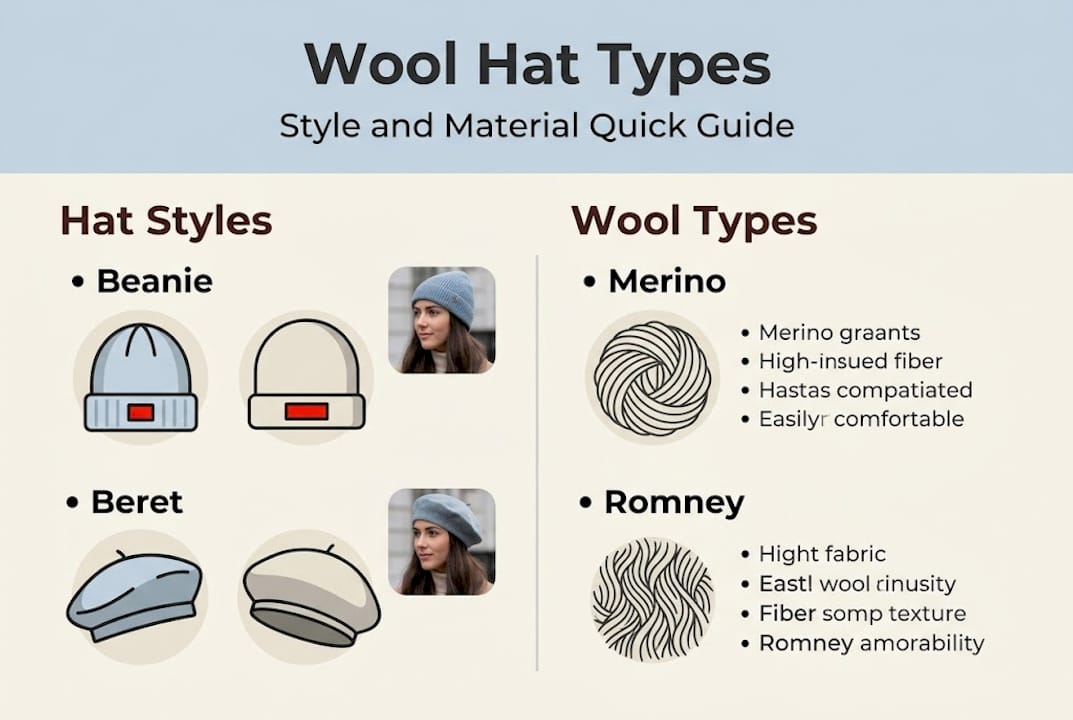
Beanie: A close-fitting, knitted cap that covers the ears. In New Zealand, “beanie” is the standard term for this style of knitted wool hat, while in Canada and parts of the US, the same hat is called a toque or tuque. Same hat, different words depending on where you grew up.
Beanies come in three main variants:
- Cuffed beanie: Has a folded brim at the bottom. Adds structure and a cleaner look.
- Slouchy beanie: Designed to sit loosely at the back of the head. More relaxed, fashion-forward feel.
- Pom-pom beanie: Features a yarn ball on top. Originally functional (sailors used them to avoid head bumps below deck), now mostly a style choice.
Watch cap: A military-style knitted cap, close-fitting and usually without a cuff. Originally worn by navy sailors, it’s snug and practical. Think of it as the no-frills cousin of the beanie.
Beret: A flat, round cap with a soft, full crown. Rooted in French and Basque culture, it sits off to one side and has a long history in both military and fashion contexts.
Flat cap / Ivy cap: A structured cap with a small stiff brim at the front. Often made from wool or tweed. Strong roots in British and Irish working-class tradition, now a staple in heritage fashion.
Bucket hat: A soft, wide-brimmed hat that slopes downward. Originally used for fishing and outdoor work. Wool versions offer warmth and weather protection.
For a deep dive into Scottish military heritage styles like the Tam O’ Shanter, which influenced many modern wool hat designs, the history goes back centuries and shows just how functional these styles originally were.
“The right hat isn’t just about keeping warm. It’s about knowing which style fits your head, your activity, and your identity.”
If you’re still figuring out sizing alongside style, a wool hat sizing guide will save you from the frustration of ordering wrong. And for real-world inspiration, check out headwear examples for Kiwis to see how these styles translate into everyday NZ looks.
| Style | Key feature | Best use |
|---|---|---|
| Beanie | Close-fit knit | Daily wear, outdoors |
| Watch cap | Military snug fit | Cold weather, active use |
| Beret | Flat, round crown | Fashion, casual |
| Flat cap | Structured brim | Heritage, city style |
| Bucket hat | Wide downward brim | Sun, rain, outdoor |
Understanding premium materials: Merino, Romney, and more
With the basic styles covered, it’s essential to understand what’s inside these hats: the wool itself.
Not all wool is equal. The fiber used in your hat determines how it feels on your skin, how it performs in rain or wind, and how long it lasts. Three types matter most for NZ buyers.
Merino wool is the gold standard. Merino is prized for its softness, breathability, and performance across temperature ranges. The fibers are fine enough to bend against your skin rather than poke it, which is why Merino doesn’t itch the way standard wool does. It also wicks moisture away from your head, regulates temperature naturally, and resists odor.
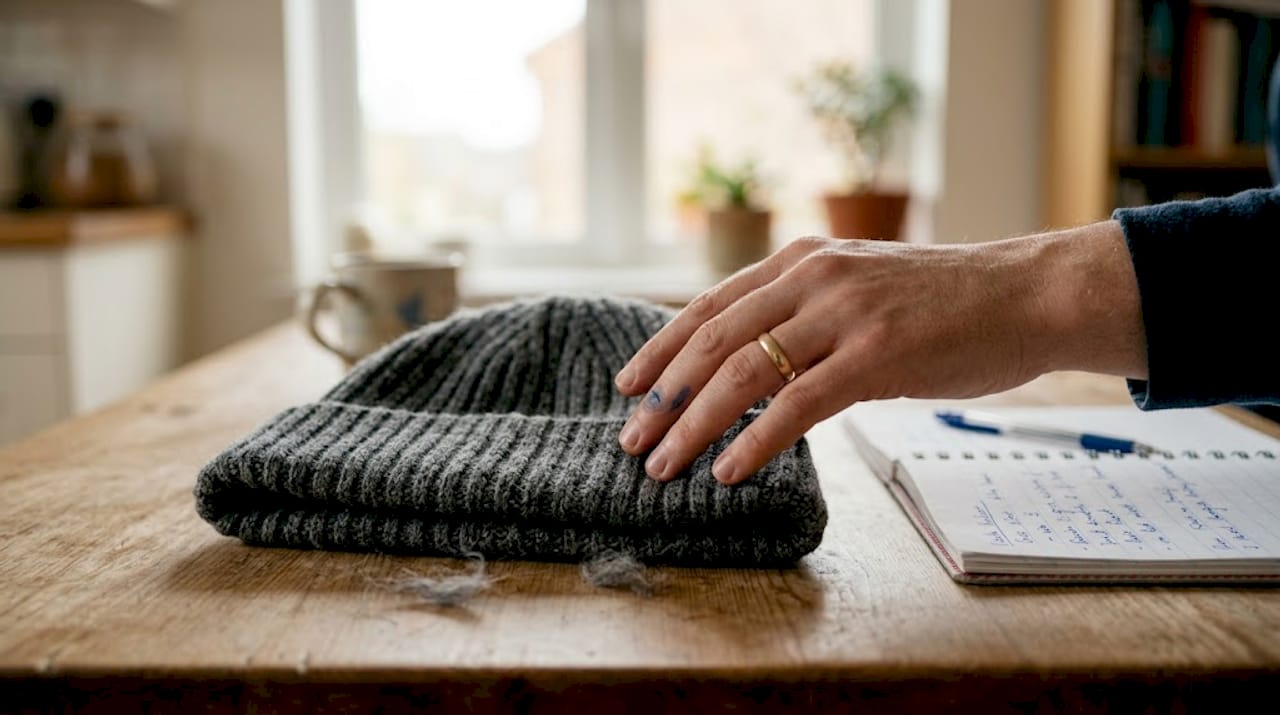
Romney wool is a traditional New Zealand breed. Romney fibers are coarser than Merino but stronger and more durable. It’s a great choice for structured hats or styles that need to hold their shape over time.
Standard wool covers everything else: crossbreeds, blended fibers, and imported wools. Quality varies widely. Some blends are excellent; others are scratchy and short-lived.
The key technical term to know is micron count. A micron is one millionth of a meter. In wool, it measures fiber diameter. Lower micron count means finer, softer wool. Merino typically runs between 15 and 24 microns. Anything under 18 microns is considered superfine and is genuinely luxurious against skin.
Another term worth knowing is lanolin, the natural wax found in wool. It gives wool its mild water-repellent quality. Hats made from minimally processed wool retain more lanolin and therefore handle light rain better.
Pro Tip: When shopping online, look for the micron count in the product description. If it’s not listed, ask. A brand that knows its materials will always have this information ready.
| Wool type | Micron range | Feel | Best for |
|---|---|---|---|
| Superfine Merino | 15 to 18 | Ultra-soft | Sensitive skin, all-day wear |
| Standard Merino | 19 to 24 | Soft | Active use, layering |
| Romney | 30 to 36 | Firm | Structured styles, durability |
| Standard wool | 28 to 40+ | Variable | Budget options, blends |
For a full breakdown of why wool beats synthetic options, see reasons to choose wool hats. And if you’re gearing up for outdoor adventures, premium headwear for outdoor use covers performance-focused picks built for NZ conditions.
Anatomy of wool hats: Features that matter
With a clear picture of materials, let’s break down what makes up a true premium wool hat beyond the fabric alone.
Even the best wool can be ruined by poor construction. Understanding hat anatomy helps you evaluate a hat before you buy, not after you’ve worn it twice and it’s already losing shape.
Here are the key feature terms you need to know:
- Crown: The top section of the hat. Can be structured (holds a firm shape) or unstructured (soft and floppy). Structured crowns use interfacing or stiffer wool; unstructured crowns are more casual and packable.
- Brim: The horizontal extension at the front or all around the hat. On flat caps, it’s short and stiff. On bucket hats, it’s wide and soft. No brim means a pure beanie or watch cap style.
- Panels: The sections sewn together to form the crown. More panels usually mean a more rounded, fitted shape. Fewer panels create a simpler silhouette.
- Lining: The inner layer. A fleece lining adds warmth without bulk. Silk or satin linings protect your hair and feel smooth against your skin. No lining is fine for lightweight hats in mild weather.
- Ribbed cuffs: The stretchy, textured band at the base of a beanie. Ribbing helps the hat grip your head and stay in place during activity.
- Stitching and seams: Flat seams sit flush against your head and reduce pressure points. Exposed seams are a sign of lower-end construction.
Handmade hats take longer to produce and often show tighter, more consistent stitching. Machine-made hats can also be high quality, but look for even tension and no loose threads. NZ-made wool caps that use 100% Merino with polar fleece linings show what genuine craftsmanship looks like at a practical level.
For a broader look at what separates good headwear from great headwear, premium headwear features covers the details worth prioritizing. And if you want a complete framework, the guide to style and quality walks through every element.
Pro Tip: Turn the hat inside out before buying. The interior tells you more about quality than the outside. Look at the seams, the lining attachment, and how the label is sewn in.
A wool blend beanie example shows how construction details like brim width and panel count change the entire character of a hat.
Choosing the right wool hat for your lifestyle
You’ve learned the types and what goes into a quality hat. Now, here’s how to pick the right one for your needs.
The best hat is the one that fits your actual life, not just your wishlist. Here’s a quick matching guide:
- Hiking and trail use: Go for a cuffed or fitted Merino beanie. It layers under a helmet, wicks sweat, and handles NZ’s unpredictable weather. Merino beanies excel in variable conditions and sit flat enough to fit under a bike or climbing helmet.
- City and daily wear: A slouchy beanie or flat cap in Merino or a wool blend gives you warmth without looking like you just came off a mountain.
- Deep winter: Look for a fleece-lined beanie with ribbed cuffs and a cuffed fold. Double-layer construction around the ears makes a real difference.
- All-day comfort: Superfine Merino (under 18 microns) is your best option. You can wear it for hours without any irritation.
- Helmet compatibility: Avoid thick pom-pom styles or structured brims. Slim, fitted beanies sit cleanly under helmets without creating pressure points.
For wool hat care, the basics are simple. Most Merino hats can be hand-washed in cold water with a gentle wool wash. Lay flat to dry, never hang (hanging stretches the shape). Store folded, not stuffed into a bag.
Pro Tip: Wool naturally resists odor, so you don’t need to wash it after every wear. Air it out between uses and wash every 5 to 10 wears unless it gets visibly dirty.
For a full style checklist tailored to NZ buyers, the NZ style checklist is worth bookmarking. And for broader context on how hats fit into NZ fashion culture, hats in NZ fashion gives a solid overview. If you want to see how a structured wool felt hat handles premium construction at the higher end of the market, it’s a useful reference point.
The hidden language of wool hats: An insider’s perspective
Most style guides tell you what to buy. We’d rather tell you why the terminology matters beyond just picking a hat off a shelf.
Here’s the uncomfortable truth: a lot of “wool” hats sold online contain as little as 20% actual wool. The rest is acrylic. Without knowing terms like micron count, lanolin retention, or fiber blend percentage, you can’t tell the difference from a product photo. You end up paying premium prices for a synthetic hat with a wool label.
Knowing that “felted” wool means the fibers have been compressed and matted together (which changes both texture and water resistance) is the kind of detail that separates a confident buyer from someone who just guesses. Felted wool is stiffer and more weather-resistant. Knitted wool is stretchier and more packable. Neither is better overall, but one might be exactly right for what you need.
The same logic applies to construction terms. A hat described as “handfinished” tells you something specific. “Machine-knit with handfinished seams” tells you something different. Both can be excellent, but they’re not the same product.
Knowing your wool hat language means you can elevate your style with real confidence, not just hope. True style isn’t about wearing the most expensive hat. It’s about knowing exactly what you’re wearing and why it works.
Upgrade your collection with premium NZ wool hats
Armed with fresh terminology and insider perspectives, you’re ready to upgrade your headwear with true confidence.
You now know the difference between a watch cap and a slouchy beanie, why micron count matters, and what to look for inside a hat before you buy it. That knowledge makes every purchase sharper. No more guessing, no more settling for something that looks fine but feels wrong after an hour.

At Urban Caps, we carry premium NZ wool hats crafted from quality materials with the construction details that actually matter. From Merino beanies built for trail use to heritage flat caps for city style, every hat in our range is chosen with Kiwi lifestyles in mind. Free shipping on all NZ orders. Proudly NZ owned and operated. Browse the full collection and find the hat that fits your life.
Frequently asked questions
What’s the difference between a beanie and a watch cap?
A beanie is a close-fitting knit cap used for daily and outdoor wear, while a watch cap is a military-style beanie with a more structured, snug fit. The key distinction is origin and construction, not just looks.
Why is Merino wool used for hats in New Zealand?
Merino wool offers superior softness, breathability, and temperature regulation, which makes it ideal for New Zealand’s variable climate. Its premium qualities include natural moisture-wicking and odor resistance that synthetic fibers can’t match.
How can I tell if a wool hat is high quality?
Look for a low micron count, even stitching, and materials like 100% NZ Merino. Well-made hats typically include a lining, flat internal seams, and clear fiber content labeling.
Can a wool hat be both stylish and suitable for outdoor activities?
Yes. Many wool hats blend fashion and function, especially Merino beanies that offer weather resistance, comfort, and versatile looks. Merino beanies are helmet-compatible and perform well across NZ’s changing conditions.