

10 benefits of wearing caps — sun, scalp and style
TL;DR:
- Wearing a cap offers quick protection against UV rays, temperature extremes, and glare while boosting confidence.
- In New Zealand, a wide-brim or legionnaire-style cap is recommended during peak UV periods to protect the face, ears, and scalp effectively.
Wearing a cap gives you fast, practical protection: UV and sun defence, temperature control, hair and scalp care, glare reduction, and a real confidence boost. Here is the short version:
- Sun and UV protection — blocks direct UV from your face, scalp and ears
- Temperature regulation — shading and breathable fabrics keep you cooler; wool keeps you warmer
- Hair and scalp protection — shields against UV fading, wind, dust and friction
- Glare reduction — a brim cuts squinting and improves visual comfort outdoors
- Sweat and performance — moisture-wicking liners manage sweat during sport and work
- Confidence and mood — enclothed cognition research links clothing choices to improved self-esteem
- Style and identity — a cap finishes an outfit and signals personality instantly
- Scalp hygiene — the right cap, worn correctly, supports rather than harms scalp health
New Zealand has some of the highest UV levels in the world. The Cancer Society of NZ recommends wearing a broad-brim hat as part of everyday sun protection whenever the UV Index reaches 3 or above, which in most NZ regions happens for a large part of the year.
Table of Contents
- 1. Caps cut your UV and sun exposure — here is what actually works in NZ
- 2. How caps help regulate your temperature in NZ conditions
- 3. Caps protect your hair and scalp from UV, wind and friction
- 4. A brim reduces glare and improves your performance outdoors
- 5. Wearing a cap can genuinely lift your confidence
- 6. How to choose the right cap for what you need
- 7. Care and hygiene: keeping your cap clean and your scalp healthy
- 8. Risks and cautions: what to watch for with daily cap wear
- 9. The evidence behind these recommendations
- Key takeaways
- Why caps are just part of everyday life for Kiwis
- Caps that are built for NZ conditions — from Urbancaps
- Sources and further reading
- FAQ
1. Caps cut your UV and sun exposure — here is what actually works in NZ
A cap reduces direct UV radiation reaching your face, scalp and ears. Not all caps do this equally, and that gap matters in New Zealand’s high-UV environment.
SunSmart NZ is clear: baseball caps and visors leave your ears and neck exposed. For real protection, you need a wide brim, a legionnaire-style flap, or a deep-crown bucket hat. A brim that is noticeably wider than a standard peaked cap gives better coverage. The five SunSmart behaviours apply whenever the UV Index hits 3 or above, which covers most of the NZ summer and spring.
Health New Zealand’s sun safety guidance also recommends clothing with a UPF rating: UPF 15–20 is good, 25–35 is very good, and 40+ is excellent. The same logic applies to cap fabric.
Quick selection checklist:
- Brim width: at least 7.5 cm (3 inches) for face and ear coverage
- Crown depth: deeper crowns shade the scalp better
- Fabric density: tightly woven or UPF-rated fabric
- Ear and neck flaps: legionnaire or bucket styles for extended outdoor time
- Pair with wrap-around sunglasses rated 100% UVA/UVB for full eye protection
Pro Tip: For beach days, choose a broad-brim or bucket hat. For gardening or trail work, a legionnaire cap with a neck flap gives the best all-round coverage without overheating.
2. How caps help regulate your temperature in NZ conditions
A cap can keep you cooler in summer and warmer in winter — the key is matching the material and construction to the conditions.

In heat, shading the scalp and face reduces radiant heat load. Mesh panels and moisture-wicking liners move sweat away from the skin, which helps your body’s natural cooling. Cotton breathes well in dry heat; linen is even lighter. For high-output activities like trail running or cycling, a visor cap removes the crown entirely, giving maximum airflow while still shading your eyes and face.
In cold weather, a wool or fleece cap traps warmth at the head, where heat loss is significant. Structured caps with a close fit and minimal ventilation suit cooler conditions better than open-mesh designs.
Material guide at a glance:
- Mesh/synthetic: best for hot, active use; wicks sweat, dries fast
- Cotton: good everyday breathability in moderate heat
- Linen/straw: lightest option for dry summer heat
- Wool: insulates in cold; also naturally moisture-managing
- Fleece: maximum warmth for winter outdoor use
Pro Tip: In humid NZ summers, avoid caps with thick foam sweatbands that trap moisture against the scalp. Choose a cap with a thin, breathable liner or a moisture-wicking band instead.
3. Caps protect your hair and scalp from UV, wind and friction
UV radiation fades hair colour, dries out the hair shaft, and can sunburn exposed scalp skin. A cap is the simplest barrier against all three.
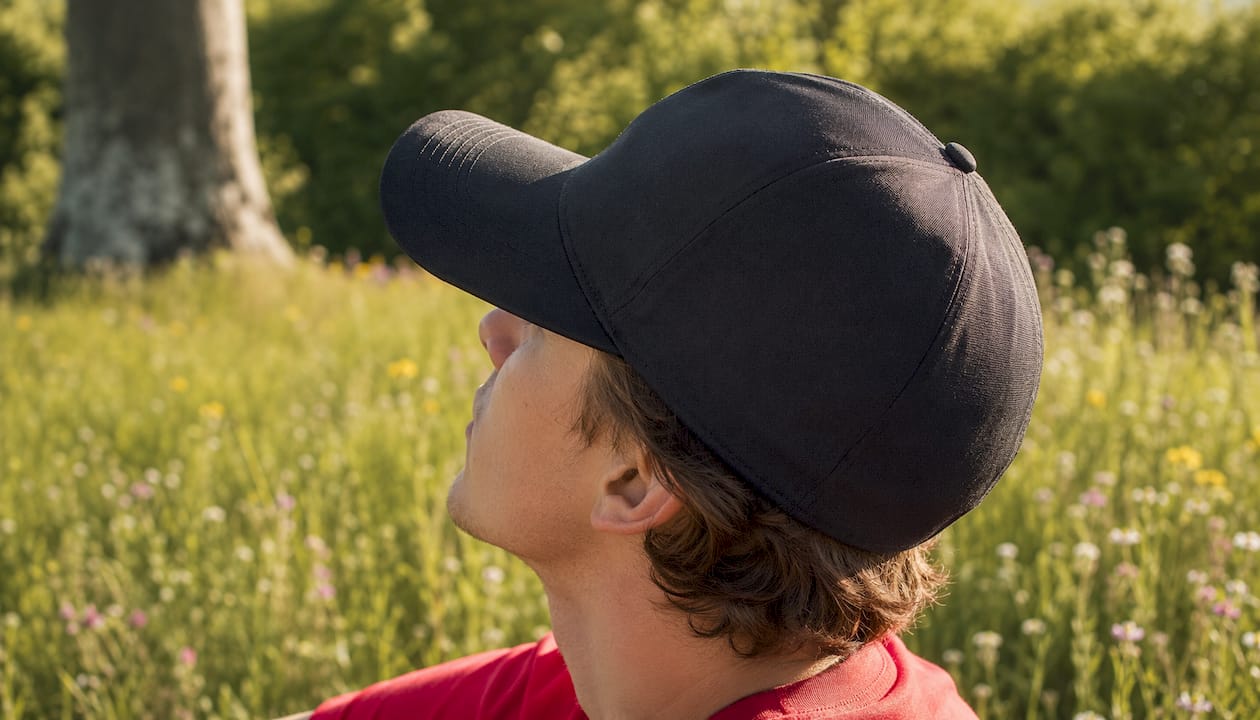
The most vulnerable areas are partings, thinning zones and bald spots. Hair provides variable protection depending on density, so these gaps can burn quickly. Scalp-friendly sunscreens in powder, spray or stick formats are a practical complement to headwear for those exposed areas a cap’s fabric might miss.
Wind and dust also cause physical damage: repeated friction roughens the hair cuticle and leads to breakage over time. A cap worn during outdoor activity reduces that mechanical wear.
Practical scalp-care habits:
- Choose a loose-fitting cap to avoid constant friction on the hairline
- Rotate your parting daily to avoid repeated UV exposure in the same spot
- Use a scalp sunscreen on partings and thinning areas even when wearing a cap
- Avoid wearing a cap over damp hair for extended periods
Pro Tip: Traction alopecia comes from chronic tension, not from wearing a cap casually. Loosen tight hairstyles before putting on a cap, and vary where the band sits on your hairline to prevent repeated friction in one spot.
4. A brim reduces glare and improves your performance outdoors
A cap’s brim cuts direct sunlight entering the eyes, reducing squinting and visual fatigue. That matters whether you are fishing, running, driving, or working outdoors.
Reduced glare means your eyes adjust less frequently between bright and shaded areas, which lowers fatigue over a long day outside. For sport, better visual comfort translates to faster reaction times and fewer errors caused by sun interference.
Activity-based recommendations:
- Running and cycling: a lightweight visor or structured peak cap keeps the brim stable and ventilation high
- Fishing and water sports: a broad-brim or bucket hat with a dark underside to the brim reduces reflected glare from water
- Driving: a low-profile structured cap with a firm peak cuts sun angle without obstructing peripheral vision
- Cricket and field sports: a wide-brim cricket hat or deep-crown cap covers ears and neck during long field sessions
Pair any cap with wrap-around sunglasses for complete eye and UV protection. The cap handles overhead sun; the glasses handle reflected and angled light.
5. Wearing a cap can genuinely lift your confidence
The psychological benefits of wearing a cap are backed by real research, not just habit.
Enclothed cognition is the term researchers use for the way clothing with symbolic meaning changes how you think and feel. Joseph K. Kim et al. (2023) found that daily dress choices that communicate belongingness or distinctiveness raise state self-esteem, supporting goal progress and social engagement. A cap is a low-effort tool to trigger that effect.
“For people managing social anxiety, wearing a hat can act as subtle social armour, reducing perceived exposure and making public settings easier to manage.” — Hat psychology: Unveiling the power of headwear
The fashion and positive psychology research also shows that clothing worn with intention can uplift mood, reinforce self-concept and boost self-esteem. A cap that fits your identity does exactly that.
Style and psychological benefits at a glance:
- Signals identity and group belonging instantly
- Finishes an outfit without effort, improving overall appearance confidence
- Reduces social anxiety by creating a sense of personal boundary
- Gives quick appearance control on low-energy days
For more on how headwear shapes self-expression, the Urbancaps guide on custom hats collection covers this well.
6. How to choose the right cap for what you need
Pick your purpose first, then work through brim, material, fit and ventilation. That order saves you from buying a cap that looks right but fails at the job.
Five decision steps:
- Define your main use — sun protection, sport, cold weather, or everyday style
- Select brim and coverage — broad-brim or legionnaire for UV; visor or peak for sport; no brim for warmth
- Pick material for your climate — mesh or cotton for NZ summer; wool or fleece for winter
- Check fit and adjustability — a velcro or snapback closure lets you fine-tune fit; structured caps hold their shape better over time
- Consider care and sustainability — cotton and wool are more biodegradable; recycled synthetics reduce environmental impact
NZ outdoors checklist:
- UPF-rated fabric or tightly woven material
- Brim of at least 7.5 cm for sun days
- Breathable sweatband or moisture-wicking liner
- Adjustable fit for layering over beanies in winter
- Packable or crushable design for travel and tramping
Pro Tip: A cap clip accessory keeps your cap secure on a backpack or bag when you are not wearing it, preventing loss and reducing brim damage from being stuffed into a pack.
For a broader look at types of headwear and how they map to occasions, Urbancaps has a practical guide worth checking.
7. Care and hygiene: keeping your cap clean and your scalp healthy
Regular cleaning and full drying are the two habits that keep a cap hygienic and protect your scalp.
Step-by-step care routine:
- Spot clean after each wear — a damp cloth removes sweat and surface dirt from the sweatband
- Hand wash weekly for daily wearers — lukewarm water with a gentle detergent; avoid hot water that distorts the brim
- Reshape while damp — place over a bowl or cap form to hold the crown shape as it dries
- Air dry fully before storing — never store a damp cap; trapped moisture encourages microbial growth
- Avoid tumble drying — heat warps structured brims and shrinks natural fibres
- Store on a hook or cap rack — keeps the brim flat and the crown round
Prolonged coverage with a damp scalp can encourage yeast and fungal overgrowth, worsening dandruff or seborrhoeic dermatitis in people who are susceptible.
Pro Tip: Rotate between two or three caps rather than wearing the same one every day. This lets each cap dry fully between wears and reduces microbiome build-up in the sweatband.
8. Risks and cautions: what to watch for with daily cap wear
Wearing caps is low-risk for most people, but a few specific habits raise real concerns.
Tightness is the main one. Cleveland Clinic guidance confirms that hats themselves do not cause hair loss unless they create constant tension or friction. Traction alopecia comes from chronic pulling, not casual wear. Tight bands, combined with tight hairstyles underneath, are the mechanism to avoid.
“If daily head coverings are required, consult a dermatologist for personalised care — especially if you notice persistent scalp irritation, flaking or hair shedding.” — Cleveland Clinic
Warning signs to watch for:
- Red marks or indentations on the scalp or hairline after removing a cap
- Persistent itch, flaking or tenderness under a cap
- Increased hair shedding after starting daily cap wear
- Skin lesions, sores or unusual spots on the scalp
See a clinician or trichologist if you notice persistent scalp inflammation, sudden hair shedding, or any skin change under a hat that does not resolve within a week or two. These are not normal responses to wearing a well-fitted cap.
9. The evidence behind these recommendations
These are the key sources that back the claims in this article.
| Source | What it covers | Why it matters |
|---|---|---|
| SunSmart NZ | Brim depth, hat styles and UVI thresholds for NZ | Primary NZ public health guidance on hat selection |
| Cancer Society NZ | SunSmart policy, sunscreen, broad-brim hats | NZ-specific skin cancer prevention recommendations |
| Health New Zealand | UPF ratings, sun-protective clothing guidance | Official NZ government sun safety standards |
| Cleveland Clinic | Hats, hair loss, traction alopecia, scalp hygiene | Clinical dermatology guidance on safe hat wear |
| Kim et al. via Psychology Today | Dress, state self-esteem and enclothed cognition | Research basis for psychological and confidence benefits |
| Scalp sunscreen guidance | Scalp UV protection, sunscreen formats for partings | Practical supplement to hat wear for exposed scalp areas |
“Clinicians recommend loose-fitting headwear and full drying of the scalp before covering to reduce the risk of fungal overgrowth and inflammation; material choice and rotation of caps also reduce problem build-up.” — Cleveland Clinic
Clinical tip: Dry your scalp fully before putting on a cap, choose breathable fabrics, and rotate between caps daily. These three habits prevent the vast majority of scalp issues associated with regular hat wear.
Key takeaways
Wearing a cap in New Zealand is one of the simplest, most practical steps you can take for sun protection, scalp health and everyday confidence.
| Point | Details |
|---|---|
| Choose the right brim for NZ sun | A brim of at least 7.5 cm or a legionnaire flap gives real UV protection; baseball caps leave ears and neck exposed. |
| Pair with sunscreen and sunglasses | A cap alone does not cover partings or reflected glare; add scalp sunscreen and wrap-around sunglasses for full protection. |
| Dry fully before storing | Storing a damp cap encourages fungal overgrowth; air dry completely and rotate between caps to keep the sweatband clean. |
| Loose fit prevents scalp damage | Tight bands combined with tight hairstyles cause traction alopecia; choose an adjustable, loose-fitting cap. |
| Urbancaps for NZ-ready options | The Urbancaps Impact Cap and Visor Cap are structured, adjustable options suited to NZ outdoor conditions, with fast local delivery. |
Why caps are just part of everyday life for Kiwis
New Zealand’s outdoor culture makes a cap less of a fashion choice and more of a daily necessity. The UV Index here climbs fast, the lifestyle is active, and most Kiwis spend real time outside, whether that is at the beach, on the tools, or watching sport on a Saturday afternoon.
What strikes me about the benefits of wearing caps is how much they stack. You are not just protecting your skin; you are managing comfort, reducing eye strain, and, if the research on enclothed cognition holds up in everyday life, giving yourself a quiet confidence boost in the process. Urbancaps sits in that space well: practical headwear made for people who actually use it, not just wear it for a photo. The style and function guide on the Urbancaps site is worth a read if you want to go deeper on materials and construction.
Caps that are built for NZ conditions — from Urbancaps
Urbancaps stocks durable, sun-smart caps designed for the way Kiwis actually live: outdoors, active, and not fussing over their gear.
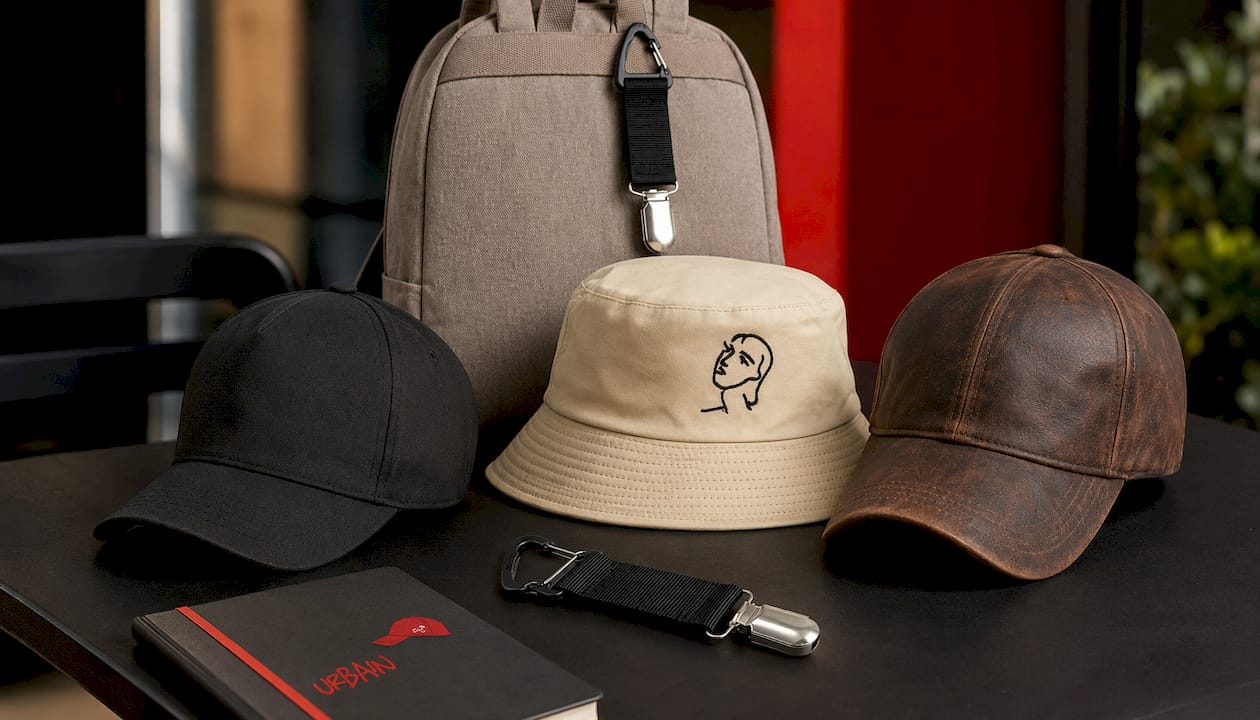
The Impact Cap is a structured 5-panel cap with a pre-curved peak and adjustable velcro fit — practical for daily sun protection and comfortable enough for all-day wear. The Visor Cap suits runners, cyclists and anyone who needs maximum airflow with front-of-face shading. Travelling? The cap clip accessory keeps your cap secure on a bag or backpack without crushing the brim. Free shipping on all NZ orders. Browse the full range at urbancaps.co.nz and find the right cap for your needs today.
Sources and further reading
Key sources used in this article, listed for readers who want to follow up.
| Source | What it covers |
|---|---|
| SunSmart NZ — Slap on a Hat | NZ-specific hat style and brim guidance for UV protection |
| Cancer Society NZ — Skin Cancer Prevention | SunSmart policy, sunscreen and hat recommendations for NZ |
| Health New Zealand — Sun Smart | UPF clothing ratings and official NZ sun safety guidance |
| Cleveland Clinic — Hats and Hair Loss | Clinical guidance on traction alopecia, scalp hygiene and safe hat wear |
| Psychology Today — How What You Wear Can Determine How You Feel | Kim et al. (2023) on dress, state self-esteem and enclothed cognition |
| Scalp UV Protection Guide | Scalp sunscreen formats and supplemental protection for partings |
| Neurolaunch — Psychology of Wearing Hats | Enclothed cognition, social armour and confidence effects of headwear |
| Fashion and Positive Psychology Study | Qualitative research on clothing, mood, self-concept and wellbeing |
FAQ
Is wearing a cap good for your health?
Yes. A well-fitted cap reduces UV exposure to the face, scalp and ears, which lowers the risk of sunburn and long-term skin damage. Paired with sunscreen and sunglasses, it forms a practical part of everyday sun protection in New Zealand.
Is it okay to wear a cap every day?
Daily cap wear is fine for most people, provided the cap fits loosely, the scalp is dry before covering, and you rotate between caps to allow full drying. Cleveland Clinic guidance confirms that hats do not cause hair loss unless they create constant tension or friction.
Why is wearing a cap important in New Zealand?
New Zealand’s UV Index regularly reaches 3 or above for much of the year, and the Cancer Society NZ recommends a broad-brim hat as part of everyday sun protection at that threshold. Baseball caps alone are insufficient; a wide brim or legionnaire flap is needed for real ear and neck coverage.
What is the psychology behind wearing a hat?
Research on enclothed cognition shows that clothing with personal or symbolic meaning can improve state self-esteem and reduce social anxiety. Joseph K. Kim et al. (2023) found that daily dress choices that signal belongingness or distinctiveness support goal progress and social engagement, and a cap is one of the simplest ways to trigger that effect.