

Hat care checklist: clean, dry and store your hats right
Your hat care checklist, at a glance:
- Spot-treat any stains before they set — blot, don’t rub.
- Brush off dust and lint with a soft hat brush or lint roller.
- Air out your hat in a ventilated spot after each wear.
- Reshape the crown and brim while the hat is still slightly damp.
- Store crown-up in a hat box or on a hat form, away from direct sunlight.
Pro Tip: Always check the care label before using any cleaning product — and test on a hidden area first. Machine washing a structured hat even once can permanently warp the brim.
Never machine wash a structured hat. Avoid soaking felt, wool, or straw. These two rules alone will save most hats from irreversible damage.
Key takeaways
Proper hat care comes down to three habits: spot-treat stains early, dry and reshape correctly, and store clean hats crown-up in breathable containers away from heat and moisture.
| Point | Details |
|---|---|
| Spot-test before treating | Always test any cleaner on a hidden area first to avoid colour damage or fabric harm. |
| Match method to material | Felt and wool need brushing and steam; canvas and cotton handle hand washing; leather needs conditioning. |
| Dry and reshape while damp | Reshape the crown and brim immediately after cleaning, before the hat sets in the wrong position. |
| Store correctly | Use hat boxes or breathable bags with silica gel; never store damp or in plastic bags. |
| Urbancaps care resources | Urbancaps publishes material-specific care guides and product care tags to help you maintain every hat in its range. |
A note from Urbancaps
Hat construction matters more than most people realise. A wool felt fedora, a woven straw boater, and a structured cotton baseball cap each behave completely differently when wet, stored, or reshaped — and treating them all the same way is where most hat damage starts. Material-specific care isn’t complicated once you know what you’re working with, and the steps above cover every type we stock. If you’re ever unsure about a specific Urbancaps product, check the care tag first, then reach out to us directly for guidance.
Table of Contents
- What tools do you need for a proper hat care kit?
- How do you clean different hat materials step by step?
- How do you remove sweat, oil, ink and mould from a hat?
- How should you dry, reshape and store your hats?
- How do you sanitise a hat that can’t be washed?
- What mistakes shorten a hat’s life, and how often should you clean it?
- Practical NZ tips from Urbancaps
- Urbancaps has the hats worth caring for
- Sources
- FAQ
What tools do you need for a proper hat care kit?
You don’t need much, but the right tools make a real difference. Here’s what to keep on hand:
- Soft hat brush — lifts dust and preserves the nap on felt and wool without scratching the surface.
- Suede brush or eraser — gently lifts scuffs and dry marks from suede and nubuck without water.
- Lint roller — quick fix for fabric hats, beanies, and canvas caps between deeper cleans.
- Soft sponge or microfibre cloth — for damp spot-cleaning without saturating the material.
- Mild detergent or wool-safe cleaner — look for pH-neutral, fragrance-free formulas. Brands like Eucalan or Soak are available at NZ craft stores and online.
- White vinegar and baking soda — household staples for sweat stains and odour control.
- Hat form, rounded support, or tissue stuffing — keeps the crown from collapsing during drying and storage.
- Hat box or breathable fabric bag — protects shape and keeps dust off during long-term storage.
- Silica gel packets — absorbs moisture in storage boxes, particularly useful in coastal NZ homes.
In New Zealand, most of these are available at Spotlight, Mitre 10, or through online retailers like The Warehouse. Specialist hat care products are also stocked at dedicated hat shops in Auckland and Wellington.
Pro Tip: Pack a travel kit with a mini lint roller, a small microfibre cloth, and a silica gel sachet when heading to festivals or outdoor events. Hats take a beating at outdoor events — a quick post-event refresh keeps them looking sharp.
How do you clean different hat materials step by step?
The material determines everything. The wrong method on the wrong fabric causes shrinkage, warping, and colour loss. Here’s what each material needs.
Felt and wool
Felt and wool hats need brushing and spot-cleaning. Avoid soaking — submerging wool or felt can distort the shape and cause shrinkage.
- Brush with a soft hat brush, following the nap (usually counter-clockwise on a felt hat).
- Use a lint roller for stubborn fibres.
- Spot-clean marks with a barely damp microfibre cloth and a tiny amount of wool-safe cleaner.
- For reshaping, hold the hat over gentle steam from a kettle or hand steamer — keep it moving, don’t saturate.
- Reshape the brim and crown by hand while warm, then place on a hat form to dry.
- Deep-clean seasonally, or after heavy rain exposure.
Urbancaps’s wool hat care guide covers these steps in detail for its wool range.
Straw
Straw hats are fragile when wet. Spot-clean only, working with the weave using a soft cloth or soft toothbrush and very dilute detergent — never saturate the material, which warps the weave permanently.
- Wipe surface dust off with a dry soft cloth.
- Mix a few drops of mild detergent in cool water.
- Dip a soft toothbrush lightly and scrub gently along the weave.
- Blot dry immediately with a clean cloth.
- Air dry flat, away from direct sun, which bleaches and brittles the straw.
- Reshape gently by hand while slightly damp.
Leather and suede
Leather hats should be wiped with a lightly damp cloth and treated with a leather conditioner — never soaked, never exposed to harsh detergents.
- Wipe off surface dust with a dry microfibre cloth.
- For marks, use a barely damp cloth with a leather-specific cleaner.
- For suede, use a suede brush or eraser on dry marks only — never use water directly.
- Condition leather hats every few months with a product like Leather Honey or a lanolin-based conditioner.
- Store away from heat and humidity, which cracks leather over time.
- Never use a hair dryer to speed up drying.
Canvas and cotton
Canvas and cotton hats handle careful hand washing well. Reshape while damp and air dry on a rounded form.
- Fill a basin with cool water and a small amount of mild detergent.
- Submerge and gently agitate — no scrubbing or wringing.
- Rinse thoroughly until water runs clear.
- Press out excess water gently with a towel — never wring.
- Reshape the crown and brim while damp.
- Air dry on a hat form or a rounded object like an upturned bowl.
Structured caps (baseball caps)
Structured caps have a stiff internal brim and sewn-in crown support. Machine washing collapses both.
- Spot-clean the sweatband with a damp cloth and mild detergent.
- For the outer panels, use a soft sponge with diluted detergent.
- Rinse with a damp cloth — no submerging.
- Stuff the crown with a clean towel or use a cap form to hold shape while drying.
- Air dry only. Never use a dryer or dishwasher.
The Fedora Hat Jazz Style Fedoras Hat is a good example of a structured brimmed hat that needs this kind of careful brim and crown handling.
Knit beanies
Beanies are the most forgiving, but they still need care to avoid stretching. Urbancaps’s beanie cleaning guide walks through the full process.
- Hand wash in cool water with a wool-safe or gentle detergent.
- Gently squeeze — never wring or twist.
- Press flat between two towels to remove excess water.
- Dry flat on a clean surface, reshaping as needed.
- Avoid hanging to dry, which stretches the knit out of shape.
Do vs. don’t across all materials
| Action | Do | Don’t |
|---|---|---|
| Cleaning method | Gentle spot-clean or hand wash | Machine wash structured hats |
| Drying | Air dry on a hat form | Tumble dry or use a hair dryer |
| Reshaping | Steam and reshape by hand while damp | Force a dry hat back into shape |
| Storage | Crown-up in a hat box or breathable bag | Stack hats or hang by the brim |
| Stain treatment | Blot with a clean cloth | Rub stains, which spreads them |
| Detergent | Mild, pH-neutral, wool-safe | Bleach or harsh household cleaners |
Pro Tip: The Steampunk Hat Gear Punk Rivet Hat Gothic Glasses Magic Hat Fedoras Hat has metal rivets and decorative trims — clean around these with a barely damp cloth and dry immediately to prevent rust or tarnish on the hardware.
How do you remove sweat, oil, ink and mould from a hat?
The default rule: spot-test first, blot rather than rub, and use the mildest effective cleaner. Most stains respond well to this approach before you reach for anything stronger.
Sweat stains
- Mix equal parts white vinegar and cool water.
- Dip a clean cloth and blot the stained area — don’t scrub.
- For heavier build-up, make a paste of baking soda and water, apply, leave for 15 minutes, then brush off gently.
- Wipe clean with a damp cloth and air dry.
- Test the vinegar mix on a hidden area first — this combination works well for sweat stains and odour control but can affect some dyes.
Oil and grease
- Sprinkle cornstarch or talcum powder directly onto the stain.
- Leave for at least 30 minutes to absorb the oil.
- Brush off gently with a soft brush.
- If residue remains, dab with a cloth lightly moistened with a small amount of dish soap.
- Blot clean and air dry. Avoid rubbing, which pushes oil deeper into the fibres.
Ink
- Act fast — fresh ink is far easier to lift.
- Test isopropyl alcohol (rubbing alcohol) on a hidden area for colourfastness.
- Dab a cotton bud lightly dipped in isopropyl alcohol onto the ink mark.
- Blot with a clean cloth as the ink lifts — work from the outside of the mark inward.
- Rinse with a barely damp cloth and air dry.
- Do not use isopropyl alcohol on delicate trims, suede, or leather.
Mould and mildew
- Take the hat outside to avoid spreading spores indoors.
- Brush off dry mould with a soft brush.
- Mix one part white vinegar with one part water and dab onto the affected area.
- Leave for 10 minutes, then blot clean.
- For white or light-coloured hats only, a very dilute hydrogen peroxide solution can be used cautiously — test first.
- Air dry fully in a ventilated spot before storing.
When to stop and call a professional:
- The stain has not shifted after two attempts.
- The hat is a structured felt or leather piece soaked through.
- Mould covers more than a small patch or has penetrated the lining.
- The sweatband is heavily discoloured and the odour persists after treatment.
How should you dry, reshape and store your hats?
Air dry away from direct heat. Reshape while the hat is still damp. These two rules cover most situations.
For structured hats, stuff the crown with a clean towel or use a rounded hat form immediately after cleaning. This holds the shape while the fibres dry in position. A rounded object like an upturned bowl works in a pinch. Retailers and specialist hat shops recommend lightweight, rounded hat supports or tissue stuffing to preserve crown shape, particularly when travelling.
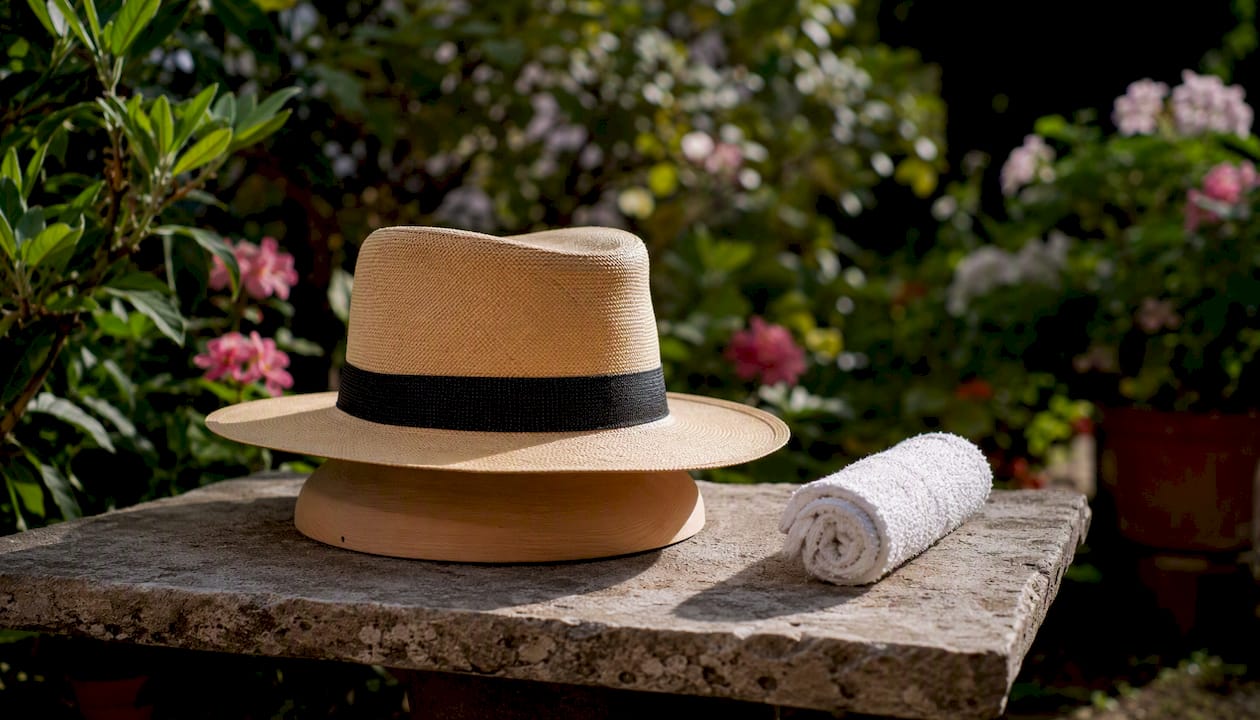
For unstructured hats like beanies and soft caps, dry flat on a clean surface. Hanging them stretches the knit or fabric unevenly.
Long-term storage:
- Store hats clean and fully dry in hat boxes or breathable fabric bags — plastic bags trap moisture and cause mould.
- Place silica gel packets inside the box to manage humidity, especially in coastal NZ homes.
- Keep boxes away from direct sunlight, which fades colours and dries out leather and straw.
- Check stored hats every few months for mould, pest damage, or shape loss.
- Stack hats crown-up, never brim-down, which flattens and distorts the brim over time.
Travel and short-term storage:
- Pack hats crown-down in a bag with soft clothing surrounding the brim for protection.
- Use a rigid hat box or a dedicated hat travel case for structured fedoras and dress hats.
- Avoid leaving hats in a hot car — heat warps brims and dries out leather quickly.
- Never store a damp hat in a bag or box. Always air it out first.
For NZ-specific weatherproofing advice, Urbancaps’s weatherproof hat maintenance guide covers treated and water-resistant hats in detail.
How do you sanitise a hat that can’t be washed?
For structured hats, leather, suede, and vintage pieces, full washing isn’t an option. The fastest safe approach: air it out, apply steam carefully, and spot-disinfect where needed.
- Air the hat out in a well-ventilated spot for several hours, ideally outdoors in the shade. Fresh air alone removes a surprising amount of odour.
- Steam refresh — hold the hat 15–20 cm from a kettle spout or hand steamer. Keep the hat moving and don’t let moisture build up on the surface. Steam revives felt and wool without soaking the material and kills surface bacteria effectively.
- Spot-disinfect the sweatband with a cloth lightly dampened with diluted isopropyl alcohol (70% concentration). Wipe the interior band only — avoid decorative trims, leather, and suede, where alcohol can strip finish or cause discolouration.
- Scent removal with baking soda — place the hat in a breathable bag with an open container of baking soda overnight. This is the safest method for all materials, including leather and vintage pieces.
- Test before you treat — always dab any product on a hidden area and wait 10 minutes before proceeding.
Avoid direct sunlight as a sanitising method for coloured hats or leather. UV exposure fades dyes and dries out natural materials. Brief sun exposure on a white or natural straw hat is fine; anything longer risks damage.
If deep odours persist after two rounds of airing and steam, or if mould has penetrated the lining, a professional hat cleaner is the right next step.
What mistakes shorten a hat’s life, and how often should you clean it?
Top five mistakes to avoid:
- Machine washing structured hats — the agitation and heat collapse the internal brim support and distort the crown permanently.
- Wringing a wet hat — twisting forces fibres out of alignment and breaks the internal structure of felt and straw.
- Storing a damp hat — moisture trapped inside a box or bag causes mould within days, particularly in NZ’s humid coastal regions.
- Using harsh detergents — bleach and strong household cleaners strip colour, damage fibres, and leave residue that attracts more dirt.
- Hanging by a narrow hook — a hook through the crown or brim creates a permanent pressure point that deforms the hat’s shape over time.
Simple maintenance schedule:
- After every wear: brush off dust, air out for 30 minutes before storing.
- Monthly: check the sweatband for build-up, spot-clean any marks, inspect seams and trims.
- Seasonally: deep-clean using the material-appropriate method above, apply leather conditioner or waterproofing spray where relevant, and check stored hats for mould or pest damage.
Red-flag signs that need professional attention: a brim that won’t hold its shape after steaming, persistent stains after two home treatments, a torn or heavily soiled sweatband, or mould that covers more than a small area.
Practical NZ tips from Urbancaps
Three quick checks every Kiwi hat owner should do:
- After rainy days: inspect the sweatband for moisture and air the hat out fully before storing. NZ rain carries salt near the coast, which accelerates sweatband deterioration.
- Coastal homes: place silica gel packets in every hat box. Replace them every three to four months — once they’re saturated, they stop working.
- Summer storage: avoid attic storage between November and March. Attic temperatures in NZ summers regularly exceed 40°C, which warps brims, dries out leather, and degrades adhesives in structured caps.
For hat care supplies in NZ, Spotlight and Mitre 10 stock most basics. Specialist leather conditioners and wool-safe cleaners are available through hat retailers and online. Urbancaps’s hat care blog covers brand-specific guidance for its full range, including care notes for wool, leather, and weatherproof styles.
After heavy use, run through these quick checks on any Urbancaps hat: inspect the trims and rivets for tarnish or loosening, check the sweatband for staining, and confirm the brim holds its intended shape. Care tags on Urbancaps products specify the recommended cleaning method for that exact material — always check the tag before trying anything new.
Pro Tip: To restore a flattened brim safely, apply gentle steam and reshape by hand, then hold the brim in position with a rolled towel underneath while it dries. Never force a cold, dry brim — felt and straw crack under pressure.
Urbancaps has the hats worth caring for
You’ve got the care routine sorted. Now make sure the hat is worth it.
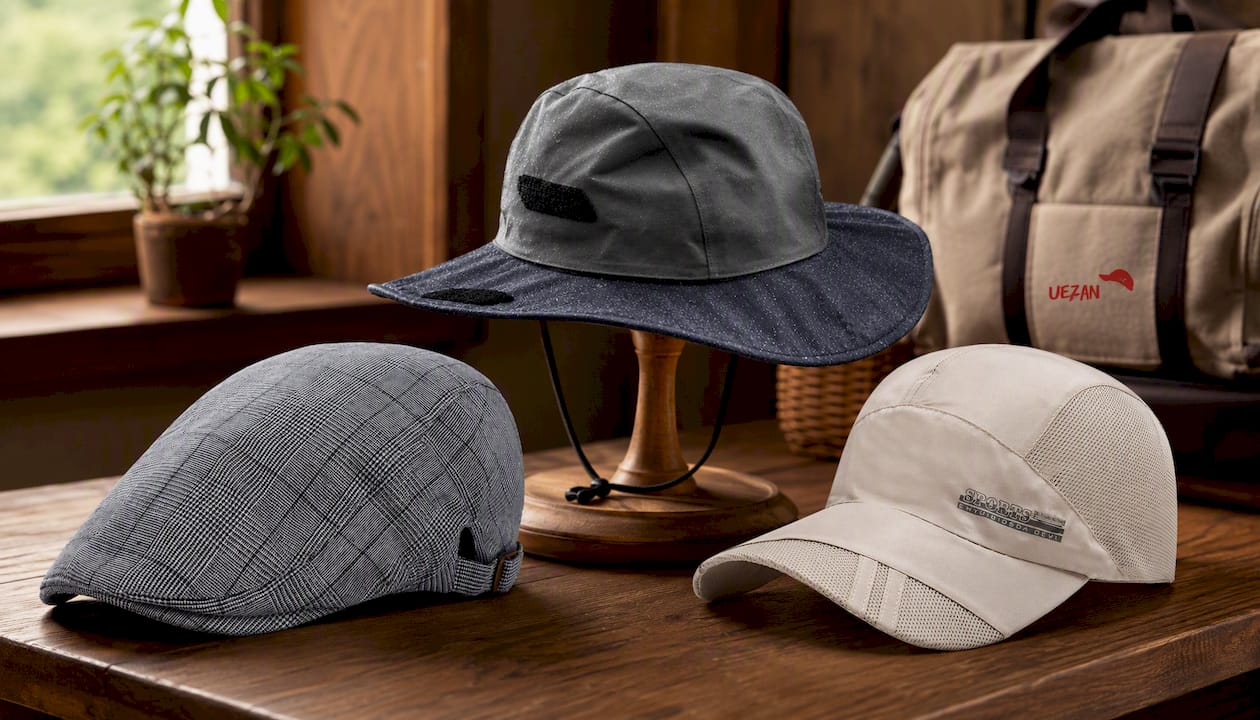
Urbancaps is a proudly NZ-owned headwear retailer stocking premium fedoras, caps, beanies, leather hats, and more — built for Kiwi conditions and backed by fast NZ delivery. Every hat in the range comes with material-specific care guidance, so you know exactly how to keep it looking sharp from day one. Whether you’re after a structured Jazz Style Fedora for everyday wear or a statement piece like the Steampunk Gear Punk Rivet Hat for special occasions, the full range is available now at Urbancaps. Browse the collection and find your next hat today.
Sources
- How to Clean a Hat - Buckets, Beanies, Caps, and More
FAQ
How do you properly care for a hat?
Brush or lint-roll after each wear, spot-treat stains before they set, and store the hat crown-up in a breathable hat box away from heat and moisture. Match your cleaning method to the material — felt and wool need brushing and steam, while canvas and cotton can handle gentle hand washing.
What are the most common hat-washing mistakes?
Machine washing structured hats and wringing wet hats are the two most damaging mistakes. Both collapse the internal brim support and distort the crown in ways that are very difficult to reverse at home.
How do you sanitise a hat without washing it?
Air the hat out in a ventilated spot, then use gentle steam from a kettle or hand steamer to refresh the fabric and kill surface bacteria. For the sweatband, wipe with a cloth lightly dampened with diluted isopropyl alcohol, and use baking soda overnight in a breathable bag to remove odours safely.
How do you care for a Barmah-style leather or felt hat?
Wipe leather with a barely damp cloth and apply a lanolin-based or leather-specific conditioner every few months — never soak it. For felt, brush regularly with a soft hat brush following the nap, spot-clean with minimal water, and reshape using steam. Urbancaps’s hat care guide covers both leather and felt handling in detail.