

Prevent hat hair: hat features every shopper needs
The best way to prevent hat hair is to choose a hat with a relaxed crown fit, a breathable shell fabric, and a smooth satin or silk lining. These three features work together because they stop compression at the roots, reduce friction against the hair shaft, and let air circulate so sweat doesn’t weigh hair down.
Quick checklist for shoppers:
- Fit: Crown sits above the hair, not pressed against it. Band adjusts without pinching.
- Shell fabric: Cotton, linen, straw, or bamboo over dense wool or leather for everyday wear.
- Lining: Satin or silk sewn-in band or removable liner to cut friction and static.
Urbancaps stocks hats built around all three of these features, with product pages that list crown depth, shell material, and lining type so you can check before you buy.
Pro Tip: Look for “adjustable” or “inner band” in the product description. Those two words usually signal a hat designed with fit comfort in mind.
Key takeaways
The most reliable way to prevent hat hair is to choose a hat with a relaxed crown, a breathable shell fabric, and a satin or silk interior lining, then keep it clean so oils and sweat don’t transfer back to your hair.
| Point | Details |
|---|---|
| Fit is the first priority | Crown should sit above hair with room to spare; band should not leave red marks. |
| Shell fabric affects speed of flattening | Cotton, linen, and straw flatten hair slower than dense wool or leather. |
| Satin or silk linings cut friction | A smooth interior lining reduces static and stops hair catching on the hat. |
| Clean hats regularly | Spot-clean sweatbands weekly; full clean every 4–6 weeks to stop oil transfer. |
| Urbancaps range covers the checklist | Models like the Panama Fedora and Summer Travel Hat meet fit, fabric, and lining criteria. |
Table of Contents
- How does fit and crown shape prevent hat hair?
- Which shell fabrics and linings reduce crush and friction?
- How should a hat fit to avoid flattening your hair?
- Which hat styles are least likely to cause hat hair?
- How do you care for hats to keep them hair-friendly?
- When can tight hats harm your hair?
- Urbancaps hats that help you avoid hat hair
- Design features that specifically reduce hair creasing
- How to accessorise hats for extra hair protection
- Why Urbancaps builds hats with these features in mind
- Urbancaps models that meet the hat hair checklist
- Sources
- FAQ
How does fit and crown shape prevent hat hair?
The single biggest cause of hat hair is compression. When a hat sits tight against the scalp, it presses hair flat at the roots and leaves a crease line at the band. A hat with a deeper, more relaxed crown creates an air gap between the top of your head and the hat’s interior, so hair keeps its natural shape.
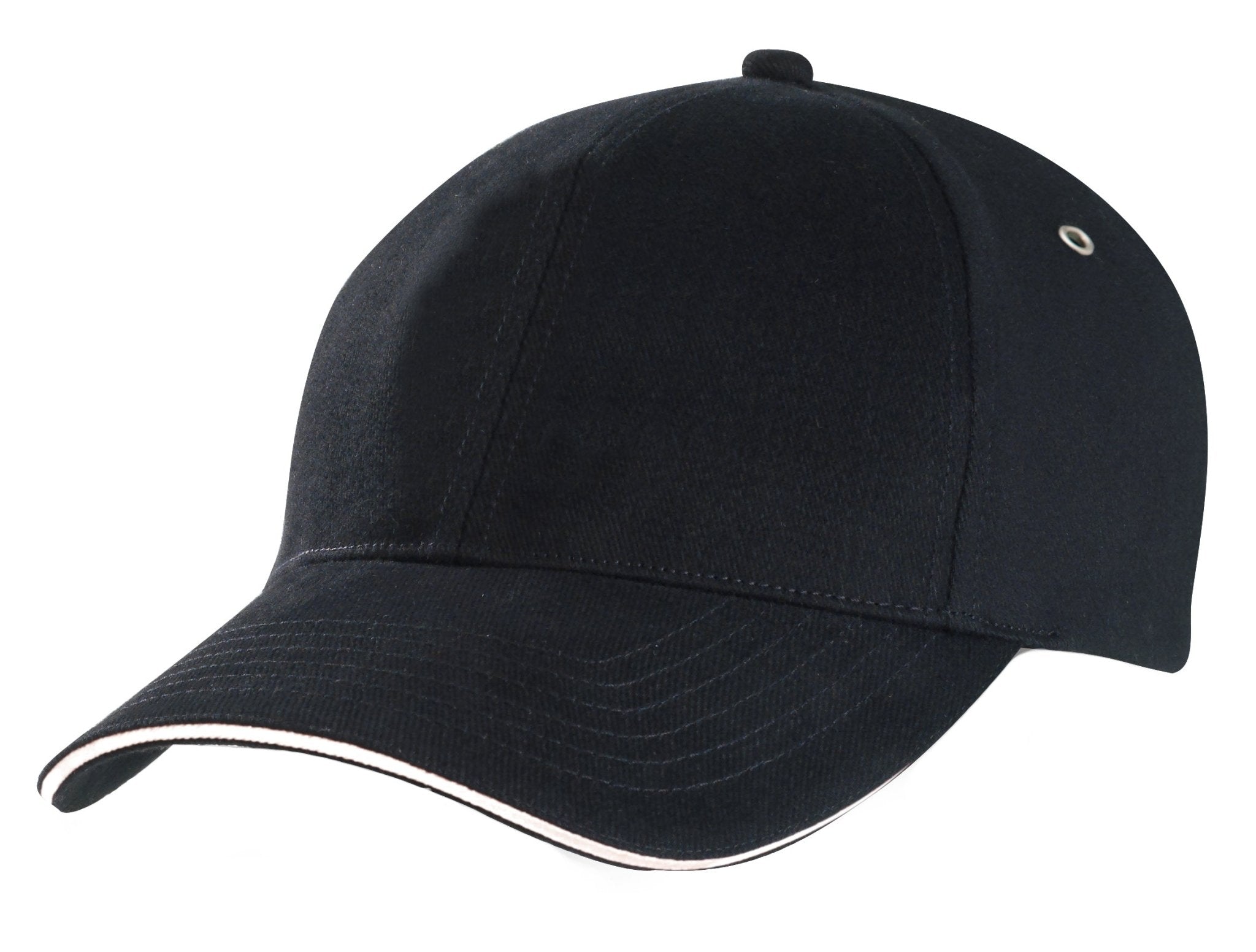
Construction details matter here. A flexible sweatband (woven fabric rather than stiff elastic) distributes pressure evenly rather than creating a single pressure line. An adjustable closure lets you size up slightly for more crown space without the hat slipping. Crown shape and brim design also affect how the hat sits on different head shapes, which is worth checking before you buy.
Stylist guidance consistently points to the air gap as the key variable. Hats that leave internal air space, rather than clinging like a swim cap, are the ones that preserve root volume across longer wear periods.
Pro Tip: On any product page, look for “crown depth” or “structured crown” in the specs. A crown depth of 10 cm or more generally means enough internal space to avoid compression.
Key construction features to prioritise:
- Relaxed or high-crown silhouette
- Woven or fabric sweatband, not stiff elastic
- Adjustable strap, snap, or drawstring sizing
- No rigid internal frame pressing against the top of the head
Which shell fabrics and linings reduce crush and friction?
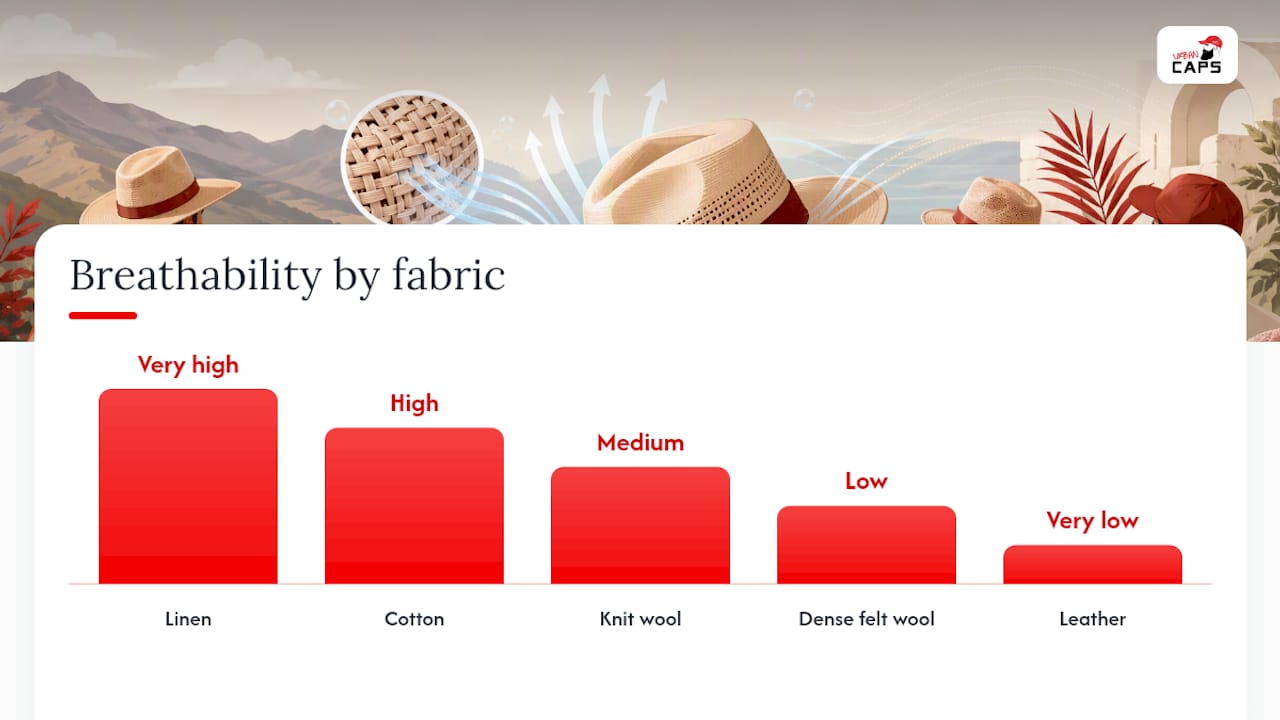
Hat material and fit directly affect how quickly hat hair appears. Tighter, denser materials like heavy wool or leather flatten hair faster than breathable cotton or open-weave options. Choosing the right shell fabric for your climate and hair type is one of the most practical hat hair solutions available.
Loose-fitting hats in breathable fabrics and satin or silk linings reduce friction, minimise sweat build-up, and help protect hair. Satin and silk create a low-friction surface so hair slides rather than catches, which cuts static and stops the lining from dragging strands out of place.
| Shell fabric | Breathability | Warmth | Static/friction risk | Best use |
|---|---|---|---|---|
| Cotton | High | Low–medium | Low | Everyday, warm weather |
| Linen | Very high | Low | Very low | Summer, outdoor |
| Straw/bamboo | Very high | Low | Very low | Beach, travel |
| Knit wool | Medium | High | Medium | Cool weather, casual |
| Dense felt wool | Low | High | Medium–high | Formal, cold weather |
| Leather | Very low | High | High | Style statement, short wear |
Pro Tip: If you love the look of a wool felt hat, check whether it has a satin sweatband or a removable satin liner. That one interior detail makes a significant difference to how your hair feels after an hour of wear.
For breathable hat options that suit warmer conditions, cotton and linen shells are the most reliable starting point.
How should a hat fit to avoid flattening your hair?
A well-fitted hat sits snugly enough to stay on but never leaves red marks on your forehead or temples. Run through this quick test before buying or wearing:
- Place the hat on your head at its natural resting position.
- Slide two fingers under the band at the front. They should fit without forcing.
- Check the crown: your hair should not be pressed flat against the top of your head.
- Shake your head gently. The hat should stay put without gripping.
- Wear it for two minutes, then remove it. No red lines means the fit is right.
For adjustable hats, set the closure one notch looser than feels “secure” for everyday wear. That small amount of extra room preserves crown volume without the hat slipping. Practical fit guidance on the Urbancaps site covers sizing by head circumference if you’re buying online.
Choosing a hat that fits well is the single most effective step you can take. A hat that’s too tight will always leave a mark, no matter what fabric it’s made from. Secure is fine. Restrictive is not.
Warning signs to avoid:
- Hat slips forward or backward constantly (too large, no air gap control)
- You need to re-adjust every few minutes (poor band design)
- Forehead or temple marks appear within 10 minutes of wear
Which hat styles are least likely to cause hat hair?
Some shapes are simply better for hair volume than others. Wide-brim sun hats and structured fedoras with deeper crowns give hair the most internal space. Slouchy beanies sit on top of the head rather than compressing it. Bucket hats with a rounded crown offer a relaxed fit that rarely creases hair at the part.
Pro Tip: If you have fine or colour-treated hair, prioritise styles with a higher crown over styles with a low, flat profile. The extra centimetre of internal space makes a real difference by the end of the day.
Style categories that tend to preserve volume:
- Wide-brim sun hats and fedoras: Deep crowns, minimal compression, often paired with breathable shells
- Slouchy beanies: Sit above the hairline rather than pressing down; choose ones with a satin liner
- Bucket hats: Rounded crown with room to spare; good for casual, all-day wear
- Structured homburgs and ranchers: Higher crown depth than a flat cap; works well with thicker hair
- Oversized berets: Drape rather than compress; low friction against the scalp
Flat caps and low-profile snapbacks carry the most risk for hat hair because their shallow crowns press directly against the top of the head. If you love that look, check the hat shape guide for styles that balance a low profile with enough internal depth.
How do you care for hats to keep them hair-friendly?
Hats trap oils, sweat, and pollutants over time. When that build-up is redeposited onto clean hair, it weighs strands down and accelerates flattening. A simple maintenance routine keeps your hat hygienic and your hair fresher.
Basic schedule:
- Air your hat after every wear. Remove it from your bag or hook and let it breathe for at least 30 minutes.
- Spot-clean the sweatband weekly with a damp cloth and a small amount of mild soap.
- Full clean every 4–6 weeks, depending on how often you wear it.
Cleaning by material:
- Cotton and linen: Hand wash in cool water with gentle detergent; reshape and air dry.
- Knit wool: Spot clean only or hand wash in cold water; never wring; dry flat.
- Felt wool: Brush with a soft-bristle hat brush; spot clean with a damp cloth; avoid soaking.
- Leather: Wipe with a dry cloth; use a leather conditioner every few months.
- Removable satin liners: Machine wash on a delicate cycle; air dry.
Store hats on a hat stand or stuff the crown with tissue paper to retain shape. A crushed crown means a hat that presses unevenly on hair the next time you wear it. Urbancaps publishes a full materials care guide with material-specific instructions.
When can tight hats harm your hair?
Hats and headgear do not automatically cause hair loss. The real concerns are excessive tightness, repeated friction, and chronic tension at specific contact points on the scalp. Wearing a well-fitted hat daily is generally fine. Wearing a very tight hat daily is a different matter.
Dermatologists note that very tight or very hot hats could theoretically stress follicles, and advise choosing loose-fitting options and giving the scalp regular breaks. If you notice persistent itching, redness at the hairline, or thinning where the band sits, those are signs to ease up on tight headwear.
If you see persistent scalp irritation, hairline thinning, or redness that doesn’t clear up after a few days without hat wear, speak with a dermatologist. These symptoms are worth investigating rather than ignoring.
Practical habits that reduce risk: take your hat off for 30 minutes every few hours during long wear days, rotate between two or three hats so no single pressure point is repeated daily, and avoid wearing any hat to sleep.
Urbancaps hats that help you avoid hat hair
These specific models from Urbancaps match the prevent hat hair checklist on fit, fabric, and lining:
- Outdoor Fishing Hiking Men’s Panama Hats Fedoras Hat: Wide brim, breathable shell, deep crown. Strong choice for all-day outdoor wear without flattening.
- Summer Outdoor Travel Hat: Lightweight and ventilated. Packable design with enough crown room to keep roots lifted.
- Enlarged Brim Men’s Fisherman Hat: Waterproof outer shell with a spacious crown. Good for active wear where sweat management matters.
- Churchill Heritage Homburg Hat: Premium Australian wool felt with a structured, deeper crown. Classic styling with enough internal height for thicker hair.
- Fashionable Skull Pattern Double-Sided Bucket Hat: Rounded crown, low compression, reversible design. Casual everyday option that sits comfortably without creasing.
- Fashion Knit Beanie: Choose the slouchy fit for maximum crown space in winter. Pair with a satin liner cap underneath for fine or fragile hair.
- Steampunk Fedora Hat: Statement fedora with a structured brim. Check the interior band material and consider a satin liner for longer wear.
- Dakota Heritage Wool Rancher Hat: Deep-crown western style. The higher crown depth suits shoppers who want structure without compression.
Design features that specifically reduce hair creasing
Beyond general breathability, certain construction details are built specifically to stop creasing. Flexible brims are one. A rigid brim forces the hat into a fixed position on the head; a flexible brim adjusts slightly with movement, reducing the pressure points that cause band marks.
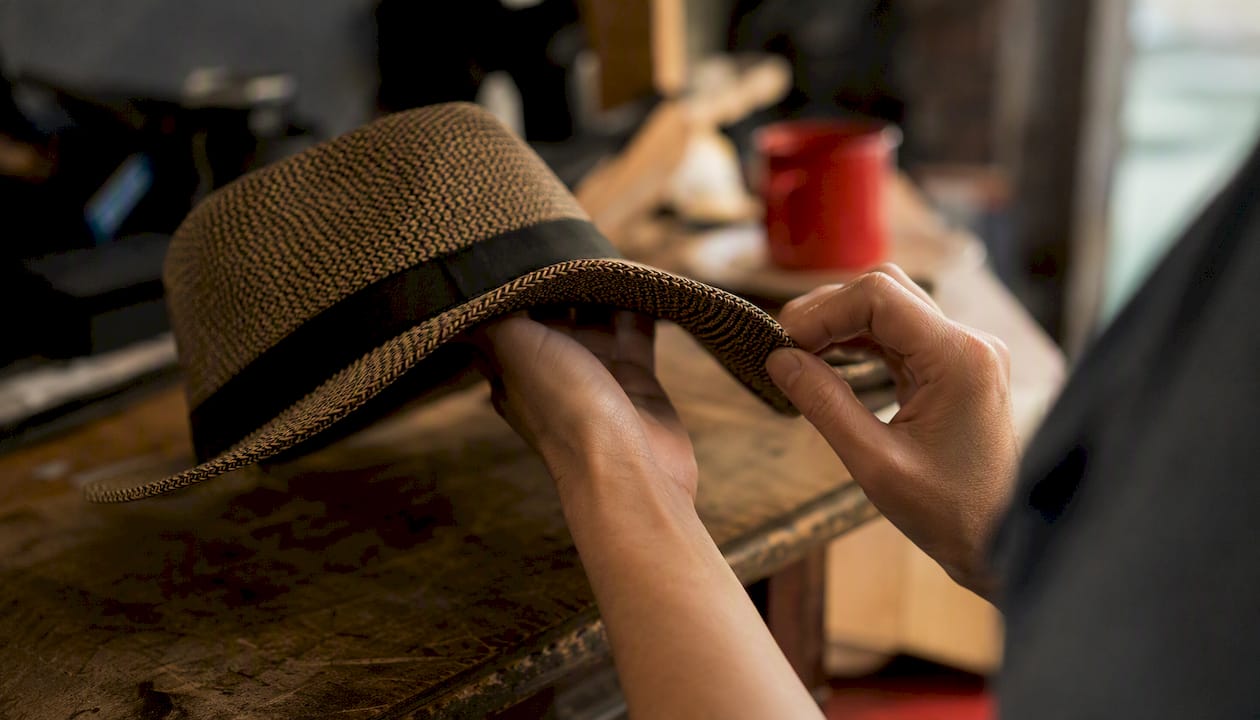
Memory foam sweatbands are another. They conform to the shape of your head rather than pressing a uniform ring of pressure around it, which distributes contact more evenly and reduces the single crease line a standard elastic band leaves. Some hats use a quilted or padded inner band for the same reason.
Removable liners are worth seeking out too. A removable satin liner lets you wash it separately (keeping oils off your hair), replace it if it wears out, or swap in a warmer liner for winter. Retail guidance consistently recommends rotating and washing liners to prevent oil and sweat re-deposition that flattens hair over time.
How to accessorise hats for extra hair protection
A satin or silk cap worn under a hat is the most effective accessory for hat hair prevention. It creates a second smooth layer between your hair and the hat’s interior, cutting friction to near zero. Stylists recommend silk or satin under-layers specifically for coarser winter hats where the shell fabric itself creates friction.
Thin satin bonnets or sleep caps work well under beanies and bucket hats. For structured fedoras or homburgs, a satin hair wrap or a lightweight satin headband at the hairline achieves a similar result without adding bulk under the crown.
A stylist catalog can help you match the right under-layer style to your hair type, particularly for textured or curly hair that is more prone to friction-related frizz.
Other useful accessories:
- Silk scrunchies to loosely gather hair before putting on a hat (reduces crease at the band line)
- A small travel-size satin cap that folds flat in a bag for longer wear days
Why Urbancaps builds hats with these features in mind
The evidence is clear: fit and lining matter more than any styling product when it comes to hat hair. That’s why Urbancaps prioritises relaxed crowns, breathable shells, and smooth interior bands across its range. The product pages list crown depth, shell material, and band type so shoppers can check the specs before adding to cart. The fit and style guide on the site gives further detail on matching hat construction to hair type and head shape.
Urbancaps models that meet the hat hair checklist
The hats listed in the product section above cover every point on the checklist: breathable or structured shells, deeper crowns, and interior bands designed for comfort. Prices and availability are listed on each product page, with free shipping on all NZ orders. If you’re unsure about sizing, the Urbancaps size guide is on every product page, and the customer service team is available to help with fit questions before you buy.

Browse the full range at Urbancaps and filter by style to find the right fit for your hair type. Every order ships fast within NZ, with straightforward returns if the fit isn’t right.
Sources
- Hats, helmets and hijabs – what’s the real impact on your hair and scalp? - CNA Lifestyle
- Can wearing a hat make you go bald? | Cleveland Clinic Health Essentials
- Does wearing a hat cause hair loss? – Palm Beach Dermatology Group
- How to wear winter hats without ruining your hair — Glamour
- How Long Does Wearing A Hat Cause Hat Hair? | ShunSalon
This article is general information, not a substitute for advice from a qualified doctor. Consult a qualified healthcare professional about your own circumstances before acting on anything here.
FAQ
What is the best hat feature to prevent hat hair?
A relaxed crown fit is the single most important feature. It creates an air gap between the hat’s interior and your hair, stopping compression at the roots.
Do satin linings actually make a difference?
Yes. Satin and silk linings reduce friction between the hat and your hair, which cuts static and stops strands from catching and creasing against a rough interior surface.
Can wearing a hat every day damage your hair?
A well-fitted hat worn daily is generally fine. Very tight hats worn daily can contribute to tension and friction at the hairline over time, so dermatologists advise choosing loose-fitting options and giving your scalp regular breaks.
Which hat styles are best for preserving hair volume?
Wide-brim fedoras, slouchy beanies, and bucket hats with rounded crowns preserve the most volume because their deeper crowns avoid pressing directly against the top of the head.
How often should I clean my hat to keep it hair-friendly?
Spot-clean the sweatband weekly and do a full clean every 4–6 weeks. Regular cleaning stops oil and sweat build-up from transferring back onto clean hair and weighing it down.