

Why Wear Flat Caps in 2026: 450+ Years of Heritage
Did you know a 1571 English law once forced everyone to wear wool caps every Sunday? That mandate sparked a fashion legacy lasting over 450 years. Today, flat caps blend timeless heritage with modern versatility, making them a top choice for New Zealand’s fashion-conscious wearers seeking style and function. Whether you’re exploring city streets or heading outdoors, flat caps deliver warmth, portability, and effortless elegance suited to Kiwi lifestyles and climate.
Table of Contents
- History and Heritage of Flat Caps
- Materials and Comfort Features
- Styling and Fashion Versatility
- Practical Benefits for Outdoor Use
- Choosing and Wearing Flat Caps
- Common Misconceptions About Flat Caps
- Brand and Local Market Relevance
- Explore Premium Flat Caps at Urban Caps
- Frequently Asked Questions About Flat Caps
Key Takeaways
| Point | Details |
|---|---|
| Heritage Meets Modern Style | Flat caps originated from 16th-century wool trade laws, evolving into a global fashion symbol that balances tradition with contemporary trends. |
| Climate-Adaptable Materials | Wool and tweed provide warmth for cooler seasons, while cotton offers breathability for New Zealand’s warmer months. |
| Versatile Styling Options | Flat caps complement casual, smart-casual, and semi-formal outfits, making them suitable for diverse occasions and personal aesthetics. |
| Practical Outdoor Benefits | Short brims provide eye protection, foldability ensures easy packing, and materials offer head warmth without bulk. |
| Timeless Fashion Appeal | Despite myths of being outdated, flat caps enjoy cyclical resurgence driven by celebrity endorsements and quality craftsmanship. |
History and Heritage of Flat Caps
Flat caps originated from the 16th-century English Wool Act of 1571, which mandated wool caps to boost the wool industry, establishing their enduring heritage appeal. This law required men and boys over six years old to wear wool caps on Sundays and holidays, cementing flat caps as symbols of the wool trade. Originally associated with working-class laborers and farmers, flat caps gradually transcended social boundaries to become icons of heritage style worldwide.
Traditional materials like wool and tweed emphasized craftsmanship and durability. These fabrics were chosen not just for warmth but for their ability to withstand daily wear in harsh outdoor conditions. As industrialization progressed, flat caps retained their artisan roots, with skilled hatmakers preserving techniques passed down through generations.
By the 20th century, flat caps evolved from practical workwear to fashion statements embraced by all social classes. They symbolized authenticity, quality, and a connection to heritage craftsmanship. New Zealand fashion enthusiasts appreciate these flat caps trending in New Zealand roots while adapting styles to local tastes and climate.
Key heritage elements include:
- Legacy fabrics such as Harris Tweed and Donegal wool remain popular in modern flat cap designs.
- Traditional construction methods like hand-stitching and paneling deliver superior fit and longevity.
- Cultural significance extends across British Isles, Europe, and now global markets including New Zealand.
- Modern interpretations honor historical authenticity while incorporating contemporary colors and patterns.
The heritage of flat caps continues to resonate, proving that timeless design transcends fleeting trends.
Materials and Comfort Features
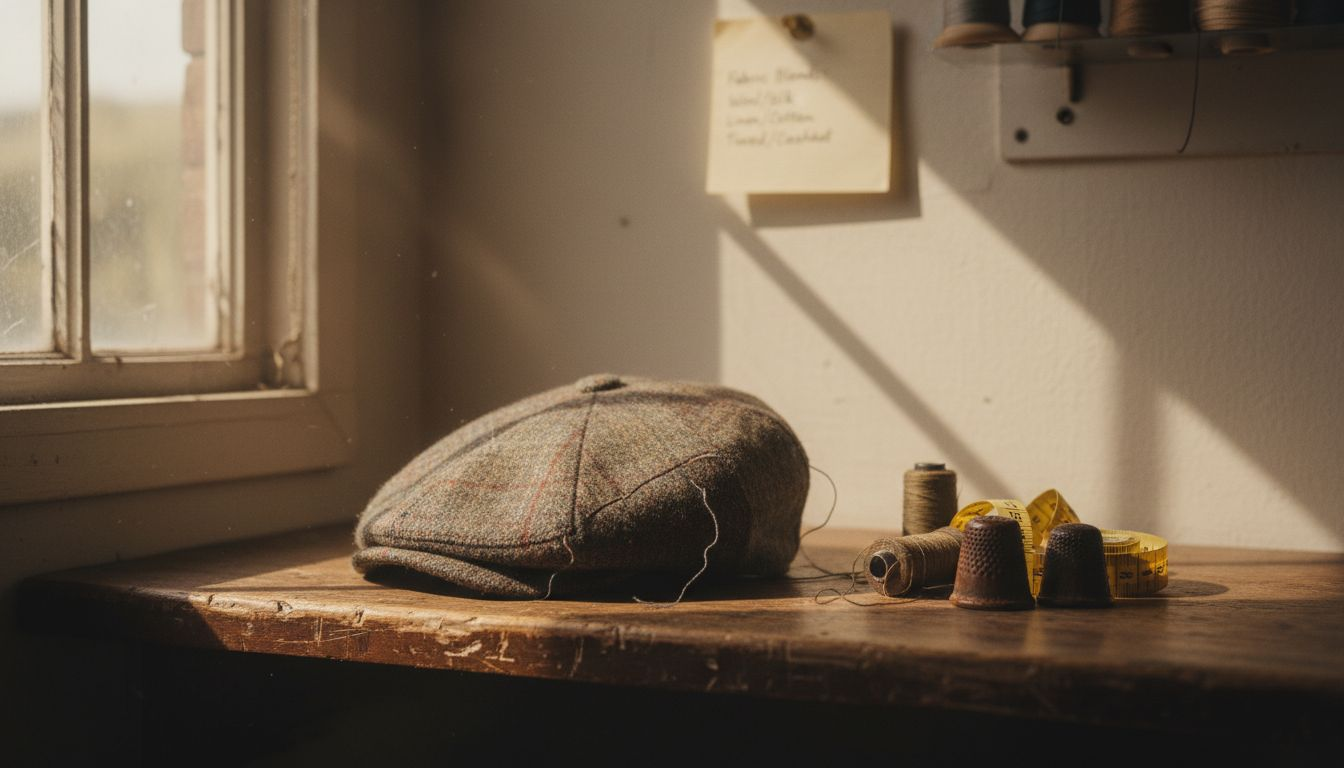
Flat caps are typically made from wool, tweed, or cotton materials, providing warmth and comfort suitable for colder seasons while allowing for stylish versatility. Each material offers distinct advantages depending on your needs and New Zealand’s variable weather.
Wool flat caps deliver excellent insulation for autumn and winter months. Merino and lambswool variants provide softness against the skin while regulating temperature. Tweed fabric provides texture and durability, aligning with heritage style while cotton variants offer breathability for warmer weather environments such as in New Zealand summers. Cotton caps are lightweight and moisture-wicking, ideal for spring and summer casual looks.
Choosing the right material enhances both aesthetic appeal and functional comfort year-round. Durability matters for outdoor activities like hiking, gardening, or weekend markets, where caps endure sun, wind, and occasional rain. Quality fabrics resist fading and maintain shape through repeated wear.
| Material | Best Season | Key Benefits | Ideal Use |
|---|---|---|---|
| Wool | Autumn, Winter | Warmth, breathability, natural moisture control | Daily wear, cooler outdoor activities |
| Tweed | Autumn, Winter | Texture, durability, heritage aesthetic | Smart-casual outfits, cultural events |
| Cotton | Spring, Summer | Lightweight, breathable, easy care | Casual wear, warmer weather activities |
| Linen Blend | Summer | Maximum breathability, quick-drying | Beach outings, hot sunny days |
Pro Tip: Opt for tweed when you want classic heritage style with insulation for cool mornings. Choose cotton for relaxed summer vibes and easy maintenance. Consider owning both to cover New Zealand’s seasonal shifts.
Material choice also impacts care requirements. Wool and tweed often need professional cleaning or careful hand washing, while cotton tolerates regular machine washing. Check summer hats and caps in New Zealand for seasonal guidance tailored to local climate.
Understanding flat cap materials and comfort helps you invest wisely in caps that serve multiple purposes across different environments and occasions.
Styling and Fashion Versatility
Flat caps remain stylish because they complement both casual and formal attire, suitable for a variety of occasions from weekend wear to smart-casual office environments. Their low-profile design pairs seamlessly with modern urban apparel and heritage styles like tweed jackets or wool coats.
For casual looks, team a cotton flat cap with jeans, a fitted tee, and sneakers. This combination balances laid-back comfort with intentional style. Smart-casual settings call for tweed or wool caps matched with chinos, button-down shirts, and leather shoes. Semi-formal occasions work well with darker tones and classic patterns, though avoid overly formal events where dress codes favor uncovered heads.
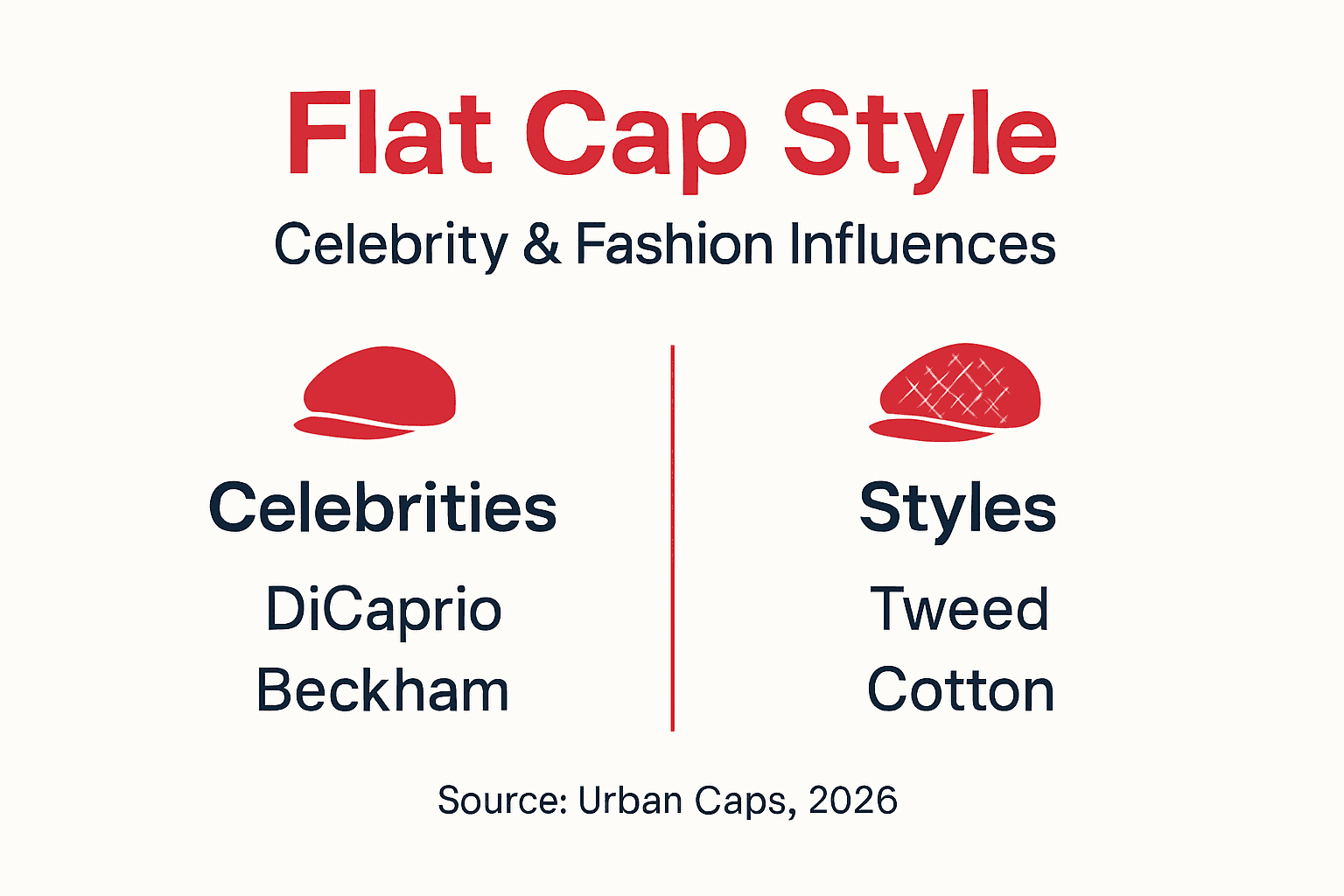
Celebrities like Leonardo DiCaprio, Idris Elba, and David Beckham have popularized flat caps recently, influencing their resurgence in mainstream fashion. These endorsements introduced flat caps to younger audiences who might have viewed them as outdated. Celebrity styling often features caps with tailored coats, designer denim, and minimalist accessories, proving flat caps adapt to contemporary trends.
The role of flat caps in fashion extends beyond aesthetics. They signal attention to detail and appreciation for quality craftsmanship. Color coordination matters: earth tones suit autumn wardrobes, while lighter shades complement spring and summer palettes.
| Cap Style | Brim Shape | Best Outfit Match | Typical Occasion |
|---|---|---|---|
| Classic Flat Cap | Short, flat | Tweed jacket, wool trousers | Heritage events, countryside outings |
| Newsboy Cap | Rounded crown, snap brim | Casual blazer, jeans | Urban weekend wear, markets |
| Duckbill Cap | Elongated, flat | Sporty jackets, chinos | Outdoor activities, casual travel |
Pro Tip: Match your flat cap fabric and color to your outfit texture for cohesive style. A herringbone tweed cap pairs beautifully with wool coats, while a solid cotton cap complements denim and linen.
Versatility also means experimenting with patterns. Checks, plaids, and herringbone add visual interest without overwhelming your look. Neutral solid colors offer maximum flexibility across your wardrobe.
Understanding flat cap style versatility and celebrity influence on flat caps empowers you to wear them confidently in diverse settings.
Practical Benefits for Outdoor Use
The flat cap’s design, featuring a short brim and foldability, offers practical benefits such as eye shading and easy carrying, ideal for outdoor activities. The short brim protects your eyes from sun glare and light rain without obstructing peripheral vision, crucial for safety during walking or cycling.
Foldability sets flat caps apart from structured hats. You can fold them and tuck them into pockets, bags, or backpacks without damaging the shape. This portability makes flat caps perfect for unpredictable New Zealand weather where you might need a cap one moment and prefer going bareheaded the next.
Flat caps provide warmth to the head during autumn and milder winter days but do not cover ears or neck, limiting cold weather protection compared to other hats. For extreme cold, consider layering with a scarf or choosing a cap with ear flaps. However, for most New Zealand conditions, flat caps offer sufficient head warmth while avoiding overheating.
Flat caps suit everyday wear and outdoor activities like walking, gardening, or casual sports. Their lightweight construction prevents discomfort during extended wear. Unlike heavy beanies or wide-brimmed hats, flat caps balance protection with breathability.
Common outdoor advantages include:
- Minimal wind resistance due to low profile, reducing the chance of caps blowing off.
- Quick-drying materials like cotton shed moisture faster than dense wool beanies.
- Subtle styling that transitions from outdoor to indoor environments without looking out of place.
- Durable construction withstands repeated folding and exposure to elements.
- Compatibility with sports hats for outdoor activities, offering an alternative to baseball caps.
Understanding practical features of flat caps and their warmth and limitations helps you choose headwear suited to your lifestyle and New Zealand’s varied climates.
Choosing and Wearing Flat Caps
Flat caps suit oval, diamond, and heart-shaped faces best, while round face shapes may find hats with wider brims more flattering than fitted flat caps. Identifying your face shape guides your selection for maximum aesthetic appeal.
Oval faces enjoy the most versatility, as balanced proportions complement nearly any flat cap style. Diamond faces benefit from caps that add width at the forehead, softening angular features. Heart-shaped faces look great with caps that balance a wider forehead with a narrower chin. Round faces might prefer newsboy caps with extra volume or caps worn slightly tilted to create angles.
Choose materials suitable to season. Wool and tweed excel in cold weather, providing insulation and classic texture. Cotton and linen blends work for warm weather, offering breathability and lightweight comfort. Consider owning multiple caps to cover New Zealand’s four-season variability.
Fit types vary by brim style. Classic flat caps have a short, stiff brim that sits close to the forehead. Curved peak options offer a sportier look. Ensure the cap sits comfortably without pinching or sliding. Most flat caps feature an adjustable snapback or elastic band for customized fit.
Follow these steps for choosing your ideal flat cap:
- Determine your face shape by measuring width at forehead, cheekbones, and jawline.
- Select material based on primary season of wear and local climate conditions.
- Try on multiple sizes to find a snug yet comfortable fit without pressure points.
- Match cap color and pattern to your existing wardrobe for versatile styling.
- Purchase from trusted local retailers like choosing premium flat caps for quality assurance.
Fitting tips and common mistakes:
- Wear the cap straight or slightly tilted, never pushed far back on your head.
- Ensure the brim rests just above your eyebrows for proper proportion.
- Avoid caps that sit too high, making your head look elongated.
- Choose structured caps if you have fine hair; unstructured styles suit thicker hair.
- Don’t overthink it: confidence in wearing a flat cap matters as much as technical fit.
Consult a flat cap face shape guide for visual examples and personalized recommendations.
Common Misconceptions About Flat Caps
Contrary to the misconception that flat caps are outdated, their timeless design and cyclical fashion resurgence confirm their ongoing relevance in modern style. Fashion operates in cycles, and flat caps consistently return to prominence as new generations discover their heritage appeal and versatility.
Myth: Flat caps are only for older generations. Reality: Celebrity endorsements and streetwear collaborations have introduced flat caps to millennials and Gen Z. Modern materials and patterns appeal to younger audiences seeking authentic, quality pieces.
Myth: Flat caps don’t provide sufficient warmth. Reality: Material choice directly impacts warmth. Wool and tweed caps offer excellent insulation for New Zealand’s cooler months. Layering a cap with a scarf addresses ear and neck coverage when needed.
Myth: Flat caps suit everyone equally. Reality: While versatile, flat caps flatter specific face shapes best. Oval, diamond, and heart shapes benefit most, while round faces may prefer alternatives. Trying on different styles helps identify what works for you.
Flat caps represent more than fashion; they embody a connection to heritage craftsmanship and quality that transcends fleeting trends. Their enduring appeal lies in balancing tradition with adaptability to contemporary lifestyles.
Addressing these misconceptions:
- Flat caps adapt to modern aesthetics through updated colors, patterns, and materials.
- Warmth depends on fabric weight and weave; premium wool caps rival beanies for insulation.
- Face shape matters, but confident styling and proper fit overcome minor mismatches.
The modern relevance of flat caps proves that quality design remains timeless. Understanding the flat caps fashion resurgence helps you appreciate their place in contemporary wardrobes.
Brand and Local Market Relevance
Urban Caps is a trusted New Zealand supplier specializing in flat caps suited for local climate and styles. Operating locally means faster delivery, better customer support, and products tailored to Kiwi preferences.
Urban Caps offers a range from classic tweed to breathable cotton flat caps for all seasons. Their selection balances heritage authenticity with modern functionality, ensuring you find caps that match your aesthetic and practical needs. Quality materials and craftsmanship mean caps withstand New Zealand’s variable weather and active lifestyles.
Supporting local businesses promotes sustainable and culturally aligned fashion choices. Buying from New Zealand retailers reduces shipping emissions, supports local jobs, and often provides better return policies and customer service. Urban Caps emphasizes these values alongside product quality.
Fast delivery caters to busy Kiwi lifestyles for convenience and satisfaction. You won’t wait weeks for international shipping or deal with customs delays. Local inventory means your cap arrives quickly, ready for immediate wear.
Key advantages of choosing Urban Caps:
- Curated selection focused on quality over quantity, ensuring every cap meets high standards.
- Expert guidance through Urban Caps product range relevant to fashion helps you make informed decisions.
- Transparent product descriptions detail materials, sizing, and care instructions.
- Commitment to customer satisfaction with responsive support and straightforward returns.
- Emphasis on timeless styles that remain relevant across seasons and trends.
Choosing Urban Caps connects your purchase to a broader commitment to quality, sustainability, and supporting the New Zealand fashion community.
Explore Premium Flat Caps at Urban Caps
Ready to add heritage style and practical function to your wardrobe? Urban Caps offers flat caps balancing tradition with modern design, tailored for New Zealand’s climate and fashion-forward audiences. From classic tweed options ideal for cooler months to breathable cotton styles perfect for summer, you’ll find caps that suit diverse occasions and personal aesthetics.

Varied styles and materials help you find the perfect cap for your face shape, wardrobe, and lifestyle needs. Fast local shipping ensures your cap arrives quickly, while quality assurance guarantees durability and style that lasts. Urban Caps prioritizes customer satisfaction with responsive support and straightforward returns, making your purchase confident and convenient.
Explore the collection to discover how flat caps enhance your everyday style and outdoor adventures. Whether you’re heading to a weekend market, casual office environment, or countryside outing, the right flat cap completes your look with timeless elegance.
Pro Tip: Visit the Urban Caps blog to learn more about flat caps, discover premium fit guides, and choose the right flat cap for your unique needs. Expert tips and styling advice help you maximize your flat cap experience.
Frequently Asked Questions About Flat Caps
What face shapes do flat caps suit best?
Flat caps flatter oval, diamond, and heart-shaped faces by complementing balanced or angular proportions. Round faces may prefer newsboy caps with extra volume or wider-brimmed alternatives that add vertical dimension.
Are flat caps suitable for outdoor activities in New Zealand?
Yes, flat caps offer practical benefits for outdoor activities including eye shading, foldability for easy packing, and head warmth. Choose wool or tweed for cooler weather and cotton for warmer conditions to match New Zealand’s variable climate.
How do different materials affect flat cap comfort?
Wool and tweed provide insulation and moisture control for autumn and winter, while cotton and linen blends offer breathability and lightweight comfort for spring and summer. Material choice directly impacts comfort, durability, and seasonal suitability.
Can flat caps be styled for formal occasions?
Flat caps work best for smart-casual and semi-formal settings, pairing well with blazers, chinos, and tailored coats. Avoid strictly formal events where dress codes typically require uncovered heads, but feel confident wearing them to heritage events and upscale casual gatherings.
Are flat caps still considered fashionable in 2026?
Absolutely. Flat caps enjoy cyclical fashion resurgence driven by celebrity endorsements, quality craftsmanship, and timeless design. Modern interpretations incorporate contemporary colors and patterns, appealing to diverse age groups and style preferences while honoring heritage roots.