

Benefits of heritage headwear: sun, style, and sustainability
The benefits of heritage headwear go well beyond good looks. For Kiwi consumers who care about their health and the planet, traditional hat styles deliver on every front that matters:
- Sun protection — broad brims and deep bucket styles shield your face, neck, and ears from New Zealand’s intense UV radiation, often meeting the UPF 30 or above standard recommended under AS/NZS guidelines, with premium materials reaching UPF 50+.
- Sustainability — natural fibres like linen, hemp, and wool are biodegradable, recyclable, and much gentler on the environment than synthetic alternatives
- Breathability and comfort — open-weave natural materials regulate heat and wick moisture, making them well suited to NZ’s outdoor lifestyle
- Durability — quality craftsmanship means these hats hold their shape and last for years, reducing the churn of fast-fashion waste
- Cultural value — traditional hat styles carry genuine identity and heritage, connecting wearers to a rich history shared across New Zealand and Australia
Urbancaps stocks a curated range of heritage hats built around exactly these qualities, with fast NZ delivery and local support.
Table of Contents
- 1. Heritage headwear gives you real sun protection
- 2. Natural materials make heritage hats genuinely eco-friendly
- 3. Breathability and durability make them practical every day
- 4. Heritage headwear carries real cultural weight
- Urbancaps: heritage hats built for Kiwi conditions
- Key takeaways
- FAQ
1. Heritage headwear gives you real sun protection
New Zealand sits among the countries with the highest skin cancer rates in the world, and the UV index here regularly climbs to extreme levels during summer. A hat is not optional in that environment. The question is whether yours actually does the job.
SunSmart New Zealand is direct on this: broad-brimmed and bucket-style hats are the recommended choice for effective UV protection, specifically because they shade the scalp, ears, and neck — the areas most exposed and most often missed. Baseball caps, despite their popularity, leave the ears and neck fully exposed and are explicitly advised against by NZ public health guidance.
Key stat: Even occasional sunburn triples melanoma risk. Consistent use of protective headwear is one of the simplest ways to reduce that risk.
Heritage hat styles — fedoras, homburgs, wide-brim straws, and bucket hats — were designed long before SPF ratings existed, yet they naturally align with what modern sun safety science recommends. Fabric matters too. Tighter weaves and darker colours block more UV radiation than light, loosely woven materials. Quality heritage hats made with dense natural fibres often meet UPF 30 or above, and premium options can achieve UPF 50+.
What to look for in a sun-protective heritage hat:
- Brim width of at least 6 cm all around (ARPANSA’s recommended minimum)
- Tight, dense weave that limits light transmission
- Darker or mid-tone colours for better UV absorption
- Full coverage of ears, neck, and face
Pro Tip: Hold the fabric up to a light source. If you can see light clearly through the weave, UV radiation will get through too. A quality heritage hat should block most of that light.
2. Natural materials make heritage hats genuinely eco-friendly
Synthetic headwear — polyester caps, acrylic beanies — is derived from petroleum, sheds microplastics with every wash, and sits in landfill for centuries. Heritage hats take a different path entirely.
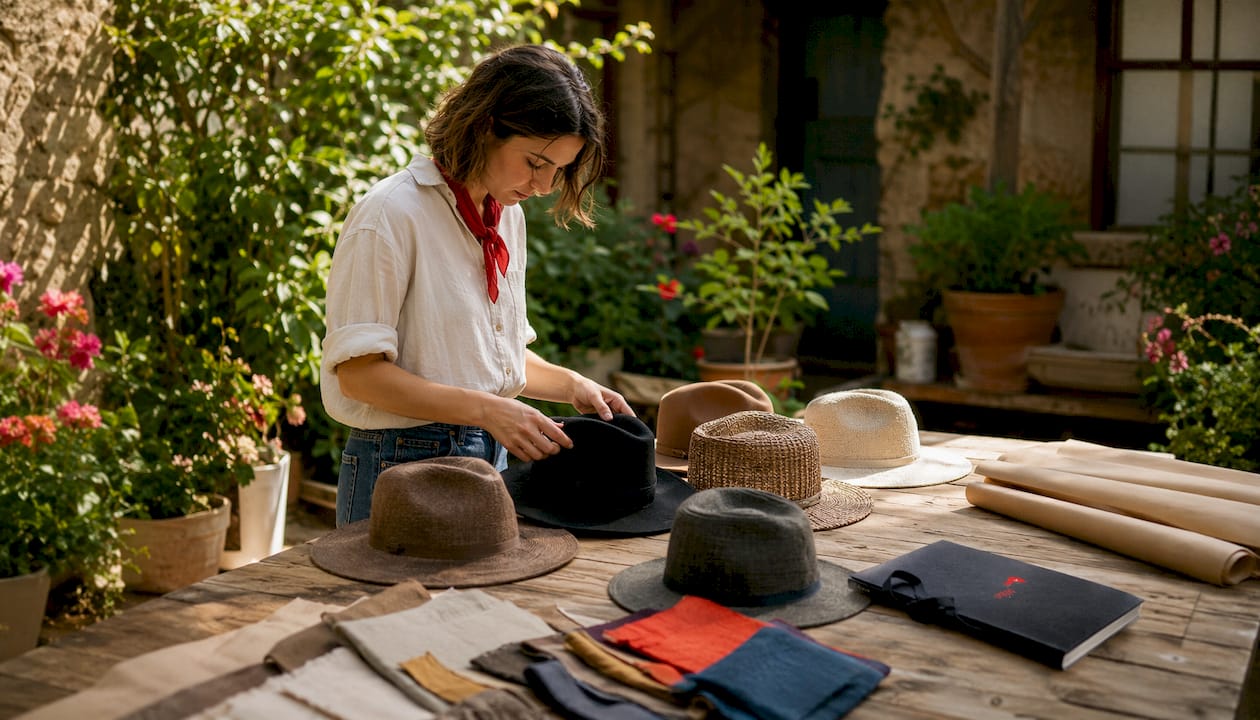
Linen, hemp, and wool are the core materials in traditional headwear, and each has a strong environmental profile. Linen is biodegradable, recyclable, hypoallergenic, and antibacterial. Hemp grows without pesticides or herbicides, absorbs CO₂ from the atmosphere, and requires far less water than cotton. Wool is a renewable fibre that composts naturally at end of life. Pair a stylish sustainable accessory with a heritage hat and you have an outfit built on genuinely low-impact choices.
The sustainability case for heritage headwear:
- Biodegradable — linen, hemp, and wool break down naturally, unlike polyester
- Renewable — hemp and wool are harvested repeatedly without depleting the resource
- Chemical-free farming — hemp thrives without synthetic pesticides, protecting soil health
- Hypoallergenic — natural fibres are gentler on sensitive skin, reducing the need for medicated alternatives
- Zero-waste aligned — a hat built to last five or ten years generates a fraction of the waste of fast-fashion alternatives
Heritage design itself is part of the sustainability story. These styles are timeless by definition. You are not buying something that looks dated in two seasons.
3. Breathability and durability make them practical every day
Natural fibres breathe. That sounds simple, but it makes a real difference when you are spending time outdoors in New Zealand’s variable climate. Linen and hemp allow air to circulate around the head, drawing heat away and wicking moisture from the skin. Wool, often dismissed as a warm-weather liability, actually regulates temperature in both directions — keeping you cooler in sun and warmer when the wind picks up.
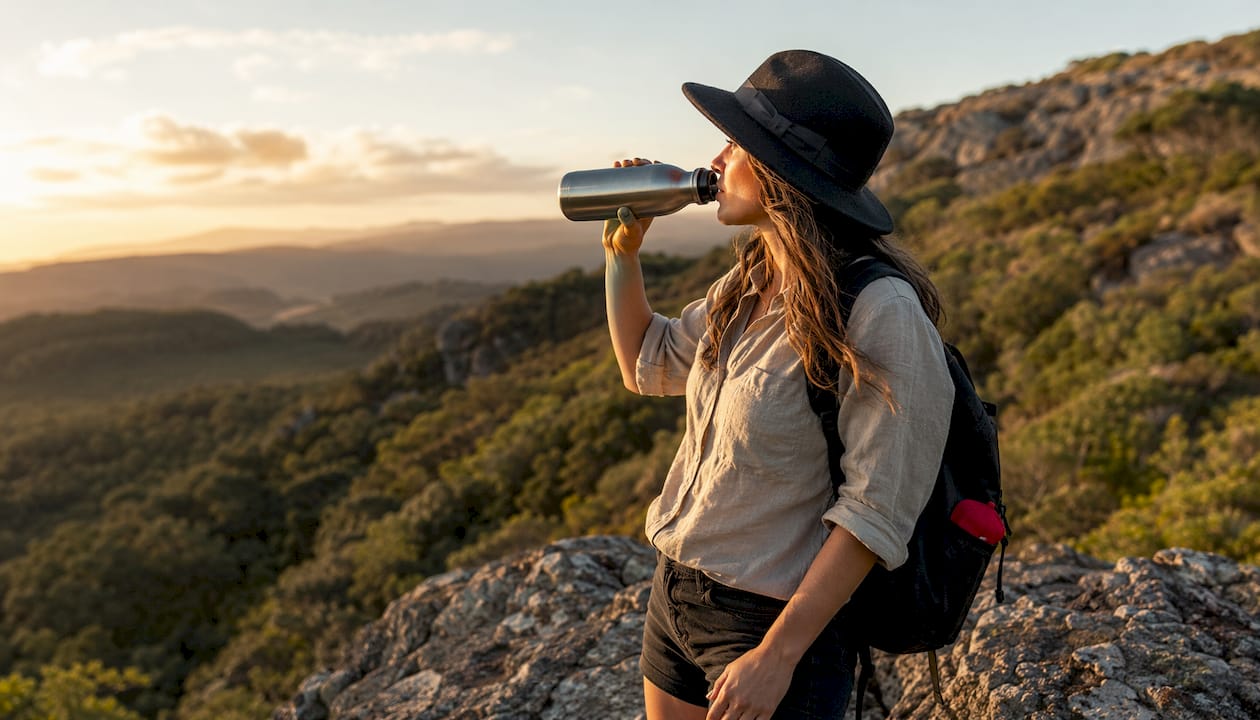
Quality craftsmanship is what separates a heritage hat that lasts a decade from one that loses its shape after a season. Well-constructed heritage hats use reinforced brims, quality stitching, and structured crowns that resist deformation even under regular outdoor use. Hemp fibres in particular are among the strongest in the natural world and soften with wear without losing structural integrity.
Practical durability features to expect from a well-made heritage hat:
- Resistance to shrinkage after exposure to rain or humidity
- Shape retention through repeated wear and storage
- Colour stability that holds through sun exposure
- Stitching and brim construction that stays firm over years of use
For everyday wear, hiking, gardening, or a day at the beach, these qualities mean you reach for the same hat season after season. That is the opposite of disposable fashion.
4. Heritage headwear carries real cultural weight
Hats have always done more than cover heads. Across New Zealand and Australia, specific styles carry genuine cultural meaning — the broad-brimmed Akubra is tied to Australian rural identity, the flat cap connects to working-class British heritage that shaped early Kiwi communities, and the homburg has long signalled formal occasion and civic pride. Wearing these styles is a conscious connection to that history.
Headwear and identity are deeply linked across cultures. In both NZ and Australian contexts, heritage hats signal values as much as style: a preference for quality over quantity, for tradition over trend, and for clothing that means something. That psychological dimension is part of why heritage styles have outlasted dozens of fashion cycles.
Urbancaps recognises this. The Australian heritage hat range reflects a genuine understanding of local market preferences and the cultural resonance these styles carry for Kiwi and Australian wearers alike. These are not costume pieces. They are practical, wearable connections to a shared history.
Key cultural styles worth knowing:
- Homburg — structured wool felt, associated with formal and civic tradition
- Flat cap / ivy cap — British-heritage working style, widely adopted across NZ
- Fedora — versatile brim style with roots in early 20th-century fashion
- Bucket hat — relaxed, wide-brimmed style with strong sun-safety credentials in NZ outdoor culture
Urbancaps: heritage hats built for Kiwi conditions
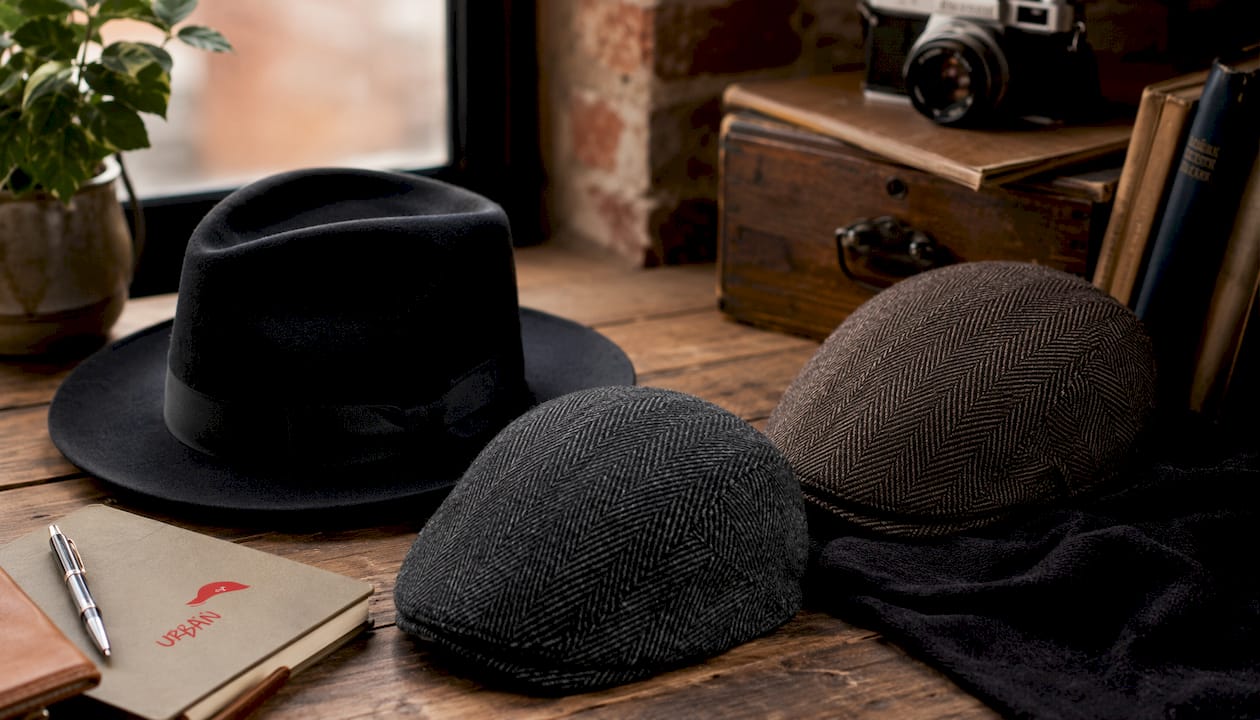
Urbancaps is a proudly NZ-owned headwear retailer stocking premium heritage styles chosen specifically for their sun protection, material quality, and lasting construction. For readers coming from this article, the range is a direct match: hats that do the functional job New Zealand’s UV environment demands, made from natural materials that align with eco-conscious values.
The Churchill Heritage Homburg is 100% Australian wool felt — structured, wide-brimmed, and built to last. For cooler months, the Highland Winter Flat Cap and the British Country Flat Cap bring herringbone craftsmanship and authentic heritage style to everyday wear. Free shipping on all NZ orders. Browse the full range at Urbancaps and find the hat that fits your lifestyle.
Key takeaways
Heritage headwear is the most practical choice for health-conscious, eco-aware Kiwis — combining proven UV protection, sustainable natural materials, and durable construction in styles that carry genuine cultural meaning.
| Point | Details |
|---|---|
| Sun protection is real | Broad-brimmed heritage styles shade ears, neck, and face — areas baseball caps leave exposed. |
| Fabric quality matters | Tight weaves and darker colours in natural fibres often meet UPF 30 or above, with premium versions reaching UPF 50+ standards. |
| Natural fibres are sustainable | Linen, hemp, and wool are biodegradable, renewable, and free from synthetic pesticides. |
| Durability reduces waste | Quality craftsmanship means heritage hats hold shape and last for years, not seasons. |
| Urbancaps stocks the range | The Churchill Homburg, Highland Flat Cap, and British Country Cap are available with free NZ shipping. |
FAQ
What are the main benefits of wearing a heritage hat?
Heritage hats provide superior UV protection through wide brims and dense natural fabrics, while also offering breathability, durability, and a connection to cultural identity. They are a practical and sustainable alternative to synthetic or fashion-only headwear.
Why do NZ health experts recommend broad-brimmed hats?
SunSmart New Zealand advises broad-brimmed and bucket-style hats because they cover the scalp, ears, and neck — the areas most vulnerable to UV damage and least protected by baseball caps. Even occasional sunburn significantly raises melanoma risk.
What is the psychology behind wearing a heritage hat?
Hats signal identity and values. In NZ and Australian contexts, heritage styles communicate a preference for quality, tradition, and authenticity, giving wearers a sense of connection to shared cultural history.
Why is heritage headwear considered eco-friendly?
Natural fibres like linen, hemp, and wool are biodegradable, renewable, and produced with far lower environmental impact than synthetic alternatives. Heritage designs are also built to last, reducing the waste associated with fast-fashion consumption.
How do I know if a heritage hat offers enough sun protection?
Look for a brim of at least 6 cm, a tight weave that limits light transmission, and a UPF rating of 30 or above, with some premium hats achieving UPF 50+. Urbancaps heritage styles like the Churchill Homburg combine these qualities with premium Australian wool construction.